
Ahead of the season opener in Melbourne, Formula 1’s new regulations are already sparking plenty of debate in the paddock. Energy management is often the buzzword. Drivers have to manage the 350 kW of electrical power coming from the MGU-K as effectively as possible, which can lead to some unnatural elements behind the wheel.
George Russell confirmed that downshifting on the straights – a scenario Max Verstappen warned about several years ago – can still happen. However, the Mercedes driver did not feel that it was unnatural and compared it to downshifting in a road car when climbing a hill. In addition, several drivers, including Esteban Ocon, expect lift-and-coast during qualifying runs.
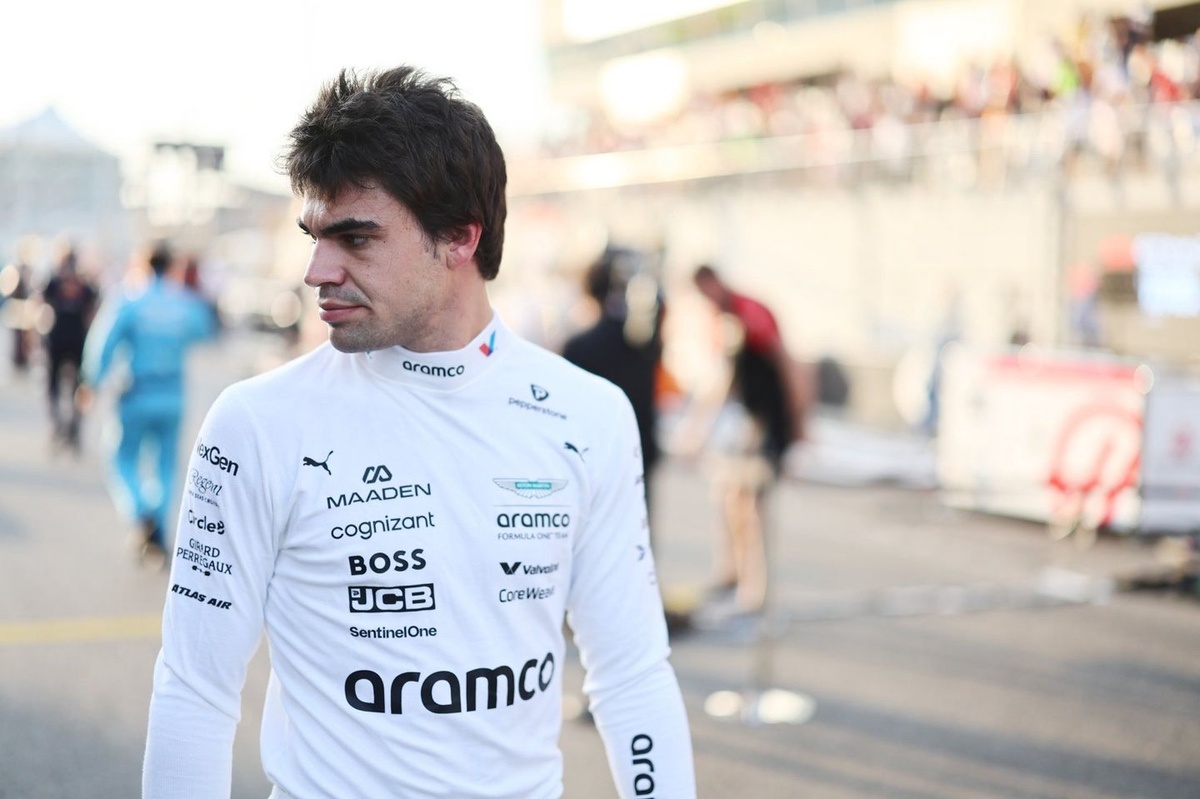
Lance Stroll has only completed two installation laps during the Barcelona shakedown, meaning he does not yet have a clear picture of the new rules. But when Russell’s remarks were brought up during the Aston Martin launch in Saudi Arabia, the Canadian laughed.
“I’m sure George, when maybe he’s winning the race in Australia by 30 seconds in his Mercedes, isn’t going to mind downshifting on the straights and lifting and coasting too much,” Stroll said. “Maybe he will change his mind by then.”
Asked if he really expects Mercedes that far ahead in the early stages of the season, Stroll continued: “Normally with new regulations, there’s always a big field spread. I don’t have a crystal ball, but yeah.”
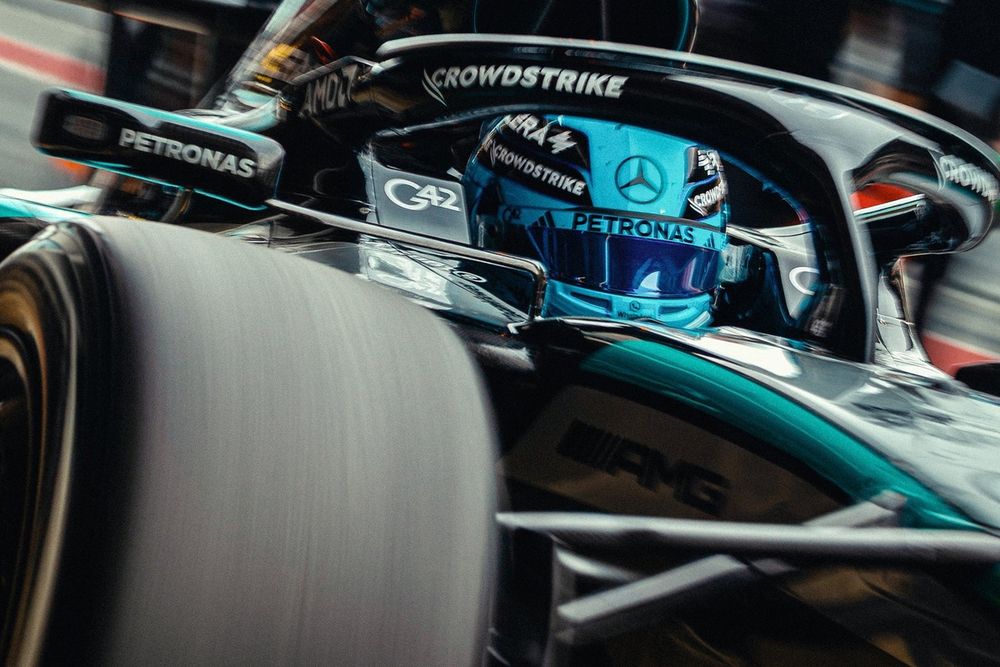
George Russell is the favourite going into 2026
Photo by: Mercedes AMG
In general, Stroll is not the biggest fan of the direction Formula 1 is heading in.
“For me, I’ve been saying it for a long time, I think it would be nice to have naturally aspirated engines with synthetic fuels – but I don’t make the rules, I just drive the cars.
“Unfortunately, I think motorsport has gone more in that direction with, you know, battery power. Since I’ve been around, the last ten years, even in the race, it’s all about fuel management and tyre management, where you’re not pushing flat out. With the tyres we have now, even during a lot of qualifying laps in certain conditions, you’re not pushing flat out. I would love to be in an era of F1, where we saw races in the past with refuelling, light cars, good tyres, where it’s always pushing flat out. But, unfortunately, we’re not there today.
“But whoever’s on pole in Australia, I’m sure will not mind it.”
McLaren probably lost 100–120 downforce points
In addition to energy management, drivers have highlighted another aspect based on their first impressions of F1’s new machinery: the 2026 cars have considerably less downforce. That is partly because there is less reliance on ground effect and also because the FIA has once again focused on cars that should be able to follow each other closely.
Lando Norris even said that in some respects – for example in the driving style required – it feels more like a Formula 2 car.
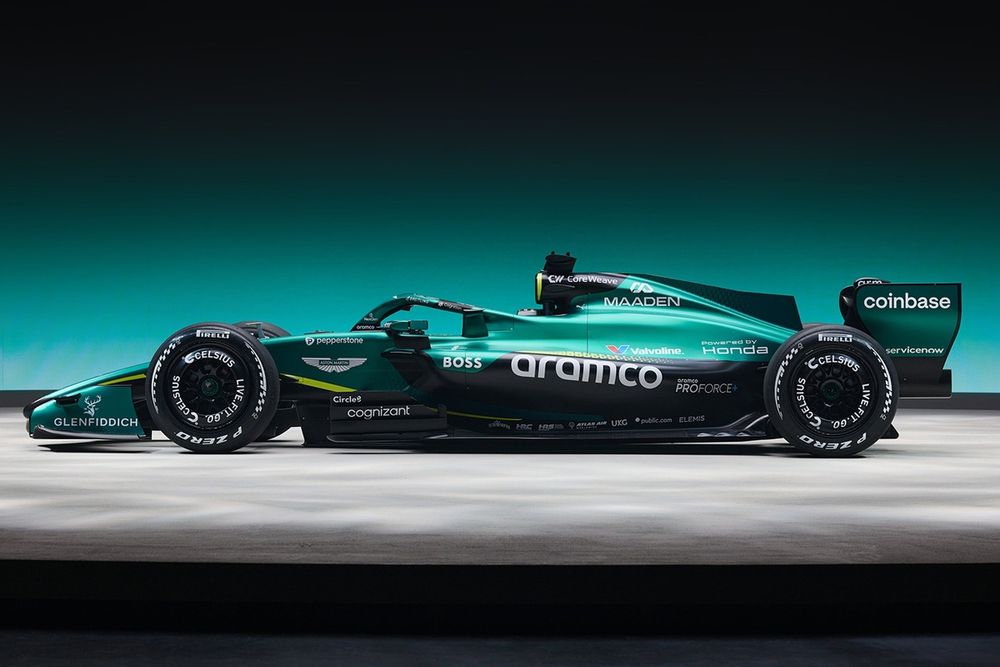
Aston Martin AMR26
Photo by: Aston Martin
When Fernando Alonso heard those words in Saudi Arabia, a smile appeared on the Spaniard’s face.
“He had a bigger step than us! Let’s say that he lost 100, 120 points of downforce; we lost a lot less. So, our adaptation, I think, was much easier.”
With that, Alonso refers to the difficult 2025 season Aston Martin has had, meaning the loss of downforce for the Silverstone-based team has been less significant than for top teams such as McLaren.
While the feeling in the cockpit made Norris think of his F2 days, it must be said that the picture in terms of lap times is less dramatic. Whereas some pre-season doom scenarios spoke about F2 lap times, that proved absolutely not to be the case during the Barcelona shakedown.
Lewis Hamilton topped the timesheets with a 1m16.348s, just under five seconds slower than Oscar Piastri’s pole lap in 2025. It should be noted that conditions in Barcelona were not representative during the cold January shakedown and that this is only the beginning of a steep development curve. Last year’s F2 pole in Spain was 1m25.180s, set by Arvid Lindblad.
Read Also:
Although there are still concerns about the new regulations, Stroll added that the previous regulation cycle was not especially enjoyable either and should not be overly glorified.
“I don’t think the last generation of cars were particularly enjoyable to drive. They were very stiff and heavy – I don’t know, maybe we find more joy in these smaller cars, but time will tell.”
We want your opinion!
What would you like to see on Motorsport.com?
– The Motorsport.com Team