
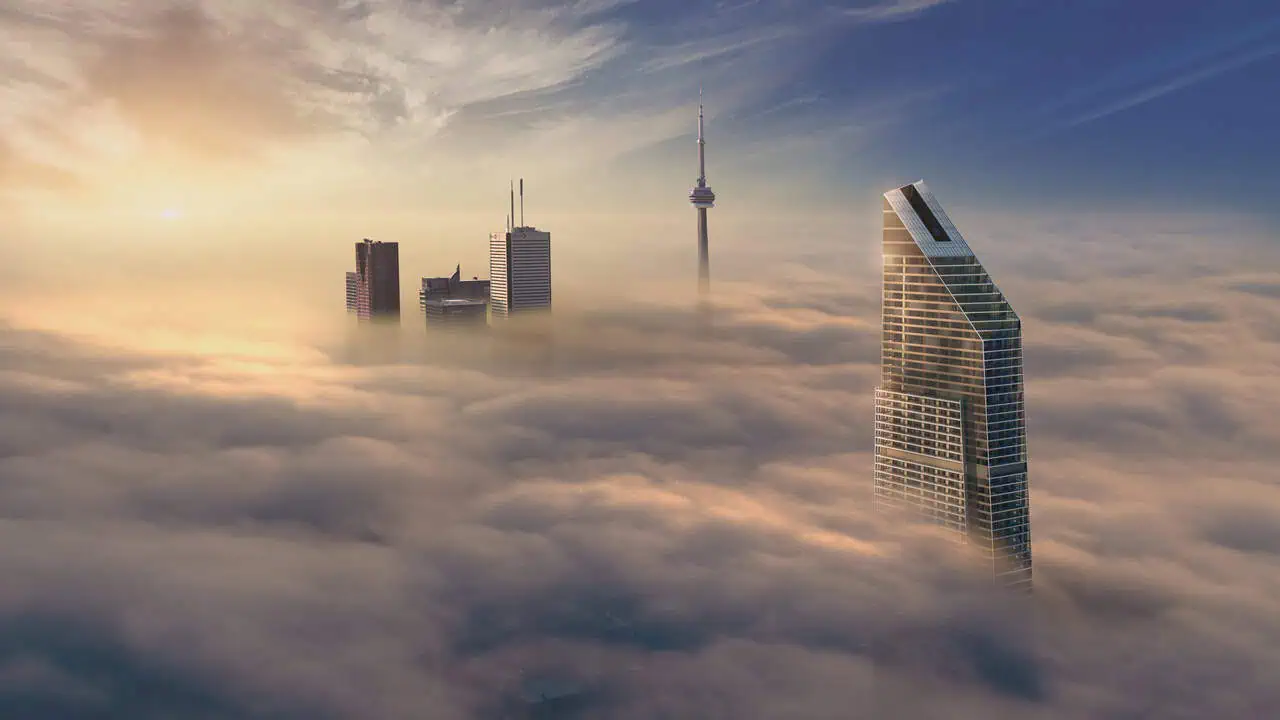
For decades, Canada has been home to impressive skylines — but never a true supertall.
According to the Council on Tall Buildings and Urban Habitat (CTBUH), a supertall is defined as any tower exceeding 300 metres or 1,000 feet in height — buildings that redefine cities, symbolize ambition, and push engineering to new limits.
That is now changing. Toronto is currently constructing three supertall towers simultaneously — a first in Canadian history and a clear signal of the city’s growing prominence on the world stage.
The Three Supertalls Shaping Toronto’s Future
Height: 1155 ft | 106 storeys I Designed by Hariri Pontarini Architects
The One (Now managed by Tridel)
Height: 1012 ft | 85 storeys I Designed by Foster + Partners and CORE Architects
Height: 1000 ft | 95 storeys I Designed by KPF (Kohn Pedersen Fox) and ArchitectsAlliance
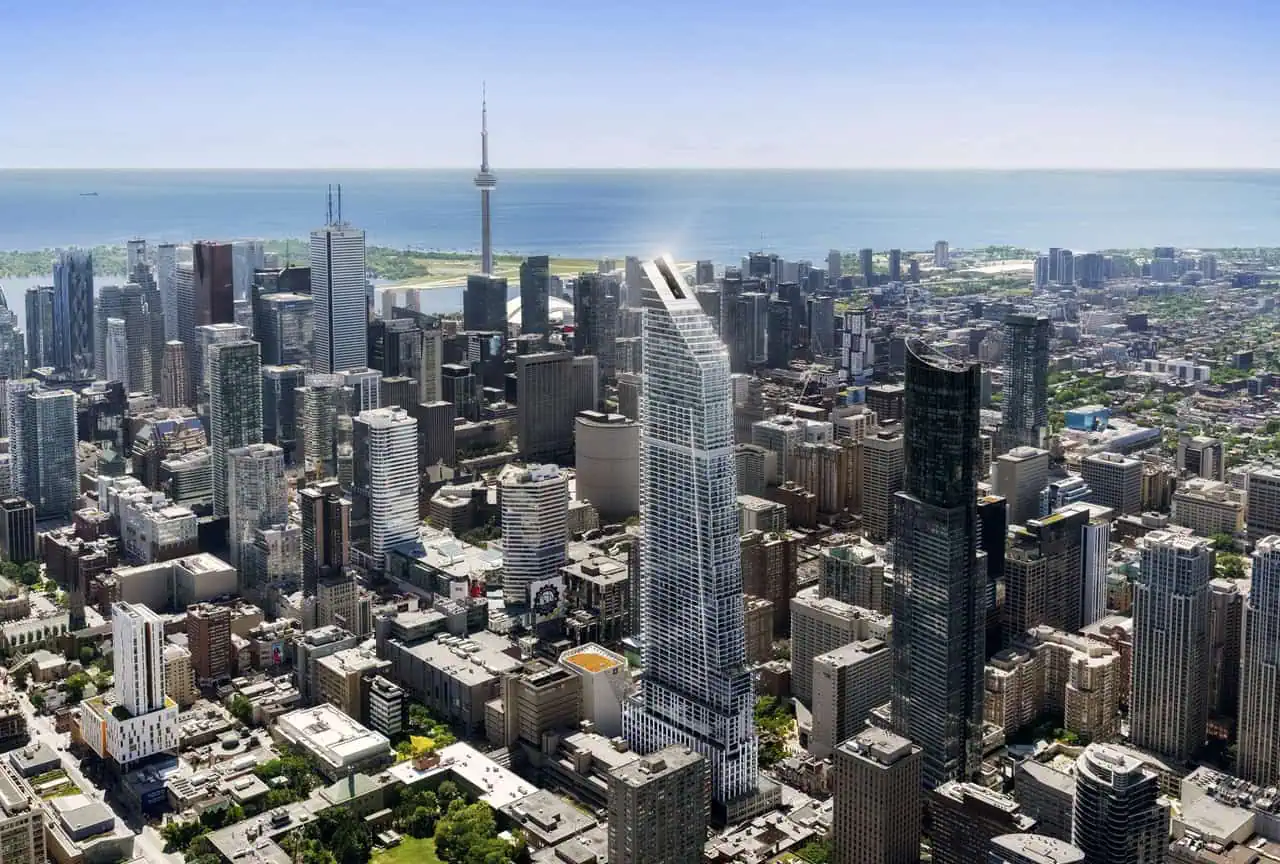
Concord Sky: Toronto’s Architectural Turning Point
Developed by Concord Adex, Concord Sky will stand as a vertical landmark along Yonge Street, designed in partnership with Kohn Pedersen Fox (KPF) — one of the world’s pre-eminent supertall designers.
KPF’s global portfolio includes some of the most iconic skyscrapers ever built:
Lotte World Tower (Seoul)
Shanghai World Financial Center
International Commerce Centre (Hong Kong)
CITIC Tower (Beijing)
One Vanderbilt & Hudson Yards (New York)
Having a KPF-designed supertall rise in Toronto places the city among a select group of global metropolises that embrace architectural ambition and advanced engineering.
Concord Sky will feature over 1,100 premium homes, along with a digital façade messaging system designed to display large-scale artistic and cultural visuals across the tower’s elevation. Construction has already surpassed 20 storeys, with steady progress toward its final height in the coming years.
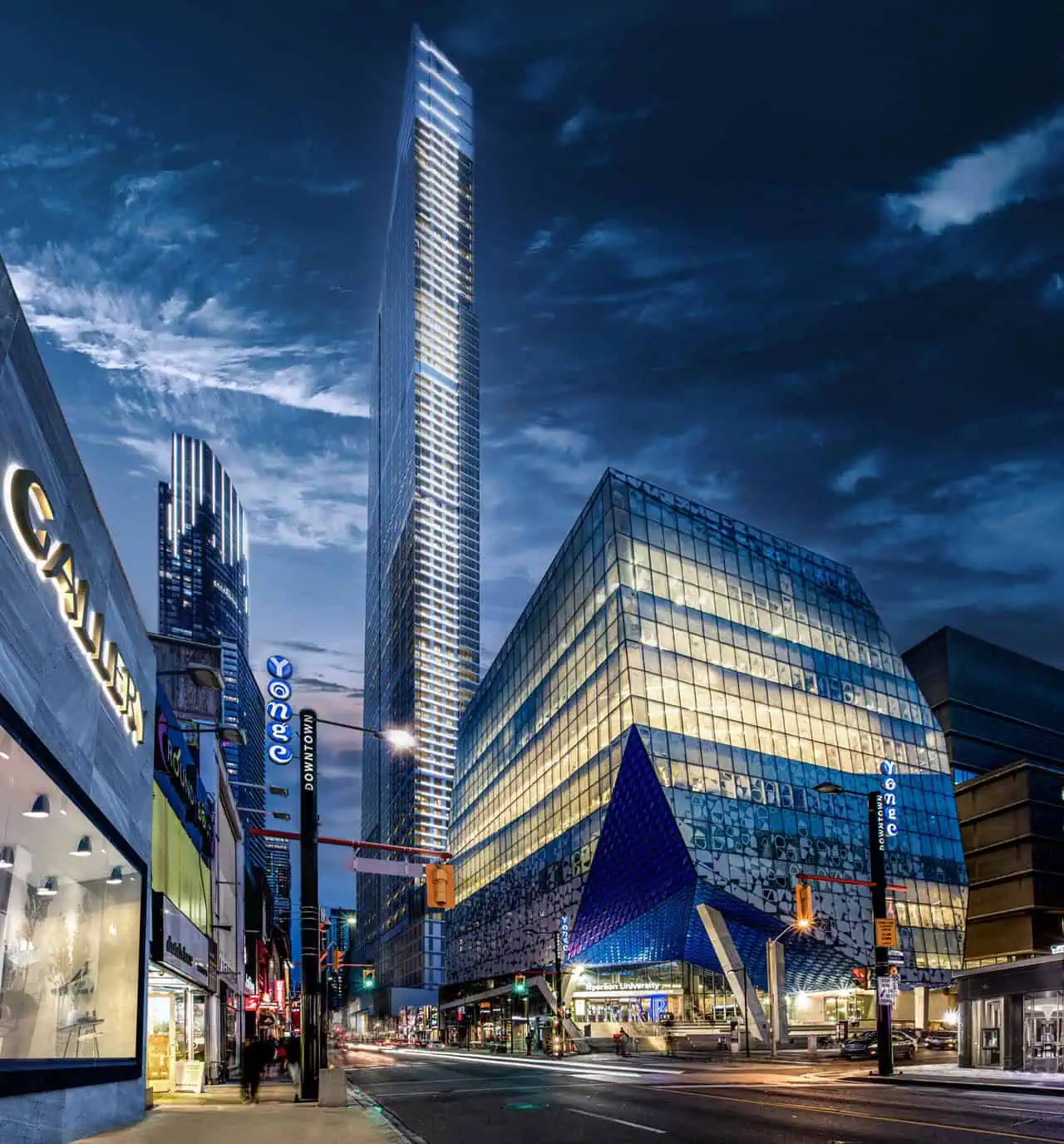
Engineering a Supertall: A Feat Few Cities Achieve
Building towers of this magnitude is far more complex than simply reaching a height threshold. It requires advanced engineering, long-term planning, significant capital investment, and the coordination of highly specialized teams working in sequence over many years. From deep foundations and wind-tunnel testing to high-capacity elevators, vibration control, and structural innovation, every component of a supertall is engineered to push the boundaries of what is possible in Canada’s climate and urban environment. The successful rise of these buildings demonstrates not only technical capability, but also a strong belief in Toronto’s long-term future.
Toronto’s Moment on the Global Stage
Toronto has already gained international attention for leading North America in active crane counts for many consecutive years. But crane activity alone does not define a world city — the construction of supertalls does. Around the world, only a small number of cities pursue buildings that reach the supertall threshold. With its first three now rising, Toronto is demonstrating a new scale of architectural and urban ambition. These towers will undoubtedly reshape the skyline, but more importantly, they will elevate Toronto’s architectural identity on the world stage.
The rise of Canada’s first supertalls marks a profound shift: Toronto is not just growing — it is ascending.