

What are the safest women’s multivitamins available with the lowest amount of toxic contaminants like pesticides, heavy metals, PFAS “forever chemicals,” and phthalates? We asked our audience what women’s multivitamins they were taking and then sent their top ten suggestions off to different EPA-certified laboratories to check. These results will help women make educated decisions on what brands to purchase. You’ve trusted Mamavation to bring you consumer studies like safest cooking oils tested for phthalates, safest water filters to filter PFAS, and safest children’s multivitamins tested for pesticides, heavy metals, phthalates, & PFAS “forever chemicals”, now join us for a consumer study testing women’s multivitamins for pesticides, PFAS “forever chemicals,” phthalates, & heavy metals.
Disclosure: This consumer study is released in partnership with Environmental Health News. Scientific reviews were performed by (1) Terrence Collins, Teresa Heinz Professor of Green Chemistry & Director of the Institute for Green Sciences at Carnegie Mellon University. Donations were provided by Environmental Health News and Mamavation community members. Note that Mamavation has only “spot-checked” the industry and thus we cannot make predictions about brands and products that we have not tested. Products and manufacturing aides can change without notice so buyer beware. This post contains affiliate links, with most to Amazon, which means Mamavation will receive a portion of those sales and we will use that to pay ourselves back for the testing. You can also give a tax-deductible donation to our consumer studies here through Environmental Health Sciences. Thank you! Copyright © 2026 Mamavation — All Rights Reserved
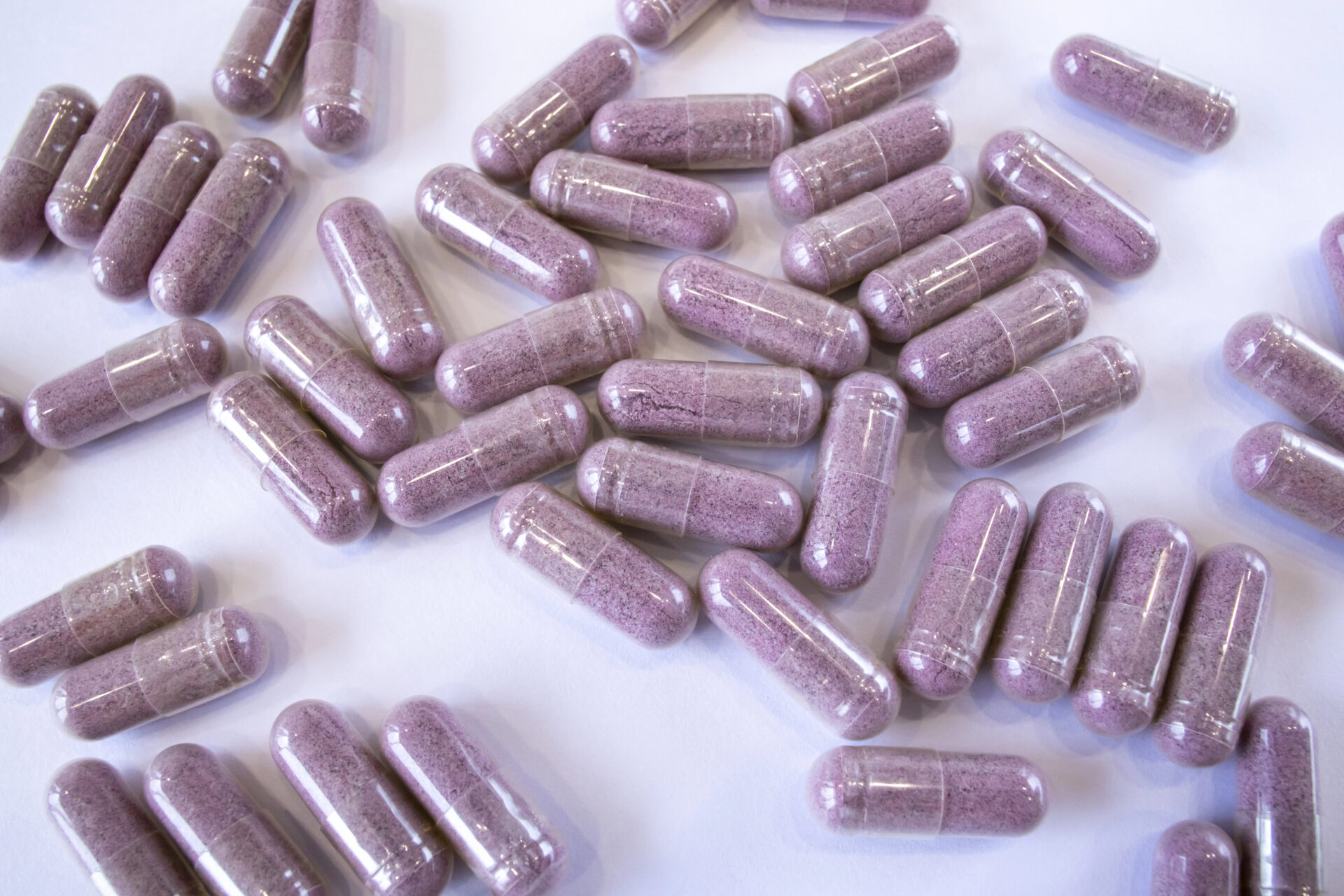
Mamavation’s EPA-Certified Laboratory Finds Heavy Metals, PFAS, Pesticides, & Phthalates in Popular Women’s Multivitamins
Mamavation sent ten popular women’s multivitamins to two EPA-certified laboratories testing for PFAS analytes, and other chemicals of concern, including PFOA/PFOS, phthalates, heavy metals, glyphosate, and 500+ additional pesticides. The contamination results were surprising considering how expensive most of these products were. Here’s the outcome of contaminants that were found according to our labs:
40% of women’s multivitamins contained specific PFAS chemicals. That’s 4 out of 10 products.100% of women’s multivitamins contained ortho-phthalates. That’s 10 out of 10 products.None of the women’s multivitamins had levels of heavy metals (lead, arsenic, cadmium & mercury) that would require a Prop. 65 warning in California. All 10 products had lower levels of heavy metals. However, no product had zero heavy metals.None of the women’s multivitamins we tested had detectable levels of glyphosate at the lowest standardized level.30% of the women’s multivitamins we tested had other detectable pesticides present at the lowest standardized level. That’s 3 out of 10 products.One USDA Organic brand tested positive for several detectable pesticides.
Terrence Collins, Teresa Heinz Professor of Green Chemistry & Director of the Institute for Green Sciences at Carnegie Mellon University had this to say after his scientific review:
Women’s and children’s multivitamins are purchased with hope, care, and trust. Women choose these products to support their own health and vitality. And many do so with an eye toward the health of the children they hope to have or already care for. These choices are often made thoughtfully and repeatedly, over months or years, grounded in the belief that taking a supplement is an act of protection and responsibility.
Because of that trust, the expectation that these products be free from well-recognized toxic contaminants should be absolute. This should be the bedrock of the supplement industry; non-negotiable, foundational, and assumed.
Mamavation’s findings suggest that this bedrock is not as solid as it must be. That is not merely disappointing; it is deeply concerning. Women should never be put in the position of wondering whether products marketed to support health, today or in the future, might quietly undermine it.
This moment calls for leadership and care from supplement companies. Trust cannot be built or sustained through marketing language. It must be earned through rigorous sourcing, meaningful purification, and transparent, routine chemical testing. The responsibility is real, and so is the opportunity: to honor women’s trust by ensuring that products intended to support health across the lifespan do exactly that, to the best of our honest understanding, without hidden risks.
Contaminants Included in Mamavation’s EPA Certified Laboratory Testing
Mamavation sent ten women’s multivitamins to two different EPA-certified laboratories looking for specific problematic contaminants that would not be listed on an ingredient panel. These ingredients are never found on an ingredient label because they are not considered “intentionally added” and would instead be considered more of a contaminant from manufacturing, transportation, storage, and/or agricultural practices. However, just because these contaminants are not “intentionally added” doesn’t mean they won’t impact your health over time and usage. With regular, long-term use, even low-level contaminants can matter for health. That’s why independent testing and transparent sourcing practices are important for both consumers and the companies they trust.
Our labs tested for the following contaminants and found some of them present in women’s multivitamins we tested to varying degrees:
40 specific PFAS “forever” chemicalsGlyphosate500+ additional PesticidesPhthalatesLead — heavy metalArsenic — metaloidCadmium — heavy metalMercury — heavy metal
PFAS “Forever Chemical” Analytes Tested, Including PFOA & PFOS
PFAS “forever chemicals” are per- and polyfluoroalkyl substances used as stain-resistant, water-resistant, & oil-resistant chemicals in commerce. They have been used for decades in consumer products, manufacturing, and building materials. Here are some of the health effects associated with different PFAS “forever chemicals:”
It’s also very clear based on biomonitoring evidence from the Center for Disease Control (CDC) that PFAS are in virtually all Americans. Therefore, these exposures can harm most Americans.
For this investigation, we elected to test for forty specific PFAS analytes listed below using EPA method 1633:
Perfluorobutanoic acid (PFBA)Perfluoropentanoic acid (PFPeA)Perfluorohexanoic acid (PFHxA)Perfluoroheptanoic acid (PFHpA)Perfluorooctanoic acid (PFOA)Perfluorononanoic acid (PFNA)Perfluorodecanoic acid (PFDA)Perfluoroundecanoic acid (PFUnA)Perfluorododecanoic acid (PFDoA)Perfluorotridecanoic acid (PFTriA)Perfluorotetradecanoic acid (PFTeA)Perfluorobutanesulfonic acid (PFBS)Perfluoropentanesulfonic acid (PFPeS)Perfluorohexanesulfonic acid (PFHxS)Perfluoroheptanesulfonic Acid (PFHpS)Perfluorooctanesulfonic acid (PFOS)Perfluorononanesulfonic acid (PFNS)Perfluorodecanesulfonic acid (PFDS)Perfluorododecanesulfonic acid (PFDoS)Perfluorooctanesulfonamide (FOSA)NMeFOSAANEtFOSAA4:2 FTS6:2 FTS8:2 FTSNEtFOSANMeFOSANMeFOSENEtFOSE9Cl-PF3ONSHFPO-DA (GenX)11Cl-PF3OUdSADONA3:3 FTCA5:3 FTCA7:3 FTCANFDHAPFMBAPFMPAPFEESA
Glyphosate — Testing Details
Glyphosate [N-(phosphonomethyl) glycine] is the active ingredient in glyphosate-based herbicides (GBH) and is the most popular herbicide in the world. Its environmental presence increased sharply after the introduction of “Roundup Ready” crops in 1996, which allowed glyphosate to be sprayed onto crops such as soy, corn, and cotton without killing them. Beyond agriculture, glyphosate is extensively used in landscaping, roadside maintenance, golf courses, and vegetation control in fire-prone areas.
Glyphosate was originally patented as a chelator and an antibiotic, which means it binds minerals and interferes with microbial systems. These properties have fueled concern that long-term exposure may disrupt nutrient absorption, alter the gut microbiota, and increase antibiotic resistance.
The World Health Organization (WHO) has classified glyphosate as a probable carcinogen, and California lists it under Proposition 65 for cancer and reproductive harm.
Because glyphosate is not an intentionally added ingredient, it does not appear on supplement labels. However, its absence from ingredient panels does not guarantee absence from the product itself. Contamination can occur through agricultural practices, raw material sourcing, manufacturing, transportation, or storage—making independent testing a critical safeguard.
To evaluate potential exposure, Mamavation sent ten women’s multivitamins to an EPA-certified laboratory for testing. Samples were analyzed for glyphosate, glufosinate, and AMPA using liquid chromatography–mass spectrometry (LC-MS/MS) with a detection limit of 10 parts per billion (ppb), which is the lowest level routinely achievable through standardized commercial testing. While some academic laboratories may reach lower limits, those methods are not widely available or standardized for consumer product screening.
500+ Additional Pesticide Laboratory Tests for Children’s Multivitamins — Testing Details
Ten women’s multivitamins were sent to our EPA-certified lab and analyzed using two different methods, which totaled testing for 587 pesticides down to the lowest standardized level, which was mostly 10 ppb. However, there are a few chemicals where the detection limit was between 18 and 25 ppb. Our laboratory did not find any traces of pesticides at any of these detection levels. The first method looked at the following pesticides:
2,4,6-Trichloroanisole2,4,6-Trichlorophenol2-phenylphenol (SP)8-hydroxyquinoline (SP)AcetochlorAcrinathrinAlachlorAldrinAlpha EndosulfanAlpha-HCHAmetrynAnthraquinoneAtrazineBeflubutamidBenalaxylBenfluralinBeta EndosulfanBeta-HCHBifenazate-Bifenazate DiazeneBifenoxBifenthrinBiphenylBitertanolBromophos-ethylBromophos-methylBromopropylateBupirimateCaptanCaptan (Sum)CarbophenothionChinomethionatChlordane (Sum)ChlorfenapyrChlorfensonChlorfenvinphosChlormephosChlorobenzilate+Chloro propylateChlorothalonilChlorotoluronChlorprophamChlorpyrifosChlorpyrifos-methylChlorthal-dimethylChlorthionCinidon-ethylCis-ChlordaneCyfluthrinCyproconazoleCyprodinilDDD-pp+DDT-0pDDT (Sum)DEETdelta-HCHDeltamethrinDesethyl atrazineDiafenthiuronDiazinonDichlobenilDichlofenthionDiclobutrazolDicloranDicofol (Sum)Dicofol 0,pDicofol p,pDicrotophosDieldrinDieldrin (Sum)Dicofol o,pDicofol p,pDicrotophosDieldrinDieldrin (Sum)DifenoconazoleDiflufenicanDimefoxDimoxystrobinDiniconazole DinobutonDiphenylamineDisulfoton (SP)Disulfoton (Sum)Disulfoton SulfoneDisulfoton SulfoxideDitalimfosEndosulfan (Sum)Endosulfan-SulphateEndrinEPNEpsilon-HCHEPTCEthalfuralinEthionEthofumesate (SP)EthoprophosEtridiazoleEtrimfosFenarimolFenazaquinFenchlorphos (SP)Fenchlorphos (Sum)Fenchlorphos OxonFenitrothionFenpropathrinFensonFenthion (SP)Fenthion OxonFenvalerateFlucythrinateFlumetralinFluopicolideFluopyramFluotrimazoleFlutamoneFluvalinateFolpetFolpet (Sum)FonofosFuralaxylHeptachlor (SP)Heptachlor (Sum)Heptachlor Epoxide AHeptachlor Epoxide BHeptenophosHexachlorobenzeneHexaclorobutadieneHexacanazoleIodofenphosIprobenfosIprodioneIprovalicarbIsazofosIsofenphosIsophenfos-methylKresoxim-methylLambda-CyhalothrinLindaneMalaoxonMalathion (SP)Mefenpyr DiethylMepronilMetalaxyl-M (Mefenoxam)MethacrifosMethidathionMethacrifosMethidathionMethoxychlorMetribuzinMevinphosMirexMolinateMyclobutanilNaledNaled (Sum)NapropamideNitrofenNitrothal IsopropylNuarimolo,p-DDDo,p-DDEOfuraceOxadixylOxychlordanOxyfluorfenp,p-DDTp,p-DDEParaoxon MethylParaoxon-ethylParathion Methyl (SP)Parathion Methyl (Sum)Parathion-ethylParathion-ethyl (Sum)PenconazolePendimethalinPentachloroanilinePentachloroanisolePentachlorobenzenePentachlorobenzonitrilePentachlorophenolPermethrinPhenthoatePhoratePhosalonePhthalimidePiperonyl butoxidePirimiphos-ethylPirimiphos-methylProcymidoneProfenofosProfluralinPrometrynPropazinePropetamphosPropyzamideProthiofosPyrazophosPyridabenPyridaphenthionPyrifenoxPyrimethanilPyriproxyfenQuinalphosQuintozeneQuintozene (Sum)SilthiofamSimazineTebuconazoleTebufenpyradTecnazeneTefluthrinTerbacilTerbumetonTerbuthylazineTerbuthylazine DesethylTerbutrynTetrachlorvinphosTetracanazoleTetradifonTetrahydrophthalimide (THPI)TetramethrinTetrasulThiometonTolclofos-methylTrans-ChlordaneTransfluthrinTriadimefonTriadimenolTri-allateTriamiphosTrifluralinUniconazoleVinclozolinZeta-cypermethrin
The second group was analyzed using the LC-MS/MS technique for 360 pesticides and included the following:
3-OH carbofuran (SQ)AbamectinAcephateAcequinocylAcetamipridAcibenzolar-S-methyl (SP)Alcarb (SP)Aldicarb (Sum)Aldicarb SulfoneAldicarb SulfoxideAmetroctradinAminocarbAmitraz (SP)Atrizine DesisopropylAzaconazoleAzadirachtinAzamethiphosAzimsulfuronAzinphos-ethylAzinphos-methylAzocyclotin and Cyhexatin (SQ)AzoxystrobinBen-Carb-TPN (Sum)BendiocarbBentazone (SP)Bentazones-methylBenthiavalicarbBioallethrinBixafenBoscalidBromacilBromoxynil (SP)BromuconazoleBTS 44595BTS 44596BuprofezinButachlorButocarboximButoxicarboxim SulfoxideButralinButuronCadusafosCarbarylCarbendazim and BenomylCarbetamideCarboxin (SP)Carfentazone-ethyl (SP)ChloratraniliprolechlorbromuronChlorfluazuronChloridazonChloroxuronChlorsulfuronChlorthiophosClethodim (SP)Clethodim SulfoxideClofentezineClomazoneClopyralidClothianidineCoumaphosCrimidineCyanazineCyantraniliproleCyazofamidCyclanilideCycloateCycloxydim (SP)CyenopyrafenCyflufenamidCyflumetofenCyhalofop-butylCymoxanilCyromazineDemeton SDemeton-S-methylDemeton-S-MethylsulfoneDemeton-S-sulfoxideDesmediphamDesmetrynDialifosDichiofluanidDichlormidDichloropropDichlorvosDiclofop (SP/SQ)Diclofop (Sum)Diclofo-methyl (SP/SQ)DiethofencarbDiflubenzuronDimefuronDimethachlorDimethenamid-PDimethoateDimethoate (Sum)DimethomorphDimethylaminosulfotoluidide (DMST)DinotefuranDiuronDNOCDodemorphDodineEdifenphosEmamectin B1aEpoxiconazoleEthaboxamEthiofencarbEthiofencarb sulfoneEthiofencarb sulfoxideEthiproleEthirimolEthoxyquin (SQ)EtofenproxEtoxazoleFamoxadoneFenamidoneFenamiphos (SP)Fenamiphos (Sum)Fenamiphos SulphoneFenamiphos SulphoxideFebnuconazoleFenbutatin oxideFenhexamidFenobucarbFenoxycarbFenpiclonilFenpropidin (SP)FenpropimorphFenpyrazamineFenpyroximateFensulfothionFensulfothion OxonFensulfothion Oxon SulfoneFensulfothion SulfoneFenthion (Sum)Fenthion Oxon SulfoneFenthion Oxon SulfoxideFentin (SP/SQ)FenuronFipronil (SP)Fipronil (Sum)Fipronil SulfideFipronil SulfoneFlampropFlazasulfuronFlonicamid (SP)Flonicamid (Sum)FlorasulamFluazifop-methyl (SP)Fluazifop-P (SP)Fluazifop-P-butyl (SP)FluazinamFlubendiamideFludioxonilFlufenacetFlufenacet (Sum)Flufenacet ESAFlufenacet OAFlufenoxuronFlumioxazinFluometuronFluoxastrobinFlupyradifuroneFluquinconazoleFluoxypyr (SP)Fluroxypyr-meptylFluroxypyr-meptylFlusilazoleFlutolanilFlutriafolFluxapyroxadForamsulfuronForchlorfenuronFormetanate (SP)FormothionFosthiazateFuberidazoleHalosulfuron methylHaloxyfop (Sum)Haloxyfop-2-ethoxyethylHaloxyfop-methyl (SP)Haloxyfop-R (SP)HexaflumuronHexazinoneHexythiazoxImazalilImazapicImazappicImazapyrImidaclopridIndaziflamIndoxacarbIodosulfuron-methyl (SP)Ioxynil (SP)IsocarbophosIsoprocarbIsoprothiolaneIsoproturonIsopyrazamIsoxabenIsoxathionIvermectinLenacilLinuronLufenuronMandipropamidMatrineMCPA (SP)MecarbamMepanipyrimMeptyldinocapMesosulfuron-methylMesotrioneMetaflumizoneMetamitronMetazachlor (SP)Methiocarb (Sum)MethoprotyneMethoxyfenozideMetobromuronMetolachlor and S-MetolachlorMetolcarbMetoxuronMetrafenoneMetsulfuron-methylMilbemectin SQ (Sum)Milbemycin A3 (SQ)Milbemycin A4 (SQ)MonocrotophosMonolinuronmonuronNeburonNicosulfuronNitenpyramNorflurazonNovaluronOmethoateOxadiargylOxydiazonOxamylOxasulfuronOxathiapiprolinOxycarboxinPaclobutrazolPencycuronPenthiopyradPhenmediphamPhorate (Sum)Phorate OxonPhorate Oxon SulfonePhorate Oxon SulfoxidePhorate SulfonePhorate SulfoxidePhosmet (SP)Phosmet (Sum)Phosmet oxonPhosphamidonPhoximPicolinafenPicoxystrobinPinoxadenPirimicarbPirimicarb DesmethylPirimicarb Desmethyl FormamideProchloraz (SP)Prochloraz (Sum)PromecarbPropachlorPropamocarb (SP)PropanilPropaquizafobPropargiteProphamPropiconazolePropoxurProquinazidProsulfocarbProsulfuronProthiocaonazolePydiflumetofenPymetrozinePyracarbolidPyraclostrobinPyraflufenPydiflumetofenPymetrozinePyracarbolidPyraclostrobinPyraflufenPyraflufen-ethyl (SP)Pyraflufen-ethyl (Sum)PyridalylPyridate (SP)QuincloracQuinoxyfenQuizalofop-ethyl (SP)RimsulfuronRotenoneSaflufenacil (SP)SebuthylazineSethoxydimSpinetoramSpinosadSpirodiclofenSpiromesifenSpirotetramat (SP)Spirotetramat (Sum)Spirotetramatenol-glucosideSpirotetramat-enolSpirotetramat-ketohydroxySpirotetramat-monohydroxySpiroxamineSulcotrioneSulfosulfuronSulfotepSulfoxaflorTebufenozideTeflubenzuronTepraloxydim (SP)TerbufosTerbufos (Sum)Terbufos SulfoneTerbufos SulfoxideTFNATFNGThiabendazoleThiaclopridThiamethoxamThiamethoxam (Sum)ThidiazuronThifensulfuron-methylThiobencarbThiocyclamThiodicarbThiofanoxThiofanox SulfoneThiofanox SulfoxideThiophanate-methylTolfenpyradTolylfluanid (SP)Tolyfluanid (Sum)TriasulfuronTriazophosTriazoxideTrichlorfonTricresyl phosphateTricyclazoleTridemorphTrifloxystrobinTriflumizole (SP)Triflumizole (Sum)Triflumizole FM-6-1TriflumuronTriforine (SQ)TriticonazoleVamidothionZoxamide
Phthalates — Testing Details
Phthalates are linked to a range of adverse health effects in numerous studies involving both animals and humans. They are especially concerning because phthalates are associated with disruption of the endocrine hormone system. Hormones act at extremely low concentrations and play essential roles in development–determining how cells, tissues, and organs form–as well as in metabolism, reproduction, and immune function; even small disruptions can therefore have outsized biological consequences. Epidemiological studies have shown that phthalate exposure can alter hormone levels in ways that interfere with these critical processes. Several health outcomes associated with phthalate exposure are summarized below.
Mamavation’s EPA-certified lab tested for the following phthalates. This is not a complete list of all the phthalates that are allowed to be present as an indirect food additive according to the FDA, however, this list goes above and beyond what is already restricted by the European Union or the State of California.
Diethyl phthalate (DEP)Di-n-propyl phthalate (DPP)Diisobutyl phthalate (DIBP)Dibutyl phthalate (DBP)Dihexyl phthalate (DnHP)Benzyl butyl phthalate (BBP)Dicyclohexyl phthalate (DCHP)Diisononyl phthalate (DINP)Di-n-octyl phthalate (DnOP)Diisodecyl phthalate (DIDP)bis(2-Ethylhexyl)phthalate (DEHP)Dimethyl phthalate (DMP)Bis(2-propylheptyl) Phthalate (DPHP)Didecyl phthalate (DDP)

Heavy Metals: Lead, Cadmium, Mercury & Arsenic — Testing Details
Our EPA-certified laboratory tested each women’s multivitamins for the following metals:
lead,arsenic,cadmium,mercury
Mamavation then adjusted the lab results to align with California’s Proposition 65 by converting them into micrograms per day (ug/day) based on typical serving sizes. California uses some of the most health-protective exposure limits in the country. Instead of banning products outright, Proposition 65 requires companies to warn consumers when exposure to certain harmful chemicals exceeds established safety thresholds.
Proposition 65 has set “safe harbor” levels for several heavy metals tested in this study, including arsenic, cadmium, lead, and mercury. When exposures go above these levels, companies selling products in California must provide a warning label to inform consumers of potential risks related to cancer, birth defects, or other reproductive harm.
This approach is designed to put information directly in consumers’ hands, enabling informed choices about what they use and encouraging companies to reduce harmful contaminants whenever possible.
Here are the No Significant Risk Levels (NSRL) and the Maximum Allowable Dose Levels (MADL) established by the State of California for the heavy metals we tested:
Arsenic: 0.06 ug/day (inhalation), 10 ug/day (except inhalation)Cadmium: 0.05 ug/day (inhalation), 4.1 ug/day (oral)Lead: 0.5 ug/day level for reproductive toxicity, 15 ug/day (oral) for carcinogensMercury: no established levels in California, so the Federal maximum contaminant level for mercury would be followed instead.

Mamavation’s Raw Data From Our EPA-Certified Laboratory Ranked
Mamavation sent two sets of nine children’s multivitamins to different EPA-certified laboratories looking for traces of contaminants:
500+ pesticides (which is more comprehensive than other testing we’ve seen)Glyphosate40 PFAS “forever chemical” analytes like PFOA & PFOS. (This is different from our other studies where we measured total organic fluorine.)Heavy metals (lead, cadmium, mercury, & arsenic)Phthalates
If you would like to donate to our efforts, you can do so by giving a tax-deductible donation here through Environmental Health Sciences. You can also support our efforts by shopping our affiliate links. Please note that links below are affiliate in nature and any purchases will pay us back for the testing and allow us to do more testing in the future.
Product Brands We Tested
To help our community make safer choices, Mamavation sent multiple popular women’s multivitamin brands to EPA-certified laboratories for contaminant testing. We also included several additional products selected by our community to give consumers a broader picture of what families are already purchasing. All products were evaluated for pesticides, PFAS, glyphosate, heavy metals, and phthalates.
Below is the complete list of women’s multivitamin brands included in our investigation.
Women’s Multivitamins Tested by Mamavation
Ancient Nutrition Women’s Fermented MultiGarden of Life Women’s Once Daily Whole Food MultivitaminsLife Extension Two-Per-Day MultivitaminMary Ruth’s Liquid Morning Multivitamin Raspberry FlavorMegaFood Women’s One Daily Multivitamin Dietary SupplementsNeeded Women’s Multi-Dietary SupplementNew Chapter One Daily Every Woman’s Multivitamin Formulated for AbsorptionPure Encapsulation O.N.E. Multivitamin Dietary SupplementsRitual Essential for Women MultivitaminSeeking Health Multivitamin One MF Methyl-Free
Want full access to the raw data, contaminant results, and our recommendations for the safest children’s multivitamins? Sign up to MAMAGATE and get Free Access below.
Not Our Favorite Women’s MultivitaminsBetter Women’s MultivitaminsBest Women’s Multivitamins
Subscribe to Mamagate content