
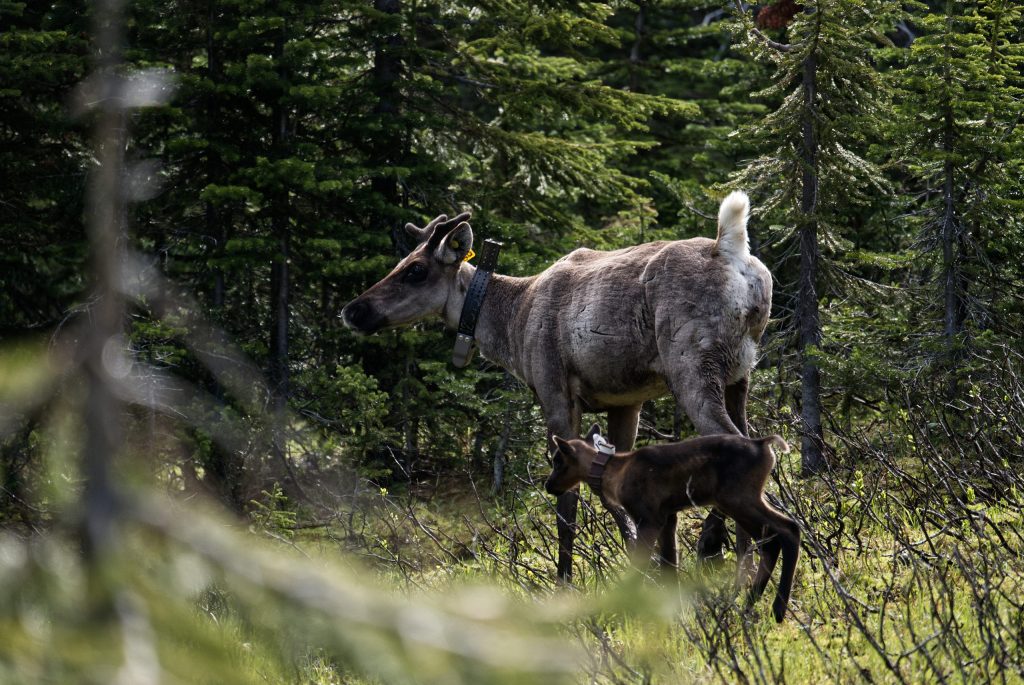
In 2014, the federal government promised to finish mapping the critical habitat that imperilled southern mountain caribou need to survive. It said it would be done by the end of that year.
Today, nine southern mountain caribou herds have been wiped out and Ottawa still hasn’t released completed critical habitat maps.
Tired of waiting, lawyers for three conservation groups — Wildsight, Wilderness Committee and Stand.earth — filed a lawsuit Feb. 9 in Federal Court over what they describe as an “unreasonable” delay in completing critical habitat mapping. The groups are represented by the environmental law charity Ecojustice.
The suit asks the court to declare the delay unlawful — a ruling that could force the federal government to protect not only caribou but other at-risk species as well, according to the applicants.
“It should not have come to this,” Tegan Hansen, a senior forest campaigner with Stand.earth, said in an interview.
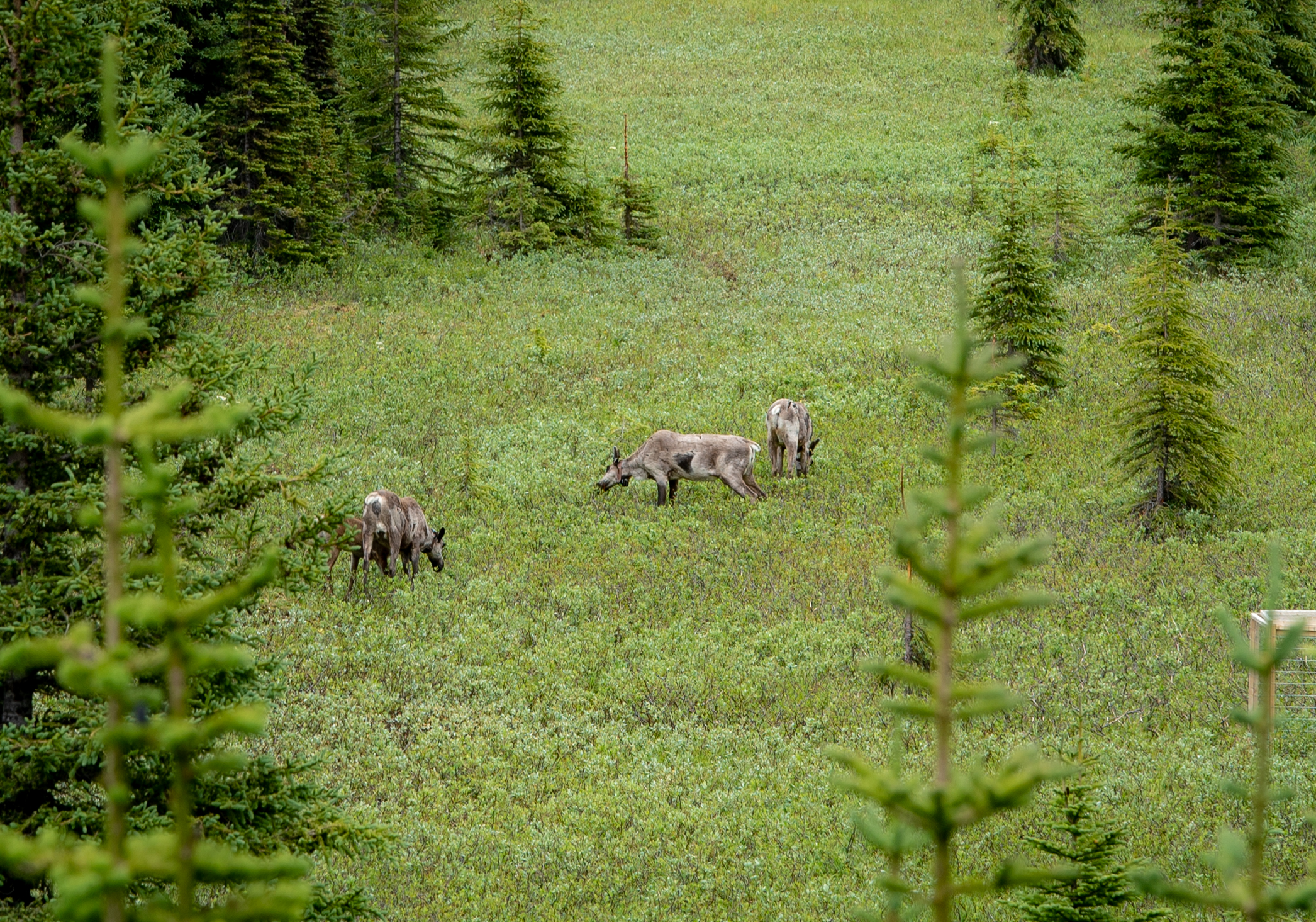 Most southern mountain caribou herds continue to decline and, although a few herds are increasing as a result of intensive management efforts, they’re a long way from self-sustaining, according to biologist Rob Serrouya. Photo: Jayce Hawkins / The Narwhal
Protecting caribou habitat is crucial to their survival, Hansen said. Although critical habitat maps do not themselves offer protection, they are a necessary first step toward actual habitat conservation, she explained.
That’s “why it’s so egregious that this delay has lasted so long,” she said.
Southern mountain caribou — a population of woodland caribou encompassing three regional subgroups found in southeastern and northcentral B.C. — were listed as threatened under the Species At Risk Act in 2003. In the wake of a previous lawsuit by conservation groups, the federal government released an overdue recovery strategy in 2014 aiming to achieve self-sustaining herds. That same year, the Committee on the Status of Endangered Wildlife in Canada, which makes recommendations to the federal government, determined the southern and central groups of herds were so imperilled they should be listed as endangered.
Conservation groups warn Ottawa can’t meet its stated goal of self-sustaining herds without completed critical habitat maps to guide effective protections.
“At this point, extinction is not accidental; it is a political choice, and this lawsuit is our refusal to accept it,” Lucero González, conservation and policy campaigner at Wilderness Committee, one of the conservation groups behind the lawsuit, said in a media statement.
Federal Minister of the Environment, Climate Change and Nature Julie Dabrusin did not immediately respond to The Narwhal’s request for comment on the lawsuit.
‘Most herds continue to decline’: biologist
Southern mountain caribou are especially vulnerable to habitat loss and have suffered dramatic declines since colonization.
“Overall, most of the herds continue to decline,” biologist Rob Serrouya, co-director of the Wildlife Science Centre at the research organization Biodiversity Pathways, said in an interview. “They’re a long way from being self-sustaining.”
There are some herds that are increasing, he said, but only because of intensive recovery efforts. These include wolf culls, supplemental feeding and maternity pens to help protect pregnant cows and calves from predators until they’re strong enough to have a fighting chance of surviving on their own.
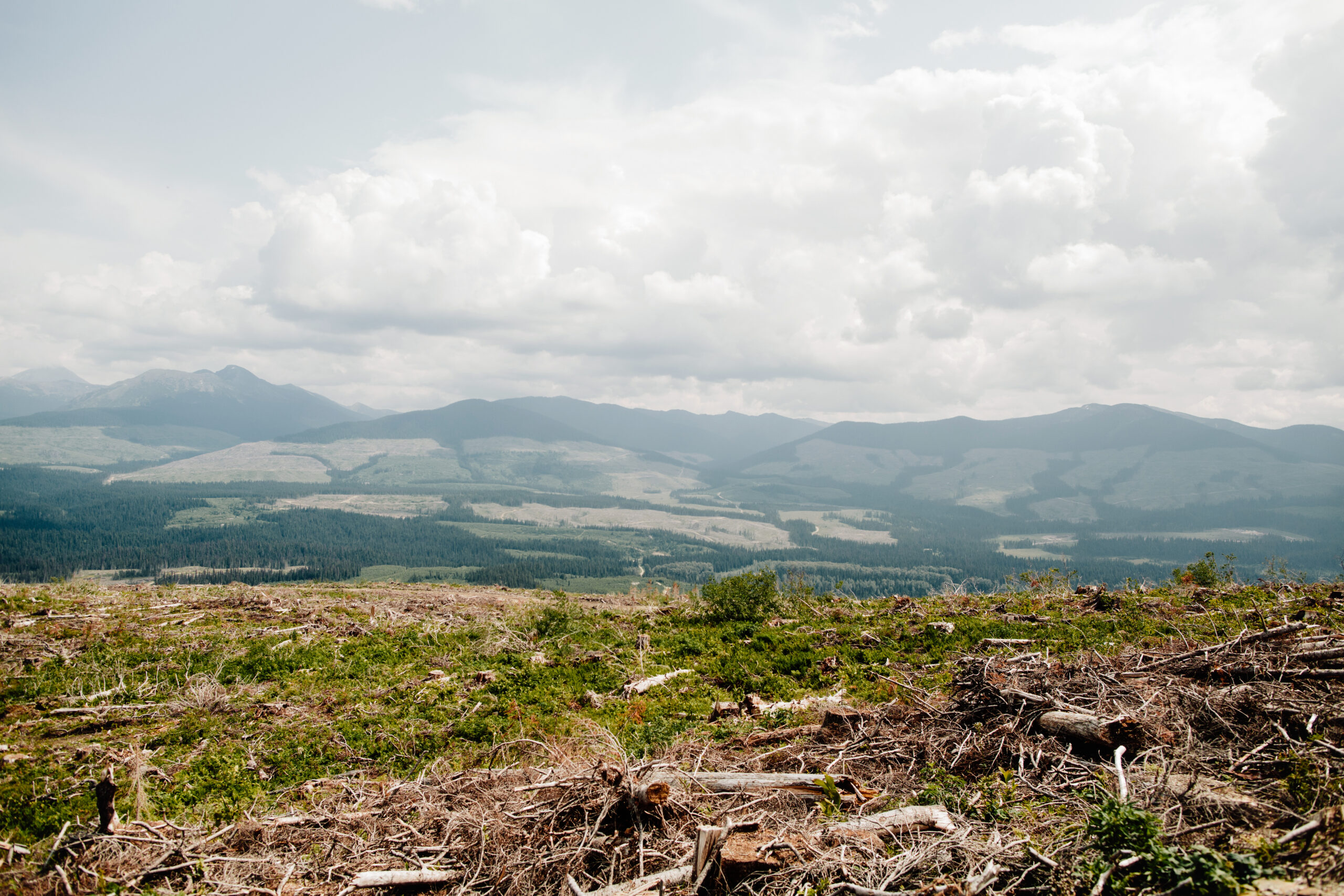 Habitat loss from extensive logging is a major driver of southern mountain caribou declines. Photo: Taylor Roades / The Narwhal
For most of the southern mountain caribou population, logging and associated road building are the main threats to habitat, Serrouya explained. Caribou evolved to rely on old forests, but the shrubs and herbaceous plants that flourish after logging offer more attractive habitat for moose and deer. As those populations grow, they attract wolves and cougars, increasing the risk that struggling caribou herds will encounter predators.
“If we want there to be light at the end of the tunnel, the goal would be to have habitat improving at a faster rate than it’s being degraded,” Serrouya said. Critical habitat mapping is needed to help ensure that happens, he said.
He warned, however, that even if all critical habitat for southern mountain caribou was protected immediately, intensive management would still be needed for some time until all the habitat that is already degraded recovers sufficiently to support caribou.
The notice of application for judicial review Ecojustice filed on Monday asks the Federal Court to rule the environment minister’s delay in releasing an amended recovery strategy or action plan that fully identifies critical habitat is unlawful or unreasonable.
The recovery strategy released in 2014 only identified a portion of southern mountain caribou critical habitat. In it, the government outlined a schedule of studies it needed to do to complete critical habitat mapping, and set 2014 as the deadline for those studies. According to the application, that served as the minister’s commitment to complete all critical habitat mapping for southern mountain caribou by the end of that year.
“Species aren’t going to survive and recover in the long run unless the federal government identifies the full critical habitat they need,” Sean Nixon, a staff lawyer with Ecojustice, told The Narwhal.
The minister’s duties to monitor and protect at-risk species’ critical habitat aren’t triggered until that habitat is identified in a recovery strategy, the application says. Meaning, any habitat vital to caribou survival and recovery that has not been identified in critical habitat mapping as part of a recovery strategy remains vulnerable to destruction.
“It ends up being a backdoor route to gut the duties and powers in the act,” Nixon said.
The delays in completing critical habitat mapping aren’t unique to southern mountain caribou. In 2025, the federal Commissioner of the Environment and Sustainable Development, an environmental watchdog, found critical habitat had only been fully identified in recovery strategies or action plans for 32 per cent of species at risk. And just more than half of the studies needed to finalize that mapping were either late or overdue.
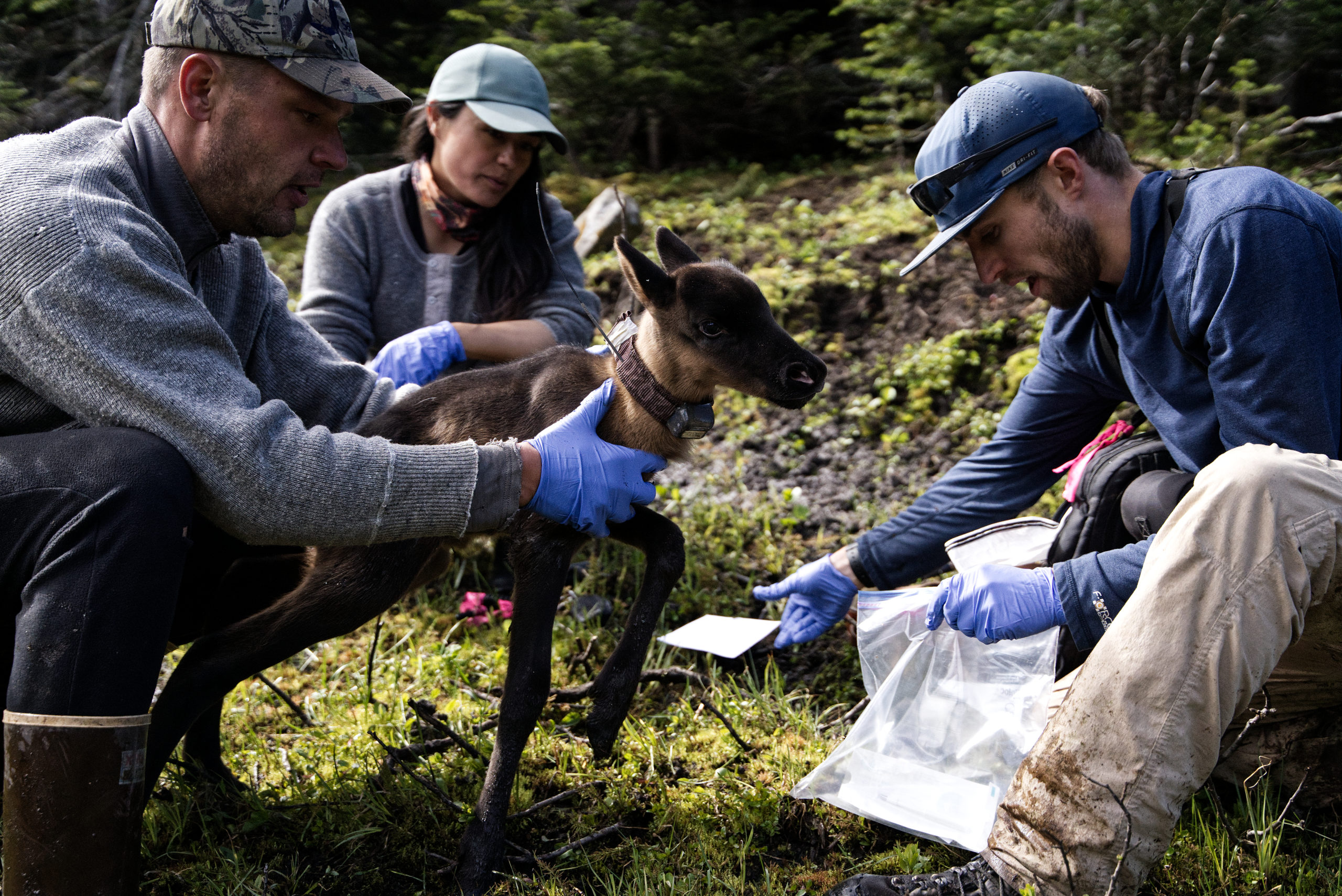 Maternity pens led by First Nations and other intensive management efforts to help bring declining caribou herds back from the brink have seen promising results. But achieving self-sustaining herds requires broader habitat recovery and protection. Photo: Ryan Dickie / The Narwhal
The federal government says it’s prioritizing southern mountain caribou recovery, Nixon noted. “To me, it bodes very poorly for all of Canada’s species at risk if a priority species takes more than two decades just for the federal government to complete initial steps under the act.”
“We don’t want to see these animals disappear,” Hansen said. There’s a moral obligation to prevent extinction, but the federal government also has a legal obligation, she said. The lawsuit is a way to hold Ottawa accountable after cooperative attempts to encourage action failed, according to the notice of application.
For Hansen, there’s a personal side to this fight. “I grew up in Nelson. I learned how to snowshoe tracking the South Selkirks mountain caribou herd,” she said. “And now that herd is gone.”
“There’s a lot of grief there.”
Updated Feb. 9, 2026, at 4:25 p.m. PT: This story was updated to correct the date of the report from the Commissioner of the Environment and Sustainable Development that looked at critical habitat for species at risk. It was published in 2025 not 2023 as previously stated.