
In 2023, public and private initiatives around the world channelled a combined US$220-billion toward biological conservation.
It sounds like a great win for nature – until one stacks it up against the US$7.3-trillion spent that same year on activities that directly harm global biodiversity, including US$2.4-trillion in government subsidies to industry.
The 33-to-1 imbalance and the question of what to do about it is the focus of an intergovernmental report relating business activity to biodiversity loss and recovery.
The report is the latest effort by IPBES, also known as the United Nations biodiversity panel, an independent body which plays a similar role marshalling expert knowledge related to biodiversity that the IPCC – the Intergovernmental Panel on Climate Change – does in the climate domain.
The Saya de Malha Bank is an underwater haven of biodiversity, desperately in need of regulation
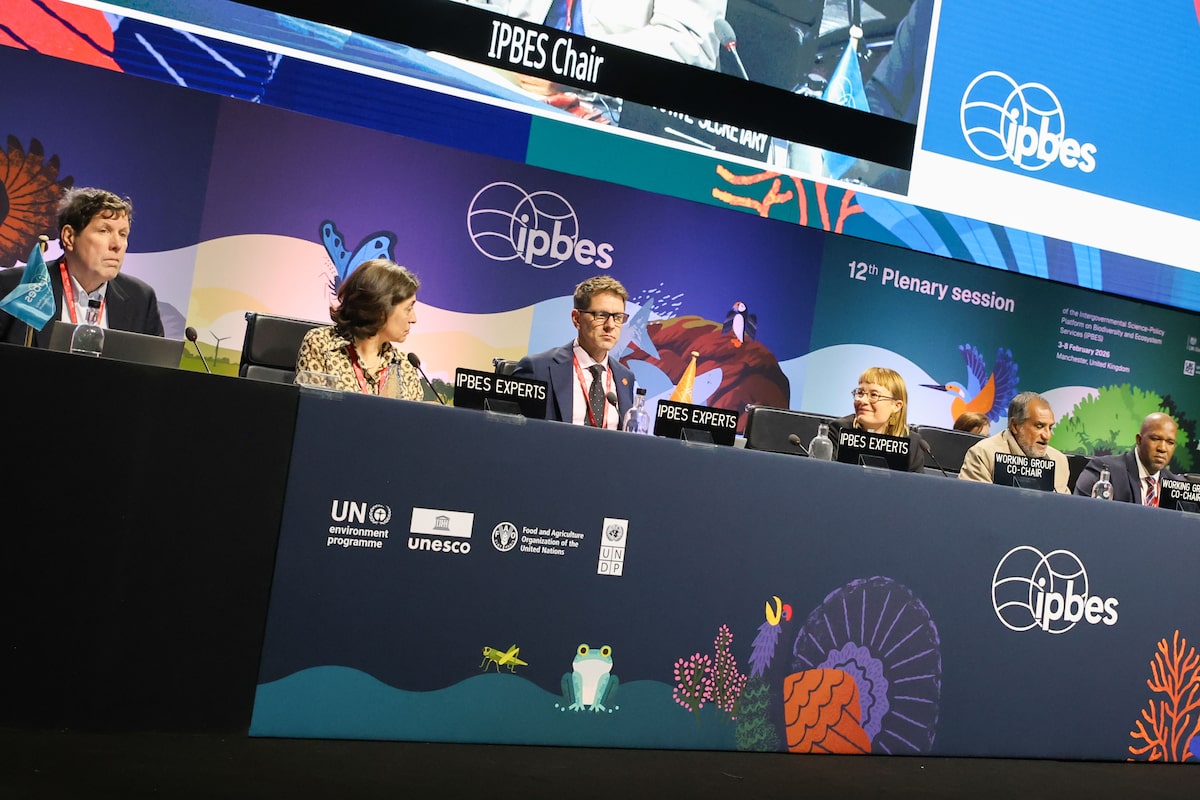
Experts behind the report laid out their findings at a news briefing on Monday after a week-long meeting of the organization in Manchester, Britain. They said their aim is to provide a road map that business leaders and policy-makers can use to instill sustainable practices throughout the economy and prevent the degradation of ecosystems that imperils everyone – including companies.
“The current economic system and financial system that we have is not set up to maintain or to have sustainability of biodiversity, which then also is leading to unsustainability of business itself,” said Stephen Polasky, a co-chair of the report and a professor of environmental economics at the University of Minnesota.
While it should come as no surprise that business activity can have an impact on ecosystems and that the loss of benefits that nature provides, including clean air and water, can be bad for business, the new report examines the connection in a comprehensive way, including legal, financial, cultural, technological and educational avenues for change.
As with all IPBES reports, the result is a consensus document with approval from each of the more than 140 member countries that make up the panel, including all the world’s leading economies but for one. The lone exception is the United States, after President Donald Trump signed an executive order last month withdrawing from IPBES, along with a slew of other international agencies.
The three co-chairs of a sweeping assessment on business and biodiversity, from far left: Stephen Polasky (USA), Ximena Rueda (Columbia) and Matt Jones (UK).Supplied
Dr. Polasky said recent political developments have heightened the challenge the world faces in dealing with a worsening global biodiversity crisis, but added that he was heartened by the view among participants at the meeting that a plan of action is needed.
“Everybody recognizes the urgency of this problem and that businesses have a huge role to play,” he said.
An executive summary of the report released on Monday highlights some of the obstacles that businesses face when seeking to improve their sustainability practices. Among them is the challenge of how to measure both impacts and dependencies on nature in order to understand the relative value of various actions as a return on investment.
This differs significantly from how business are taking on the climate crisis, where the effect of carbon emissions is relatively easy to understand and quantify, and can inform positive action.
Another key take-away is that businesses can achieve the greatest benefits for nature in an environment where governments, investors and other stakeholders are aligned on biodiversity objectives.
“I think they’ve done a good job of saying it’s actually about redesigning policies, financial systems and incentives so that protecting nature becomes an economic choice,” said Roopa Davé, partner and national leader for sustainability services at accounting organization KPMG Canada, who was not involved in producing the report.
Scrapping plans for Newfoundland conservation area is a blow to national goals, advocates say
She added that without such enabling policies, it becomes a heavy lift for a company to make a “nature positive” choice over a financially beneficial one.
The report’s authors note that the point is not for companies to behave more like environmental charities but for the system within which they operate to more coherently include nature’s economic value. Examples vary by sector, but could include measures such as preserving habitat for nature-based pest control, natural pollinators or for erosion control.
There are also ample ways for companies to help arrest biodiversity loss when they examine how they do business, whether it’s restructuring supply chains or managing investments.
“We do not need perfect information for action,” said Matt Jones, chief impact officer with the United Nations Environment Programme World Conservation Monitoring Centre and a report co-chair.
He added that a good way to start is to ask what a business spends most of its money on. If the answer is raw materials, start by considering the ecological impact of the most expensive input to the business. “If your staff cost is your biggest cost, think about pension arrangements, think about your banking arrangements.”
Ms. Davé said the report helps underscore that the world now has less runway to address the negative consequences of biodiversity loss than it did to integrate climate concerns into business decisions. And while immediate geopolitical concerns, including tariffs, may have pushed the environment off the front page, the challenge of achieving a sustainable global economy is as pressing as ever.
“I think it’s quite clear that Mother Nature is not going to kind of cut us a break because of tariffs,” she said.