
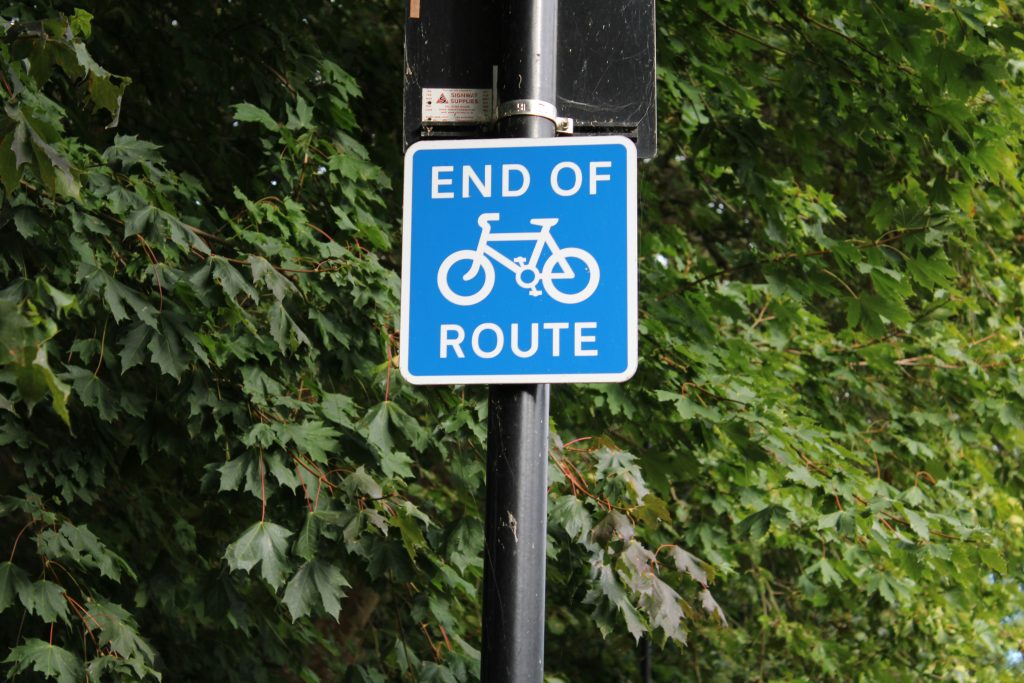
New research shows cycling plans continue to be sidelined by local councils across England, leading Paul’s Cycles to push for cycling to be prioritised in forthcoming active travel grant plans.
Local authorities have received over £600 million in condensed active travel grants and are now determining how to distribute the funding within their areas.
 Tom Thornley, Managing Director at Paul’s Cycles, comments: “Too often, cycling is added to development plans as a box-ticking exercise and removed later with little scrutiny.
“The government encourages active travel, but councils continue to remove the infrastructure needed to support it. Cutting cycling schemes might look like an easy saving on paper, but it creates higher costs elsewhere and further down the line. Even if you never plan to cycle, cycling infrastructure still benefits you.”
Previously scrapped and reduced plans across England
Cycling upgrades along Dereham Road in Norwich were suddenly scrapped with no consultation due to rising costs and limited funding, causing outrage from local councillors and members of the public.
A key planned cycling route in the West Midlands has experienced significant delays. Despite funding being allocated in 2019, councillors have called it a low priority and are said to be reviewing the “worth of cycle lanes”. More than 3,000 residents signed a petition backing the plans.
A protected cycle track was removed from plans for the Harrogate Station Gateway project in Yorkshire. Amid campaigns, councils have also refused to implement an ‘early release’ to protect cyclists from buses at a potentially dangerous junction.
Named a “massive policy failure”, initial plans for cycle safety improvements to a travel scheme in Bristol were sidelined to create bus lanes, despite warnings that the road is “cycle-hostile”.
The rankings
Paul’s Cycles’ analysis highlights the areas receiving the most funding per 1,000 residents, representing the greatest potential to support cycling:
Bournemouth, Christchurch and Poole Unitary Authority (£27,182)
Gloucestershire County Council (£26,839)
Cambridgeshire and Peterborough Combined Authority (£26,677)
With the exception of Gloucestershire, these areas experienced significant increases (per 1,000 residents) since the last funding rounds. Bournemouth, Christchurch and Poole Unitary Authority rose from 19th position (+£12,897) and Cambridgeshire and Peterborough Combined Authority moved up from 30th (+£16,392). Torbay Unitary Authority had the third largest increase, with +£12,577.
The five local areas that received the most funding between 2020 and 2025 have all seen substantial reductions. This includes the former top recipient, Liverpool City Region Combined Authority, which lost £52,944 per 1,000 people. The authorities now set to receive the lowest funding per 1,000 residents are Central Bedfordshire Unitary Authority (£5,777), Luton Unitary Authority (£5,806) and West Berkshire Unitary Authority (£5,820).
At the top of the rankings, Bournemouth, Christchurch and Poole Unitary Authority states that its efforts to deliver high-quality active travel improvements led to this funding increase. However, a previous funding cut led to cycle and bus lanes being removed from plans covering several roads in the area, significantly reducing the promised 78 kilometres of walking and cycling improvements.
Why cycling infrastructure should be prioritised
Tom says: “Cycling infrastructure is still viewed as serving a small minority, rather than the large group of people who would cycle if conditions were right. Car-based transport is prioritised because it is familiar and politically safer in the short term.”
Cleaner air and healthier populations reduce NHS pressure, while fewer car journeys improve congestion and road wear.
“If councils are serious about sustainability targets, public health, and affordable transport, cycling infrastructure has to be protected in the same way that roads and public transport are. It cannot be the first thing dropped when budgets tighten”, Tom concludes.
The full research analysis can be read on Paul’s Cycles’ website.