
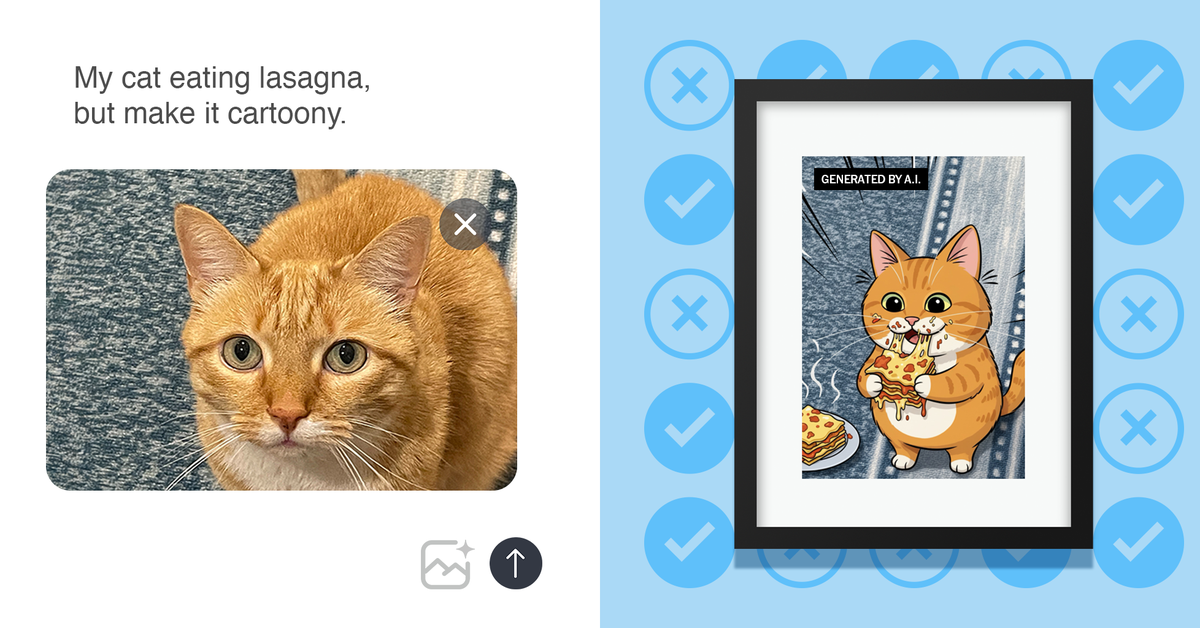
 Even the cutest among us are not safe from AI’s fondness for adding limbs and other visual grotesqueries. Photo Illustration by NYT Wirecutter, source photos by SwitchBot, image generated with NanoBanana
SwitchBot’s AI Art Frame, which comes in 7.3-. 13.3,- and 31.5-inch sizes, is desk- and wall-mountable. Its E Ink Spectra 6 display is like that of the Kindle Paperwhite; its nonreflective screen produces no glare and looks a lot like actual printed material. To get your ideas or photo into the frame, you use the SwitchBot app on your phone.
Unlike Samsung’s 4K The Frame TV, which has partnerships with more than 80 galleries and museums and over 800 artists to curate art for Frame owners to display at home (some for free, or unlimited art for $5 per month or $50 per year), the SwitchBot AI Art Frame can display pretty much any image. But those images may be full of AI gaffes.
The AI is powered by Nano Banana, Google’s AI model for image generation, also known as Gemini 2.5 Flash Image. (More specifically, Nano Banana supports the AI Studio function in the SwitchBot app, and is what actually generates images.) It also costs money: After a 30-day trial, you have to pay $4 per month for the ability to generate up to 400 images, not including those you upload from your own photo library or the free ones in the SwitchBot Gallery. The app can save up to 10 of your favorite images, but that limitation didn’t slow me down.
Once you generate something suitable for framing using the app, you tap Sync to send the image wirelessly via Bluetooth to the Art Frame. The image can take a few minutes to materialize because the process cycles through color as it creates the image. If you like an image you can opt to save it to your phone’s photo library. The frame itself has rechargeable batteries that SwitchBot says should last up to two years per charge, so it doesn’t need to be plugged in, unlike many photo frames.
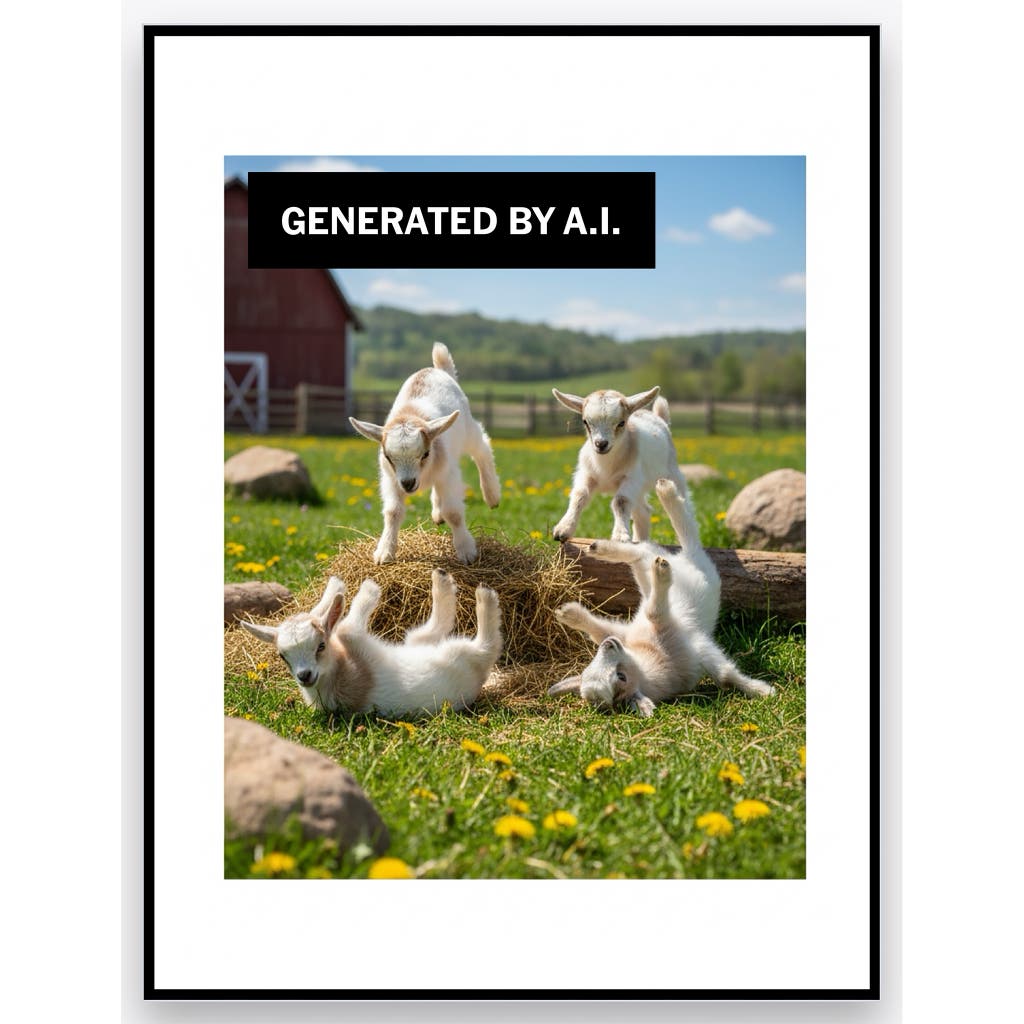
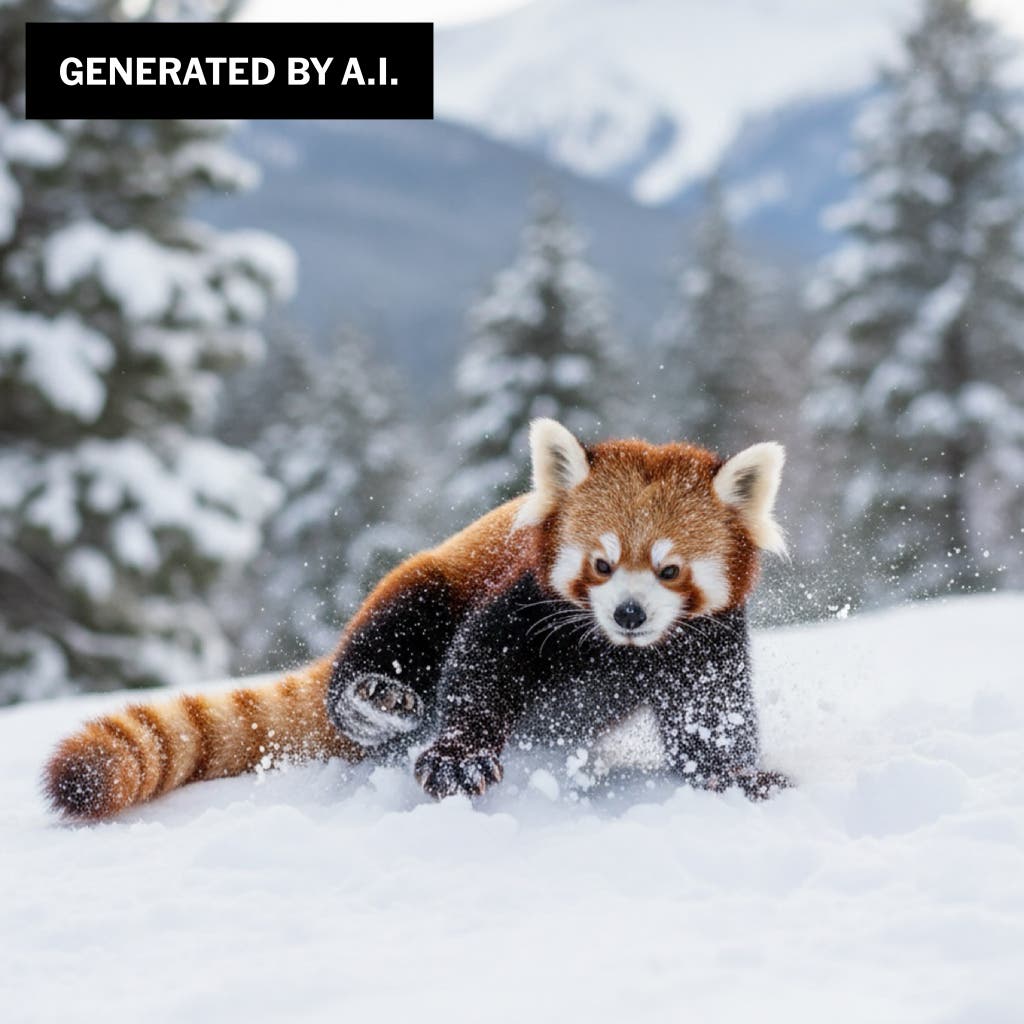 Some images arrived exactly as I’d hoped, without a noticeable flaw. Photo illustration by NYT Wirecutter, image generated by NanoBanana
I started by asking for images of a red panda playing in the snow and goats falling over (after which I specified that I wanted baby goats), and then I simply told it to create a scene from a “disaster movie.” Everything came up exactly the way I expected it to. But then things got weird and wildly entertaining.
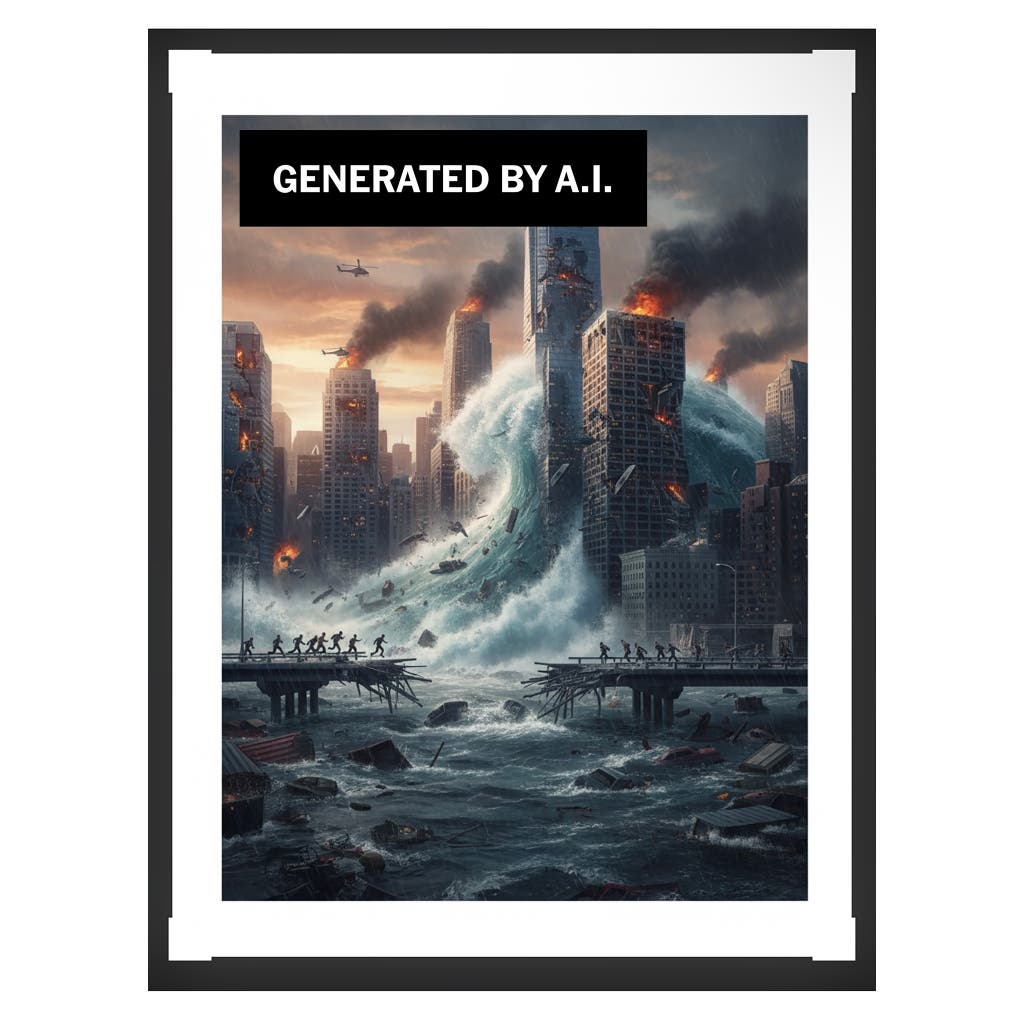 The Switchbot AI Art Frame excelled at generating disaster-movie images, which is impressive (and disconcerting). Photo Illustration by NYT Wirecutter, source photos by SwitchBot, image generated with NanoBanana
When I decided to see what other disaster-movie scenes the app could create, it gave me a movie poster with the typo-title Apocalyopse Now and then another titled Global Colcapse. That’s right: AI is a notoriously bad speller.
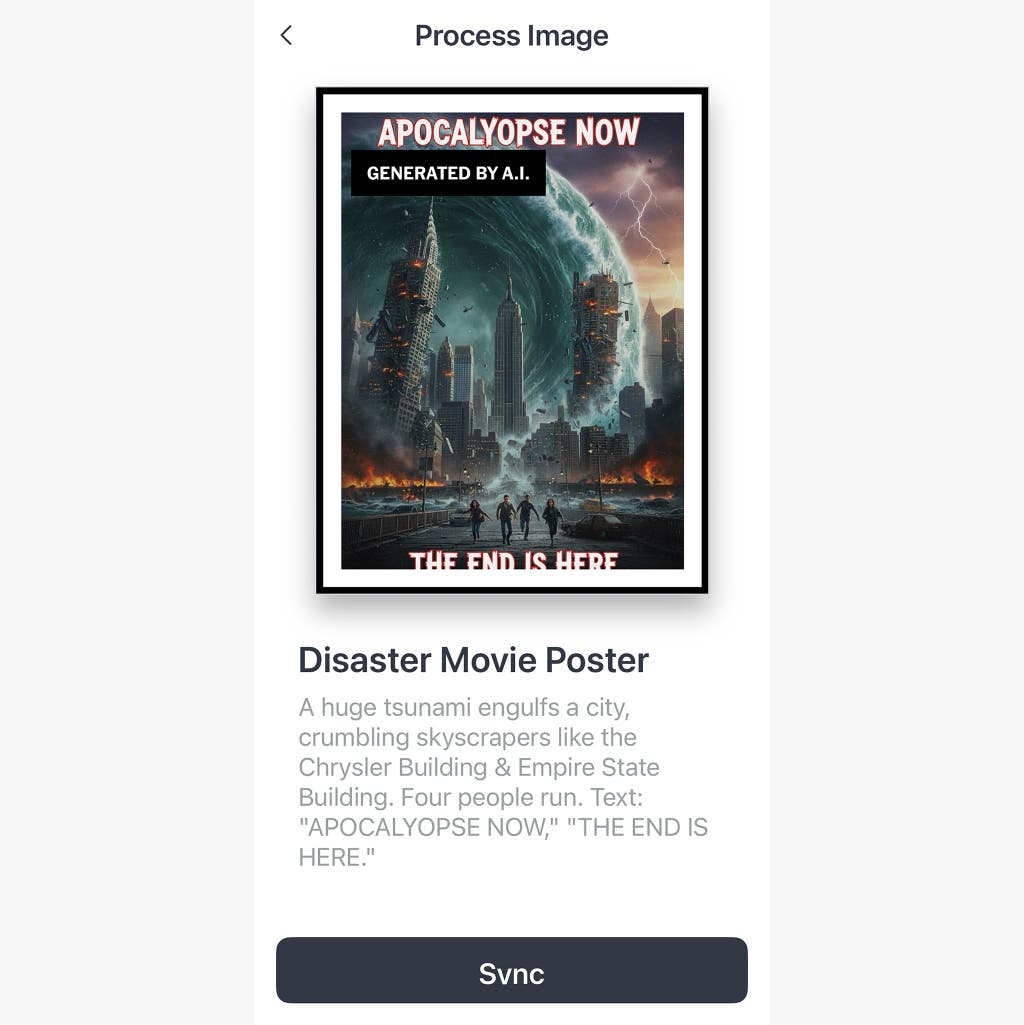
Spelling is a known issue with AI, and my requests for disaster-movie-themed images included some novel titles. Photo Illustration by NYT Wirecutter, source photos by SwitchBot, image generated with NanoBanana
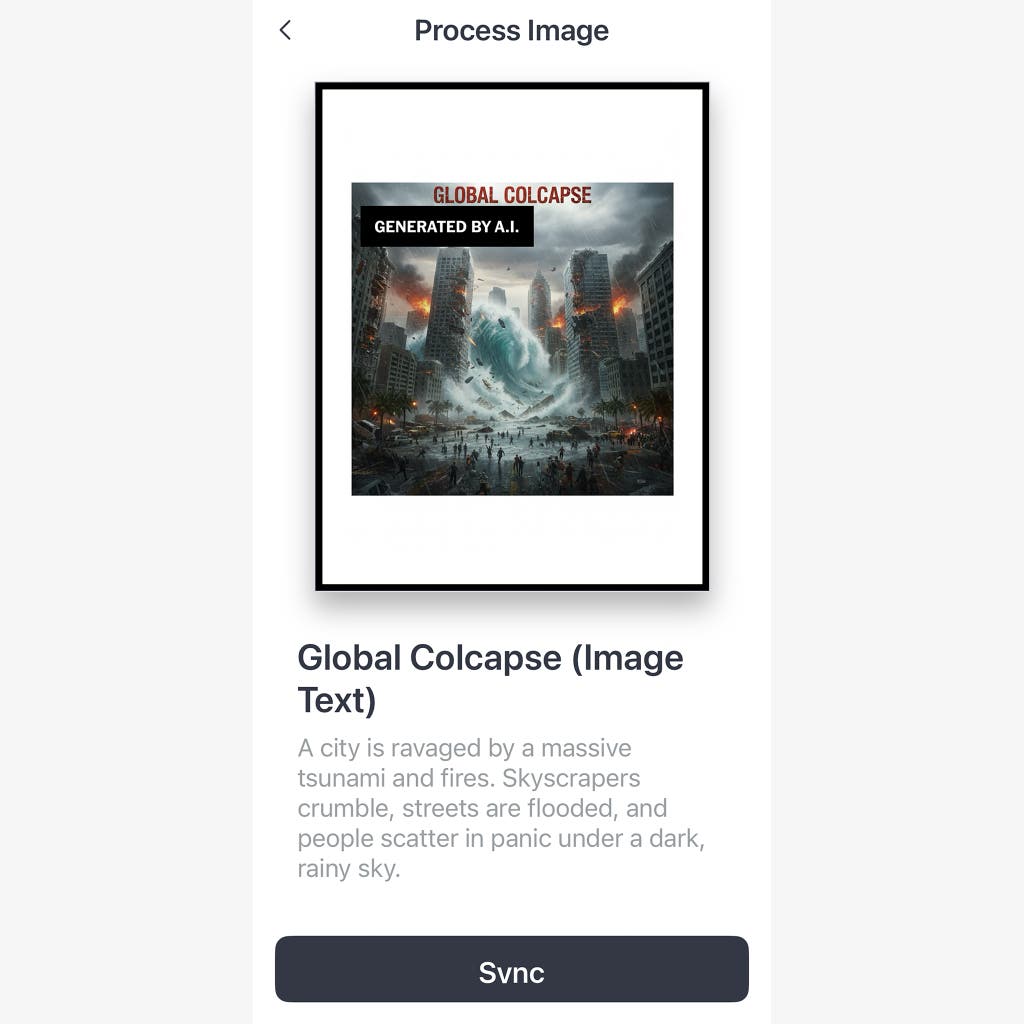
Spelling is a known issue with AI, and my requests for disaster-movie-themed images included some novel titles.
Photo Illustration by NYT Wirecutter, source photos by SwitchBot, image generated with NanoBanana
Spelling is a known issue with AI, and my requests for disaster-movie-themed images included some novel titles. Photo Illustration by NYT Wirecutter, source photos by SwitchBot, image generated with NanoBanana
Next, I asked it to create a Led Zeppelin poster, which came out looking like bad carnival-mirror art — and that would have been awesome, but again, the spelling was off. Despite the fact that I had spelled the band name correctly in the prompt, the AI could not spell “Zeppelin,” actually spelling it three different ways on three different tries.
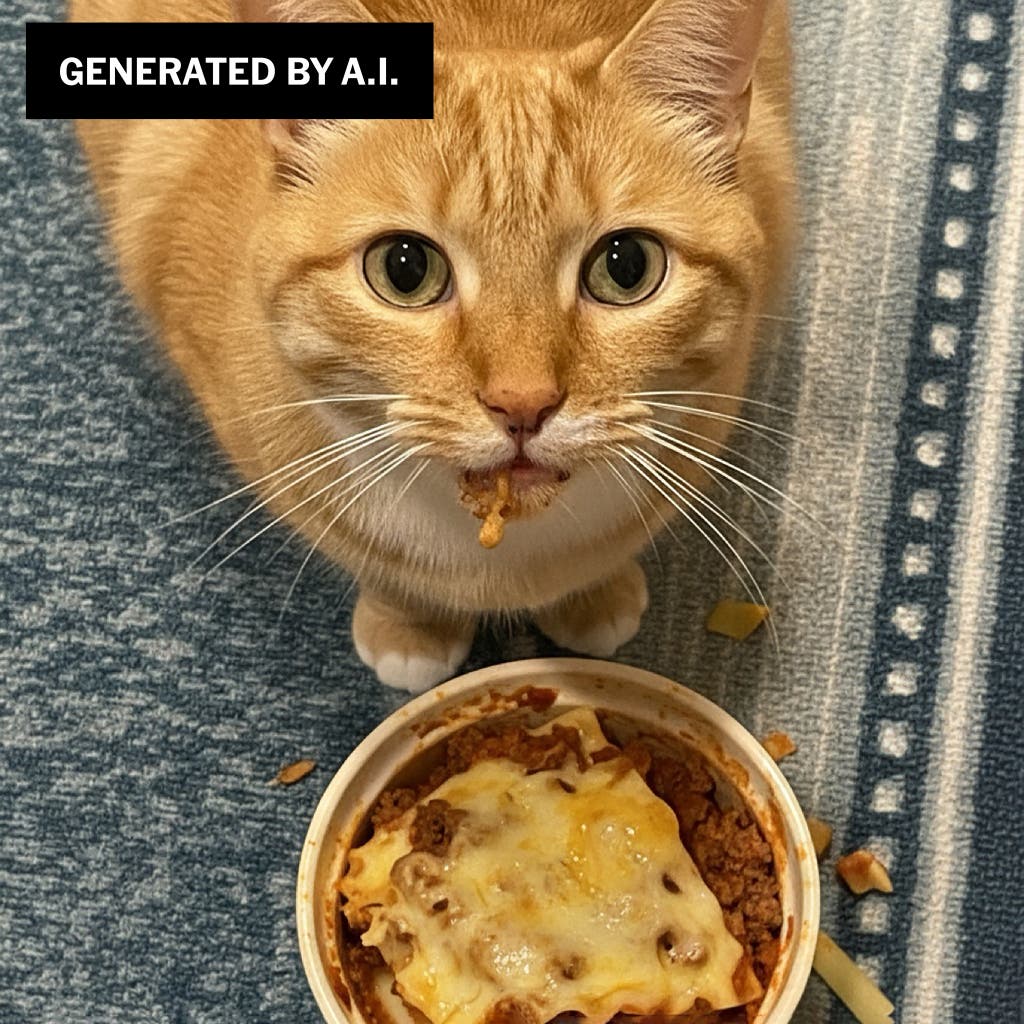
Should you want photorealistic images of your pets and loved ones in AI-idealized form, SwitchBot’s AI Art Frame may be just the thing you need. Photo illustration by NYT Wirecutter, image generated by NanoBanana
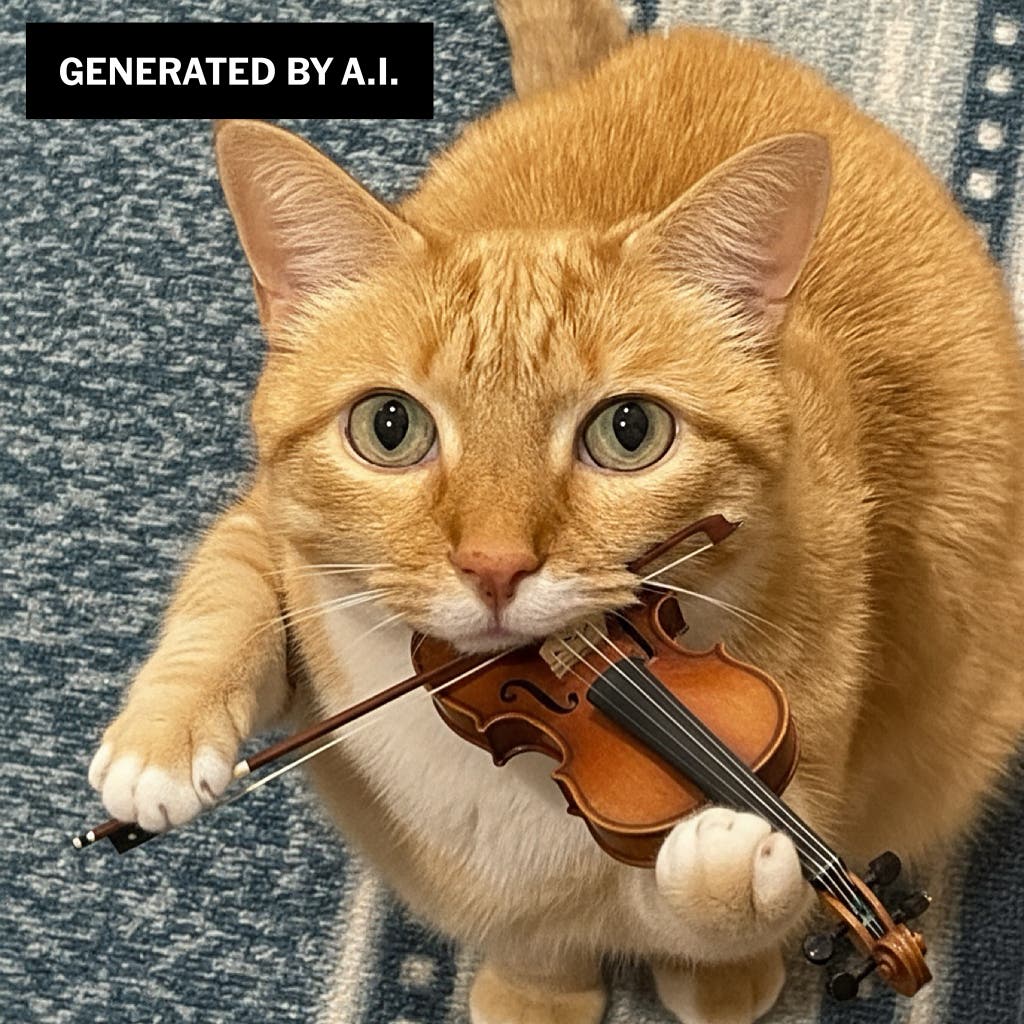
Should you want photorealistic images of your pets and loved ones in AI-idealized form, SwitchBot’s AI Art Frame may be just the thing you need. Photo illustration by NYT Wirecutter, image generated by NanoBanana
Should you want photorealistic images of your pets and loved ones in AI-idealized form, SwitchBot’s AI Art Frame may be just the thing you need. Photo illustration by NYT Wirecutter, image generated by NanoBanana
Since I was on a roll, I asked it to show a picture of me, which I didn’t think would be a big ask since my photo is readily available on the web. Yet for SwitchBot’s AI, it turned out to be a big ask. The result definitely wasn’t me at all. But I’m flattered that the five images the engine came up with had me so put-together, looking like a LinkedIn profile pic.
The AI Art Frame wasn’t all AI slop, though, and it was able to deliver accurate photos of people much more famous than I am, such as Tom Cruise, Beyoncé, Keanu Reeves, Harrison Ford (and I love that on the first try, he popped up as Indiana Jones), Zendaya, and Dolly Parton. I even created one specifically of Dolly playing the guitar. I was less successful in getting the engine to show Meryl Streep or Betty White, but both results were close. And it couldn’t create accurate photos of Weird Al (although it got the accordion), Mr. Rogers (it got the sweater), or, most baffling, Denzel Washington.
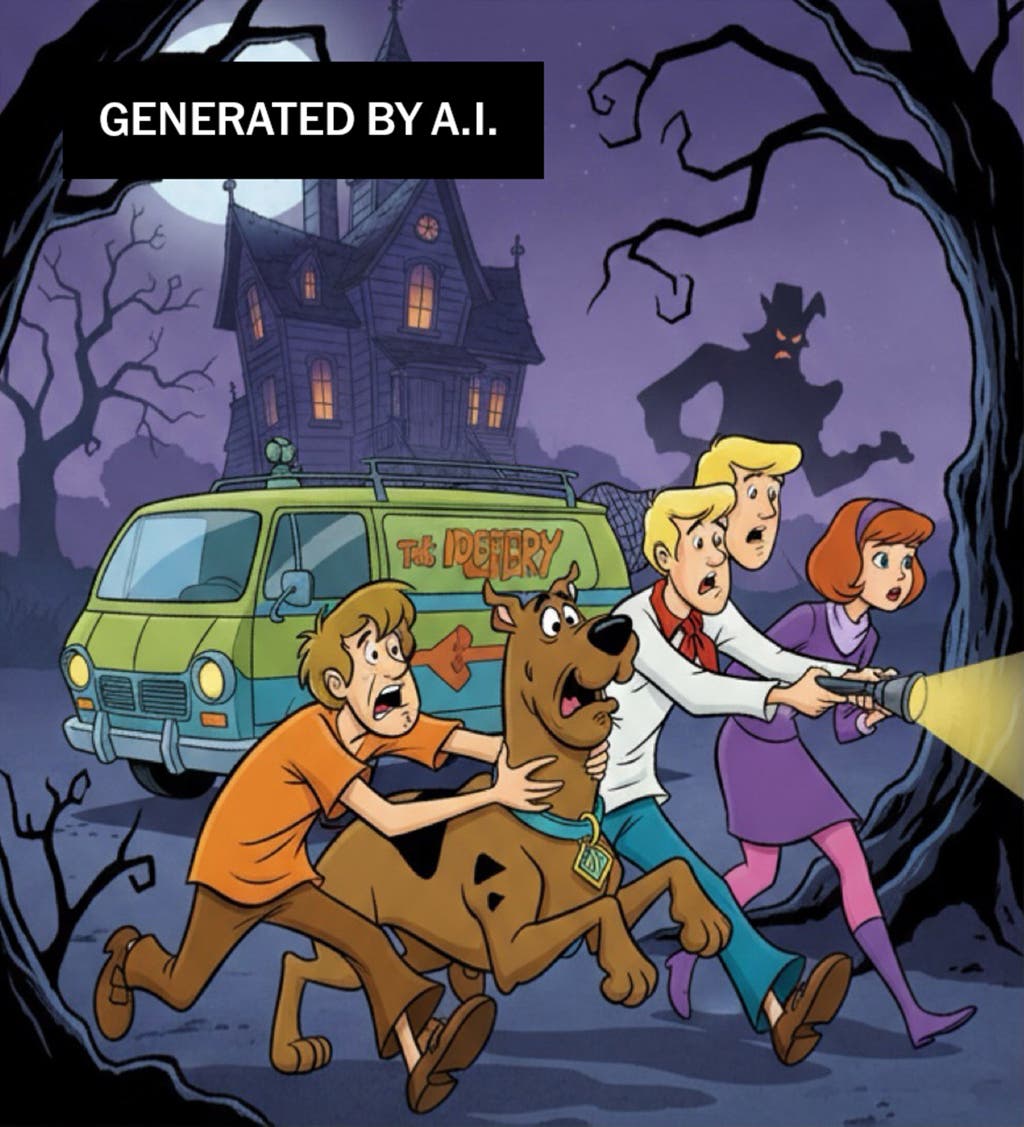 When asked to create an image of Scooby-Doo characters, the AI Art Frame went off the rails. How many mistakes can you find? Photo Illustration by NYT Wirecutter, source photos by SwitchBot, image generated with NanoBanana
Strangely, the system is able to create images that include copyrighted content (even though SwitchBot’s User Agreement says it’s prohibited), but it’s not very good at the task. I asked for a picture of Walt Disney surrounded by Disney characters. I noticed Mickey (two of them), Donald Duck, Winnie the Pooh, and some other familiar faces, but others were nightmare fuel straight out of The Island of Dr. Moreau, such as a two-headed version of Chip and Dale. When I shared the image in Slack, my coworkers enjoyed pointing out mistakes like they were playing an adult version of Highlights magazine’s Hidden Pictures.
As this article was first published, Google changed policies and began restricting its AI image generation tools from using Disney intellectual property. I confirmed this with independent testing, however as of this writing I’m still able to prompt Nano Banana for images relying on third-party copyrighted content. For instance, multiple searches for Bugs Bunny and Scooby-Doo characters produced characteristic AI slop, such as a two-headed Fred, a Scooby with three hind legs, and multiple incorrect names for The Mystery Machine.
This last minute policy change is a good example of the shifting landscape that is AI and intellectual property right now. A product’s features or capabilities could change due to legal or other issues at any moment.
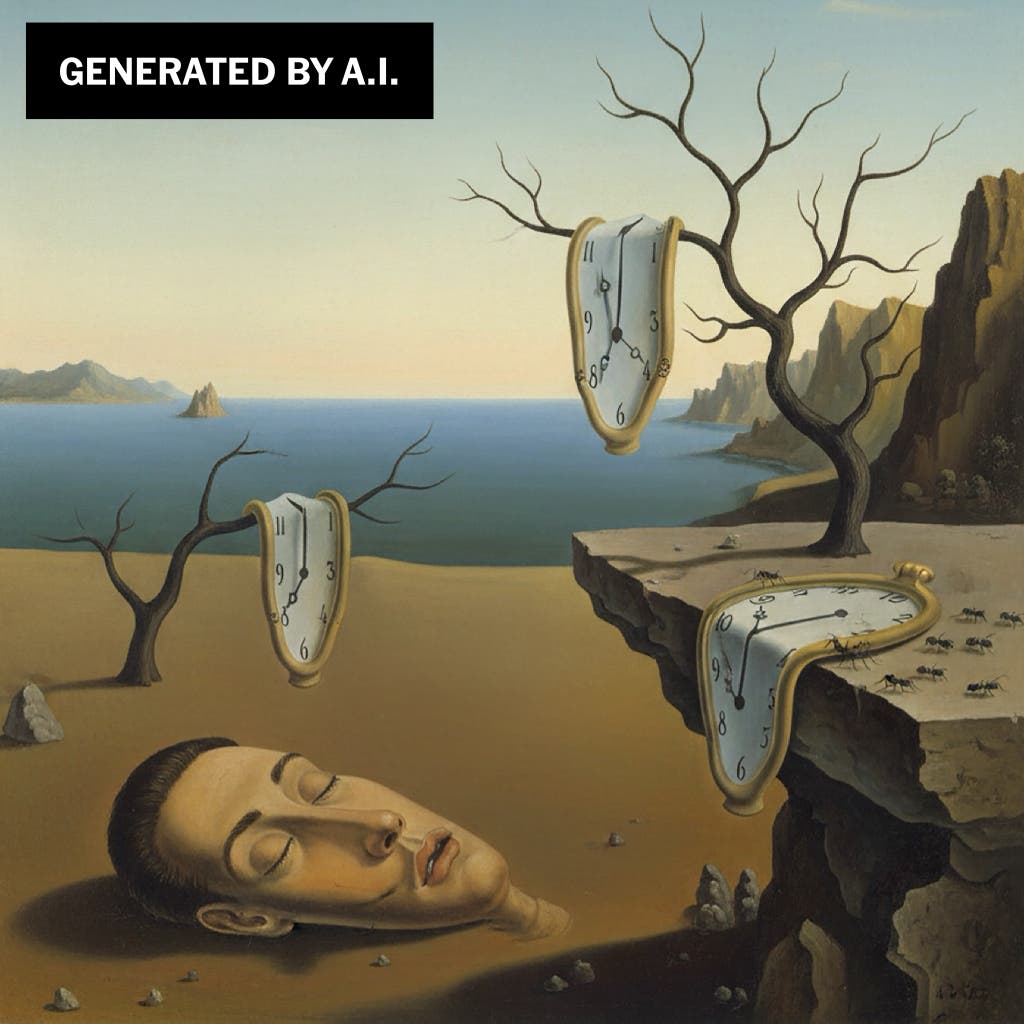
I tried to get the AI Art Frame to re-create classic works of art, but the results always had something off, like a random melted face or missing details. Photo illustration by NYT Wirecutter, image generated by NanoBanana
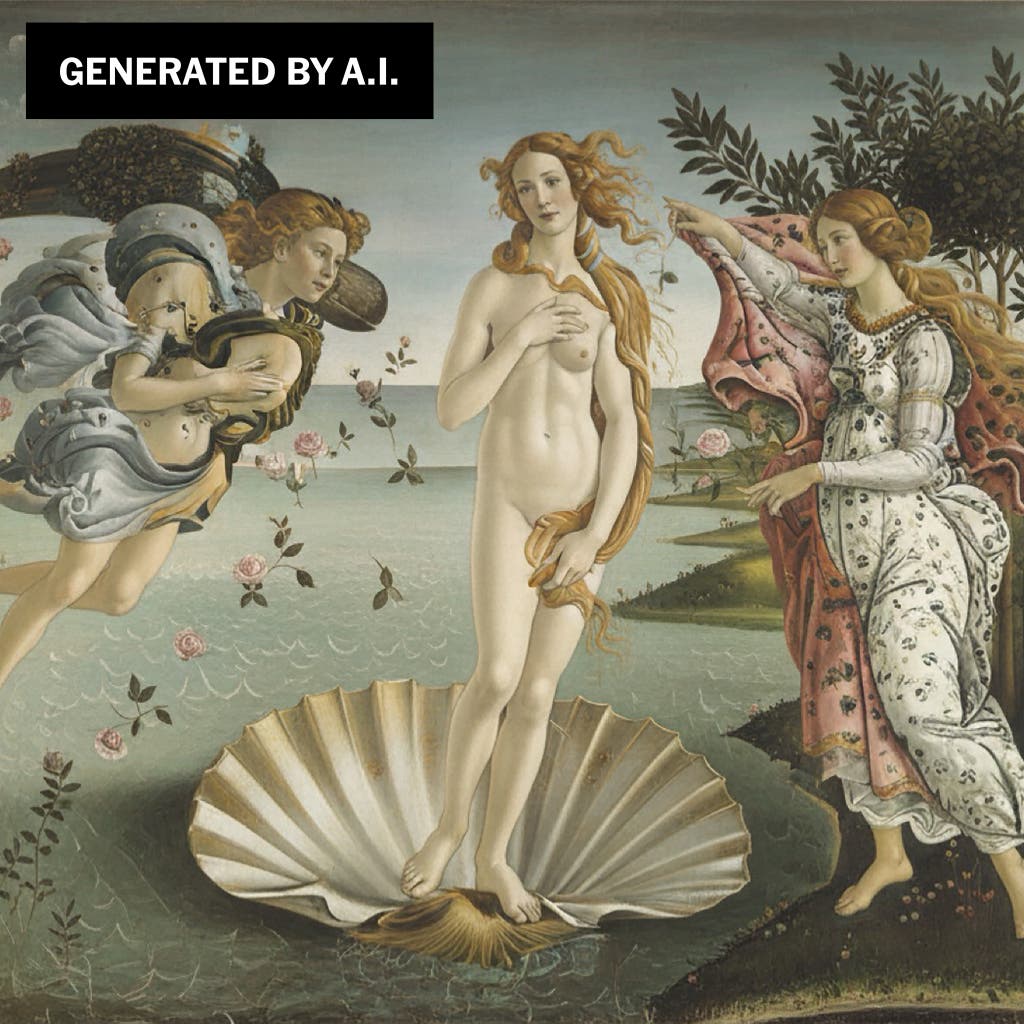
I tried to get the AI Art Frame to re-create classic works of art, but the results always had something off, like a random melted face or missing details. Photo illustration by NYT Wirecutter, image generated by NanoBanana
I tried to get the AI Art Frame to re-create classic works of art, but the results always had something off, like a random melted face or missing details. Photo illustration by NYT Wirecutter, image generated by NanoBanana
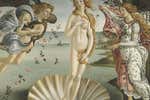
I also tried to re-create actual works of art, and while the styles were present, something was always off. The Mona Lisa had the proper number of fingers, but Girl with a Pearl Earring was more like some girl, and definitely not Vermeer’s Girl. Dali’s The Persistence of Memory included a random melted face, which popped up again on a second attempt. And several versions of Botticelli’s The Birth of Venus always had key elements missing.
Aside from the subject matter, the quality of the images the frame projected was merely good, not great. I actually found most to be a bit on the dark side — and again, not just in terms of the subject matter. I asked SwitchBot if there was a way to adjust the brightness. Representatives said no, but it was intentional, in order to mimic the texture of actual paper.