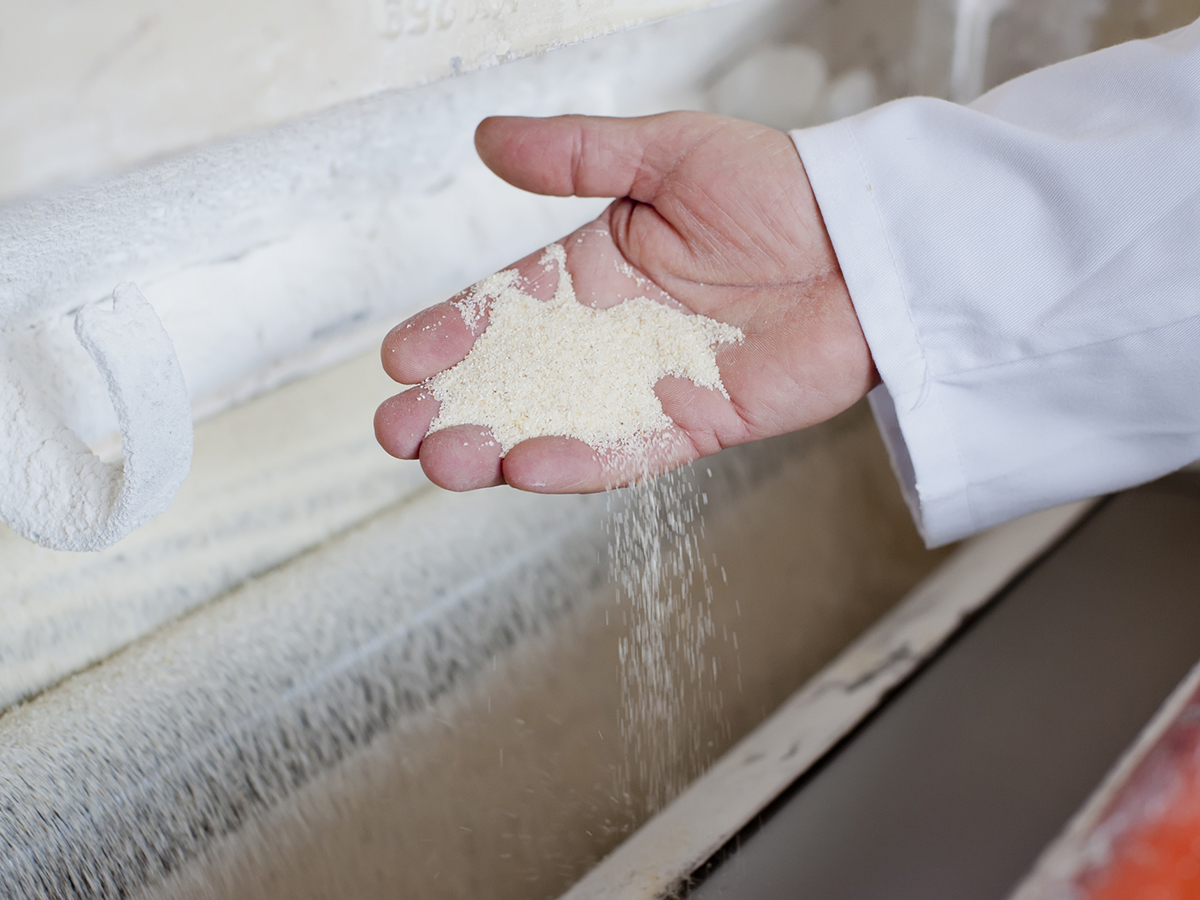
SASKATOON — Flour production is down in the United States but up in Canada, according to the latest statistics.
U.S. flour production totalled 21.3 million tonnes in 2025, down 0.9 per cent from 2024 levels, according to the U.S. Department of Agriculture.
That is the smallest output in 14 years.
Read Also

Agriculture department officials address research cuts
Members of the House of Commons agriculture committee from all parties expressed concern about the recently announced cuts and closures at federal research centres as they began an emergency study on the matter Feb. 10.
Things are trending differently in Canada, where mills produced 2.68 million tonnes of wheat flour in 2025, a 7.7 per cent increase over 2024 levels.
The Canadian National Millers Association was contacted for this story but did not respond in time to meet publication deadlines.
DTN lead analyst Rhett Montgomery thinks the slowdown in U.S. flour production is linked to a relatively recent fad.
“You continue to see a dietary move away from wheat,” he said.
Gluten intolerance is on the rise and so are wheat-free diets, but he isn’t ringing the alarm just yet.
“I don’t know if I’d be overly concerned,” Montgomery said during a recent DTN webinar.
“Bread and wheat have been the cornerstone of food and human consumption for thousands of years.”
Greg Horstmeier, DTN’s editor-in-chief, said what might be a cause for concern is the newly published Dietary Guidelines for Americans, which placed meat protein at the top of the pyramid and grains at the very bottom.
“It’s kind of a complete 180 from what we saw as a recommended food pyramid in the past,” he said.
“We’ll have to see how that changes things, whether that alters this (gluten free) trend even more.”
Why it Matters: The dietary guidelines form the foundation of federal nutrition programs.
Horstmeier just returned from the National Cattlemen’s Beef Association’s annual convention.
“They were certainly happy with where meat is on that food pyramid,” he said.
The same can’t be said for the country’s millers, who in a recent press release called the new pyramid a “major shift” in the government’s approach to nutrition.
The guidelines de-emphasize whole grain consumption, calling for two to four servings a day compared to six to 11 servings in the original food pyramid introduced in 1992.
The guidelines also call for Americans to significantly reduce the consumption of highly processed refined carbohydrates, such as white bread, ready-to-eat or packaged breakfast meals, flour tortillas and crackers.
The document refers to refined grains as “sugar in disguise.”
The North American Millers’ Association (NAMA) said milled grains have been foundational to diets and health for centuries.
“NAMA urges the administration to look more closely at the beneficial role that fortified and enriched grains play in supplying critical nutrients like fiber, iron, and folate,” the organization said in the press release.
“Stigmatizing grain foods as highly processed undermines U.S. farmers and the high-quality, American-grown products they make possible.”
NAMA said it will be lobbying in support of all grain foods as the U.S. administration implements the new dietary guidelines in federal nutrition programs in the coming years.
The National Association of Wheat Growers called the guidelines “unintentionally confusing.”
“Wheat, wheat flour and foods made from wheat have been nutrient-rich, life-sustaining staples for tens of thousands of years and deserve clear, continued support as a central part of our nation’s diet,” NAWG said in a press release.