

Listen to this article
Estimated 3 minutes
The audio version of this article is generated by AI-based technology. Mispronunciations can occur. We are working with our partners to continually review and improve the results.
The Canada Agricultural Review Tribunal has set aside a $10,000 fine issued to B.C.’s Universal Ostrich Farms by the Canadian Food Inspection Agency (CFIA) after the farm allegedly failed to quarantine its birds in February of last year.
The CFIA had ordered Universal Ostrich to quarantine its flock of around 300 birds after highly pathogenic avian influenza was detected at the farm in December 2024 and led to the deaths of a few dozen birds.
The agency said the farm failed to properly quarantine its birds between Feb. 6 and Feb. 26, 2025 — with the CFIA having emailed the first quarantine notice on Dec. 31, a final amended notice on Feb. 6, and eventually delivered a copy of that notice in person on Feb. 26.
The tribunal found the agency hadn’t correctly delivered the final amended quarantine notice in person, as per regulations, however, rendering the $10,000 fine it had issued against the farm null and void.
“The [CFIA] has not met their burden to prove that either Universal waived their right to personal delivery or that the circumstances justify an exception to personal delivery requirement,” the tribunal wrote.
WATCH | Cull complete last November: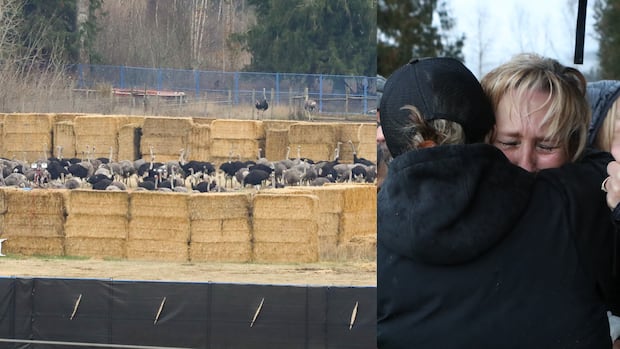
Cull of ostriches at B.C. farm is complete, CFIA confirms
The Canadian Food Inspection Agency (CFIA) said Friday that it has culled the ostrich population on a farm in Edgewood, B.C. The cull was ordered after avian flu was detected in the flock last December and killed 70 of the birds.
The tribunal judgment, issued on Feb. 6 of this year, is the latest in a series of legal challenges that continue to swirl around Universal Ostrich and its birds, whose fate captured international attention as the CFIA sought to cull the birds due to the avian flu detection.
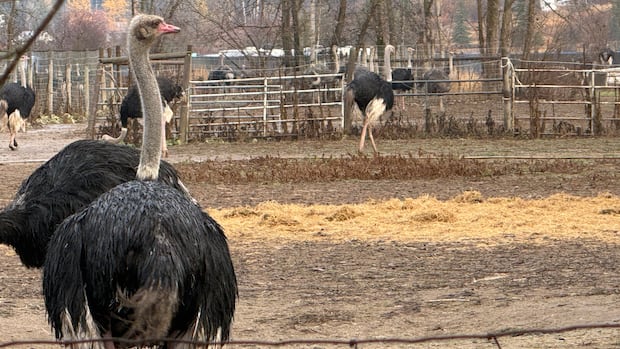
Eventually, in November 2025, marksmen tasked by the CFIA killed the birds at the farm in Edgewood, B.C. — despite dogged efforts from a group of dedicated protesters and support from U.S. health officials Robert F. Kennedy Jr. and Dr. Mehmet Oz.
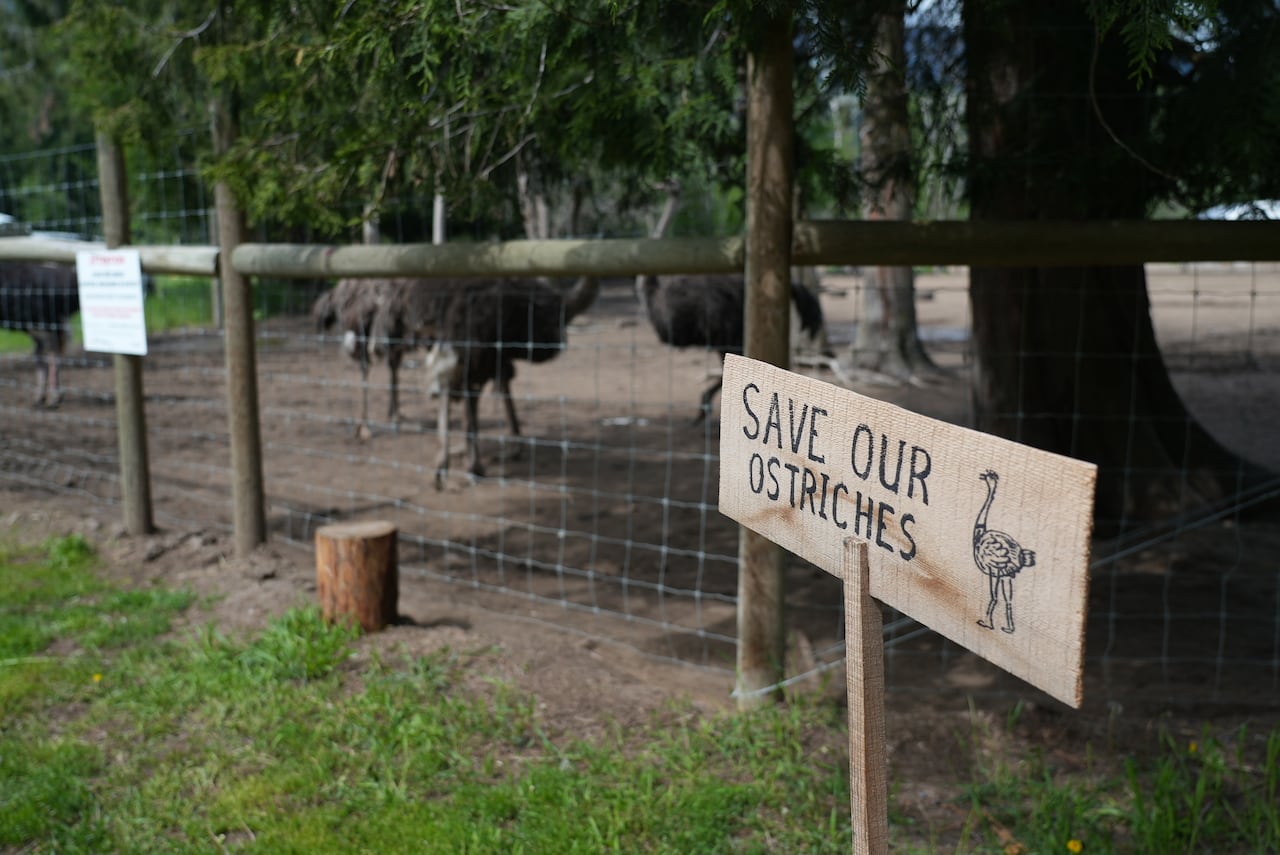 A sign stating S’ave Our Ostriches’ at the Universal Ostrich Farms in Edgewood, B.C., last year. The farm attracted a number of dogged supporters. (Camille Vernet/Radio-Canada)Finding against CFIA
In the tribunal decision, the CFIA argued it had fulfilled the requirement under the Health of Animal Regulations to personally deliver the quarantine notice when it emailed the final copy to Universal Ostrich’s lawyer on Feb. 6.
But the tribunal found the agency hadn’t proven there was an exceptional risk that meant it couldn’t deliver the notice in person.
“There is no evidence that during the period when Universal is alleged to have contravened the quarantine notice, anything other than normal winter conditions existed to explain the delay in personal service,” the tribunal found.
WATCH | Why the ostrich case struck a chord with the public: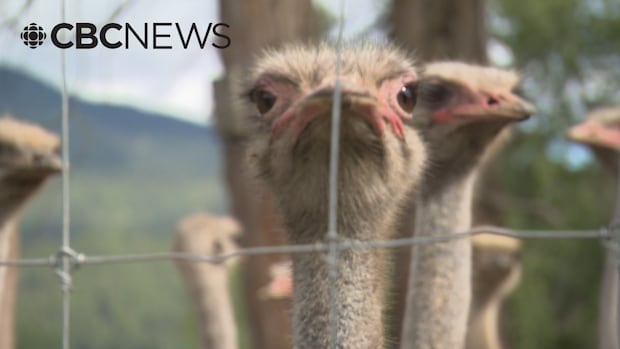
Why does the B.C. ostrich farm standoff strike a chord with the public?
The owners of a B.C. ostrich farm have found high-profile allies in their fight to save their birds, including Dr. Oz and U.S. health secretary Robert F. Kennedy Jr. Veterinarian and Centre for Public Health and Zoonoses director Dr. Scott Weese told BC Today host Michelle Eliot why he thinks the case has received so much attention and whether he believes the birds should be tested for avian flu.
In issuing the decision, the tribunal noted the regulations mandate physical delivery for a reason — that it allows staff to assess the gravity of the disease threat and whether farm owners understand it.
“Based on this in-person assessment, the [CFIA] can then act to prevent the spread of the communicable disease by seizing or destroying the animal or implementing additional controls,” the tribunal wrote.
“Email service defeats these purposes entirely.”
The $10,000 fine set aside by the tribunal is different than the one upheld last December, in which the farm was penalized for not notifying the CFIA of its birds having avian influenza symptoms at the end of 2024.
In late January, a parliamentary request revealed that the cull resulted in around $7 million in taxpayer expenditures, including $3.8 million in RCMP costs alone.