
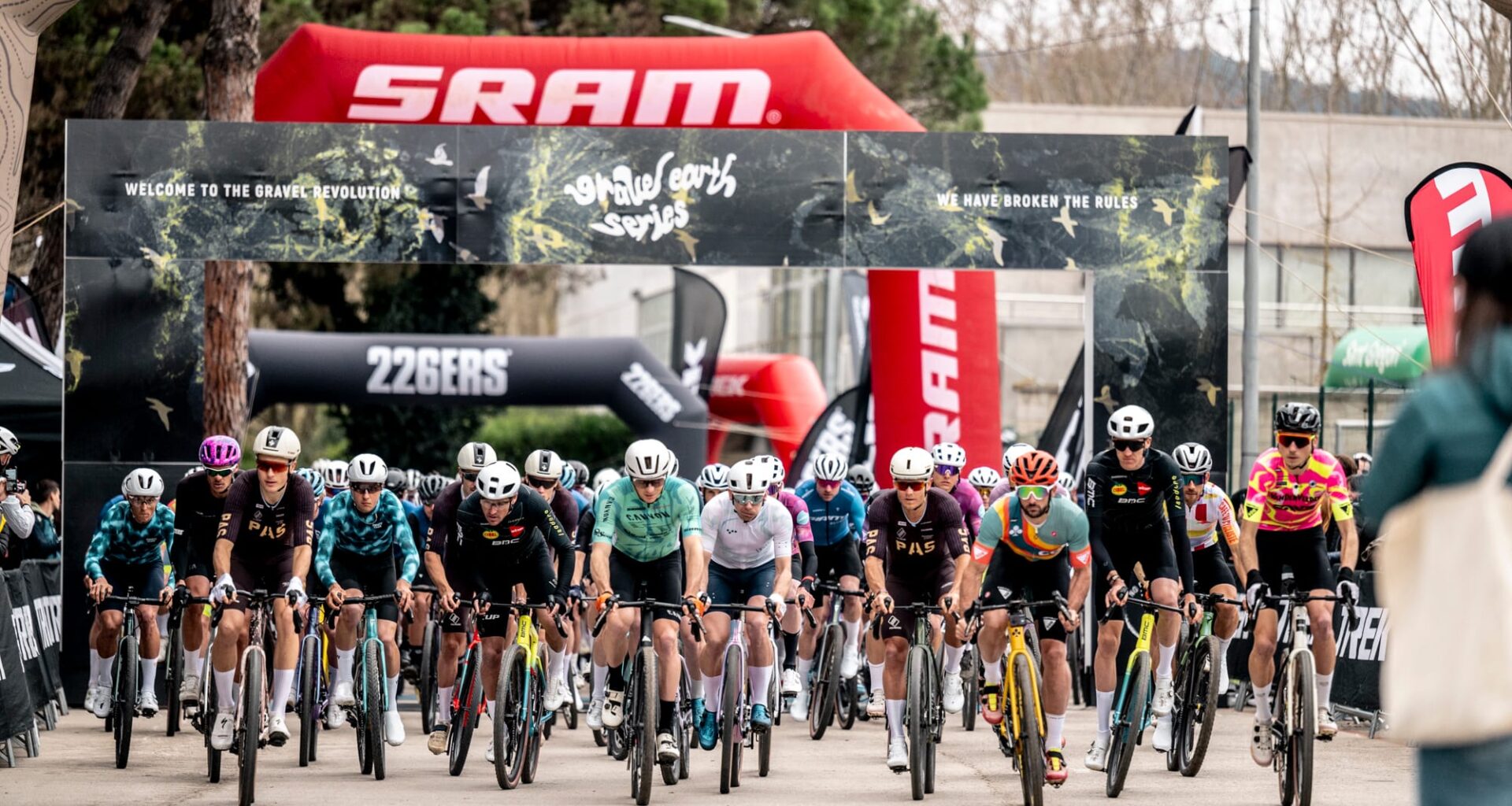
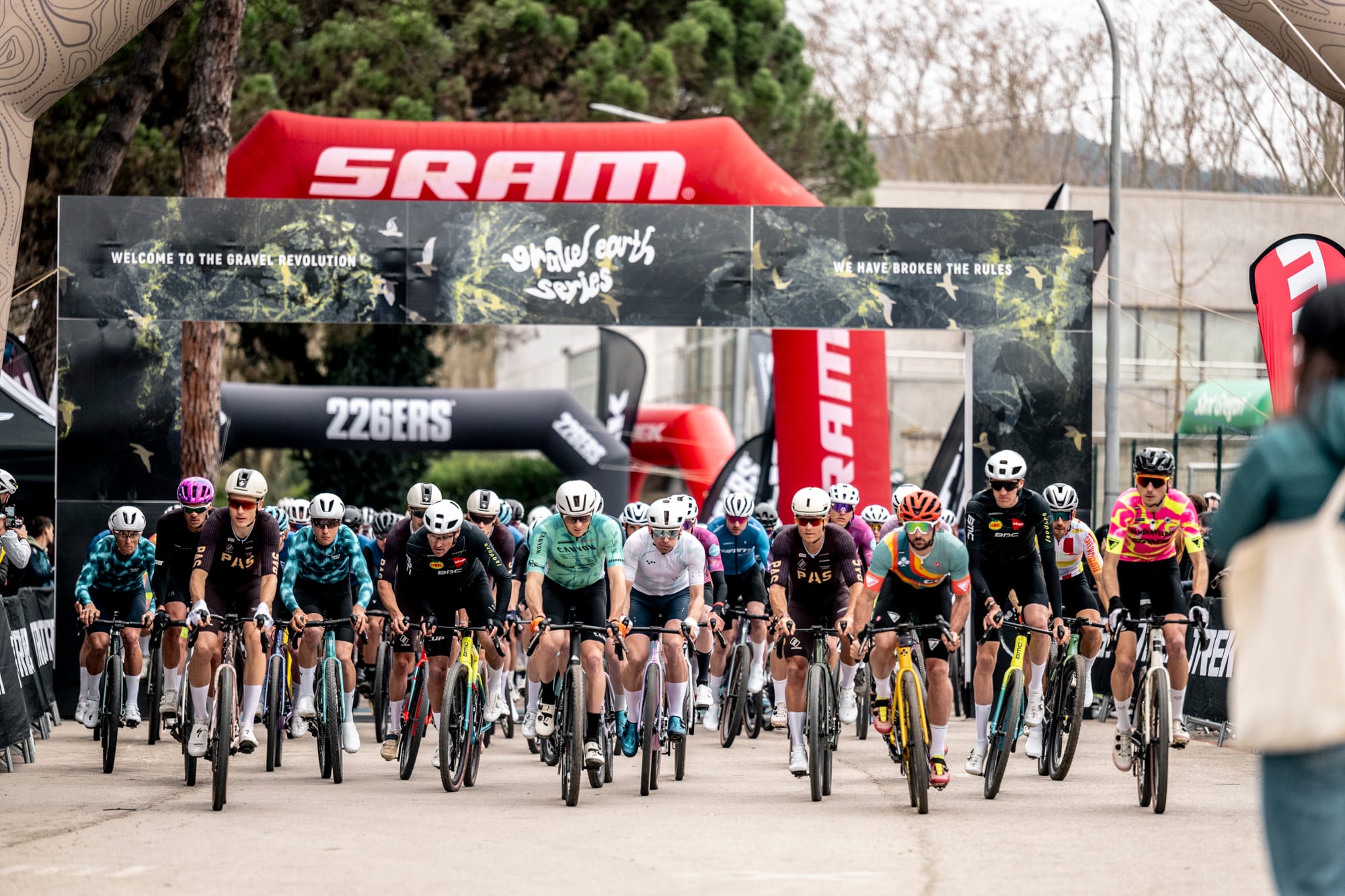
The opening round of the Gravel Earth Series features a mix of mud, rocks, and tarmac that demands careful tyre choices – here’s what the pros are rolling on this year and what it means for equipment choice for it and similar events.

Klassmark, Maxxis, Suvi Loponen, Gruber
Santa Vall is just around the corner. The event, held February 14–15 this year, signals the first big European gravel race of the season. The two-day stage race around Girona, Spain is short by gravel standards, aggressive from the gun, and notorious for mixed surfaces that make equipment choice a complicated matter. Prolonged sections of fast tarmac break up loose, rocky climbs and high-speed, drifting gravel corners. And this year, after a winter of heavy rain and local flooding, athletes will also have to contend with the added complication of mud.
With both stages coming in at 129 km and 86 km, the racing is explosive. The ability to position yourself well going into key sections and having the confidence in your equipment to maintain speed through technical terrain defines success. Ahead of this year’s edition, the question isn’t simply what will roll the fastest. It’s also what clears mud and what still grips when the course shifts from pavement to rain-saturated gravel to technical rocky descents.
Think MTB tyres are fastest on gravel? Think again.
Real-world testing shows suspension offers a faster solution.
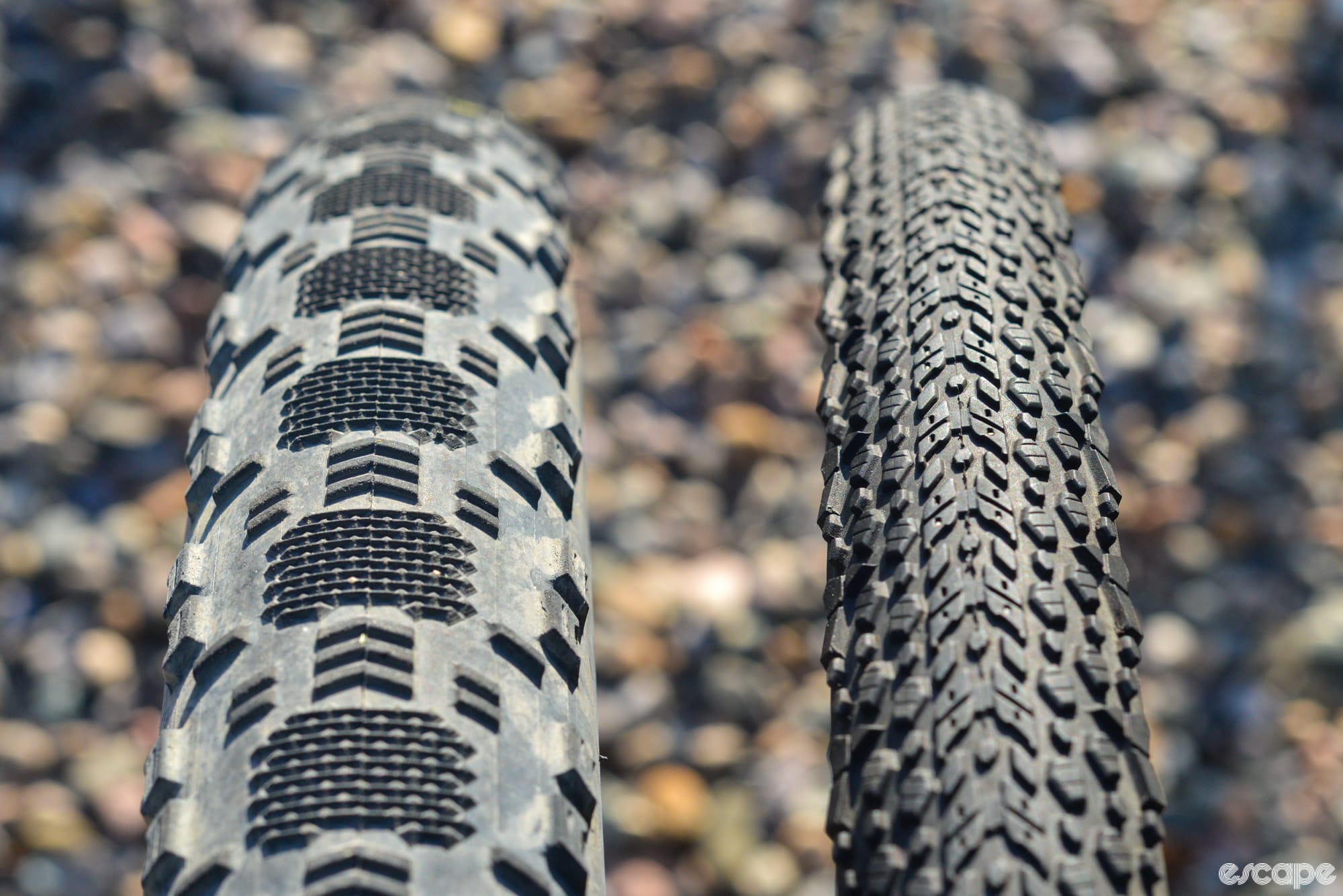
So what are the pros choosing? I spoke to riders heading to Girona to find out how they’re balancing width, tread, pressure, and inserts for what could be a very muddy edition.
The raceStage 1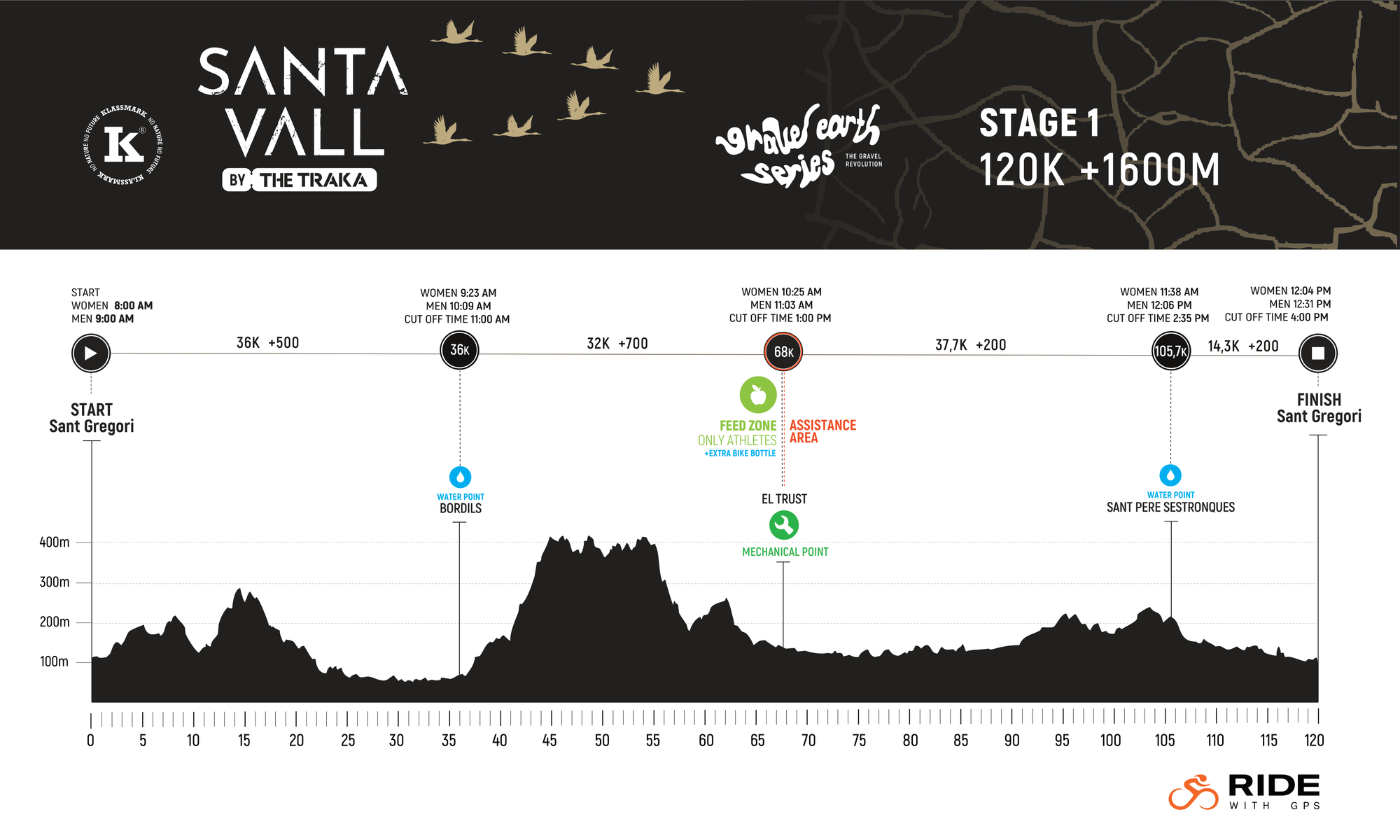
Stage 1 opens with just over 10 km of rolling pavement before turning onto loose, rocky gravel surfaces and a 3.7 km climb that could quickly split the field. A descent and then a flat run-in leads to the stage’s defining gravel climb starting at the 37 km mark, gaining 350 metres in 6.5 kilometres.
After a technical gravel descent, the second half of Stage 1 is flat and rolling, with no significant climbing to contend with. However, with a snaking course, maintaining speed through countless high-speed loose corners will be vital to staying at the front. That prioritises traction and width, but balanced with mud clearance.
Stage 2 
Unlike the day before, there is no easing into the second stage. Within the first kilometre, the race heads off-road and straight on to a 3.2 km climb that gains 200 metres. Once summited, it immediately descends back down with the upper half on gravel and the lower portion returning to the pavement.
From that point onwards, the course never really settles. Instead, there is a continuous undulating profile with the remaining two defined climbs mostly on pavement. Unlike the day before, the run-in to the finish is less technical. A large section between 65–78 km has been switched to pavement due to the weather.
Stage 2 asks more complex questions of setup, with the option of using a faster tyre to reap the benefit on the tarmac and the less technical sections towards the end, or going with something more aggressive to capitalise on the primary technical descent.
This post is for paying subscribers only
Subscribe now
Already have an account? Sign in
Did we do a good job with this story?
👍Yep
👎Nope