
Lifestyle changes can cause blood pressure to drop too low and medication may need adjusting under medical supervision
Katie-Ann Gupwell Content Editor
15:38, 11 Feb 2026Updated 15:44, 11 Feb 2026

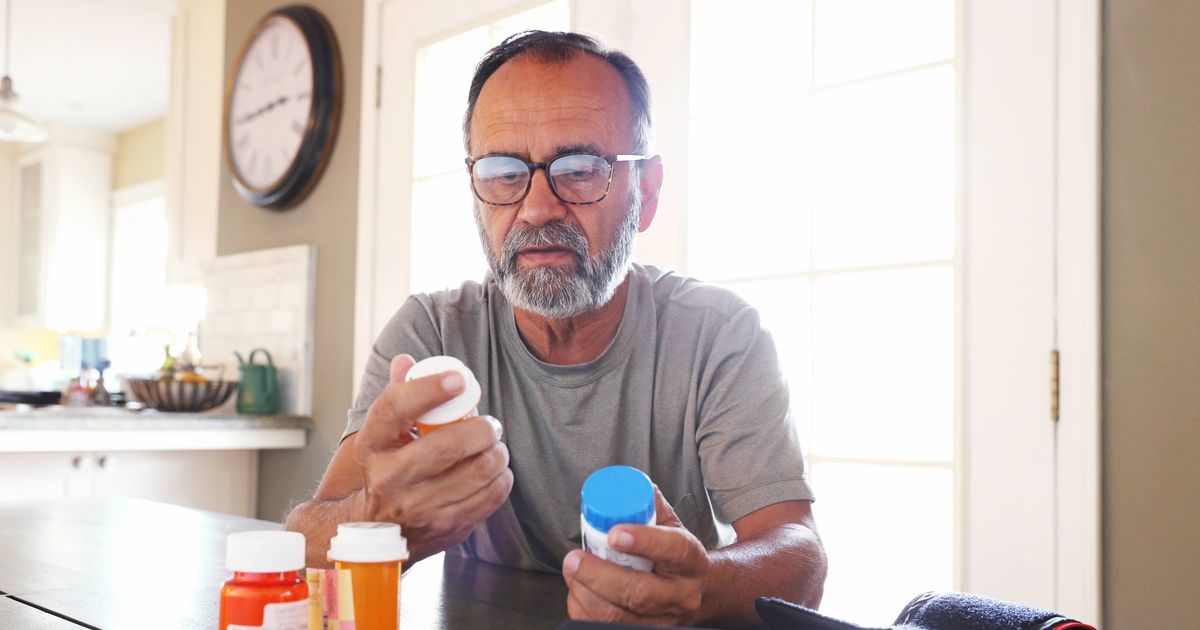
People who take medication to help their blood pressure are being warned(Image: Getty Images)
Thousands of individuals rely on medication to manage their blood pressure, but there are crucial details that you should be aware of if you’re among them. A pharmacist has issued a cautionary note to anyone who falls into this bracket, as there is essential health information that you need to know.
Pharmacist Anum, known for dispensing expert advice to her followers, has recently shared some vital guidance for those grappling with high blood pressure. While it’s crucial to adhere to any prescribed medication regimen, there are also certain protocols to follow to ensure its correct usage, as there may be instances where your blood pressure could dangerously plummet.
This isn’t the only advisory of its kind to have been issued of late. Just a few days prior, the NHS also disseminated some rather indispensable advice.
In a video, Pharmacist Anum posed the question: “Do you actually need to be taking your blood pressure tablets for life? I guess, for lots of people, the answer is kind of yes.
“You will be taking blood pressure tablets long-term, or for at least as long as you need them. What I mean by this is sometimes lifestyle changes can actually impact your blood pressure, and cause your blood pressure to drop.”, reports the Mirror.
“So this can include things like losing weight, lowering your salt intake, exercising more frequently, manging your stress. All of these things can help to lower your blood pressure naturally.
“Now, if you are [making] these lifestyle changes and taking blood pressure tablets, we may fall into the situation where actually your blood pressure starts dropping too low. In this case, only under medical supervision, it may be advised that you lower your blood pressure tablets or stop them.
“So, you may not necessarily need to be using them for life but, as I say, for most people it will have to be long-term. Never just stop your blood pressure tablets withing speaking to your GP or your pharmacist first.
“I guess this video highlights the importance of having those regular reviews. So, if there are any changes in your medical condition, then this can be picked up, and your medication can be changed appropriately.”
It’s crucial guidance to follow, as our bodies can evolve over time and prescriptions may require adjustments to accommodate this. Whilst adhering to prescribed medication remains essential, implementing additional lifestyle modifications can influence its effectiveness.
What you should understand about blood pressure medication
What many may not realise is that there are circumstances where blood pressure medication can cause readings to plummet excessively low, a condition medically termed hypotension. This can occur if the dosage is excessive, the prescription has been altered or when combined with dehydration or other substances.
Should you have implemented lifestyle modifications to enhance your wellbeing, this too could play a role, according to Pharmacist Anum. Typical indicators include feelings of dizziness, light-headedness, and episodes of fainting, especially upon rising rapidly from a seated or lying position.
When such indicators become pronounced, it’s crucial to immediately assume a seated or reclined position to avoid potential tumbles. That said, ceasing the medication independently without medical guidance is strongly discouraged, as adjustments to the prescribed amount may be necessary.
Those of advancing years face heightened vulnerability to sudden drops in blood pressure and subsequent falls. Should you experience light-headedness, keeping tabs on your blood pressure levels and informing your GP is essential.
Furthermore, reaching out to your doctor is advisable if concerns arise regarding possible adverse reactions to medication. Always seek their counsel for any health-related worries.