
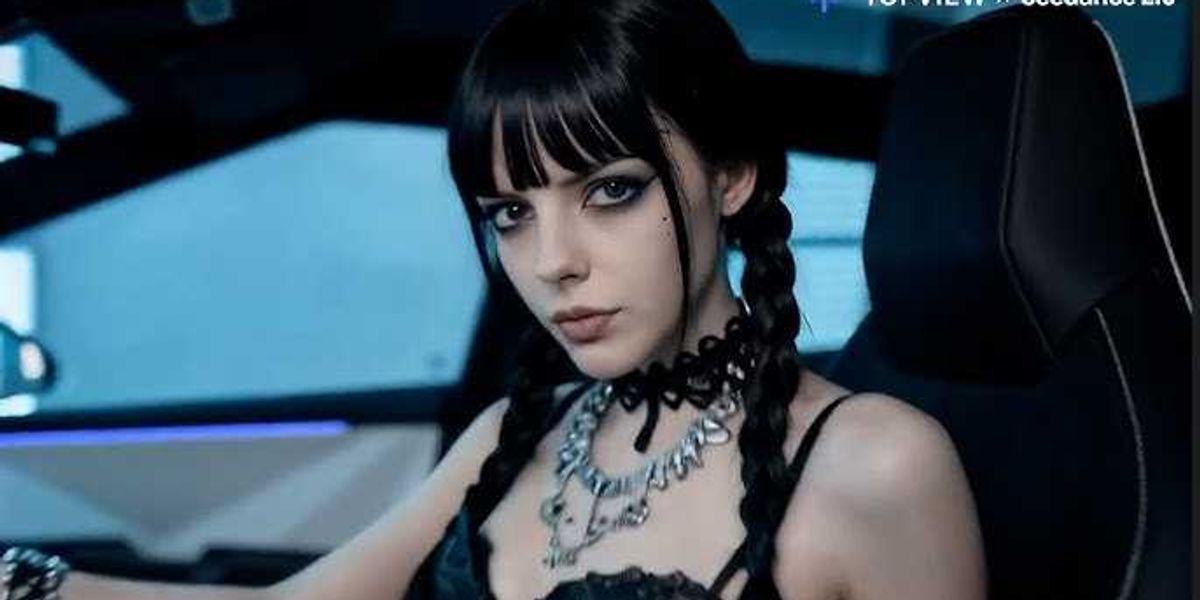
If you’re someone who follows the goings-on in film and video Twitter (or X), then you’ve probably seen clips from Seedance begin to pop up on your feeds over the past few days. (If you’re not someone on Film Twitter or Film X, then good for you—you’re probably a happier person right now.)
ByteDance, the Chinese company that created Seedance 2.0 and the company behind TikTok, which had to give up part of its ownership in the United States, has really pushed the AI slop envelope to the max as this generative AI video model looks to be the new, current best in the industry.
However, while the results look quite phenomenal (but not perfect and still culpable of displaying many of the sloppy characteristics of generative AI video), this model in particular raises more questions than perhaps any other model before it.
Seedance 2.0
Seedance 2.0 is ByteDance’s newest generative AI model built on Seedream 5.0 architecture. It’s a text-to-video prompt-based model that offers all of the usual director controls, which we’ve seen from the other top AI video generators.
Being the most recent, it’s also the most sophisticated and accurate-looking, as it already seems to have surpassed the top models like Kling, Veo, and Sora, amongst the many others.
According to ByteDance, Seedance 2.0 is set to be available as part of many different AI platforms like Dreamina, which is an AI-friendly software similar to CapCut, as well as other video-generator suites.
Ethics and Questions
As these AI video models get more sophisticated, the questions surrounding them are understandably going to become more obvious.
In particular, for Seedance 2.0, its parent company does not have a great track record for providing satisfactory answers as to where and what it trains its data on, and even if users’ data on apps like TikTok or others shared online are being used for these models.
Also, just judging from anecdotal evidence seen in the clips shared online, some of the very first Seedance 2.0 videos are very closely resembling icons, characters, and intellectual property that do not appear to be partnered with.
What’s Next
For many of us in the industry, it feels like there’s a perpetual existential crisis brewing that’s not letting up. AI is at the heart of it, but many filmmakers and creators, I believe, are open to working with new technologies as long as they feel safe and secure with them.
New AI video models, or AI slop models, whatever you want to call them, like Seedance 2.0, are not providing answers and stability, and generally only making the debates surrounding the ethics and usability of AI louder and more severe. And, maybe—hopefully—that’s eventually a good thing.