
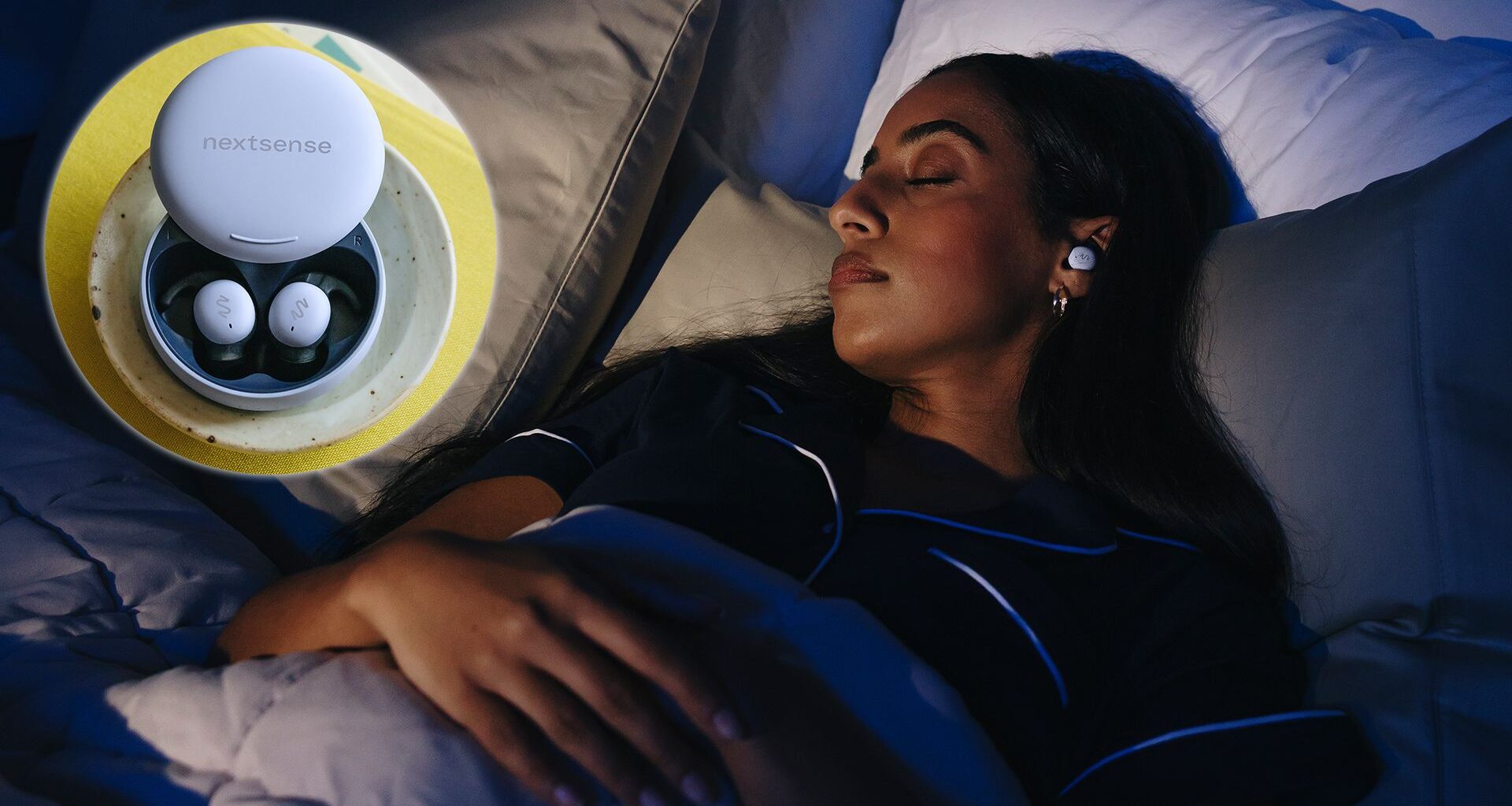
Sleep trackers help us understand our rest but do they really benefit our sleep? Not according to NextSense, whose new sleep earbuds aim not just to track your sleep but to actively improve it.
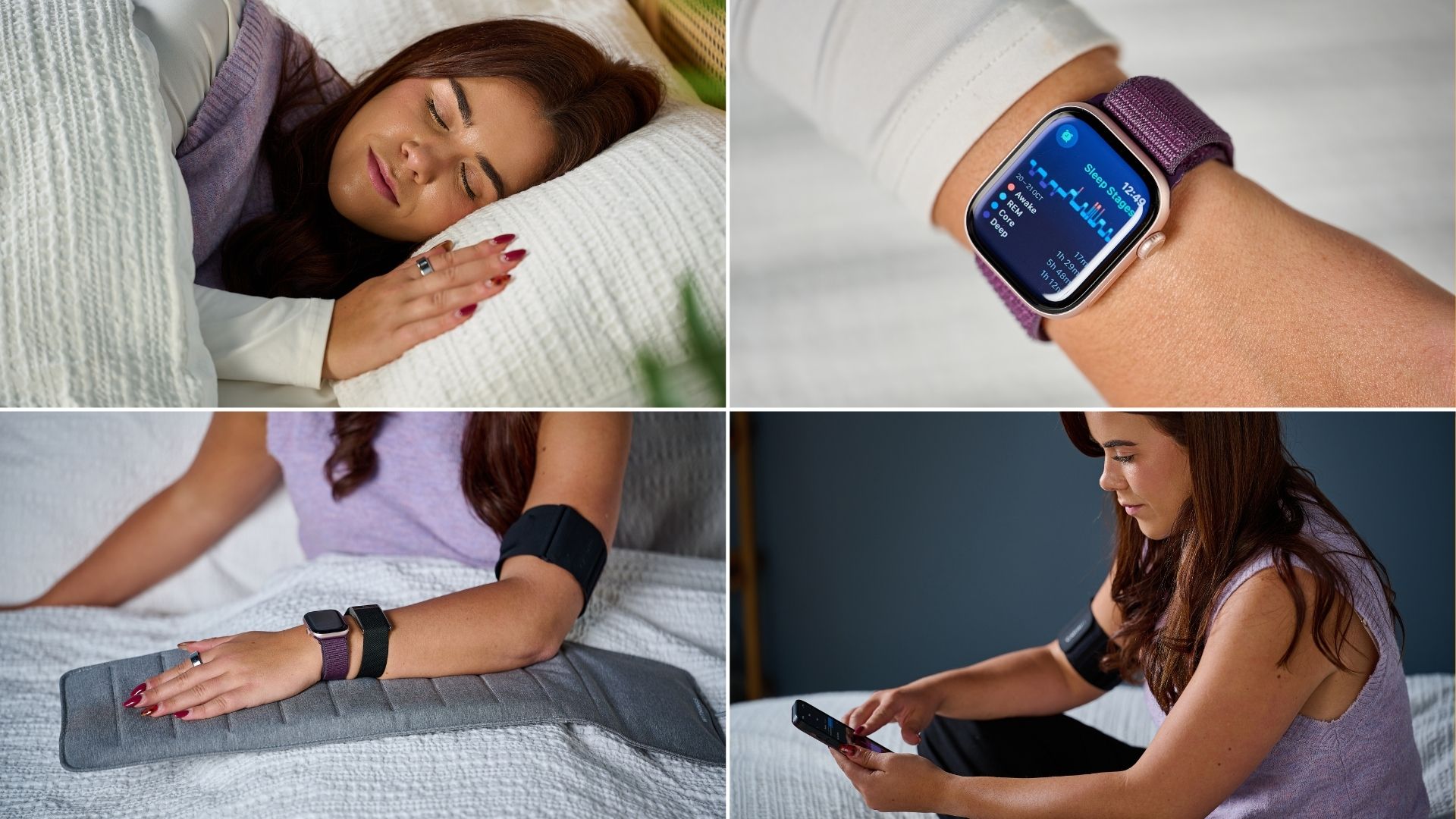
Looking to track your sleep?
(Image credit: Future)
Our team of experts are constantly testing the latest sleep tech and we’ve rounded up the best sleep trackers on the market for all budgets.
The NextSense Smartbuds combine EEG technology with precise audio stimulation to enhance deep sleep, building the overall quality of your rest in ways that improve your day.
You may like
“We sleep to be awake,” says Berent, “and the Smartbud platform is really helping you be awake.”
NextSense Smartbuds: How it works
An EEG (or electroencephalogram) monitors electric signals to understand brain activity and it’s traditionally used during polysomnography, a form of gold standard sleep tracking.
So far, so sleep tracker.
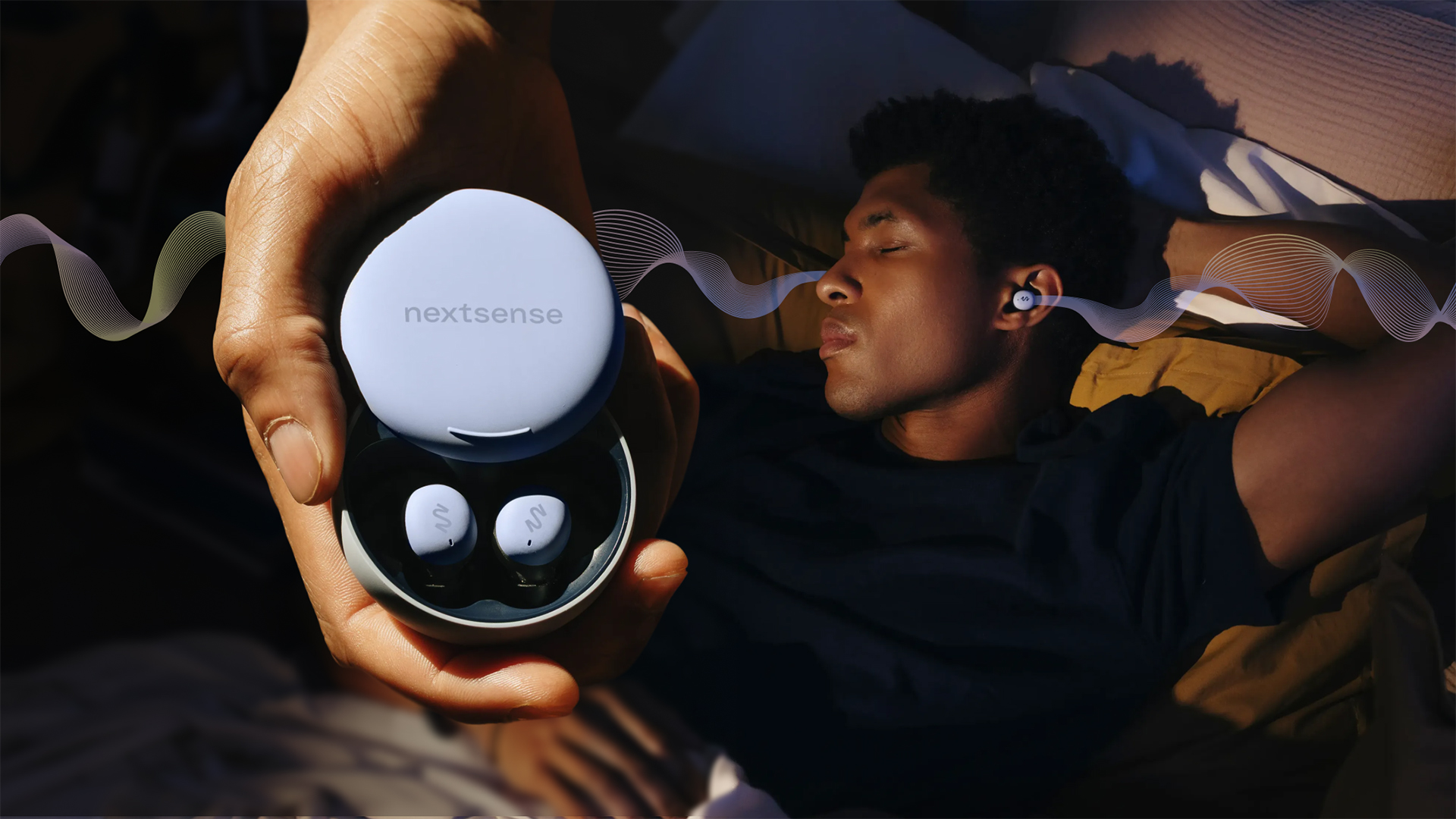
However, NextSense steps beyond tracking by monitoring and responding to brain signals with precisely timed audio, designed to support the brainwaves associated with deep sleep.
“We go beyond tracking, we have a way to actually improve the sleep now,” says Berent. “We can only do that because we’re enhancing the brainwaves.”
NextSense earbuds use six EEG sensors to detect light sleep, REM sleep and deep sleep. When changes in brainwave activity indicate you’re close to an unwelcome wake-up in the middle of the night, the Smartbuds play proprietary soundscapes targeting slow wave activity to send you back to deep sleep.
“It’s been demonstrated in many scientific studies that slow waves lead to better memory and better cognitive function the next day,” explains Berent.
You may like
(Image credit: NextSense)
Berent describes these proprietary sounds as the “secret sauce” of the Smartbuds, and on the connected NextSense app, you can see exactly when these sounds kick in during the night.
And if that all sounds a little disruptive, Berent notes that volume is another key ingredient in the NextSense’s secret sauce.
“That is part of the challenge, that is why this is difficult tech,” he says. “It’s also a reason why you couldn’t have just a pair of earbuds play our sounds. Even if you they got lucky and guessed they wouldn’t know the right volume.”
“We believe we can enhance that sleep process”
“People evolved to sleep,” explains Berent. “Now, we believe we can actually, through science, enhance that sleep process.”
It’s added a literal hour to my sleep
In controlled beta testing over 106 nights, Smartbuds were shown to increase slow-wave activity, with nearly 50% of participants reporting ‘better’ or ‘much better’ sleep.
Berent himself credits the Smartbuds with adding “a literal hour” to his sleep.
Even if the Smartbuds can’t get you to that magical eight hours, they may be able to improve the quality of sleep on nights when you find yourself unable to drift off.
“I think the good news is that if you, because of travel or you’re in a new bed, and you only get that 6 hours, yeah, it does boost it,” says Berent.
But he’s keen to emphasize that NextSense aims not to make up for lost sleep, but to improve your overall sleep hygiene.
(Image credit: NextSense)
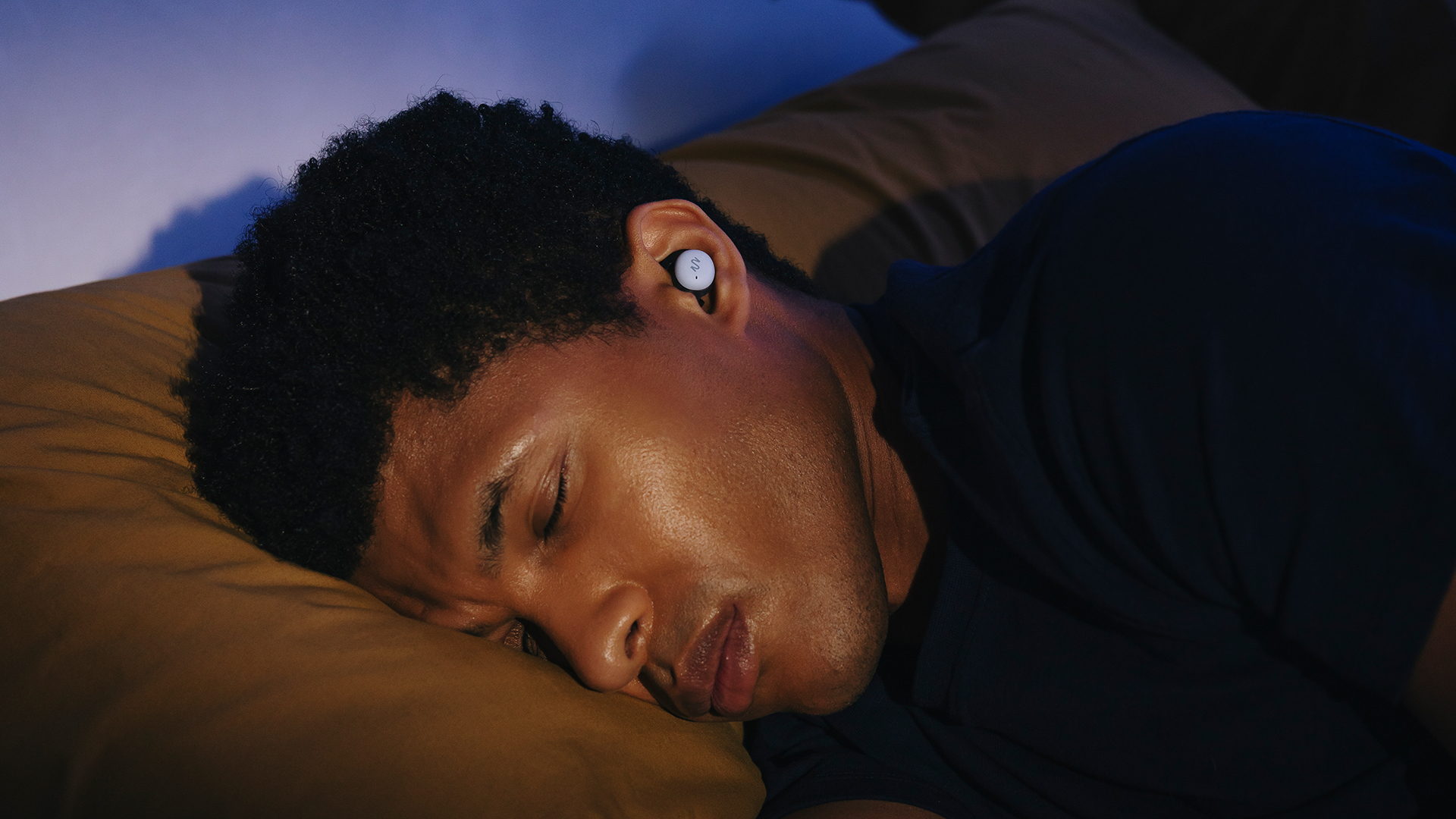
The brain activity tracking and audio stimulation are key to this, but the NextSense Smartbuds feature other, more traditional sleep hygiene features, including a nap mode, meditation settings, and calming soundscapes.
And for lovers of standard sleep tracking, the NextSense also gives you that all important data, including a ‘slow wave’ count you can watch tick upwards.
But Berent suggests sleep tracking is perhaps the least important element of these sleep trackers.
“Trust your body, not your tracker,” he says, “which may seem kind of funny coming from my sleep company, but it’s like, you don’t need to track every aspect of sleep you need to be able to trust your body.”
NextSense Smartbuds: Price and availability
NextSense Smartbuds are $399.99, but in the early bird offer you can pick up a set for $249 at NextSense.
Purchase also includes a ‘Fit Kit’ subscription; new ear tips and wings delivered monthly to ensure clinical grade EEG. The first three months of Fit Kit are free, after which it costs $14.99 a month.
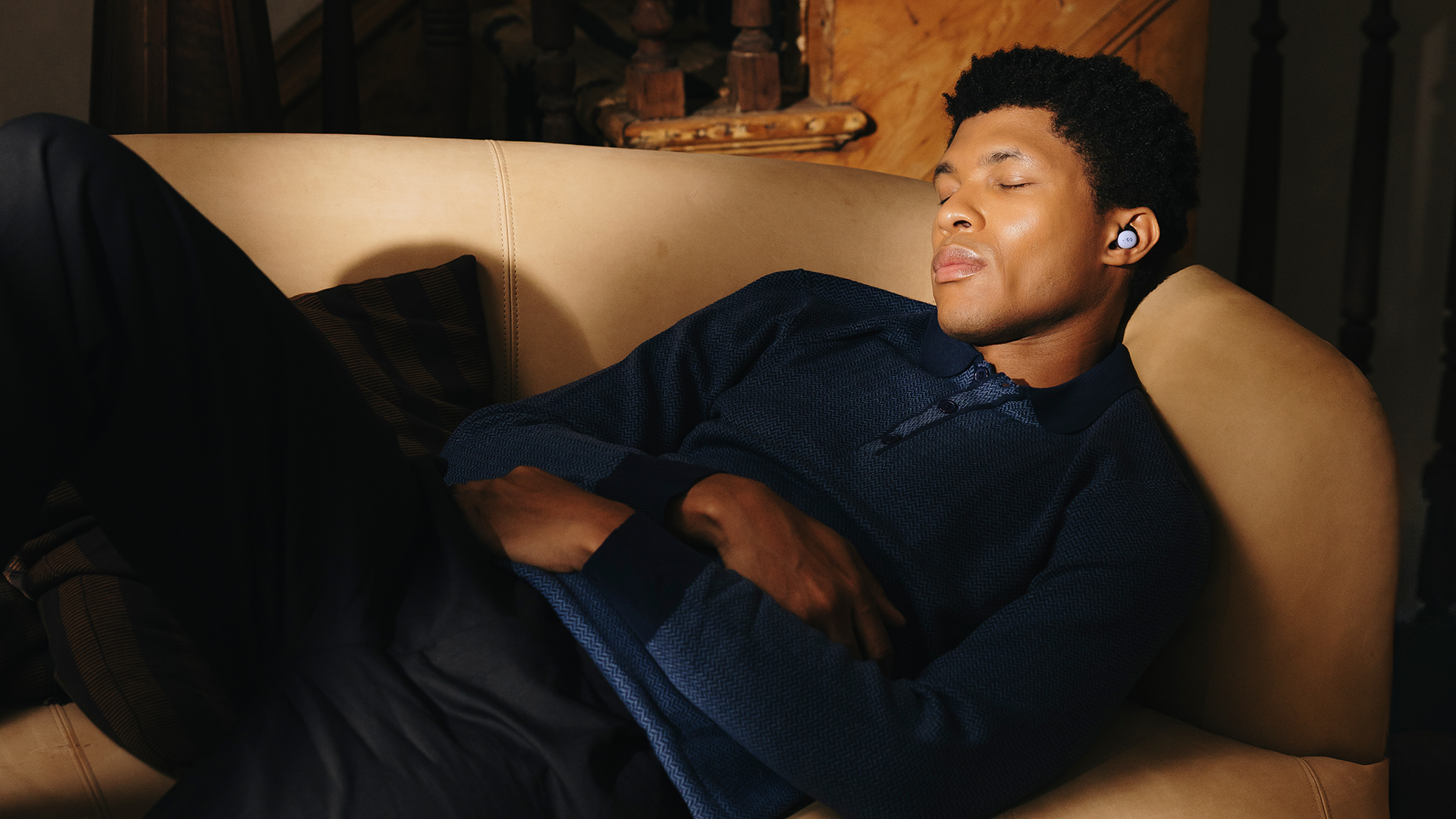
(Image credit: NextSense)
This premium price tag is comparable to other luxury ear buds and sleep trackers, including competitors Oslo Sleepbuds ($349 MSRP at Ozlo) and Oura Ring fitness tracker ($349 MSRP at Oura.)
And the Smartbuds can double up as regular ear buds — when we spoke to Berent, he was wearing them the entire time.
“It’s a smart bud platform and not a sleep platform”
The NextSense Smartbuds aren’t all about sleep. Or, at least, in time sleep will become just one aspect of the technology.
“We have a unique interface to the brain, so how many apps would like to use that?” says Berent.
That might include becoming your next study aid, as Berent points to the connection between slow wave technology and improved memory and learning.
“I’m excited to get this out in the public, see what people want, and then we can build,” he says. “That’s why it’s a smart bud platform and not a sleep platform or a sleep bud platform.”
Today’s top sleep trackers deals