

The states and territories have mobilised to reignite another health battle with the Commonwealth over thousands of stranded aged care patients languishing in hospitals, barely a fortnight after a new multi-billion dollar public hospital funding deal was clinched.
With the ink still wet on a new five-year, almost $220 billion public hospital agreement, state and territory health ministers will today use a meeting with their federal counterpart, Mark Butler, to call for urgent action on the issue of so-called “bed block”.
They plan to unveil a new report showing more than 3,100 aged care patients are currently stuck in hospital beds across the country — an almost 30 per cent increase in five months.
Those patients are medically fit for discharge but remain in hospital because they have no appropriate place to go, such as a residential aged care facility or a home care package at the right level.
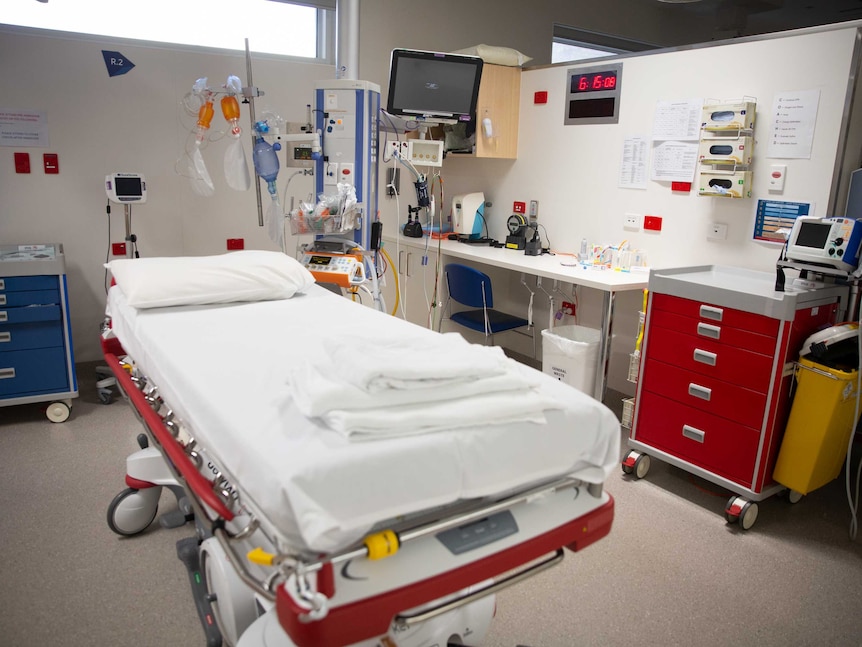
The states and territories say thousands of stranded aged care patients are waiting in hospitals. (ABC News: Matt Roberts)
That “bed block” has flow-on effects across the hospital system, as fewer beds are available, leading to longer waits in emergency departments and for other hospital services.
The states and territories argue that the number of patients currently stranded across the nation is equivalent to the number of patients in more than three Westmead Hospitals, costing taxpayers over a billion dollars a year.
Hotel turned into makeshift aged care facility
South Australian Health Minister Chris Picton said his government was forced to put some older patients in a hotel that had been turned into a makeshift care facility.
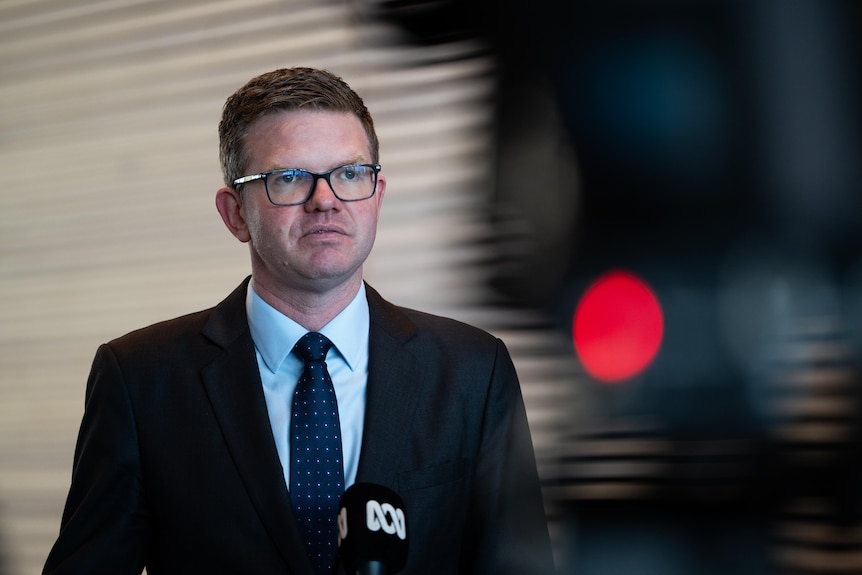
South Australian Health Minister Chris Picton says a hotel had to be turned into a makeshift care facility. (ABC News: Lincoln Rothall)
“While the new deal reached at National Cabinet recently is good news for overall hospital funding, more still clearly needs to be done for aged care patients stuck in hospitals,” he said.
“We continue to call on the federal government to address this crisis, which is their responsibility.”
WA Health Minister Meredith Hammat described the issue as “increasingly urgent” for older Australians and public hospitals.

WA Health Minister Meredith Hammat says the matter is “increasingly urgent”. (ABC News: Keane Bourke )
“Patients deserve better, and we will continue to engage with our federal counterparts to ensure Western Australians get access to the healthcare they need, when they need it,” she said.
ACT Health Minister Rachel Stephen-Smith said the problem had been building for years and was showing no sign of abating.
“The human cost is being paid by our elderly Australians, too many of whom are stuck in hospital beds because the care they need isn’t available in the community or in residential aged care,” she said.
“That’s distressing for them and their families, and it means hospital beds are tied up when other patients need them.”
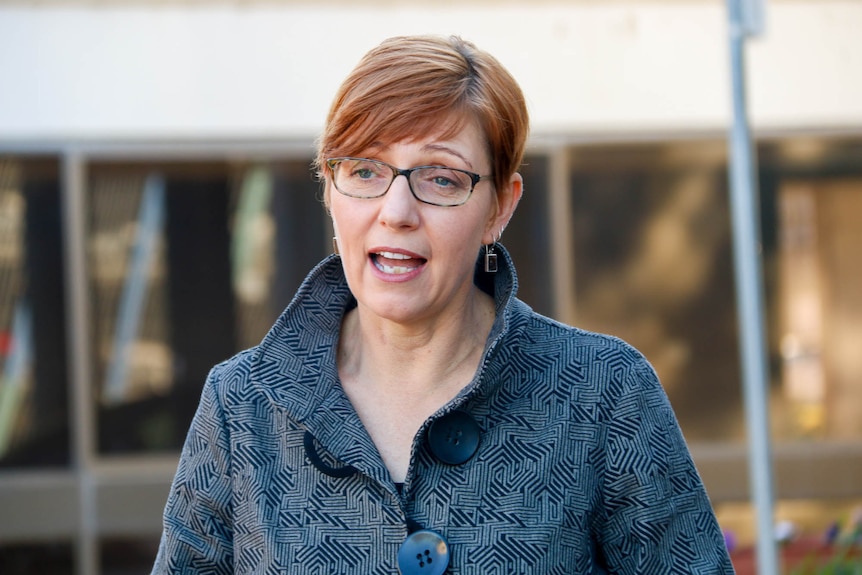
ACT Health Minister Rachel Stephen-Smith. (ABC News: Jim Campbell)
Labor put the ‘wait in waiting list’: Opposition
The states argue the problem is the Commonwealth’s to solve, saying it needs to work harder to find appropriate care for those patients.
This week, federal health officials told Senate Estimates the home care waiting list was over 130,000 by the end of December last year — increasing by almost 25,000 people in just two months.
Government lands last-ditch hospital funding deal
The average waiting time for a “Support at Home” package across all priority categories was nine months.
They also revealed that the Commonwealth had not placed the issue of stranded patients on today’s agenda, forcing the states to push for it to be discussed.
Shadow Health and Aged Care Minister Anne Ruston said the federal government had made “absolutely no progress” in fixing the aged care crisis.
“Labor promised to put the care back into aged care, but all it has managed to do is put the wait in waiting list,” she said.
“Older Australians deserve timely access to the care they need, not endless delays caused by a government that fails to deliver on its promises.”
Greens Spokesperson for Older People Senator Penny Allman-Payne said the current situation was untenable.
“Families are sick of waiting for a solution. Every time the health ministers meet each month, they should be asking themselves, ‘How many more Australians have we left to die without the basic care and support they deserve?’,” she said.
“If Labor would only end the rationing of aged care, and base it on demand like so many other services, it would end the bed block problem and make sure our parents and grandparents can have the care and dignity they deserve.”
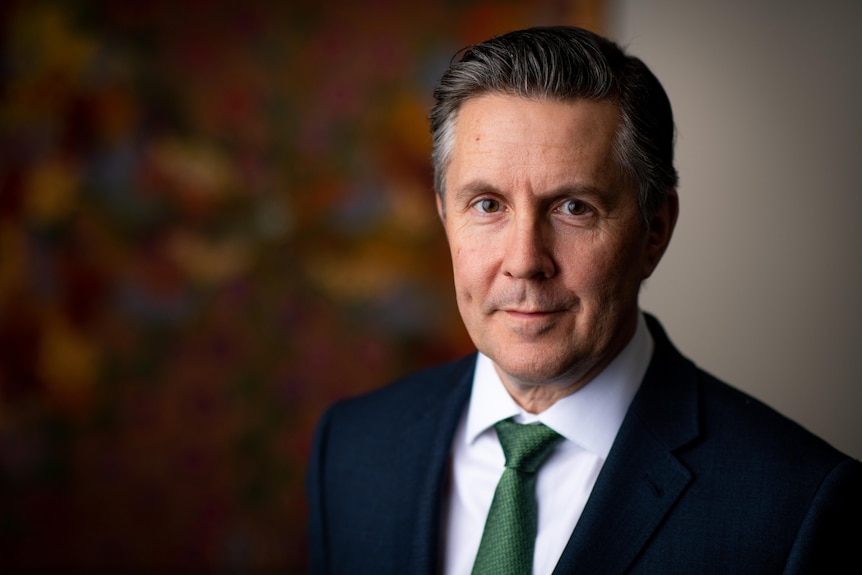
Health and Aged Care Minister Mark Butler says the government has made record investments in residential aged care. (ABC News: Che Chorley)
Health Minister Mark Butler said the Commonwealth had worked with state and territory governments in good faith, and they had now received a “significant uplift” in their funding for public hospitals.
“The states told us older, long-stay patients were the biggest issue when it came to the hospital system. In response, our government proposed a ring-fenced $2 billion for aged care services as part of the agreement, but states and territories chose to direct that funding into their hospital systems in deal negotiations,” he said.
“Our government has made record investments in our residential aged care and home care system to ensure every older Australian gets the care they deserve and doesn’t have to languish in hospital when they could recover at home — and we’ll keep working to improve wait times and the supply of beds across our aged care system.”
Now is ‘where rubber hits the road’ on Thriving Kids
The Thriving Kids program will also be on the agenda today, as uncertainty remains around the scheme.
The states and territories are expecting a verbal update on the program, which aims to divert children under nine years old with “mild to moderate” developmental delays and autism away from the NDIS.
Butler expects blindsided states to match $2 billion pledge for new program
As part of their public hospital funding negotiations, the states successfully pushed the program start date out by three months to October, saying they were not ready to proceed.
But questions remain about how exactly the plan will work on the ground, and the scheme has been a source of tension between the states and the Commonwealth, after they were caught off guard by the announcement of Thriving Kids last August.
One health minister told the ABC that while the states’ frustration with the program’s handling had eased somewhat, this point in negotiations was “where rubber hits the road,” and that more detailed discussions were needed on how each jurisdiction would deliver on the Commonwealth’s plan.
Thriving Kids is a key part of the government’s plan to rein in the NDIS’s growth, which costs $50 billion a year.