
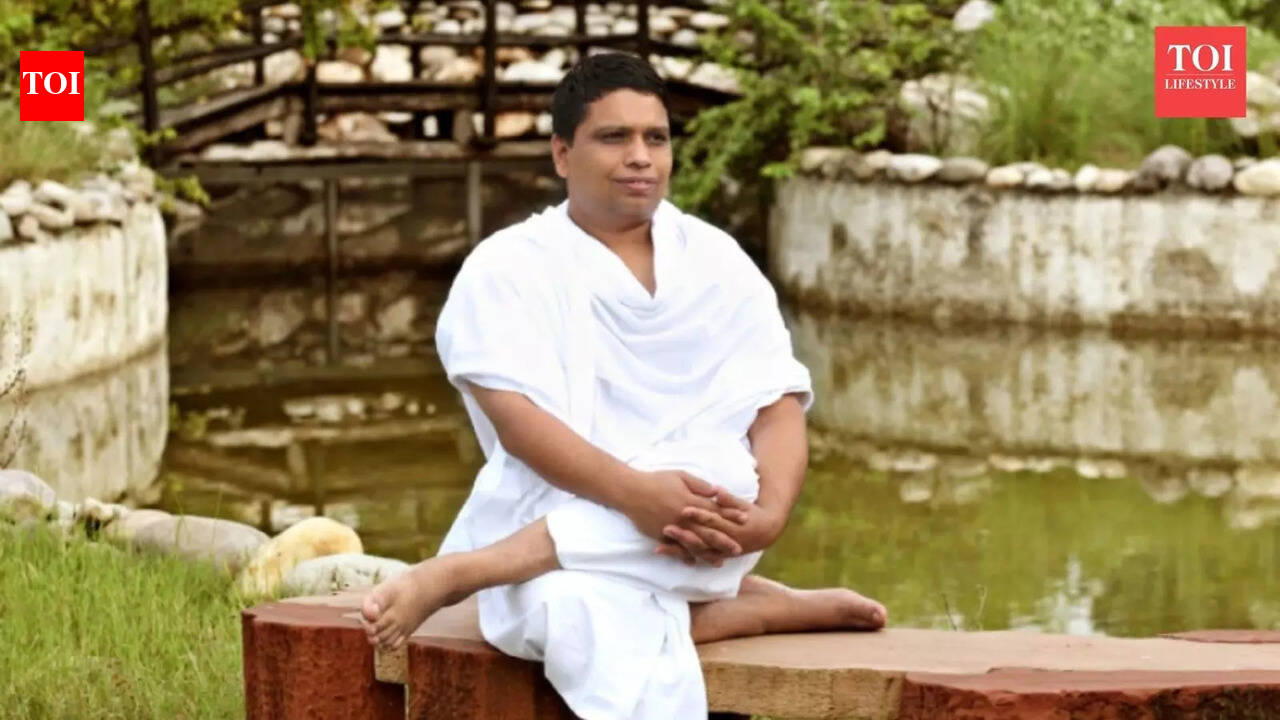
 Acharya Balkrishna, at the helm of Patanjali Ayurved, is casting a spotlight on the essential discourse surrounding Ayurveda, pressing for an evolution beyond ingrained fears and stigmas. He argues that real dharma is intertwined with rational thought and observation, much like the principles of science. In an interview with The Times of India, Acharya Balkrishna brings Ayurveda back into a serious health conversation. Known as the Managing Director of Patanjali Ayurved and a long-time collaborator of Baba Ramdev, he has quite frequently spoken about linking tradition with evidence. This interview does not sell miracles. Instead, it challenges fear, bias, and lazy thinking around Indian systems of health.
Who is Acharya Balkrishna and why people listen
Acharya Balkrishna is a scholar of Ayurveda who has spent decades studying ancient texts and working on modern formulations. He is also a public figure, which puts his words under constant scrutiny. That is exactly why this interview matters. When someone with influence speaks about health, the responsibility to be careful, honest, and balanced becomes very real.
Yoga poses that can help increase your strength
TOI’s central question: Belief or understanding
The host opens with a striking thought. Why are there seven colours in sunlight and not six or eight? Why are certain ideas shaped the way they are? The point is clear. Nothing exists without reason. Acharya Balkrishna responds by saying that dharma and science are not opposites. In his view, true dharma works on logic, observation, and experience, just like science does.
Ayurveda and the charge of bias
One of the strongest moments comes when he talks about distrust. According to him, many trained scientists and doctors dismiss Ayurveda without fully understanding it. At the same time, people also get scared by exaggerated warnings. He argues that fear should never guide health choices. Evidence should. This is a reminder that blind rejection can be as harmful as blind belief.
Episode 1:- Gyaan, Jeevan aur Aaj ka Bharat
Research, claims, and the need for caution
Acharya Balkrishna mentions that Patanjali’s research wing is not just a factory but a place of study. He refers to data-based observations, including cases related to diabetes management.
Ayurveda is not just about medicine
A key idea he repeats is widely ignored. Ayurveda does not begin with ayurvedic pills. It begins with daily habits. Food, sleep, movement, and mental balance come first. Medicines come later, if needed. This approach questions a culture that looks for instant cures while ignoring lifestyle damage built over 20 or 30 years.
Where Ayurveda and modern science can meet
Instead of pitching Ayurveda against modern medicine, Acharya Balkrishna talks about bringing them together. Ancient knowledge can offer direction. Modern science can test it. Products and practices should grow from both. This balanced view stands out in a time when health debates often turn into loud arguments instead of calm discussion.