

Published
12/02/2026 às 12:30
Updated
13/02/2026 às 14:23
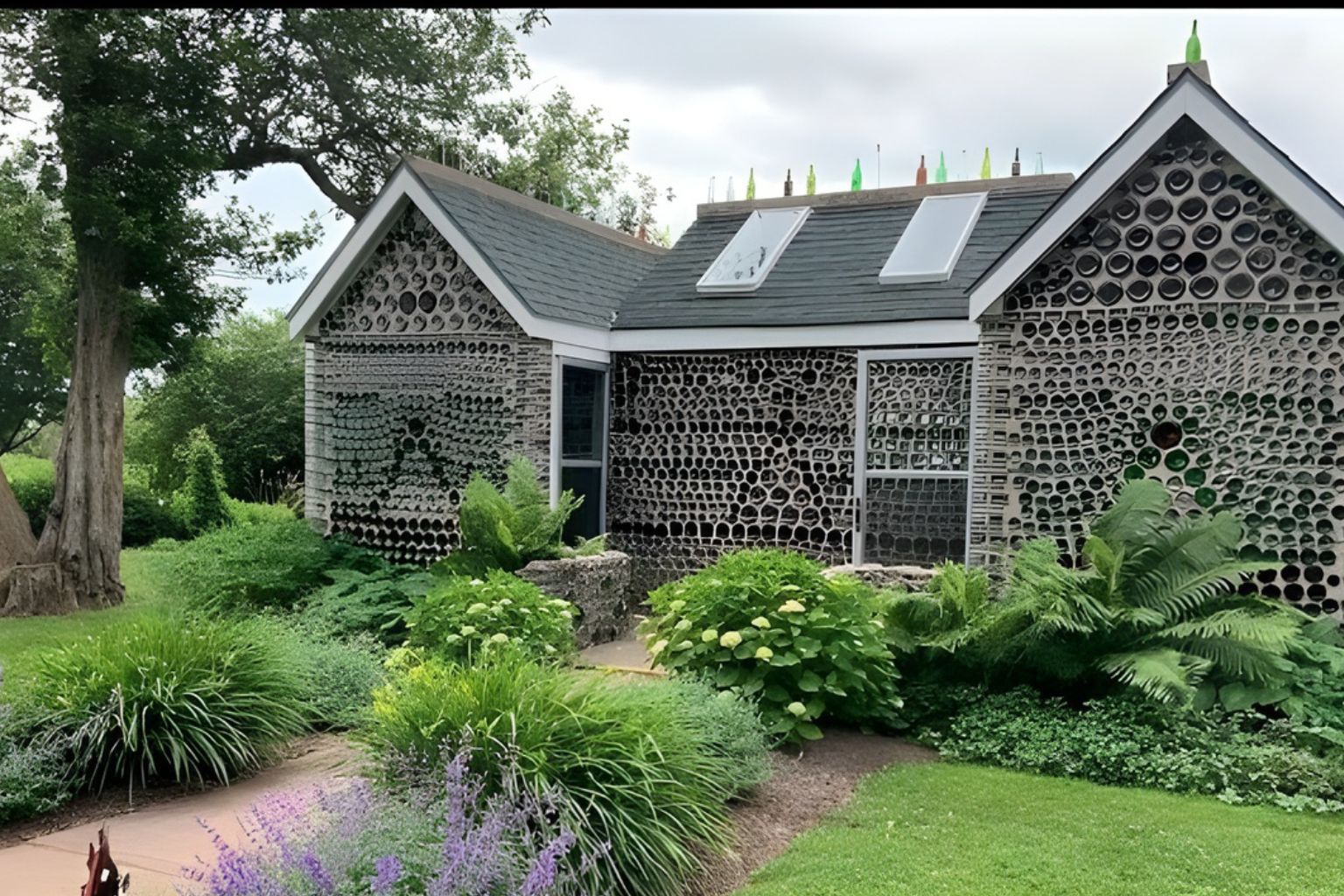
The project was carried out by Édouard ArsenaultArsenault, a retiree born in 1916 in the community of Wellington, on Prince Edward Island, in eastern Canada, began construction in 1980 and completed it in 1983, when Arsenault was already over 60 years old. Without formal training in engineering or architecture, he decided to reuse discarded glass bottles from local restaurants to erect a building that was completely unconventional. The result was an architectural ensemble known as the Bottle Houses, today one of the most photographed tourist attractions in the province.
Over 25 recycled bottles have been turned into structural walls.
Arsenault used approximately 25 recycled glass bottlesMost of it was obtained from restaurants in the region, which provided discarded containers from alcoholic beverages and soft drinks.
The bottles were incorporated into the walls using cement mortar. Far from being simple decoration, they are part of the vertical structure of the buildings.
— ARTICLE CONTINUES BELOW —
See also other features
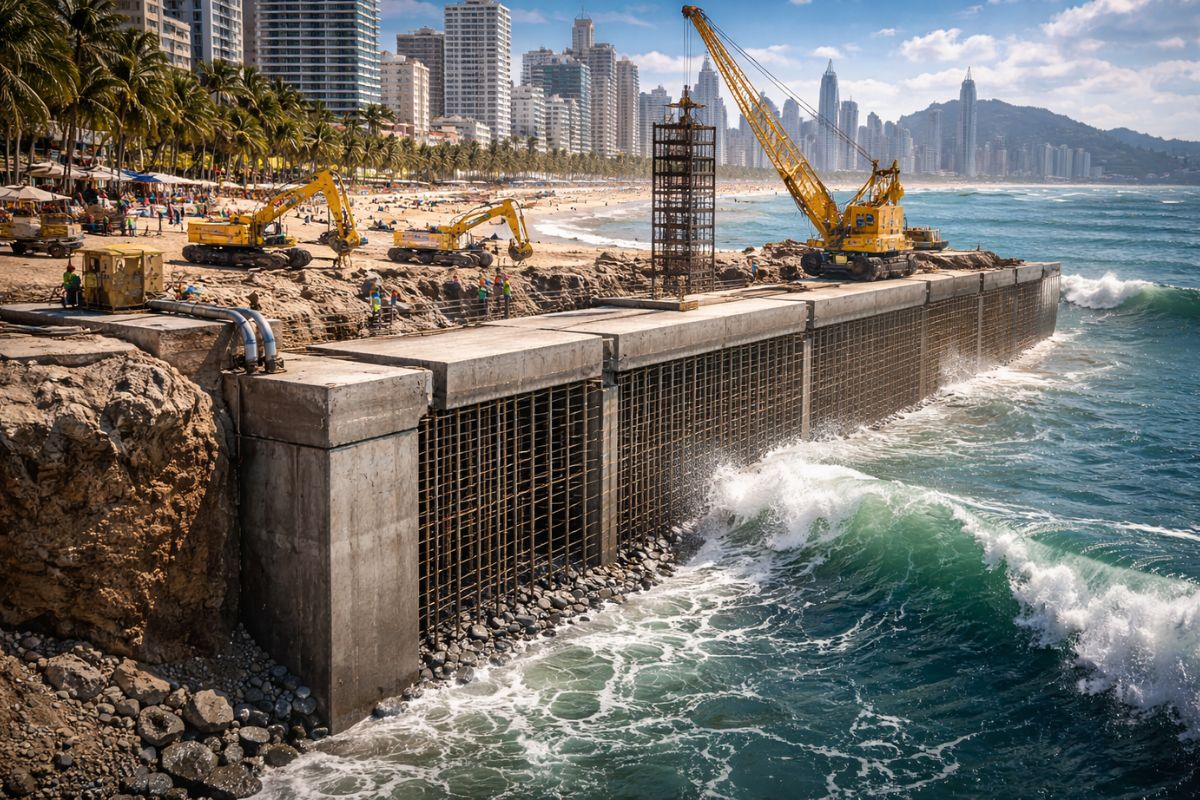
Measuring 6 meters in length, 2 meters in depth, and with a 2-meter-thick slab, the underground wall on Praia Central is a new attempt to contain the advance of the sea in Balneário Camboriú, following the widening of the beach and an expensive macro-drainage project that failed to deliver the expected results by 2026.
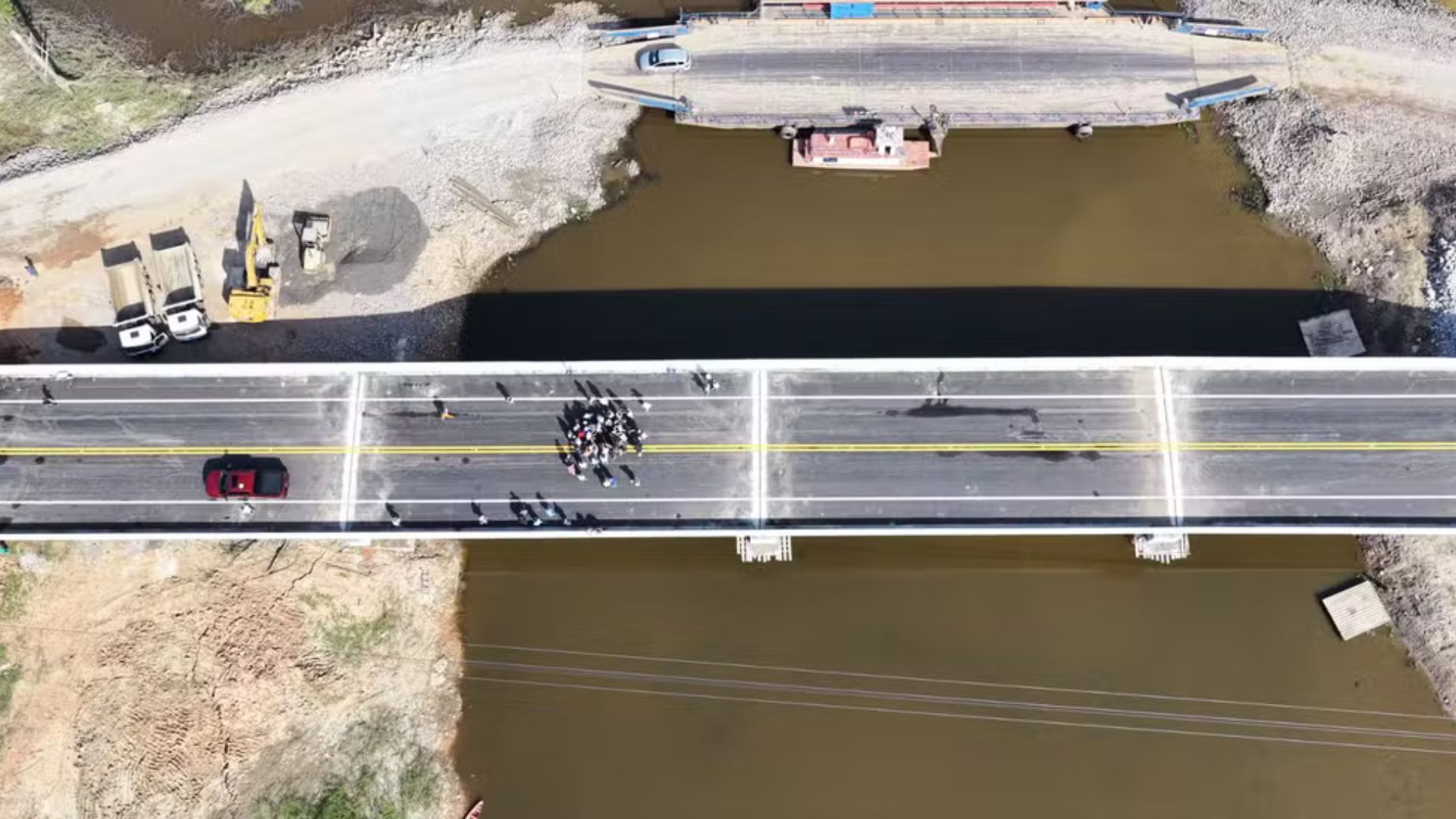
The Amazon region gains a 210-meter super bridge on the BR-319 highway with an investment of R$ 30 million, but “weak soil” forces DNIT (National Department of Transport Infrastructure) to redo the foundations after a collapse in 2022 and completely change the project.
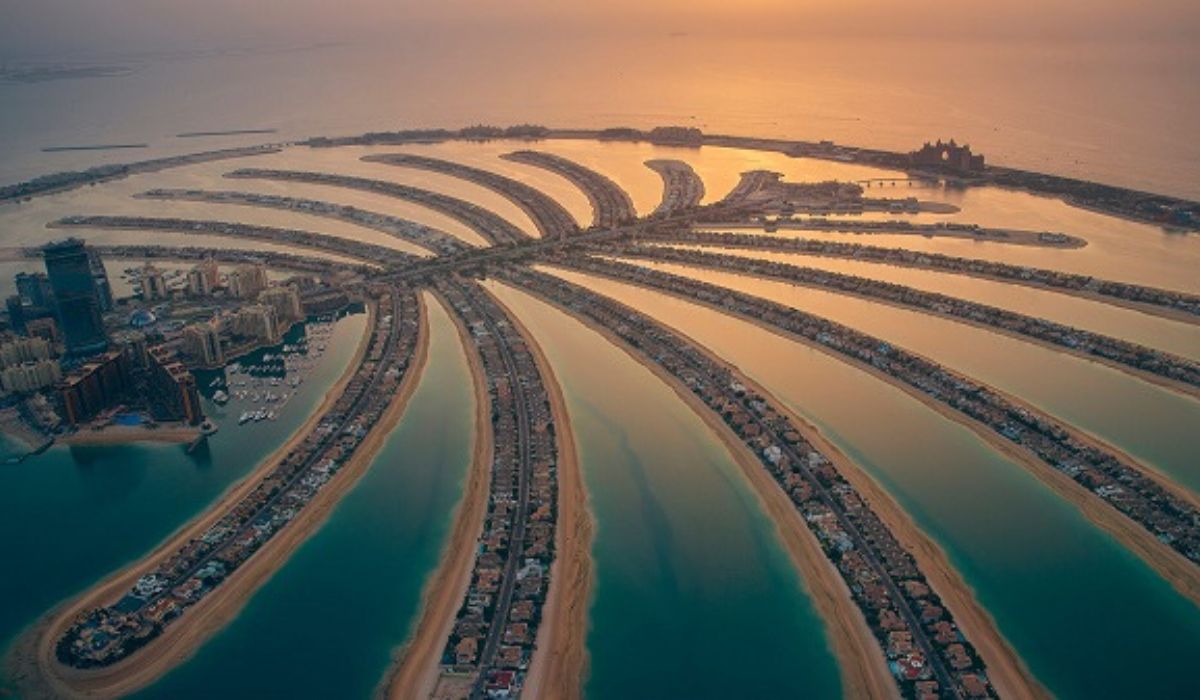
How Dubai dumped millions of tons of sand and rock into the sea, invested US$12 billion, and transformed its coastline into a technological paradise with the largest artificial island on the planet.
Builder constructs mini hydroelectric plant over a stream, clears the land, excavates a diversion channel, installs a dedicated turbine, adapts the system to 220V, and replicates real principles of hydraulic engineering on a reduced scale.

The visual effect is impressive: When sunlight passes through the colored glass, the walls create reflections and shimmers that transform the interiors of the houses into almost ethereal environments. The constructions include:
A main house
A small chapel
A decorative lighthouse
All built on the same plot of land, forming a unique architectural ensemble.
Technical structure: how glass walls work
Despite appearing fragile, the walls of the Bottle Houses are structured with layers of cement between the bottles, creating stability similar to lightweight masonry. The bottles act as both structural infill and a translucent element.
Technically, the glass is not the primary load-bearing element, but it functions as an integrated component within the mortar structure. The thickness of the walls and the density of the application ensure stability.
The technique is simple, but it requires precision:
Uniform positioning of the bottles
Consistent application of cement
Proper curing of mortar
The project became a classic example of creative structural reuse of urban waste, decades before the concept of a circular economy became a global trend.
From urban waste to tourist attraction.
What began as a personal project has transformed into one of the best-known tourist attractions on Prince Edward Island. After Arsenault’s death in 2004, the site was preserved and began to be managed as a historical and cultural landmark.
Today, the Bottle Houses welcome visitors during the tourist season, mainly during the Canadian summer months. The site is maintained by preserving the original structure built between 1980 and 1983.
More than four decades later, the houses remain structurally stable — a fact that is remarkable when you consider that they were built with materials considered “waste”.
Sustainability before it became a trend.
Édouard Arsenault’s project anticipated concepts that now dominate debates about sustainable architecture:
Reuse of solid waste
Reducing landfill waste
Creative use of recyclable materials
Low structural cost
Although not motivated by a formal environmental agenda, the ecological impact of the project is evident: thousands of bottles were diverted from landfills and incorporated into a durable structure.
The case is frequently cited in publications on sustainable tourism and alternative architecture as a pioneering example of structural reuse.
Alternative architecture and global inspiration
Canada’s Bottle Houses inspired numerous similar projects around the world. Houses made from PET bottles, recycled glass, and other waste materials began to appear in different countries in the following decades.
However, Wellington’s case stands out for three main reasons:
It was built almost entirely by a single person.
He used glass on a large structural scale.
It has become a permanent and economically relevant attraction for the region.
This transformed the complex into a symbol of Canadian rural creativity.
Tourism, local economy and legacy
Prince Edward Island was already known for its coastal landscapes and agricultural tradition, but the Bottle Houses have added a unique architectural element to the region’s tourist route. Beyond its cultural value, the site generates indirect economic flow through:
Ticket sales
Souvenir shops
Seasonal tourism
International dissemination
Arsenault’s work has ceased to be merely a curiosity and has officially become part of the province’s tourist circuit.
When creativity transforms waste into durable architecture.
Between 1980 and 1983, in Wellington, on Prince Edward Island, a retiree decided to see value where many saw only trash. The result was an architectural ensemble built with more than 25 recycled glass bottles, which remains standing to this day.
The Bottle Houses project is not just an aesthetic curiosity. It is a concrete example of how reuse, creativity, and manual labor can transform waste into durable and economically relevant structures.
Decades before “sustainable construction” became a global trend, Édouard Arsenault had already proven that discarded materials can gain a new life and even become historical attractions.