
ChatGPT had a good run. It was the first AI most of us ever talked to, and for a while, it was basically the only game in town. But things have changed — a lot. Anthropic just dropped Claude Opus 4.6, and if you haven’t tried it yet, you might be surprised how far ahead it’s pulled. From my experience it has even outperformed Google‘s Gemini 3 Flash.
Here are 9 reasons it might be time to make the switch.
1. It actually sounds like a person

(Image credit: Future/Amanda Caswell)
If you’re new to Claude, the difference in tone is something you’ll probably notice first. ChatGPT has a tendency to write in a very recognizable “AI voice” — you know the one. It repeats phrases and seems to have an anaology for just about everything.
You may like
It practically screams “a robot wrote this.” Claude’s writing, however, feels warmer, more natural and far less formulaic. If you use AI to help with emails, blog posts or anything where tone matters, the difference is night and day.
2. It can hold an insane amount of context
(Image credit: Anthropic)
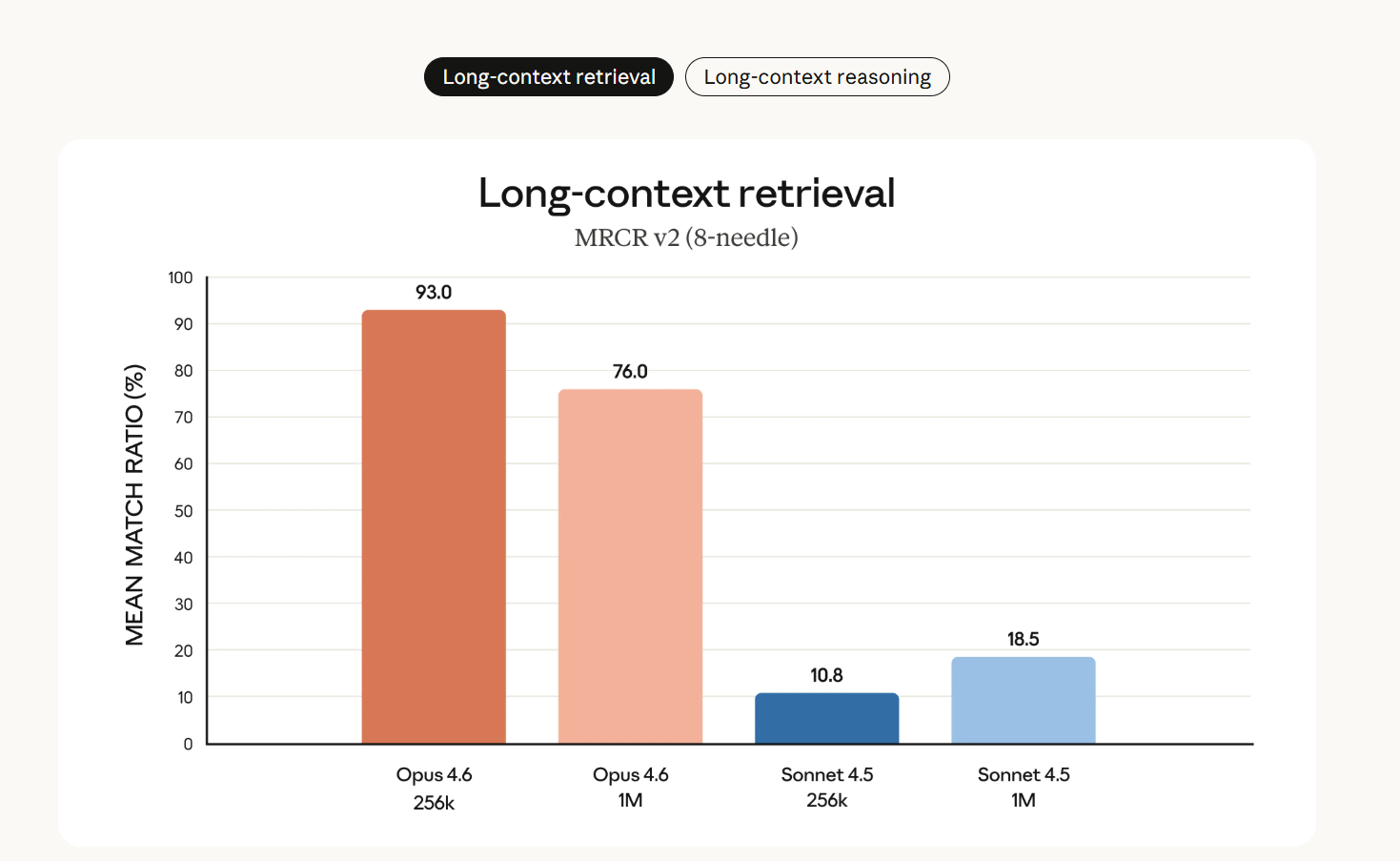
Opus 4.6 now supports a 1 million token context window (in beta). To put that in perspective, that’s roughly the equivalent of several full-length novels — or an entire codebase.
ChatGPT’s GPT-5.2 tops out at 128K. This means Claude can keep track of long, winding conversations, massive documents or huge projects without forgetting what you talked about 20 minutes ago.
3. It’s the best coding assistant for vibe coding
(Image credit: Shutterstock)
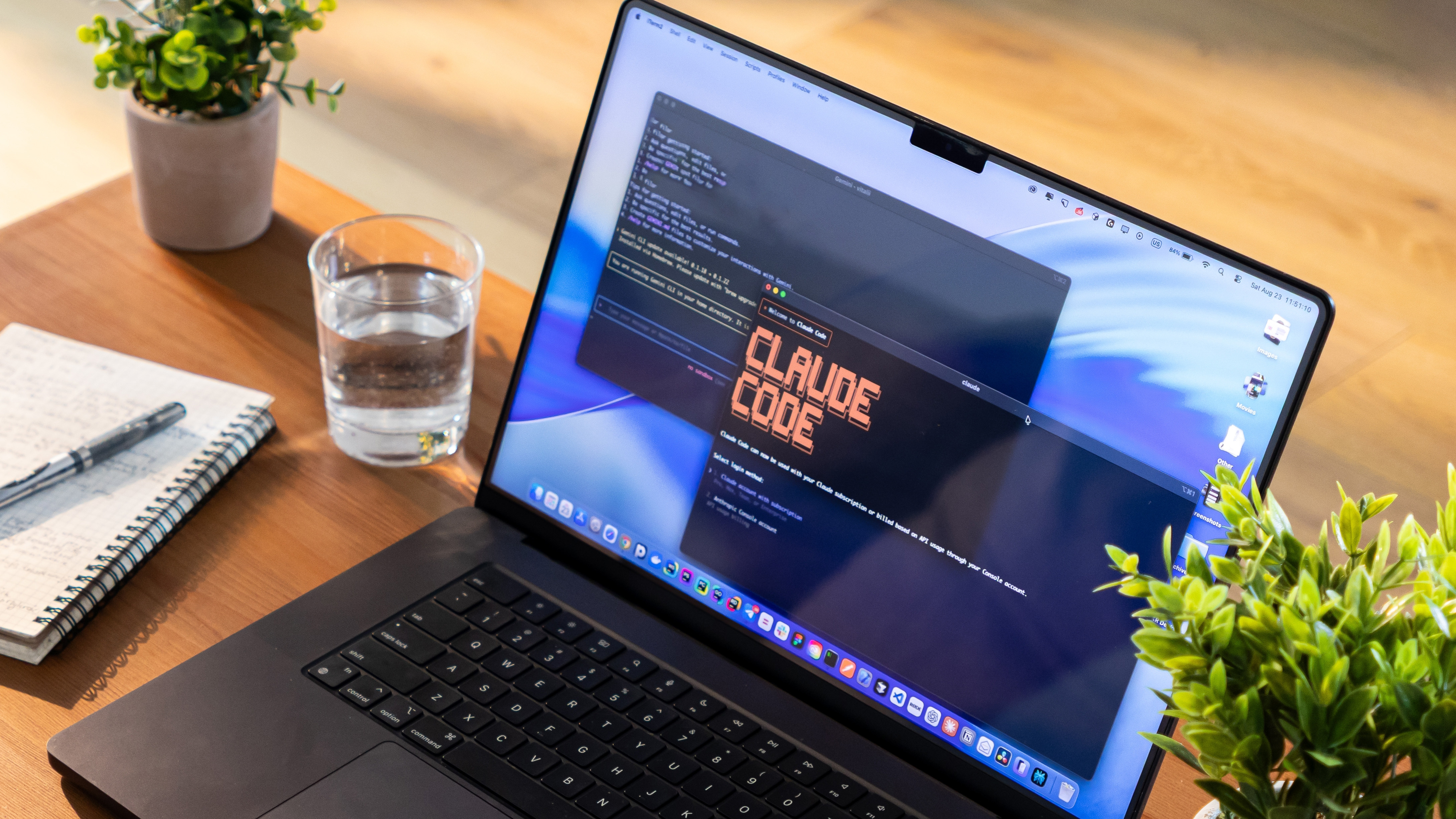
Claude was already a favorite among developers, and Opus 4.6 widens the gap. It scored 65.4% on Terminal-Bench 2.0 (an industry-leading agentic coding benchmark) and 72.7% on OSWorld for computer use — ahead of both GPT-5.2 and Gemini 3 Pro.
What I like about it is, you don’t need to care about benchmarks to notice the difference. It helps you write better code by working along side you. But it doesn’t just write cleaner code, it also catches subtle bugs better and doesn’t confidently hand you broken solutions the way ChatGPT sometimes does.
4. It doesn’t just give an answer — it thinks
(Image credit: Anthropic)
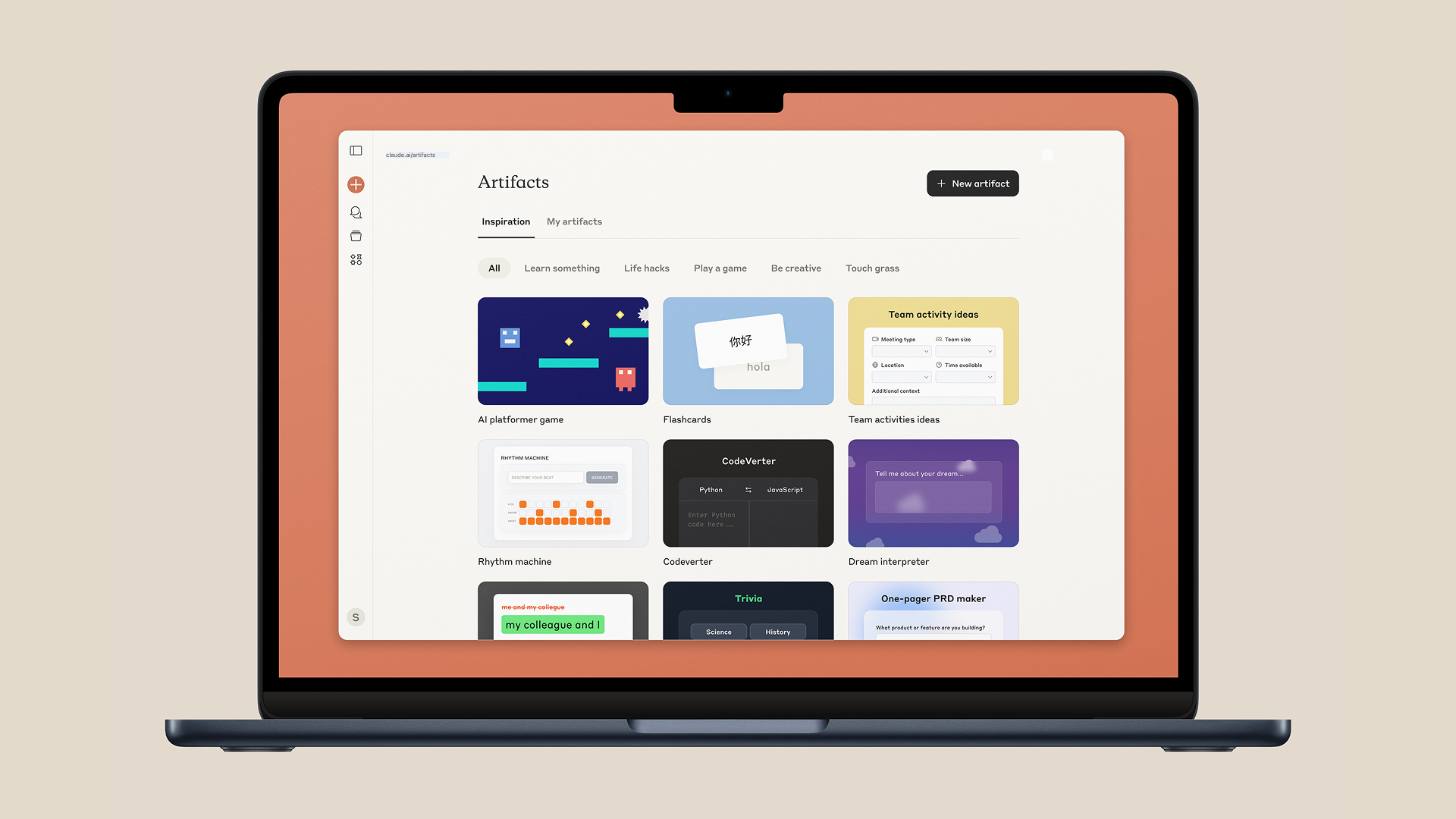
Opus 4.6 introduces “adaptive thinking,” where the model automatically decides how much reasoning effort a question deserves. Simple question? Quick answer. Complex multi-step problem?
It slows down and thinks it through properly. You don’t have to toggle between different modes like you do with ChatGPT — Claude just figures it out.
You may like
5. It’s honest about what it doesn’t know

(Image credit: Shutterstock)
One of the most frustrating things about ChatGPT is how confidently it’ll make something up just to please you. Claude has a reputation for being more transparent about uncertainty. It’ll tell you when it’s not sure instead of fabricating a plausible-sounding answer. For anything where accuracy matters — research, legal questions, health info — that matters a lot.
6. The price is the same for premium

(Image credit: ChatGPT vs Claude)
Claude Pro costs $20/month — same as ChatGPT Plus. And on the API side, Opus 4.6 is priced at $5/$25 per million tokens, unchanged from the previous version despite being substantially more capable. If you’re thinking of switching from ChatGPT to Claude, know that you’re essentially getting more for the same price.
7. It crushes knowledge work, not just trivia
(Image credit: Anthropic)
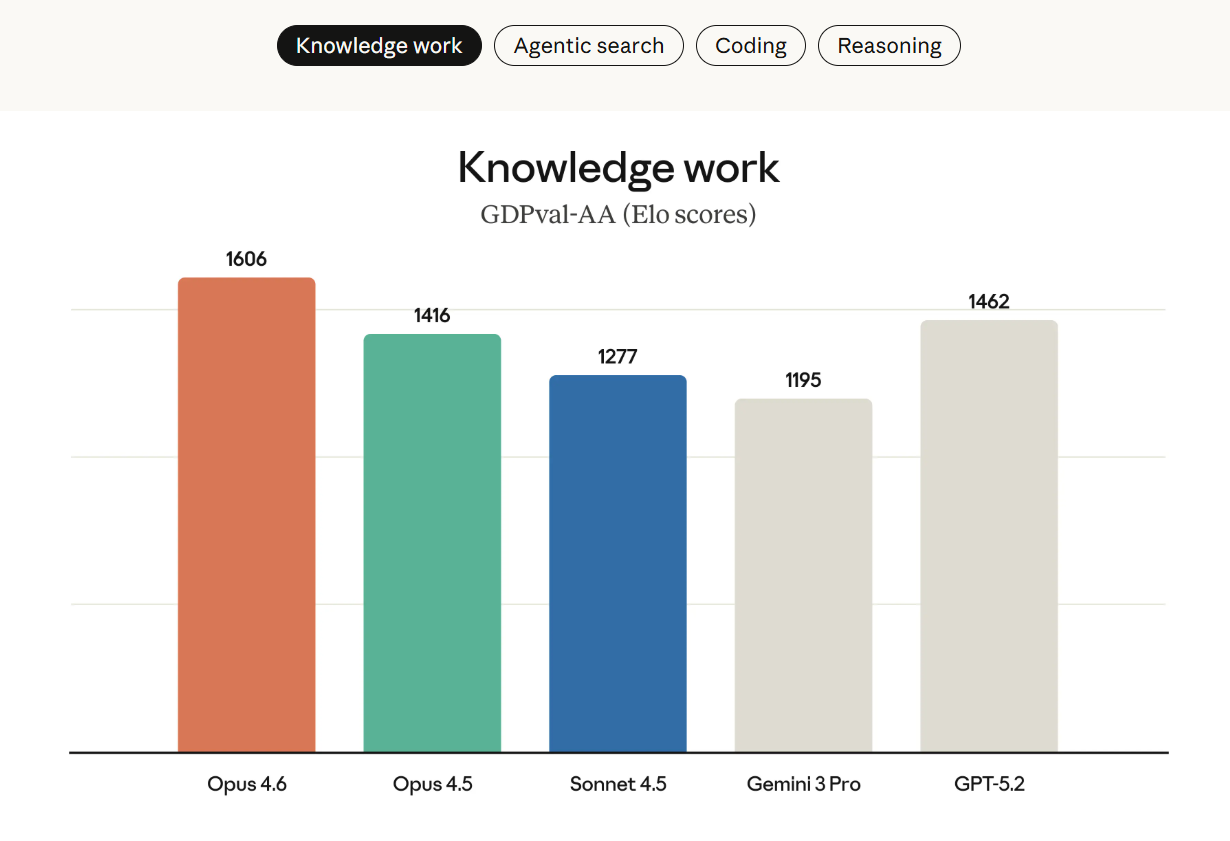
Opus 4.6 scored the highest on GDPval-AA, a benchmark that measures economically valuable work like financial analysis, legal reasoning and research synthesis — beating GPT-5.2 by roughly 144 Elo points.
Translation: if you use AI for actual work (writing reports, analyzing documents, summarizing research), Claude is the leader.
8. It creates real files, not just text
(Image credit: Shutterstock)
This is an underrated one. Claude can create and hand you actual Word docs, PowerPoint presentations, spreadsheets and PDFs right in the chat. The first time I tried it, I couldn’t believe that it actually drafted a memo on a Word doc. If you need a report formatted, a pitch deck or even a spreadsheet, Claude builds the actual file and gives you a download link. It also gives you a preview so you can decide if you actually want to download it. Rather than copying and pasting, you get more done in a single workflow.
9. It’s not trying to be everything

(Image credit: Claude AI)
ChatGPT has become a bit of a Swiss Army knife: image generation, voice mode, custom GPTs, browsing, plugins, an app store and now ads. That’s cool if you want an everything-app. But Claude’s approach is more focused — deep reasoning, solid writing all while getting complex work done right the first time. If what you mostly want from a chatbot is a smart, reliable collaborator, Claude is built exactly for that.
Bottom line
If you’re thinking about quitting ChatGPT and looking for an alternative AI, Claude might be what you need. It doesn’t have image generation or video generation capabilities like ChatGPT, but if you care more about productivity, writing quality, reasoning depth and getting serious work done, Opus 4.6 has pulled ahead in the ways that matter most.
Give it a try and see for yourself. Let me know in the comments what you think.

Follow Tom’s Guide on Google News and add us as a preferred source to get our up-to-date news, analysis, and reviews in your feeds.
More from Tom’s Guide