

Listen to this article
Estimated 3 minutes
The audio version of this article is generated by AI-based technology. Mispronunciations can occur. We are working with our partners to continually review and improve the results.
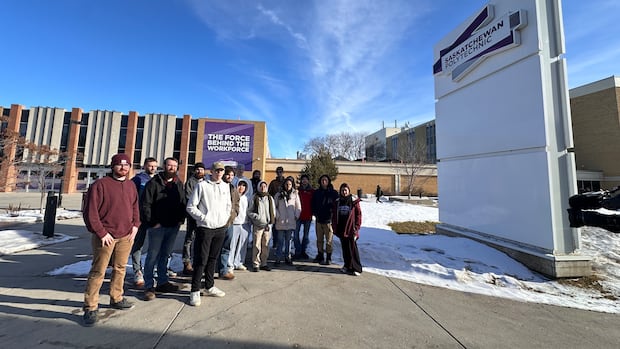
Students in the electronic systems engineering technology (ESET) program at Saskatchewan Polytechnic will now be able to complete their studies in Saskatoon after the school reversed an earlier plan that would have required them to relocate.
In a statement Friday, the institution said second-year students currently based in Saskatoon “will not be required to relocate to complete their studies.”
Officials said details about where the program will be delivered are still being finalized.
Students were informed in late January by email that their second year would only be offered in Regina. Some said it would have forced them to make the difficult decision to either move across the province or abandon their program.
WATCH | Sask. Polytech forcing students to change cities could trigger drop-outs: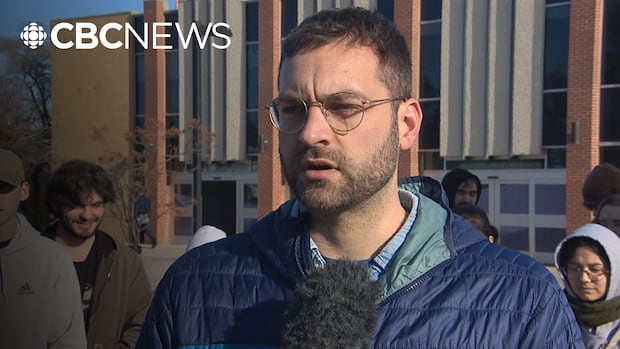
Sask. Polytech forcing students to change cities could trigger drop-outs
Some Sask Polytechnic students are in a bind after a sudden shift by the school’s administration. They’re speaking out after being told they’ll have to move to finish their programs.
Sask. Polytech said in Friday’s statement that recent academic program adjustments are needed to address a financial shortfall linked to “federal immigration policies and to support long-term program sustainability.”
The school added that relocating the program in 2027 will help ensure graduates “remain on the forefront of emerging technologies.” Applications for the Saskatoon campus for fall 2026 are not being accepted to support the transition.
Alex Loewen, a first-year student in the program, found out about the reversed decision Thursday evening, and said the latest development is encouraging.
“It’s a big relief that we’ve taken a step in the right direction and that we’ve been heard,” Loewen said. “But it is just the first step.”
Loewen said students are hoping any new location remains close to their current campus and is suitable for the program’s technical equipment and hands-on learning requirements.
“The equipment we use can’t just be plugged into the wall and it’s ready to go,” he said.
The initial decision — which would have moved students between years one and two without consultation — damaged trust with the administration, he said.
“I imagine [that would] cause most people to lose trust in the people in charge,” Loewen said, adding that public support and media attention appeared to play a role in the school reconsidering its plan.
For now, he said students are focused on finishing their education with minimal disruption.
“If we can get a result where we can continue and finish our education in a relatively undisrupted way, I think we’re going to say good enough.”