
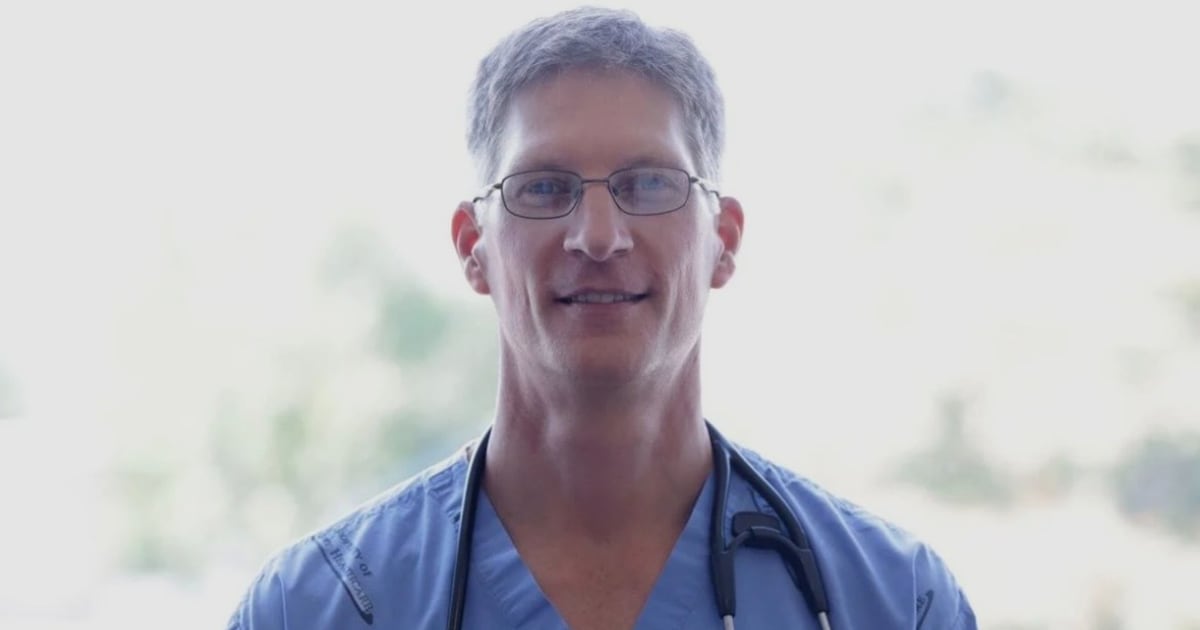
Dr. Michael Antil, who moved from the U.S. three years ago, wants to continue working at Albany Medical Clinic as a Canadian.
When Dr. Michael Antil moved his family to Toronto, he imagined a fresh start. Instead, nearly three years later, the family physician with more than 2,100 patients finds himself in limbo, still waiting for permanent residency that would allow him to fully put down roots in Toronto, a city he wishes to call home.
“It’s been an odyssey,” the 50-year-old doctor told CTV News Toronto in an interview.
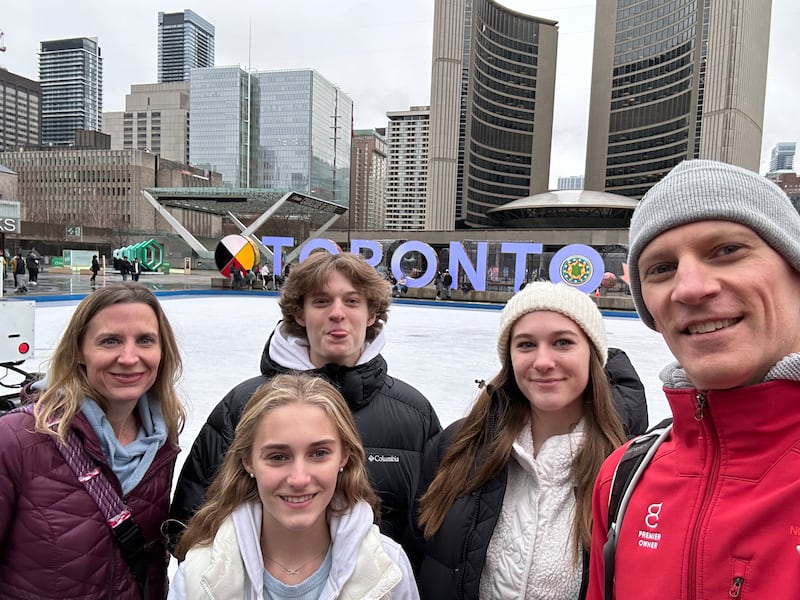 Dr. Antil and family Dr. Michael Antil (right) and his family pose in front of the Toronto sign at Nathan Phillips Square. (Supplied)
He, his wife, and three children—ages 15, 17 and 18—arrived from Pinehurst, N.C., three years ago, moving to a place where his family could experience something new and still not be too far from relatives. Professionally, with 18 years of experience under his belt, Antil was eager to work within Canada’s universal healthcare system and leave a workplace where he says it felt like money was prioritized over the patients’ best interests.
Antil set up his practice at Albany Medical Clinic after obtaining his licence with the College of Physicians of Ontario (CPSO) and a temporary work permit, which he says he was advised to get at the Peace Bridge border crossing in Buffalo, N.Y. Now, Antil says he has more than 2,100 patients rostered to him, though he adds it is likely more since the clinic is open every day of the week.
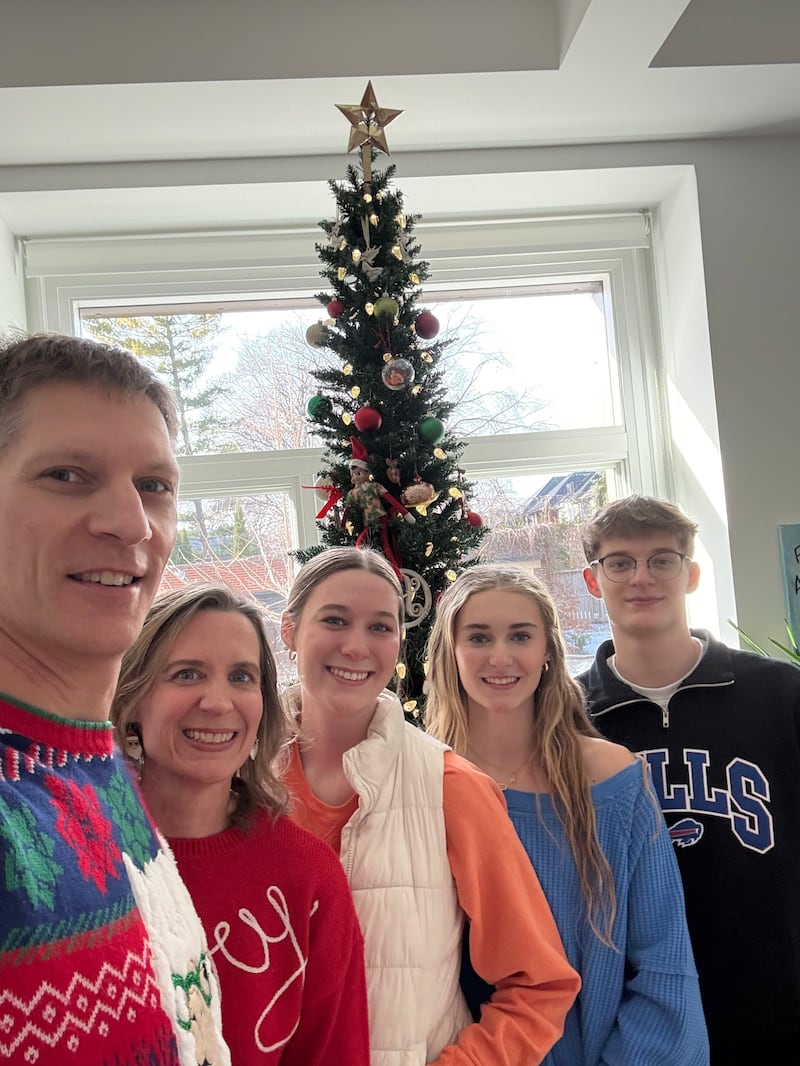 Dr. Antil and family Dr. Michael Antil and his family take a photo in front of their Christmas tree in their home in Toronto. (Supplied)
“I love it here. I love my job here,” Antil said. “I am more fulfilled than where I was before. I want to stay. My family wants to stay.”
Though already licensed and working, Antil learned that securing permanent residency here would be another uphill battle: one shaped by points systems and paperwork.
Antil’s odyssey-like immigration journey
Antil said he knew he wasn’t going to be able to apply through Immigration, Refugees and Citizenship Canada’s (IRCC) express entry program because he did not have enough points then under their points system.
Within a couple months of being here, however, Antil said he got an invitation “out of the blue” to apply for the Ontario Immigrant Nominee Program (OINP). This particular program puts skilled, educated and experienced individuals that could somehow help the province up for consideration—individuals like Antil.
His application was rejected, at no fault of Antil’s own, as he says the paperwork he needed wasn’t submitted on time because it took seven and a half months for the Medical Council of Canada to certify his medical diploma—something the CPSO had already done when they granted his medical licence.
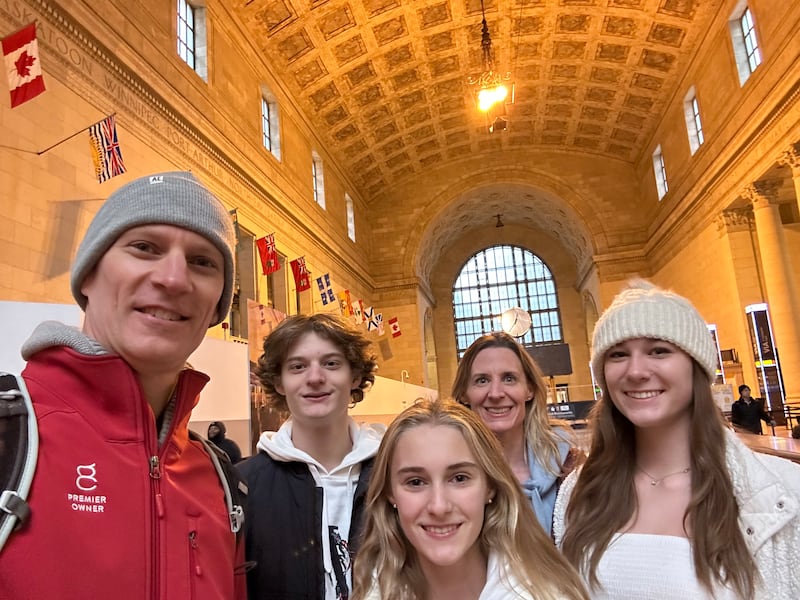 Dr. Antil and Family Dr. Michael Antil and his family take a picture inside Union Station.
“Nobody gave me an answer why it took them that long,” Antil said.
Once he got the remaining documents, Antil said he appealed. He waited. He says he never heard a response.
By that time, it was November 2024. Antil says his immigration points score had risen, as a year had passed since he started working and his wife got certified to teach English as a second language.
This time he applied through IRCC’s express entry program as a skilled worker. And this time, his application was rejected again over two clerical errors Antil said he made: checking off the box that said he had a doctorate degree instead of a professional one and submitting his wife’s educational credential assessment that did not contain IRCC’s stamp.
Ilene Solomon, one of the lawyers working on Antil’s file, called the immigration process “unforgiving,” saying Antil’s case highlights the rigidity of these “intentionally designed systems.”
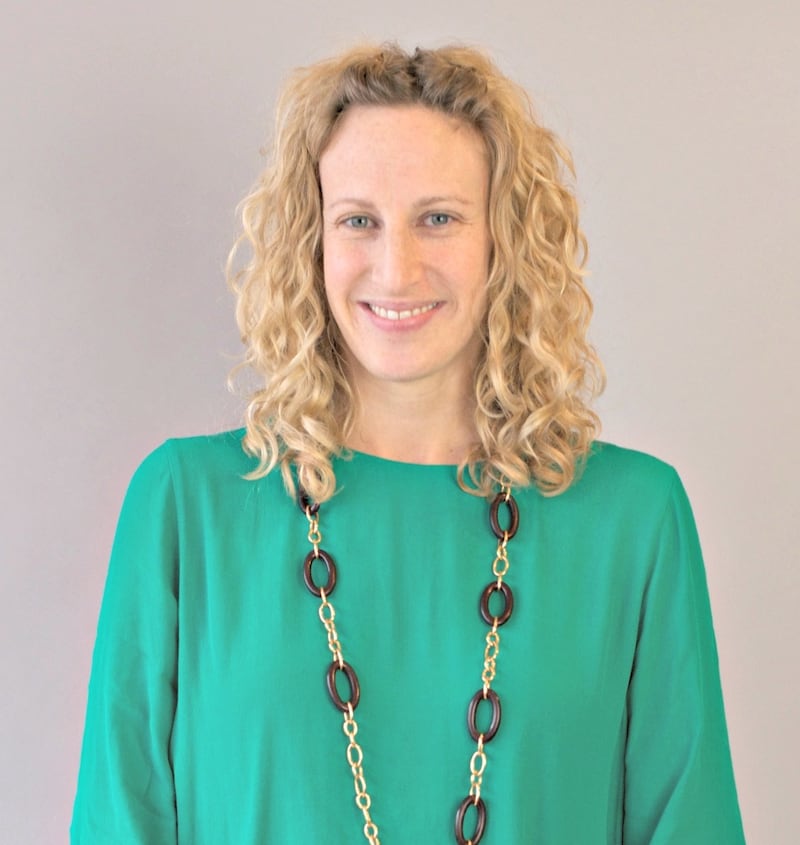 Ilene Solomon Ilene Solomon seen in this photo is one of the lawyers working on Dr. Michael Antil’s immigration case. (Supplied)
“It’s not surprising this happened and it’s unfortunate that this happened, but the rules are in place, and the government does kind of expect perfection,” Solomon told CTV News Toronto.
Antil admitted to his mistakes and said through the process, he’s learned that any misstep is “fatal.” By the time he could reapply, the federal government had changed the rules of its points system, which, in part, no longer gives job offer points, and suddenly, Antil was way behind.
“You don’t get compounding interest, you get diminishing returns. The more you work here, the more patients, the more committed you show to your job and profession and staying in Canada, the less you’re rewarded,” Antil said.
Ontario is in dire need of primary care physicians. Dr. Zainab Abdurrahman, president of the Ontario Medical Association, tells CTV News Toronto that there are still 2.5 million Ontarians who do not have access to family doctors.
The shortage of family doctors may soon worsen, Abdurrahman added, pointing to a recent survey the OMA conducted, which revealed more than half (52 per cent) of doctors are considering retirement or are planning to retire within the next five years.
“We still do see the issues within family medicine are being quite dire and, frankly, Ontario families need more doctors,” Abdurrahman told CTV News Toronto. “We welcome any efforts that support qualified doctors who want to build their lives and careers here.”
New express entry category
In December of last year, the federal government announced it is broadening which professionals can apply for an express entry program, opening the qualifications to medical doctors as a way of addressing the critical labour gaps seen within the industry across Canada.
The IRCC tells CTV News Toronto it is creating a new category for international doctors with at least one year of work experience in Canada, earned within the last three years.
On top of that, the immigration agency says the federal government is reserving 5,000 spots for Canadians to nominate licensed doctors with job offers, in addition to the Provincial Nominee Program allocations each year.
The Ontario Immigrant Nominee Program also made a change to the CPSO certificate requirements to fall in line with the college’s recent changes, allowing self-employed physicians with a provisional class of registration to apply.
The Toronto Region Board of Trade called for an “urgent overhaul” of OINP on Thursday. Part of the recommendations the board put forward to the province includes reorienting the program toward high-skilled immigration streams, including a health care stream that could cut down excessive costs and lengthy processing times so internationally trained doctors can work sooner.
Solomon says they are pushing for Antil to obtain his permanent residency under the new express entry category, but they are still waiting for an invitation to apply. The IRCC says these invites will be issued sometime in “early 2026,” but it is unclear when.
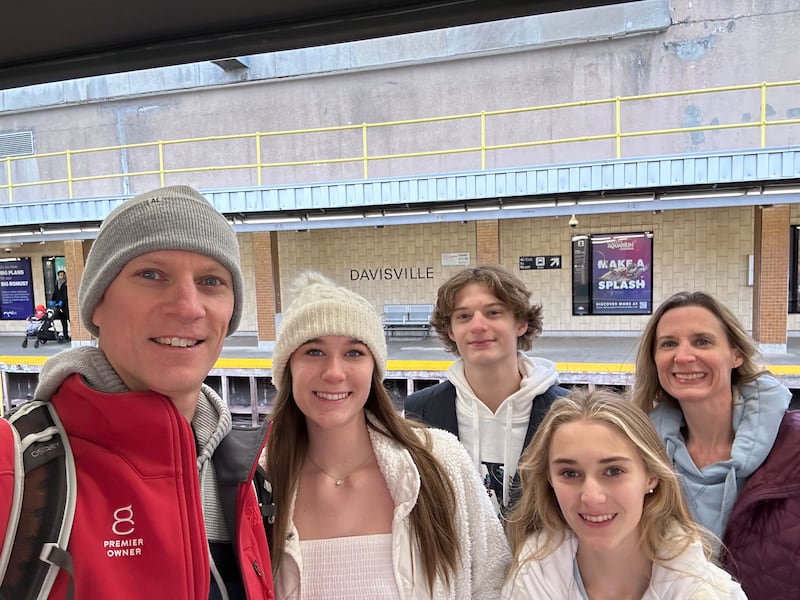 Dr. Antil and family Dr. Michael Antil and his family take a picture at Davisville Station. (Supplied)
Antil has two years left on his work permit. He says he is not interested in renewing his work permit “ad infinitum” and forever holding onto the title of foreign temporary worker.
“I love working in Canada. This is a great place to come and work. The profession is so fulfilling here, but there’s this sticking point about the immigration process that we’ve got to get worked out,” Antil said.