
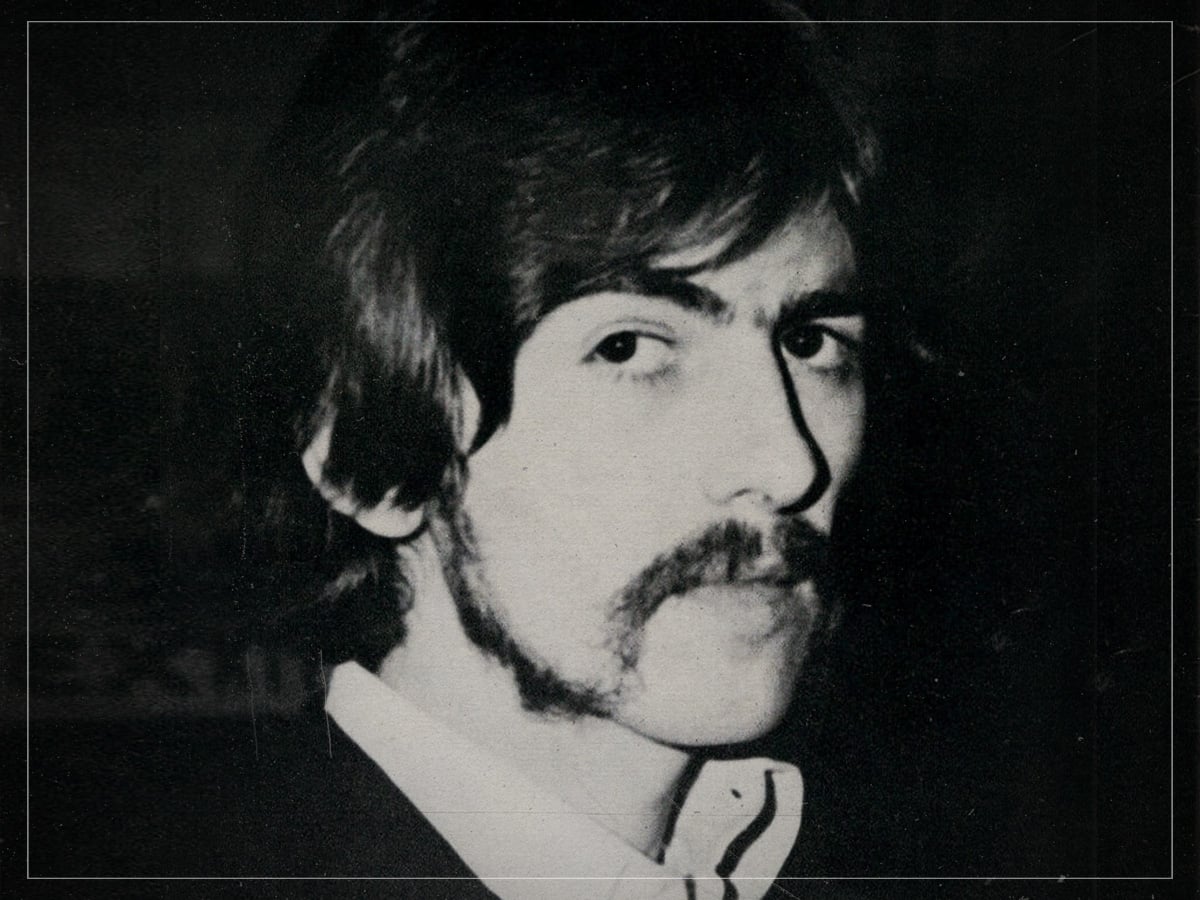
It’s practically impossible for any member of The Beatles to leave too big a stain on their legacy. Even though Ringo Starr has easily been the least ambitious as a solo star, his post-Beatles career still had its fair share of highlights, with hit songs that could compete with his former bandmates. Although George Harrison was poised for a breakout solo career with All Things Must Pass, the following decades saw him falling out of the public’s good graces.
Though Harrison’s first slump came in the mid-1970s with the release of albums like Dark Horse, the 1980s weren’t kind to the guitarist right out of the gate. Although the death of John Lennon earned Harrison another hit with the tribute track ‘All Those Years Ago’, his unwillingness to cater to the youth market led to him not caring about how his work sounded, leading to a handful of disastrous albums like Gone Troppo and Somewhere In England.
By the time Harrison found the inspiration to make new music with Jeff Lynne on Cloud Nine, though, he was a re-energised version of the Beatle everyone had gotten to know, blending his spirituality with a modern ear for production. Harrison may have had to begrudgingly go through the ‘80s, but any song with Harrison’s passion behind it is better than a song that sounds like he’d rather be anywhere else.

There aren’t many pop-punk bands that could go through a career reinvention. When Green Day birthed the genre with their breakout album Dookie, their brand of snotty punk rock was sophomoric by nature, focusing on a juvenile sense of humour. That kind of music isn’t supposed to grow up, but Green Day taking themselves seriously did have diminishing returns.
After knocking it out of the park with their two back-to-back rock operas, Billie Joe Armstrong had the idea to go even more ambitious for the follow-up. Crafting a trilogy of albums, Green Day cobbled together the most toothless songs they ever created, with a handful of tracks having fans questioning what they were thinking, like on ‘Nightlife’ and ‘Fuck Time’.
Looking back on the trilogy era, even Armstrong couldn’t defend their decisions, chalking the projects up to his judgment being impaired from his addiction to prescription drugs. Green Day were still considered one of the leaders of all things rock, but they had a long way to go before Revolution Radio got them back on track.

No one expected Weezer to have much of a shelf life past the late 1990s. Although their brand of snide pop rock moved millions of rock fans past the sludginess of grunge, the release of Pinkerton practically killed their career by going too dark. Despite their sophomore release gaining acclaim in retrospect, Rivers Cuomo did his best to move as far away from that sound as possible.
Though Weezer was able to reunite at the start of the 2000s, their first efforts of playing it safe led to them dipping their toes into pop territory, leading to songs that felt toothless on the album Make Believe. While the band could play to their strengths a little bit more on their self-titled Red Album, Raditude was a sharp drop in quality that no rock fan ever saw coming.
Collaborating with the biggest names in pop music, Cuomo tried to play himself up as a swaggering frontman that didn’t work at all, especially on the lacklustre party anthems like ‘Let It All Hang Out’ and ‘Can’t Stop Partying’. Although Cuomo has never spoken negatively about Raditude, it’s a real testament to the album’s quality when the band had to release the album Everything Will Be Alright in the End as a retroactive apology.
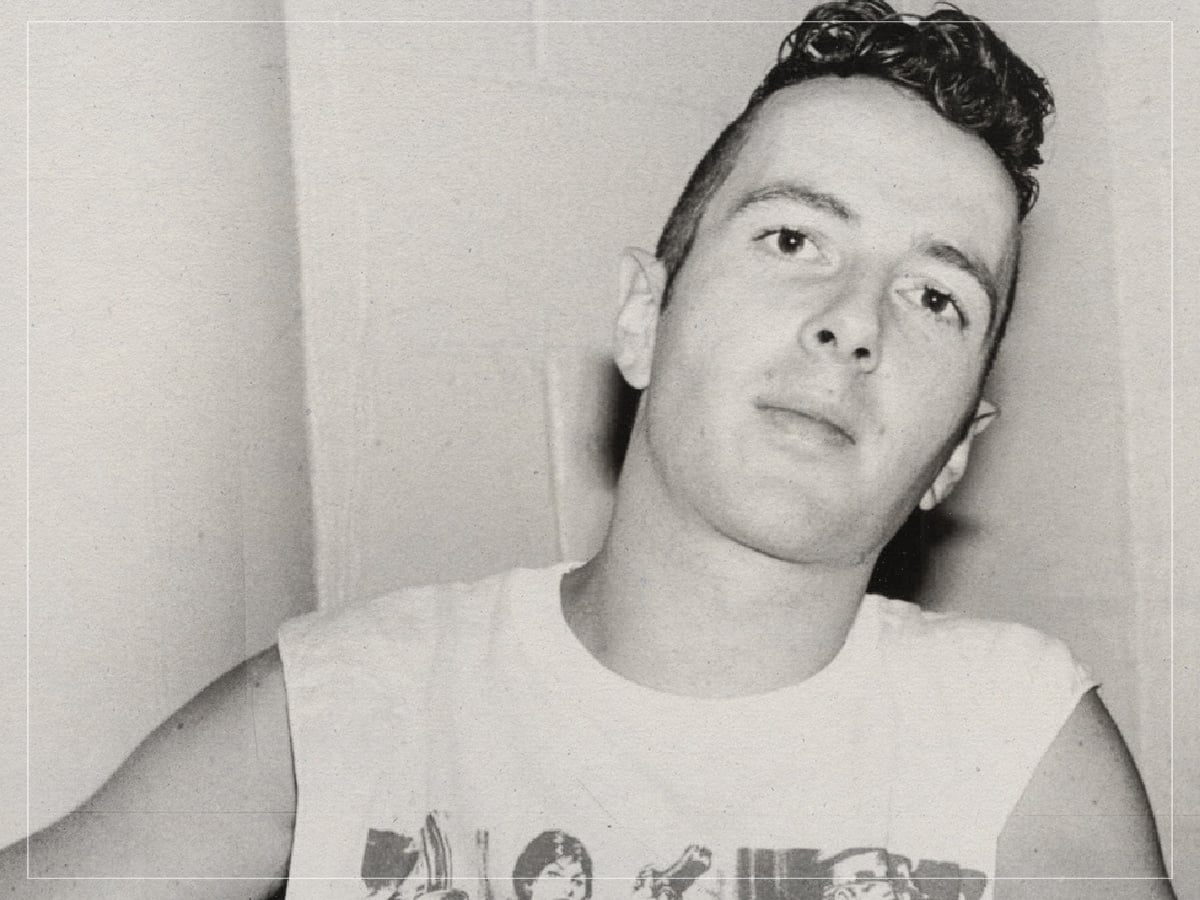
Towards the start of the 1980s, it looked like punk rock had finally started to flame out. Since the Sex Pistols and the Ramones were going through various band shakeups in the MTV era, it looked like The Clash would become the next leaders of the movement, with Combat Rock launching them to rock-god levels of acclaim. As soon as they tasted that success, things started going off the rails.
Being fed up with Mick Jones’ need to be in the spotlight, Joe Strummer made the grave error of ditching his writing partner, assembling a new version of The Clash for the album Cut the Crap. Although Strummer did his best to reinvent The Clash on their next album, what transpired turned into the biggest pile of electronic drivel the band would ever work with, almost sounding like they forgot the lessons that they had preached to the masses on their previous output.
Even though ‘This Is England’ stands up as a decent track, Strummer disowned the album after The Clash called it quits, not even being included in the box sets featuring all of the band’s material. While The Clash’s star may have been brighter than any of their contemporaries, Cut the Crap was one of the only times ‘The Only Band That Mattered’ sounded lethargic and boring.
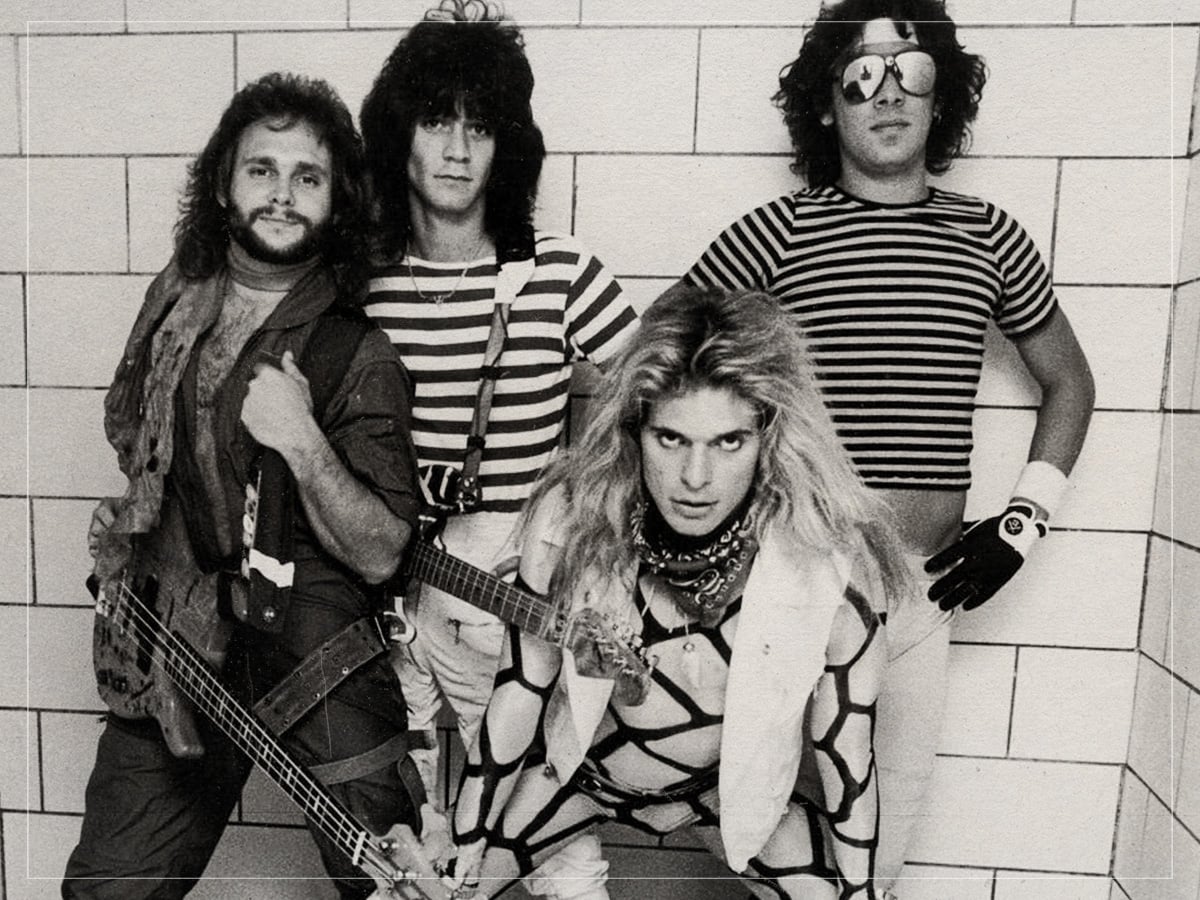
During the mid-1980s, Van Halen had recovered from a body blow that would leave most bands in shambles. After tumultuous years with David Lee Roth behind the mic, his expulsion after the album 1984 left fans worried about how the band would find a replacement for him. Despite launching themselves to even greater success with Sammy Hagar, things worsened when Hagar left the group in the 1990s.
During a lull in their career, Hagar’s dismissal led to Eddie hiring Extreme’s Gary Cherone into the fold for Van Halen III, which became one of the most infamous albums to be released by a mainstream act. Although Eddie is still at the top of his game, the meandering nature of the songs leads to a record that has virtually no hooks, especially when stretching on for eight minutes at a time in a few spots.
While Cherone would be sent packing a few years later, the most significant blow to the group was Eddie’s confidence being shaken as a songwriter, leading to only one more album during his lifetime with A Different Kind of Truth. Roth and Hagar may have had their unique sonic spice that gelled with Van Halen, but the band’s work with Cherone sounds like no one knew what they should do.
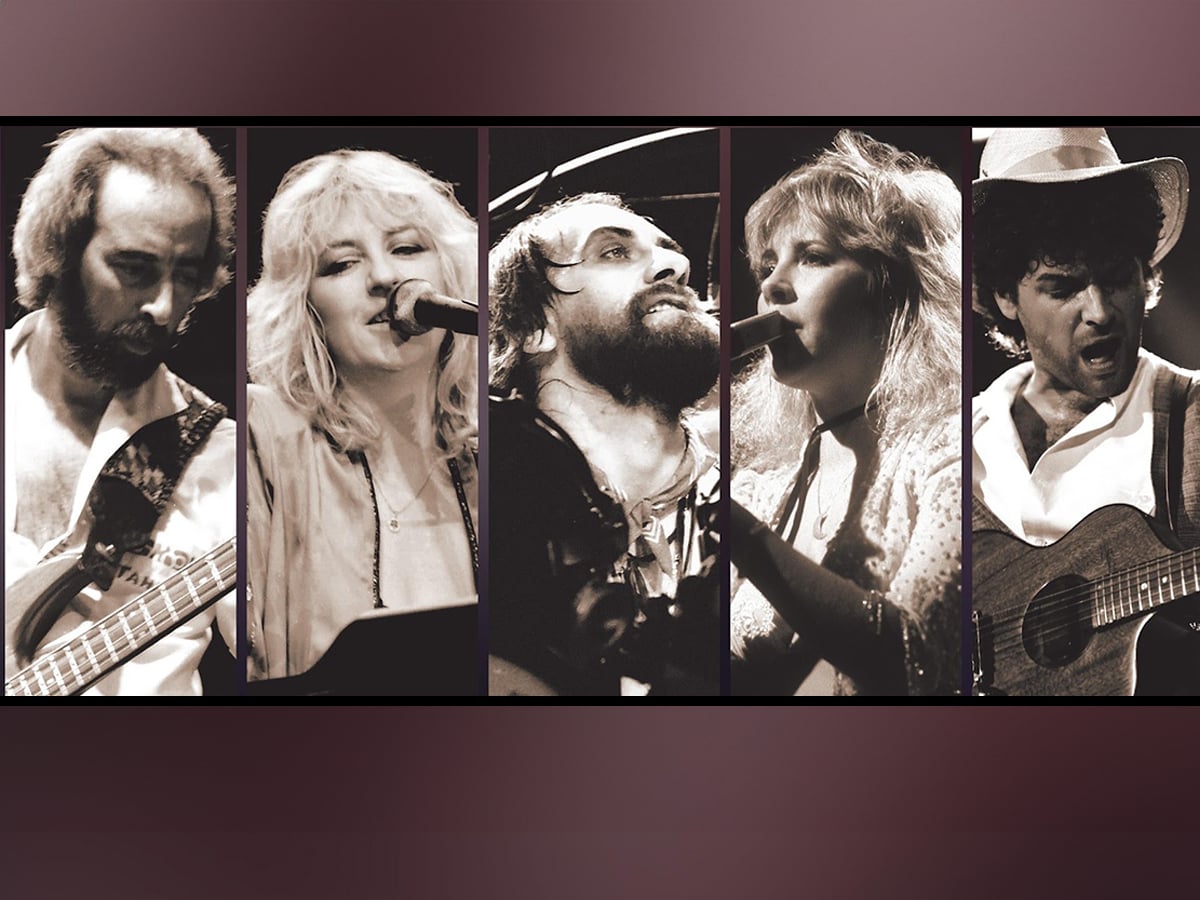
It practically takes a scorecard to figure out just what the hell was going on with Fleetwood Mac through most of their career. While starting as a fixture of the English blues scene in the 1960s, they never found their true calling until working with Stevie Nicks and Lindsey Buckingham, bringing a rootsy approach to rock on albums like Rumours and Tusk. Once the prominent members leave, though, where exactly are you supposed to go?
Following a few hit-and-miss albums in the 1980s, Fleetwood Mac began going through a few tumultuous years, with everyone pursuing solo projects while also coming together for a record now and again. Although things were on an even keel, one band meeting ended with Nicks and Buckingham getting violent with each other, which left the rest of the band scrambling once they left.
Although the group had worked without Buckingham before, bringing a couple of no-names into the group for records like Behind the Mask and Time led to them sounding like a neutered version of themselves, coupled with Christine McVie not wanting to be in the studio. Compared to the magic that radiated off Rumours, the band’s 1990s output feels like a half-hearted Fleetwood Mac cover band than the real deal.
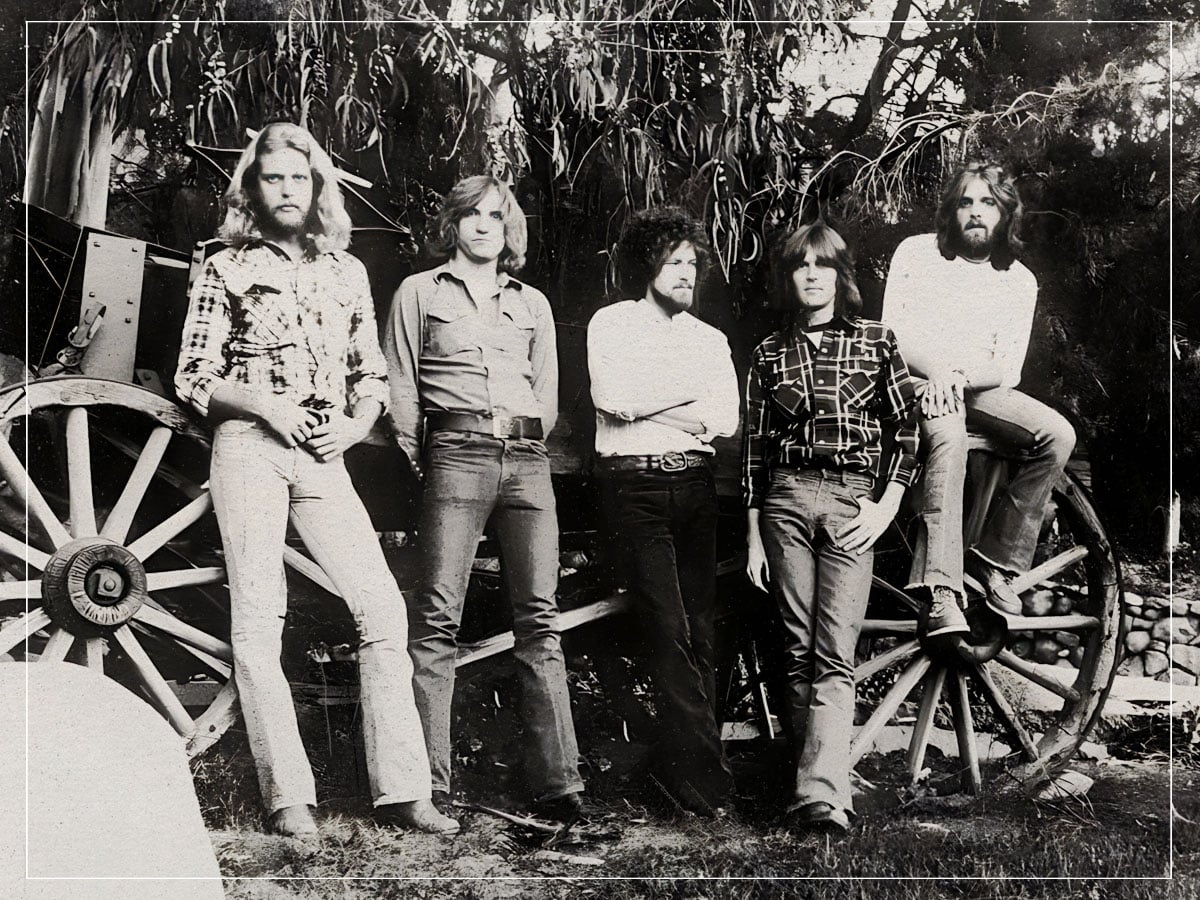
There’s a case to be made that the Eagles have never really had a fall from grace. Although there have been a few albums that have underperformed, there has never been a full-on disappointment to speak of in their catalogue. Then again, not every fall from grace can be heard on a record. It’s when they took to the road that things started to go off the rails.
Following the problematic sessions for the album, The Long Run, the band’s growing animosity towards each other came to a head when playing a benefit concert. Angered by a passing comment from Don Felder, Glenn Frey stormed into his backstage area before taking to the stage seething with anger. For the entire show, Frey and Felder can be heard hurling insults towards each other, threatening to kick each other’s ass when they get off the stage.
Once they fulfilled their contractual obligations, the Eagles called it a day, with each member going on to solo careers before reuniting for the Hell Freezes Over tours in the 1990s. While it’s easy to relive the glory days in retrospect, no one expected to hear another ‘Hotel California’ or even a ‘Take It Easy’ out of them once that performance was finished.
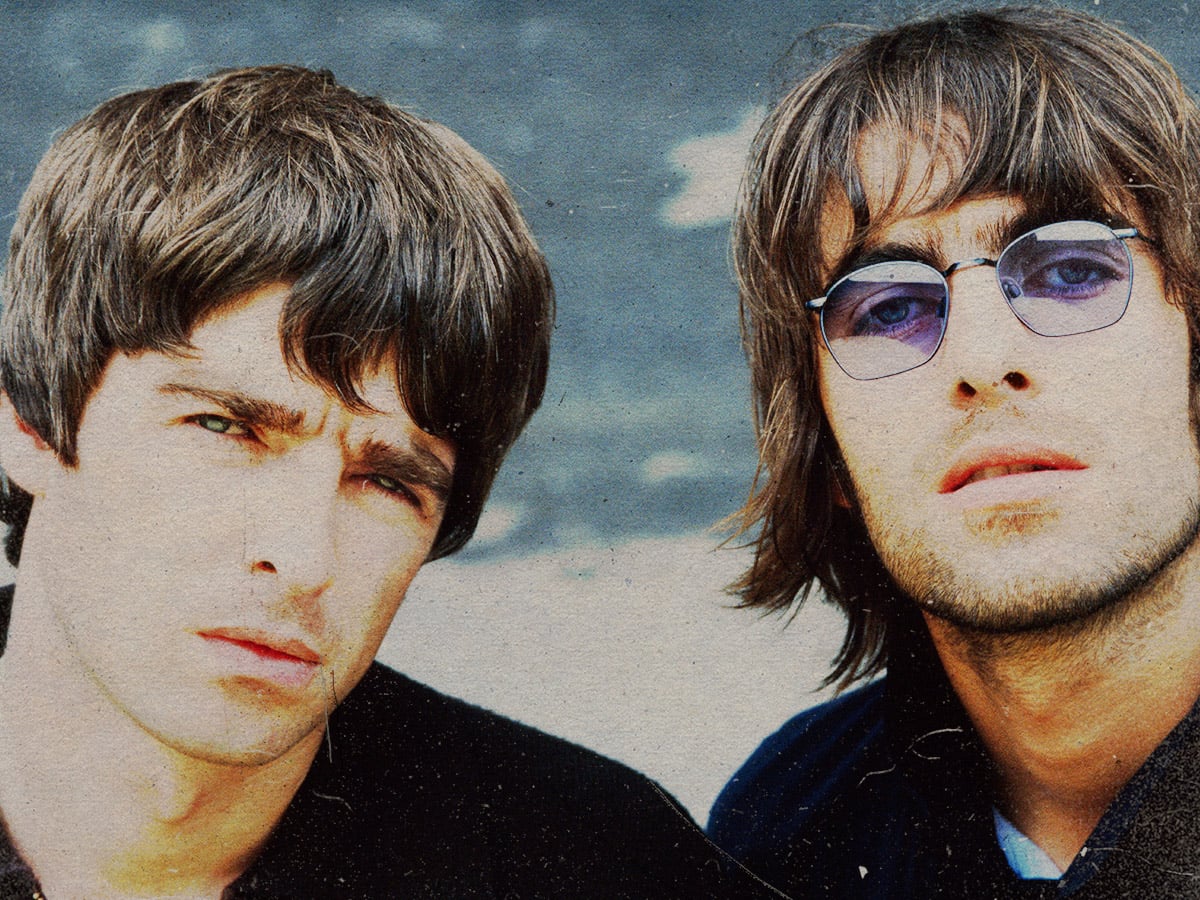
For a brief moment in the mid-1990s, it looked like Oasis would be a big enough band to rival their heroes. Even though they may have talked a big game in interviews, their love for classic rock made for the biggest songs of the decade on albums like Definitely Maybe and What’s the Story Morning Glory. Though Noel Gallagher was determined to make the third outing an even more dramatic affair, Be Here Now became one of the biggest faceplants of the decade.
Although fans and critics were kind to the record upon release, the afterglow ran out pretty quickly, with fans slowly changing their tune. Being high off their own success, Oasis turned in songs with outrageous runtimes and the goofiest lyrics committed to tape, including Noel’s nonsense diatribe ‘Magic Pie’ and the ‘Hey Jude’-lite anthem ‘All Around the World’.
Despite recovering from their past mistakes in the 2000s, something had changed with Noel’s songwriting, being more introspective and sobering in his lyrics rather than the swaggering confidence of his earlier work. There is a great album to be made by trimming the fat off of Be Here Now, but considering how history played out, there’s a good chance that Oasis should have split up after their mammoth gigs at Knebworth.
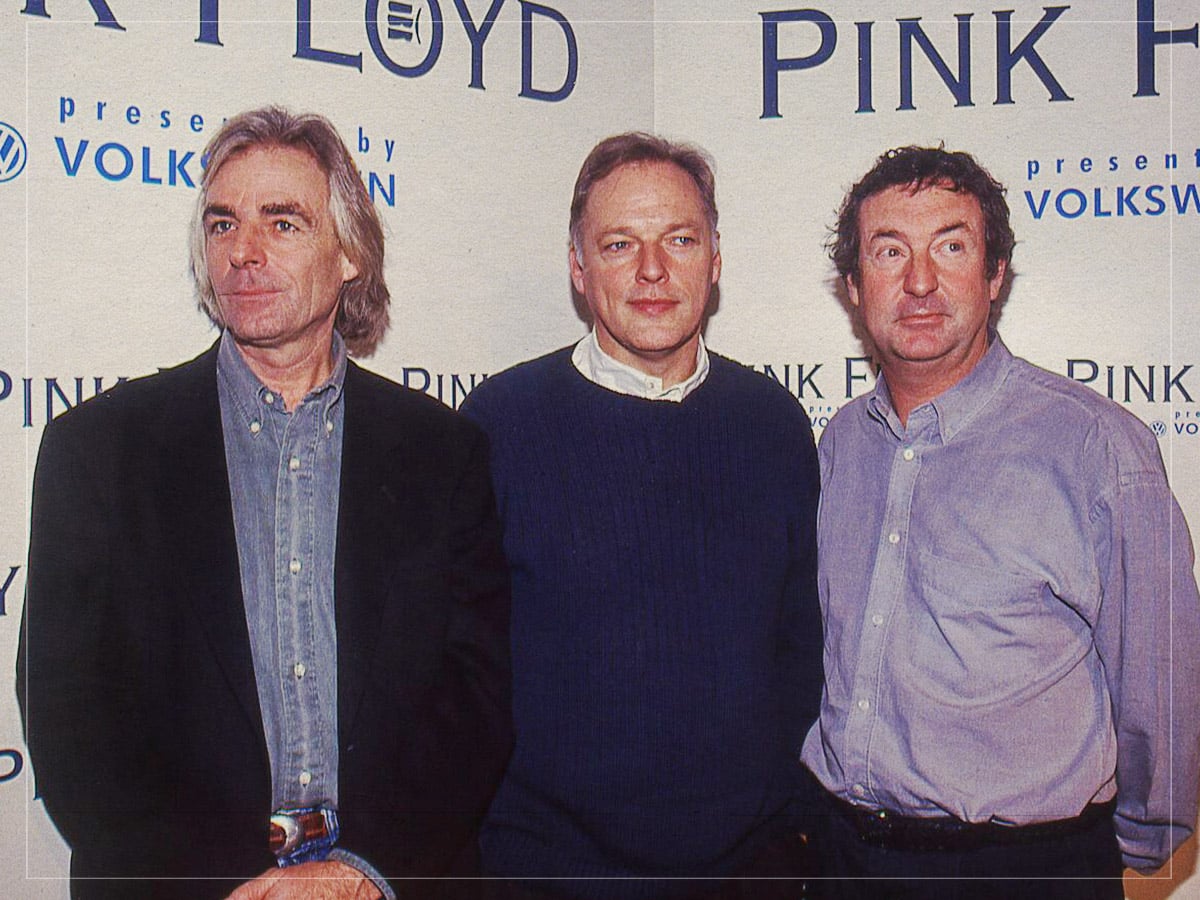
Part of Pink Floyd’s success has come from them overcoming one hardship after another. Although they may have started life in the world of psychedelia, their prog-rock glory years were defined by their massive grief over losing founder Syd Barrett to his own tortured mind. While The Dark Side of the Moon may have been a revolutionary record for its time, the band’s decision to work without Roger Waters led to the most dramatic drop-off in music history.
Although there has never been a shockingly bad record since Waters’s departure, albums like The Division Bell offered up pale imitations of what Floyd was known for. While David Gilmour’s epic guitar licks were enough to satiate the diehard fans in the audience, the soul of the band was always with Waters, having a greater scope for what their material needed rather than the endless jamming going on.
The downward spiral only continued on their “reunion” album, The Endless River, where Gilmour offered up songs that sounded like they were more suited to ambient background music than anything resembling Pink Floyd. Though Floyd may have shown us colours that we didn’t know we were capable of seeing, all of their post-Waters work is nothing but a grey slab of passable rock.
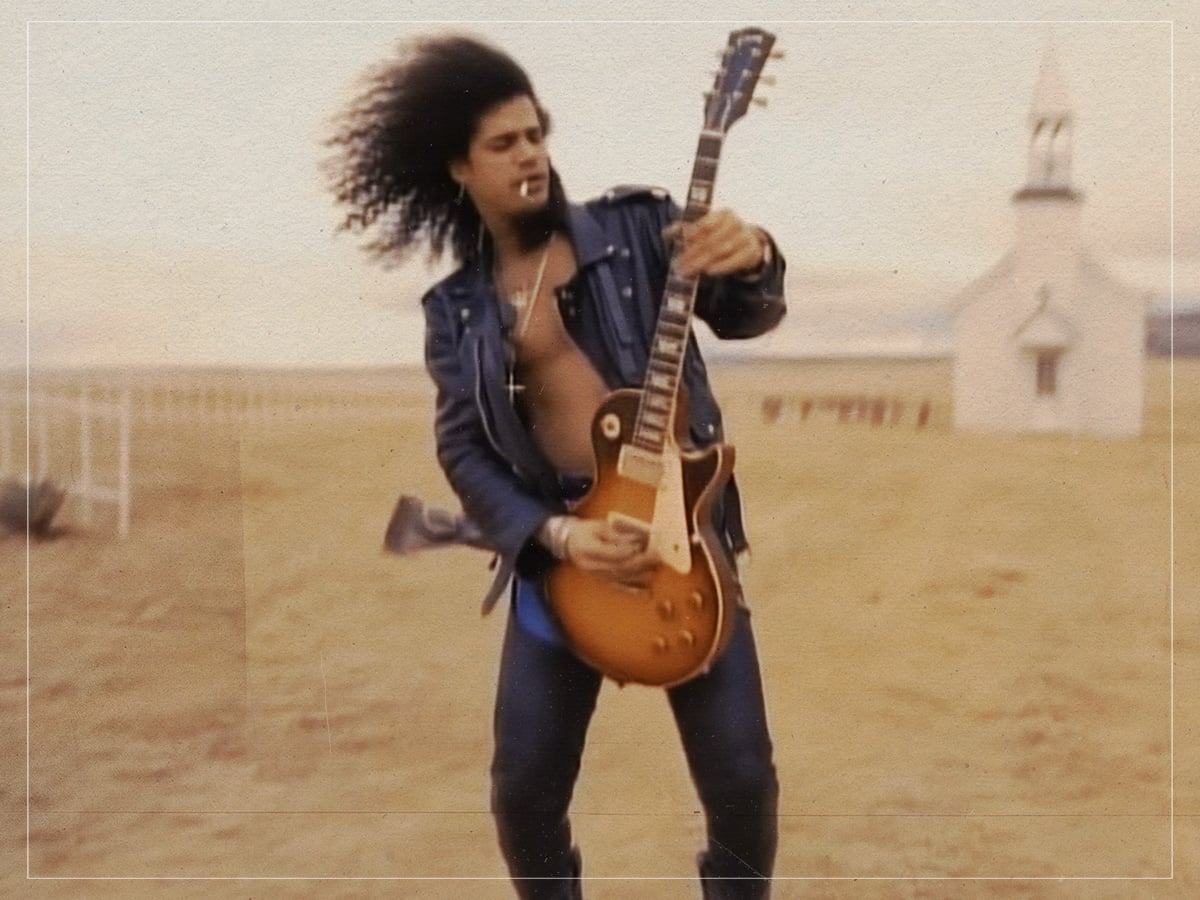
It’s never easy to deal with multiple egos in one band. Even though it takes everyone to make the magic happen, it’s a different story to get everyone on the same page when working to get that magic onto the final tape. While Guns N’ Roses had garnered enough success for a bit of an ego, Axl Rose had more ego than anyone in the band could muster.
After the massively ambitious approach to rock on the double album Use Your Illusion, Rose took creative control of the band when working on what would become the follow-up. Following a massive tour that nearly killed them, none of the band members was remotely interested in getting on Rose’s agenda, leaving the group one by one before Rose was the only original member of the band.
Once Rose returned with Chinese Democracy a decade later, though, fans were more confused than anything else, listening to songs that felt like they were pored over by a madman rather than the street-wise rock and roll they were used to. Guns N’ Roses may be the legacy, but what fans are seeing on Chinese Democracy is a desperate attempt by Rose to relive his life as the world’s most dangerous frontman.