
It’s only the second month of this year, and we’ve already seen a handful of smartphone launches. And there’s always more coming. Google is preparing the next Pixel launch. Samsung is lining up its new Galaxy models. Apple will almost certainly follow with its annual iPhone refresh. It’s looking exciting, isn’t it?
But if you’re not obsessed with spec sheets and just want a reliable phone that won’t drain your savings, there are a few things you should think about before making a purchase. We brought what we think are the most important ones under this article, so let’s go through it.
1. Prices are going up
The biggest story in tech this year isn’t foldables or AI features. It’s component pricing.
Memory prices have gone up in 2026 because the huge demand from AI has made DRAM and NAND more expensive. Data centers are absorbing enormous volumes of high-performance memory. And that cost pressure doesn’t just affect servers; it trickles down to consumer devices.
And when manufacturing costs rise, companies don’t absorb them. They pass them on. In fact, Lu Weibing, president of Xiaomi, warned last year that retail prices would face “much greater pressure.”
So, while a device like the Pixel 10a could hold steady on price, flagship lines such as the Galaxy S26 and S26+ may see increases. High-end models like the Xiaomi 17 Ultra are unlikely to get cheaper, either.
That’s why it’s worth figuring out your actual needs before buying a phone. Last year’s models can often meet those needs just as well, and you can usually find them at lower prices. They’re also less likely to be affected by the latest price hikes caused by rising memory costs.
2. Software support and AI features
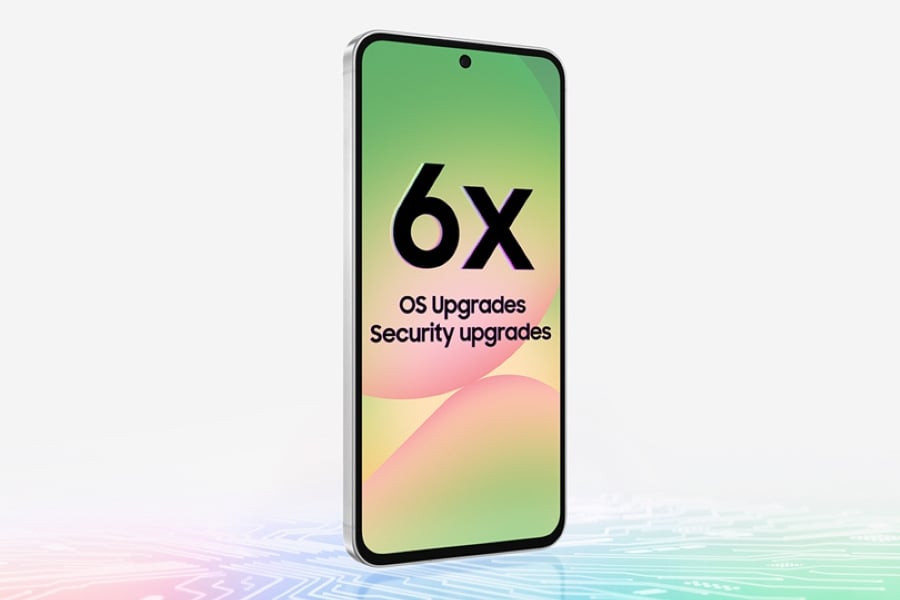
Samsung offers 6 years of OS updates on its mid-range phones
Software is arguably equally (if not more) important than hardware in this day and age. Most midrange and flagship phones are already fast enough for everyday tasks, but what sets them apart is how long they stay updated and what kind of AI features they offer.
Brands like Samsung, Google, and Apple now promise up to seven years of software and security updates on their premium devices. It means your phone will stay secure, compatible with new apps, and relevant much longer than before.
AI has also become a central part of the smartphone experience. Features like real-time call translation, automatic photo editing, smart summaries, and on-device assistants are now common across many flagship and upper-midrange phones. But not all AI features are equal. Some rely heavily on cloud processing, while others work entirely on-device for better privacy and speed.
Before buying, check:
How many years of updates does the phone getsWhether the AI features actually work offlineIf the brand has a good track record of delivering updates on time
3. Performance that matches your usage
You don’t always need the most powerful chip on the market. In fact, for many people, a midrange processor is more than enough for everyday tasks like messaging, social media, video streaming, and light gaming.
Flagship chips in 2026 are extremely powerful, but they also tend to generate more heat and consume more battery during heavy tasks. If you’re not playing high-end games or editing videos on your phone, that extra performance may not make a noticeable difference in daily use.
Instead, consider:
At least 8GB of RAM for smooth multitasking12GB or more if you plan to keep the phone for several yearsA processor from a recent generation rather than an older flagship chip
Also, pay attention to thermal performance. Some phones with powerful chips still struggle with sustained performance because of poor cooling. Reviews that include gaming or long-term performance tests can reveal more than spec sheets.
4. Battery life and charging balance
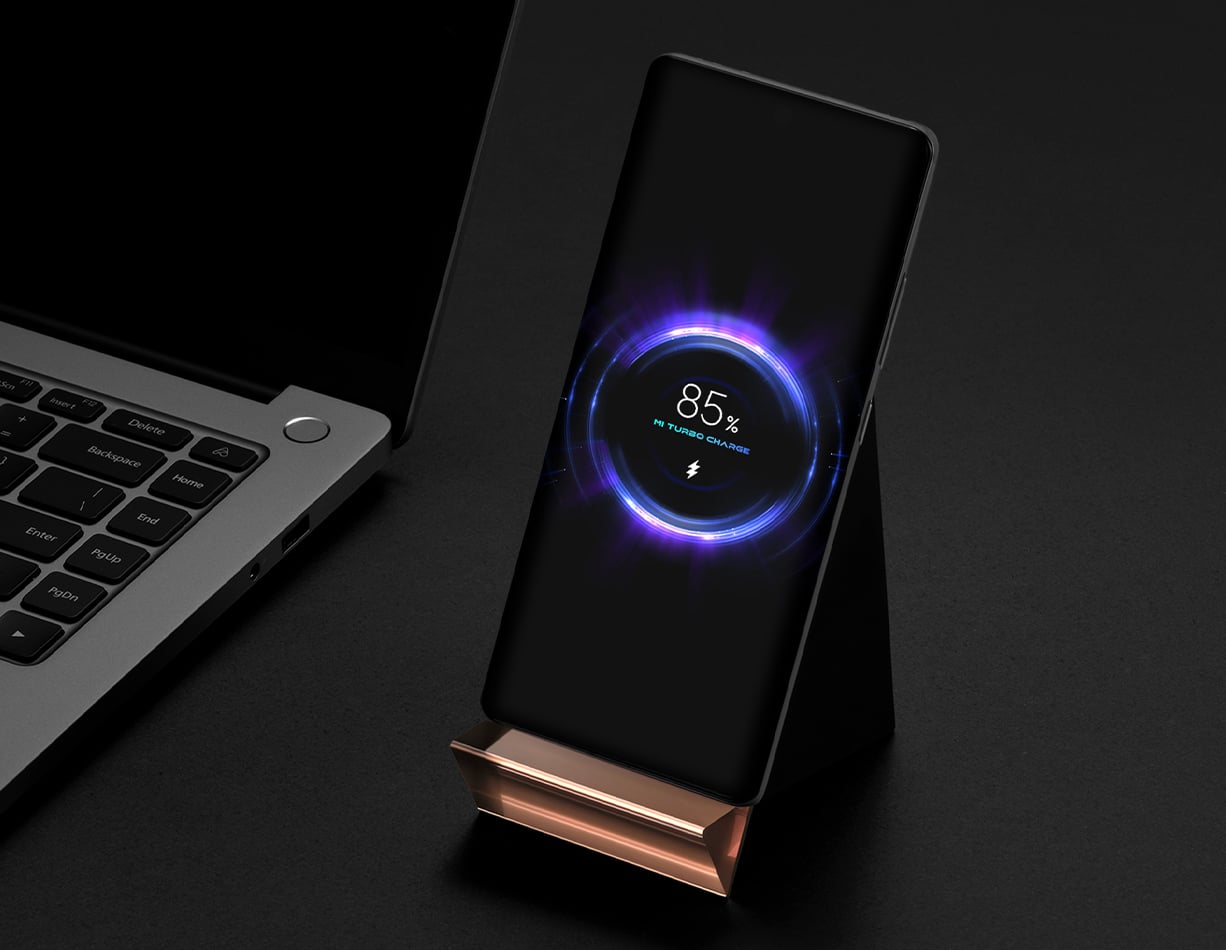
A battery is another thing that a user must look out for before buying a smartphone. A phone with a 5,000mAh battery may last longer than one with a larger battery if the software and processor are more efficient.
In 2026, most phones easily support fast charging, but the speeds vary widely. Some brands push 100W or even higher charging speeds, while others stick to slower but more battery-friendly solutions.
The key is balance:
Look for phones that comfortably last a full day with your usageCheck real-world battery tests, not just capacity numbersConsider whether extremely fast charging matters to you
If you usually charge overnight, you may not need 100W charging at all. But if you travel often or rely heavily on your phone during the day, faster top-ups could be useful.
Wireless charging and reverse wireless charging are also becoming more common, especially in upper-midrange and flagship devices. These features aren’t essential, but they add convenience.
5. Camera consistency, not just megapixels
Smartphone cameras in 2026 are very good across most price segments. Even midrange phones can take sharp, detailed photos in good lighting. The real difference is consistency.
Instead of focusing only on the main camera’s megapixel count, pay attention to:
How well the phone handles low lightWhether the ultrawide and telephoto cameras are usableVideo recording quality and stabilizationSkin tones and color accuracy
Some phones have an excellent main camera but a weak secondary camera. Others offer a more balanced setup across all lenses. If photography is important to you, look at sample images and video tests rather than relying on specifications alone. Real-world results usually matter more than sensor size or megapixel numbers.
6. Build quality, display, and everyday comfort
Specs like processor speed and camera resolution are easy to compare, but the physical experience of using a phone matters just as much.
Even midrange phones now promise high-refresh-rate displays, but not all screens are equal. Some are brighter, more color-accurate, or easier to read outdoors.
When possible, check:
Display brightness and outdoor visibilityScreen protection (like Gorilla Glass or similar)Water and dust resistance ratingsWeight and thickness of the device
A phone that feels comfortable in your hand and pocket is more important than one that simply looks impressive on paper.
Also, think about storage. Many phones no longer offer microSD card slots, so internal storage matters more than before. For most users, 256GB is becoming the new safe starting point, especially with larger photos, videos, and AI-generated content taking up more space.
7. The bigger picture
The smartphone market is on point where even affordable devices are good enough for most people. The thing that matters more than anything is long-term support, software features, and how well a phone fits your personal needs.
Instead of asking, “Which phone has the best specs?” it’s more useful to ask:
How long will this phone stay updated?Will it last a full day on a charge?Does it feel comfortable to use?Do its cameras match my expectations?
A phone is something you interact with dozens—sometimes hundreds—of times a day. Choosing one that fits your habits and priorities will almost always lead to a better experience than simply picking the one with the most impressive numbers on the box.
For more daily updates, please visit our News Section.
Stay ahead in tech! Join our Telegram community and sign up for our daily newsletter of top stories! 💡