


BTS’ V / Captured from V’s social media
Click here for more articles by Kormedi.com.
V of K-pop supergroup BTS was recently spotted enjoying a classic Korean winter street snack, drawing attention from fans as the group prepares for its long-awaited full-member comeback.
V, whose real name is Kim Taehyung, posted several photos on social media with the caption, “January ends, February begins.” The images show him with tousled hair as if just waking up, stretching with fellow BTS members in a practice room, and spending casual moments outdoors.
One photo in particular caught fans’ eyes: V standing on a street at dusk, holding a bag of bungeoppang — a fish-shaped “pastry” filled with sweet red bean paste or custard cream — and taking a bite from the head first. In Korea, people often debate whether to eat the snack from the head or the tail. Wearing a black jumper and a mask under glowing streetlights, the global star appeared relaxed and down-to-earth.
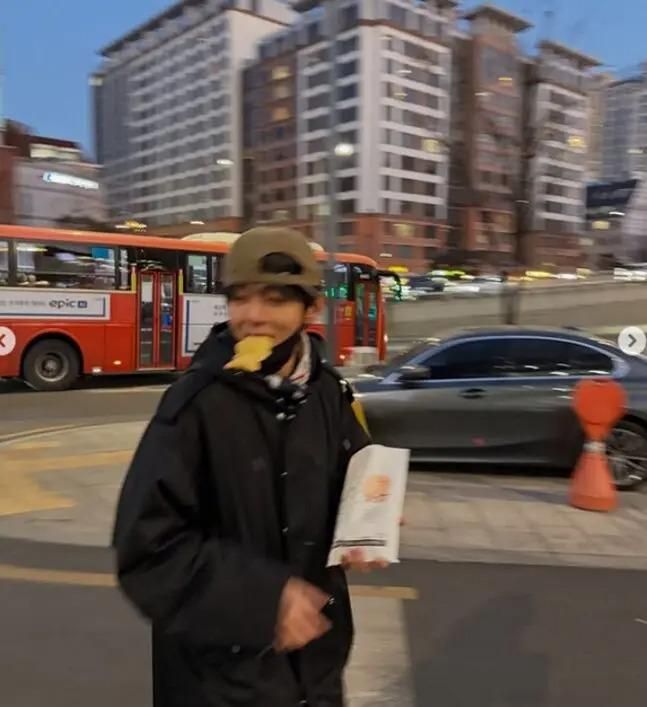
BTS’ V / Captured from V’s social media
BTS is set to release its fifth full-length album “Arirang” on March 20, marking its first full-group comeback in about three years and nine months. On March 21, the group will hold a return performance titled “BTS Comeback Live: Arirang” at Gwanghwamun Square in Seoul before embarking on a world tour. The candid glimpse of V’s daily life amid intense preparations thrilled the group’s global fandom, ARMY.
Bungeoppang is a beloved winter snack in Korea, hard to resist when encountered on the street. A warm bite often melts away the cold and brings an instant smile. But how healthy is it?
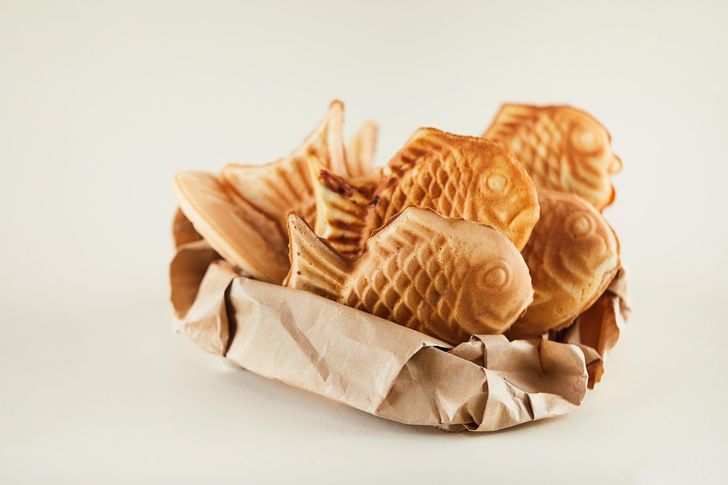
The outside is made from wheat flour batter and sweet fillings, making it high in carbohydrates, sugar and calories. Still, compared with cakes and cookies, it can be considered a reasonable occasional winter treat. The main ingredients in red bean paste and custard cream also offer some nutritional benefits.
Red beans, the base ingredient of sweet red bean paste, are rich in vitamin B1 and saponins, which help boost immunity and prevent colds. They have a diuretic effect that aids in removing waste and reducing swelling. Their potassium content helps expel sodium, supporting blood pressure control and easing edema. Red beans are also high in plant-based protein and dietary fiber, promoting bowel movements and helping prevent constipation. Antioxidants such as anthocyanins help reduce free radicals, supporting anti-aging and skin health.
However, most red bean paste used in bungeoppang is mixed with sugar and oil, significantly increasing calorie and sugar content and potentially causing rapid spikes in blood sugar. One red bean bungeoppang contains about 120 to 130 kilocalories, meaning that eating several can easily exceed the calories in a bowl of rice, which is about 200 kilocalories. People with diabetes or insulin resistance should be cautious about excessive intake.
Experts recommend limiting consumption to one or two pieces at a time and reducing other sugary foods and drinks that day. Eating slowly to enhance fullness and choosing daytime hours rather than late at night may also help manage calorie intake. For someone like V, who is reportedly burning significant energy while preparing for a comeback, there may be less cause for concern.
Custard-filled bungeoppang contains eggs and milk as key ingredients. Milk provides protein and calcium and helps relieve thirst while supporting cardiopulmonary function. Eggs offer high-quality protein and vitamins, helping maintain satiety and nutritional balance. However, custard cream also contains large amounts of butter and sugar, which can rapidly raise blood sugar and increase saturated fat intake. Those managing diabetes or blood sugar levels should pay special attention.
A single custard bungeoppang contains about 160 to 170 kilocalories, higher than the red bean version. As with the red bean variety, limiting intake to one or two pieces and avoiding additional cream breads, cakes or sweet beverages that day is advisable.
This article from Kormedi.com, Korea’s top health care and medical portal, is translated by a generative AI system and edited by The Korea Times.