
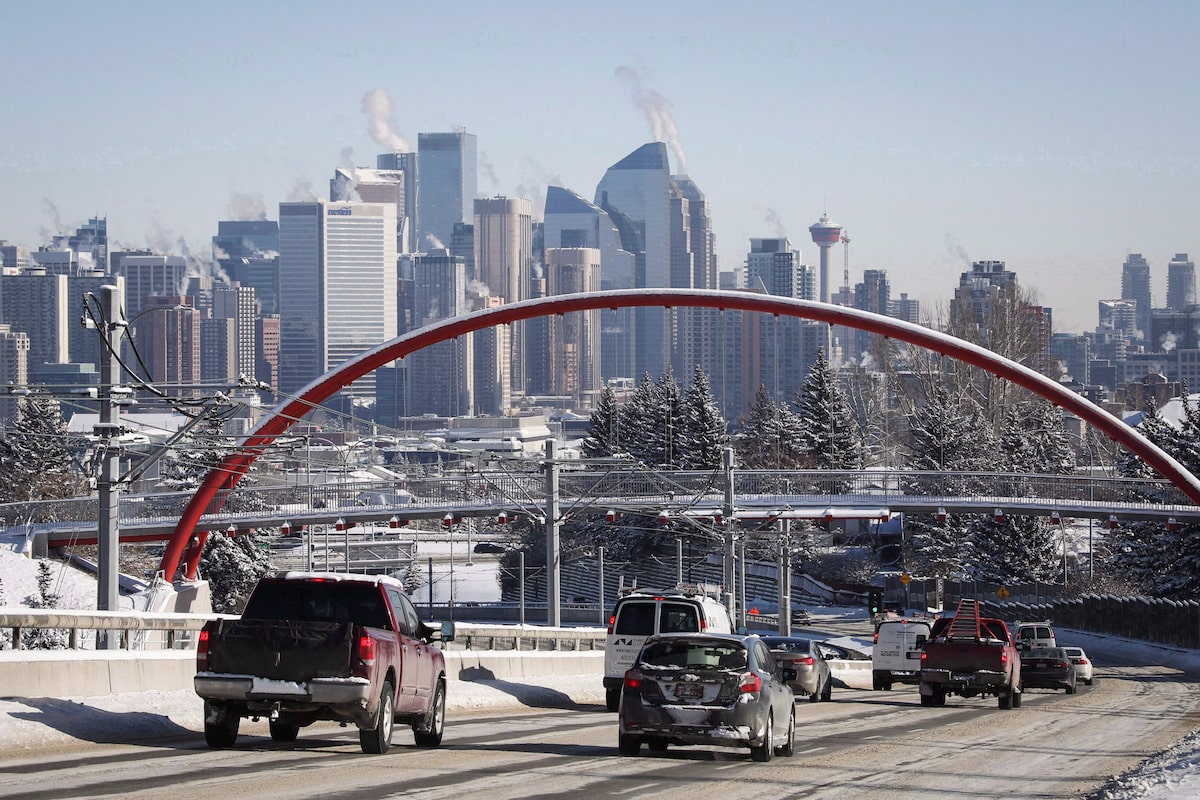
Auto insurance rates are rising across the country, and a clean driving record no longer guarantees a discount.Jeff McIntosh/The Canadian Press
Alex Bourgeois is car shopping and mentally preparing to pay a whole lot more for auto insurance.
His 15-year-old daughter will soon begin driving lessons and they’ll need a second vehicle.
Mr. Bourgeois, a Toronto-based contractor, needs his truck for work, so he can’t add his daughter as an occasional driver to any new car he purchases – a strategy that can help lower insurance premiums for new drivers.
The big guide to auto insurance
Instead, he expects to pay an insurance premium of $6,500 a year on the $10,000 2015 Honda CRV he’s considering.
“I’m going to have to get some sort of old, reliable car to teach my girls how to drive,” says Mr. Bourgeois. “And they’re going to nail me if I put my daughter as the primary driver.
“Insurance is such a challenge.”
With auto insurance rates rising across the country – and a clean driving record no longer guaranteeing a discount – Canadians are hitting a breaking point when it comes to insuring their vehicles. Some are forgoing buying a second car, driving their cars longer or choosing to drive less expensive ones to insure.
“We know that people can’t afford to own their own vehicles in this economy,” says Matt Hands, vice-president of insurance at Ratehub.ca, a financial comparison site. “People are buying older vehicles, or holding onto their vehicles longer.”
Premiums rising across Canada
Auto insurance rates have been rising steadily, with the average Canadian paying $2,006 per year, based on findings by Sonnet Insurance. In Ontario, auto insurance rates rose 18.9 per cent over the past five years, according to Statscan figures.
Ontario rates increased 4.1 per cent in the first six months of 2025 to $2,779 per year (for a 35-year-old male driver with a clean driving record), based on data by MyChoice, a Toronto-based insurance technology provider.
In Alberta, auto insurance rose by 26 per cent over the past five years, according to the Alberta Automobile Association. And premiums in Alberta have increased to an average of $1,709 per year, according to Thinkinsure, an online auto insurer, with premiums for younger and new drivers much higher.
Canadians paying up to $5,000 to avoid a car accident claim: ‘That is a crisis in insurance’
Lawsuits and legal costs associated with insurance claims have soared 31 per cent since 2018 across Canada, per Thinkinsure.
“Auto insurance has accelerated in the last five years,” due to a number of factors, says Mr. Hands.
He says the losses incurred by insurers in Western Canada have led Alberta to institute insurance rate caps, driving insurance companies out of the province. “They just can’t continue to operate that way,” he says, adding that the outcome is fewer carriers and steeper rates for consumers.
In places such as Ontario, severe weather events, auto theft and soaring repair costs have driven up premiums – at a time when many Canadians are finding it challenging to make ends meet. And the impact on consumers has been dramatic.
“It’s not just insurance that’s been increasing,” says Vitalii Starov, vice-president of product growth at MyChoice in Toronto. “The cost of living in general has gone up. That’s not good for consumers.”
Dan Richards, associate professor in financial planning at York University, says many of his students complain about being unable to afford a car.
“Teens and new drivers are always the hardest hit,” he says. “A lot of them get around it by being secondary drivers on their parents’ insurance,” he says. Or, says Mr. Richards, they buy insurance that only covers fire and theft – rather than a comprehensive package.
He says consumers staring down a big premium increase should always shop the premium around – especially if their current provider has been steadily increasing their premium despite a clean driving record. Or they should price match.
“Get a quote from somewhere else and go back to your initial provider and say: ‘Are you willing to match this?’” he counsels. Bundling insurance – home and auto – can also lead to discounts.
Another option is to raise the deductible to secure a lower rate. “Unfortunately, if you have to claim, you’re going to get less coverage,” Mr. Richard says.
Consumers can also buy a vehicle that’s known to have a lower premium, says Mr. Starov, whose firm, MyChoice, recently released a list of the cheapest cars to insure in Ontario. At the top of the list was a Ford Transit at $1,248 a year, a MINI Cooper Convertible at $1,328 and a Subaru Forester at $1424.
Conversely, the Porsche Panamera Turbo S, Maserati Quattroporte and Range Rover Autobiography are the most expensive vehicles to insure, according to Brokerlink, a property and casualty insurance brokerage.
For drivers with clean records, there is also telematics, says Mr. Starov, which involves installing a device in the vehicle that measures and transmits driving data back to the insurer. While these devices can yield a significant discount of 5 to 30 per cent, they can also backfire if the insurer deems the driving high risk owing to excessive speed or hard braking.
Mr. Bourgeois plans to have his insurance broker shop around for the lowest rate. As for his daughter, he wants her to find a part-time job this summer. The money will go toward paying for gas.