
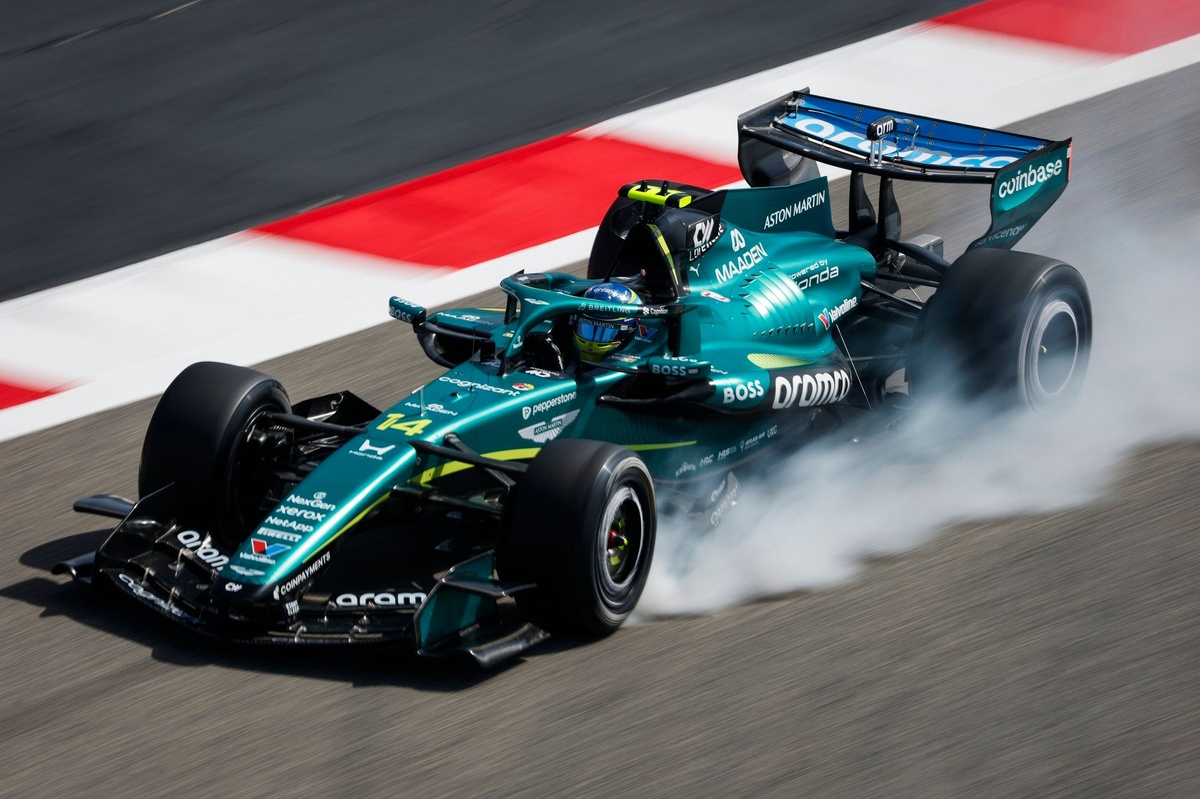
It is now safe to say that Formula 1’s new generation of cars hasn’t gotten the initial reception the series’ top brass had been hoping for. If Lewis Hamilton had sounded distinctly unimpressed with the complexity of the new machinery, fellow world champion Max Verstappen went a lot further and took a sledgehammer to the new regulations which he deemed “anti-racing” and “Formula E on steroids”, which amusingly the all-electric series mistakenly took as a compliment of some sort.
The new rules are built so dogmatically on a marketable near 50-50 split of electric energy and combustion that it introduces a lot of weird driving behaviours, such as extreme lifting and coasting, compromising cornering speeds to refill the battery, and extremely finicky and laborious race starts with a much higher margin for error.
Verstappen’s damning verdict of the rules wasn’t universally shared, with Mercedes-powered drivers Lando Norris and George Russell saying highly-paid F1 stars have little to complain about. It is understood some others privately agreed with the four-time world champion but decided to be more diplomatic than the frank Dutchman.
It is actually a shame the current regulations are so driven by the debate around the ambitious power unit targets – which were implemented to attract engine manufacturers – as the FIA did manage to make inroads on the cars themselves. They are now smaller, lighter, nimbler and feature much less downforce while the crash structures have been reinforced. Watching trackside in Bahrain, drivers are having to catch a lot more slides in low-speed corners – but the cars are also giving them better odds to do so successfully, rewarding skill. Extending braking zones is also not a bad thing, as in theory it helps overtaking.
It leads to an interesting question. Does F1 just have to be fun for us to watch or also fun for the drivers? There is an argument that the former is much more important than the latter, and most fans won’t pay too much attention to what the drivers think if the new 2026 cars provide quality entertainment. After all, the drivers didn’t particularly like the previous generation of stiff ground-effect cars either.
But that doesn’t mean nothing should be done.
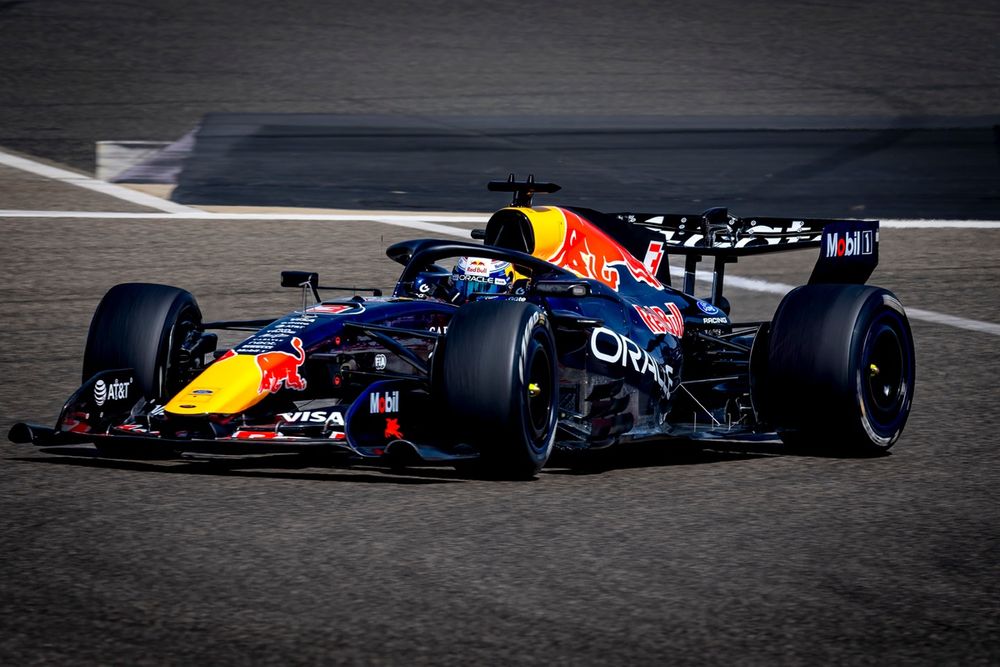
Verstappen has panned the new F1 cars – but does that actually matter?
Photo by: Marcel van Dorst / EYE4images / NurPhoto via Getty Images
Yes, it’s likely a lot of these bizarre quirks will improve with time as the regulations mature and teams get a better handle on things. But cars dramatically running out of battery halfway down the straight is something that has been warned about for many, many months, with former Red Bull chief Christian Horner’s warnings dismissed as political gamesmanship out of a fear Red Bull’s own powertrains wouldn’t cut the mustard. That may have been true at the time, but he wasn’t wrong.
The discussion takes a different turn when we move away from driver preference to safety. The nature of F1 2026’s severe energy harvesting requirements isn’t just “not fun” to drive, but also potentially dangerous. Extreme closing speeds may be manageable at winter testing in Barcelona or Bahrain, but the prospect of an unsighted airborne accident between the walls of Jeddah’s Corniche circuit had already been a cause for concern with the outgoing era of cars and will be a much larger one. Given the tight start procedure timings as they are written now, combined with the need to spool up the turbochargers for over 10 seconds, the prospect of botched starts is also once that should not be taken lightly.
There is an argument that we should wait until the first few races and see what kind of formula we actually have before taking action. But F1 wouldn’t be F1 without thousands of extremely clever engineers whose job it is to predict what will happen, and more and more are ringing the alarm bells.
“We are not talking about how fast you are in qualifying. We are not talking about your race pace. We are talking about safety on the grid” Andrea Stella
In Bahrain, McLaren’s Andrea Stella was the first one to do so out loud, rather than just off the record.
“There could be cars that follow another car and the car ahead may want to lift to harvest,” Stella explained. “This may not be an ideal situation when you follow closely and this can give a race situation like we have seen before a few times with [Mark] Webber in Valencia, [Riccardo] Patrese in Portugal and there are a few more that definitely we don’t want to see anymore in Formula 1.
“We need to make sure that the race start procedure allows all cars to have the power unit ready to go, because the grid is not the place in which you want to have cars slow in taking off the grid.
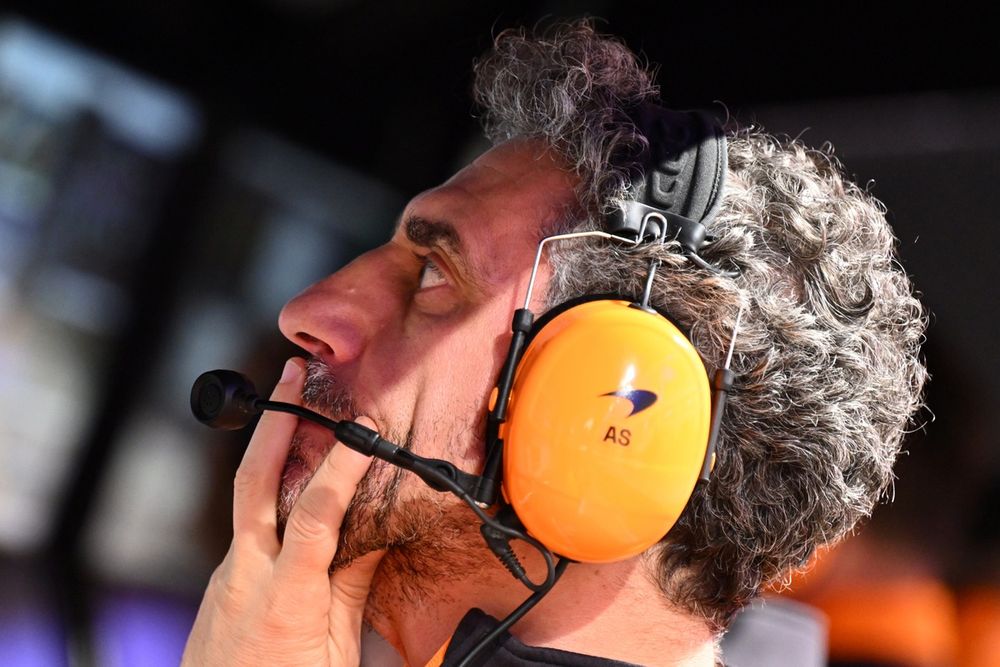
Stella has voiced safety concerns about the new F1 cars that he feels needs solving before the first round
Photo by: Mark Sutton / Formula 1 via Getty Images
“This is a bigger interest than any competitive interest, so I think all teams and the FIA should play the game of responsibility. We are not talking about how fast you are in qualifying. We are not talking about your race pace. We are talking about safety on the grid.”
Possible tweaks include relaxing the timing of the start procedure, which is an easy sporting regulations fix, reducing the amount of energy cars can deploy at one time and allowing power units to harvest the full 350kW allowance while on throttle, which all helps batteries last longer.
“[A compromise] is imperative because it’s possible and it’s simple,” Stella urged. “So, we should not complicate what is simple and we should not postpone what is possible immediately. Therefore, I think it’s something that we should definitely achieve before Australia.”
It’s now up to the teams, the FIA and F1 to find that compromise in Wednesday’s F1 Commission. And if teams can’t see the forest for the trees, perhaps it is up to the governing body to step in on safety grounds.
Read Also:
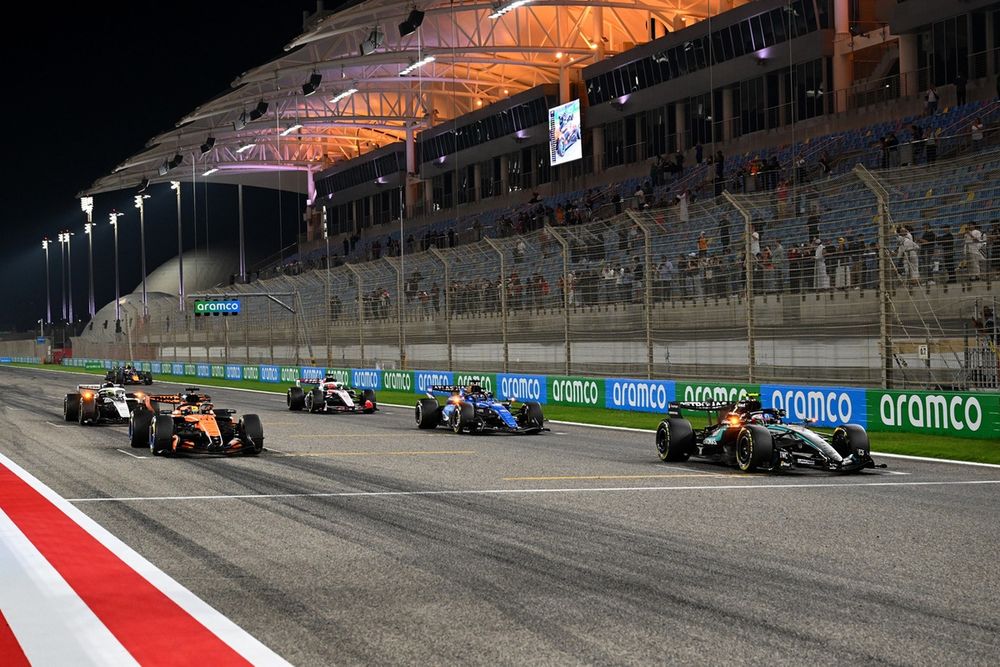
Can the teams come together to find solutions or will the FIA need to step in on safety grounds?
Photo by: Mark Sutton / Formula 1 via Getty Images
We want to hear from you!
Let us know what you would like to see from us in the future.
– The Autosport.com Team