
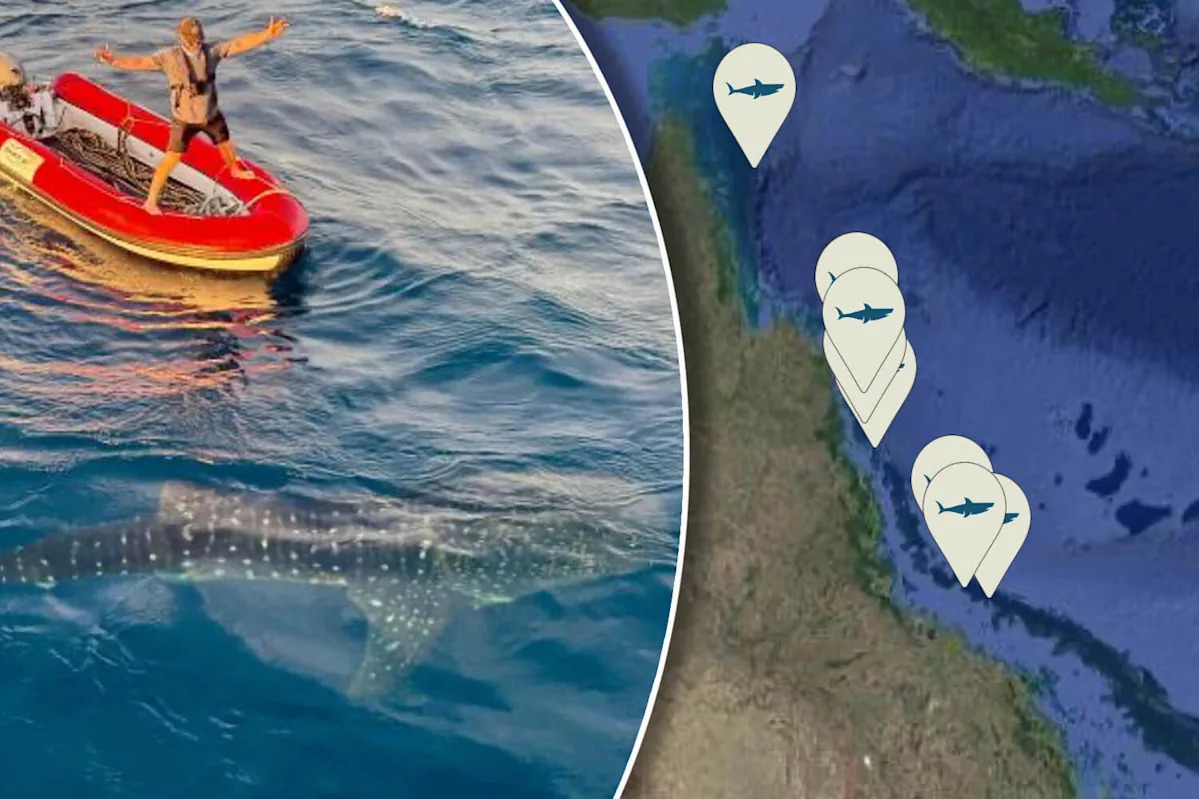
Authorities are calling on locals and tourists to help unlock a mystery in Aussie waters. A “highly unusual” number of whale sharks have been spotted along the iconic Great Barrier Reef in recent weeks.
While their presence is an annual phenomenon along Western Australia’s Ningaloo Reef, little is known about the gentle giants’ movements — the world’s largest fish — along the east coast of Australia.
In the last four months, eight sightings have been recorded near Townsville and around Far North Queensland.
Crew from tour boat Entrada recently had an incredible encounter with a whale shark as they moored at a dive site on Ribbon Reef near Cairns.
“As we were trying to tie up the boat at a dive site called Pizie Pinnacle at Ribbon Reef, this whale shark came straight up to the boat to check us out and then swam around our tender a few times, then swam off,” the excited crew explained on the marine life reporting app Eye on Reef.
While sightings closer to Carins are slightly more common, the region has a significantly higher number of tourist vessels out on the water.
“The fact that we are seeing this cluster of sightings off the Townsville region with fewer boats suggests there is something truly special happening here,” Reef Authority’s Eye on the Reef Program Manager, Chris Jones, said.
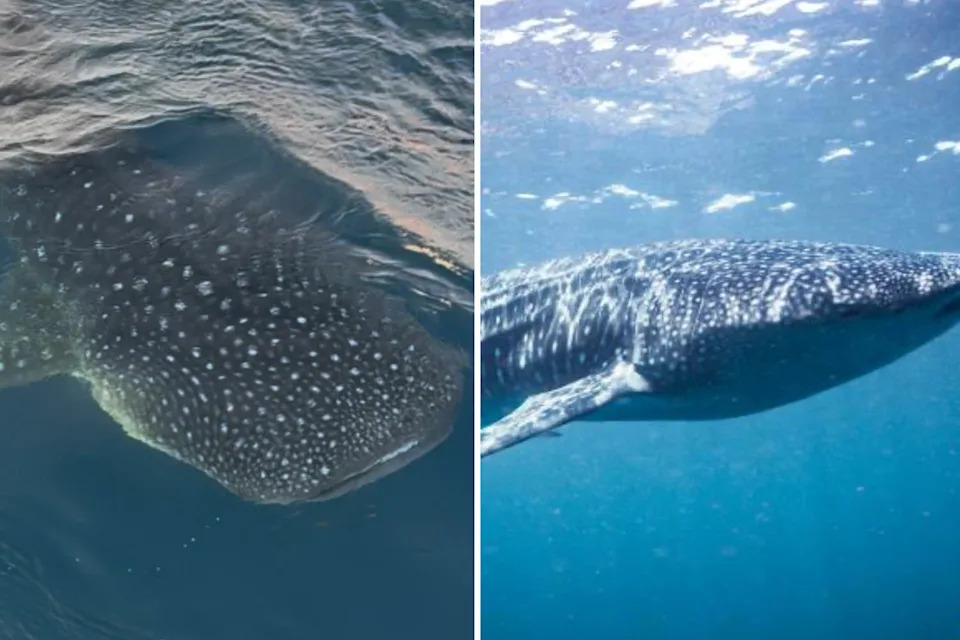
Several people have been lucky enough to witness the rare whale shark encounter. Source: MikaPeters/JFWilson
Why are whale sharks being seen in higher numbers?
The authority’s Field Management Director, Dr Mark Read, believes the surge in sightings may be linked to broader biological events occurring across the marine park.
“Just like the famous aggregations at Ningaloo Reef, whale sharks on the east coast appear to gather around coral and fish spawning seasons,” he said.
He is calling on Aussies to keep recording sightings to identify potential areas of interest to the whale sharks.
“While we have long known they visit the Reef, the latest data logged by citizen scientists is helping us better understand their movements and identify potential areas of interest,” he said.
“If you have seen a whale shark on the Reef — even if it was 10 or 15 years ago — you can still enter them in Eye on the Reef app,” Dr Read said.
“Every entry helps us identify long-term patterns and contributes to the global knowledge of where these sharks are going, not just across the Reef but around the planet.”
Have you had an incredible ocean encounter? Contact newsroomau@yahoonews.com
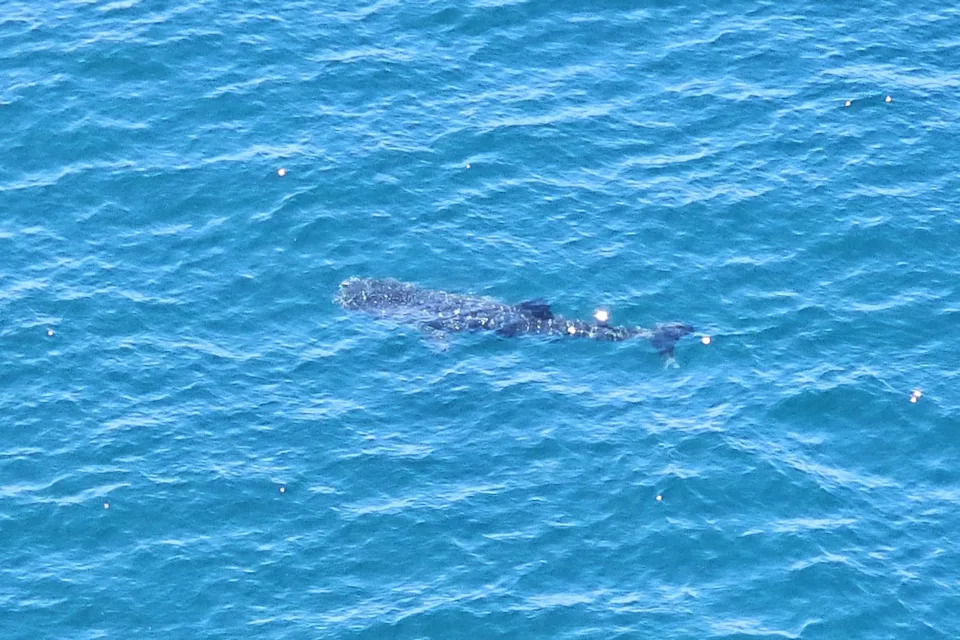
Helicopter crews couldn’t believe their luck when they came across the gentle giant cruising along the east coast. Source: Westpac Life Saver Rescue Helicopters
While whale shark sightings along the east coast are rare, they’re not impossible.
Just before Christmas, a helicopter crew patrolling Sydney’s coastline spotted a whale shark as they cruised past.
The Westpac Life Saver Rescue Helicopters crew were on their way back to base when a whale shark was spotted making its way along the coastline close to Figure 8 Pools near the Royal National Park.
Staff couldn’t resist “getting a couple of snaps” of the whale shark while keeping a safe distance so as not to spook the elusive creature on December 23.
Another woman previously told Yahoo News Australia about her experience with one at South Stradbroke Island, Queensland. “We were in shock… it’s super rare,” she said.
In Western Australia, the peak whale shark season typically starts in March and runs through to the end of July, where they are spotted almost on a daily basis.
Facts about whale sharks
Whale sharks, also known as rhincodon typus, are the world’s largest fish
Despite their size — growing up to 18 metres — much about their breeding and migration remains a mystery
Each shark has a pattern of spots unique to them
They are filter feeders that subsist on a diet of plankton and small fish and pose no risks to people
Historically, more than 200 whale shark sightings have been logged across the Reef through the Eye on the Reef app
While sightings occur year-round, peak activity on the Reef is usually November and December, corresponding with fish and coral spawning seasons
Do you have a story tip? Email: newsroomau@yahoonews.com.
You can also follow us on Facebook, Instagram, TikTok, Twitter and YouTube.