

Listen to this article
Estimated 3 minutes
The audio version of this article is generated by AI-based technology. Mispronunciations can occur. We are working with our partners to continually review and improve the results.
An Edmonton storyteller is hoping to shine a light on the impact of Caribbean workers in building Alberta’s oil industry and the northern community of Fort McMurray.
“Hundreds of hundreds of Caribbean people have lived and worked in Fort McMurray over the decades,” says Donna Coombs-Montrose, Edmonton’s first Black historian laureate.
As part of her work telling the city’s history, Coombs-Montrose has focused on the people who shaped Alberta, including Caribbean immigrants.
Her findings were shared during a Feb. 7 presentation at the Royal Alberta Museum to mark Black History Month. The program featured live music, dance and storytelling, giving attendees a chance to experience the culture and community of Caribbean workers while learning about their role in shaping Alberta’s oil sector.
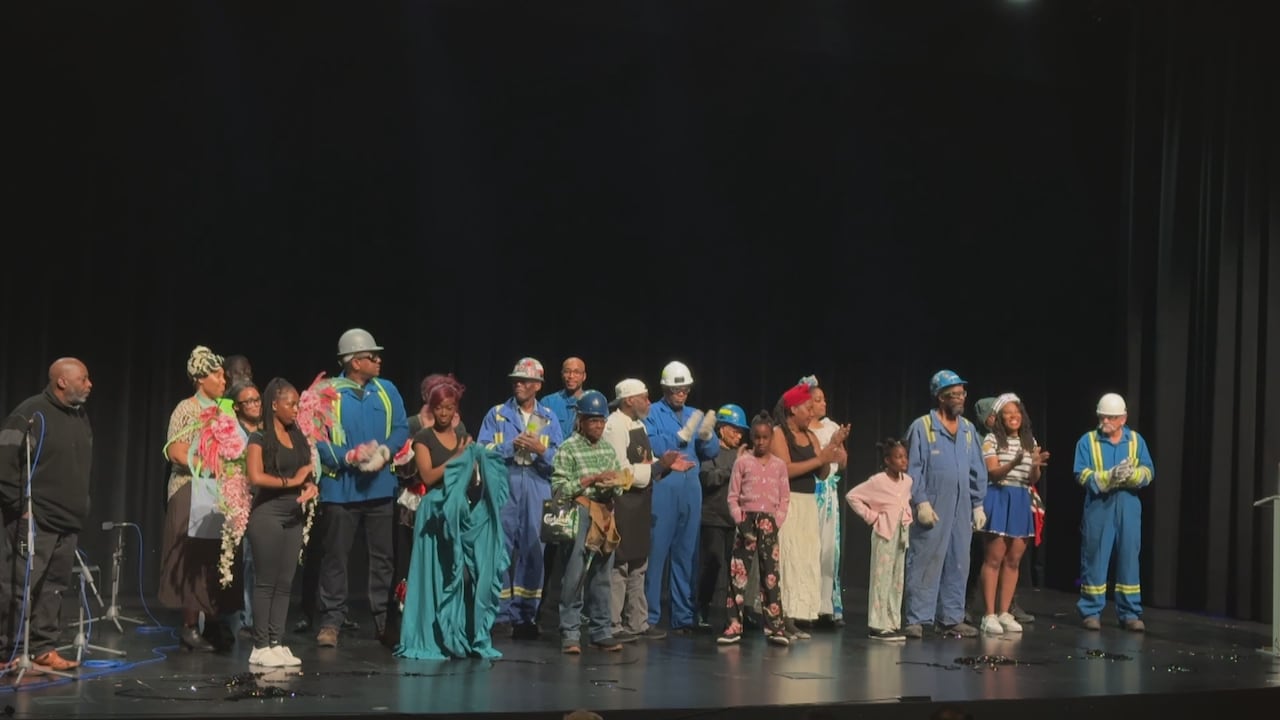 A mix of storytelling, dance and live music were performed during a tribute to Caribbean workers in the oil sector. (Amal Mohamud/CBC)Recruited for Alberta’s oil sands
Back in the 1960s, when Alberta’s oil industry was expanding quickly, companies recruited skilled workers from the Caribbean to meet the demand, said Coombs-Montrose. Recruitment continued through the 1990s.
Many came from Trinidad, Jamaica and Barbados, bringing years of experience in oil production and skilled trades — project engineers, welders, pipefitters and boilermakers.
“What we are doing is showcasing … as people from the Caribbean, especially working in Fort McMurray, how we have contributed all of the skills that we brought from oil in the Caribbean,” Coombs-Montrose said.
Many of those workers settled in or near Fort McMurray, about 430 kilometres north of Edmonton, often living in trailer camps while working long hours in demanding conditions.
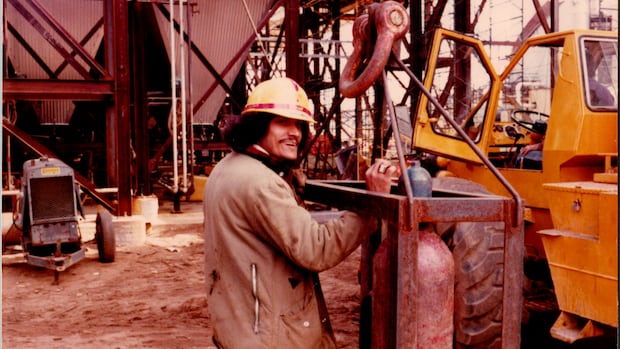
One of those workers was Simon Hosein, a Trinidadian who arrived in Fort McMurray in 1975 as a journeyman fitter and welder.
“It was tough, you’re just kind of one of a kind,” he said about being one of few Black immigrants in the northern community. “There weren’t many of us around so you really had to be good at what you do.”
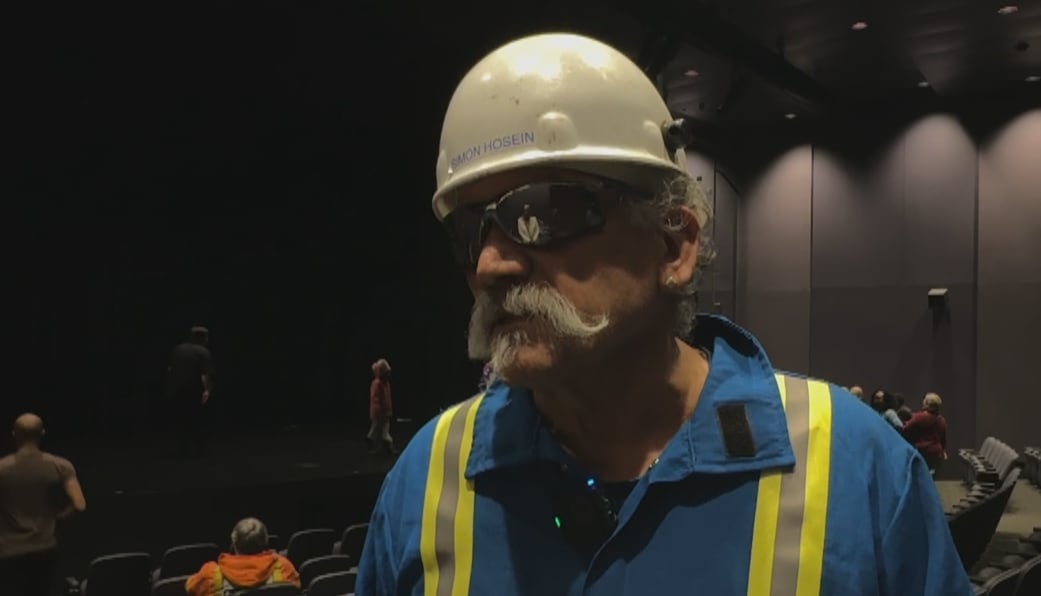 Hosein, who arrived in Fort McMurray, Alta., in 1975 from Trinidad, shared his experience at the tribute. (Amal Mohamud/CBC)
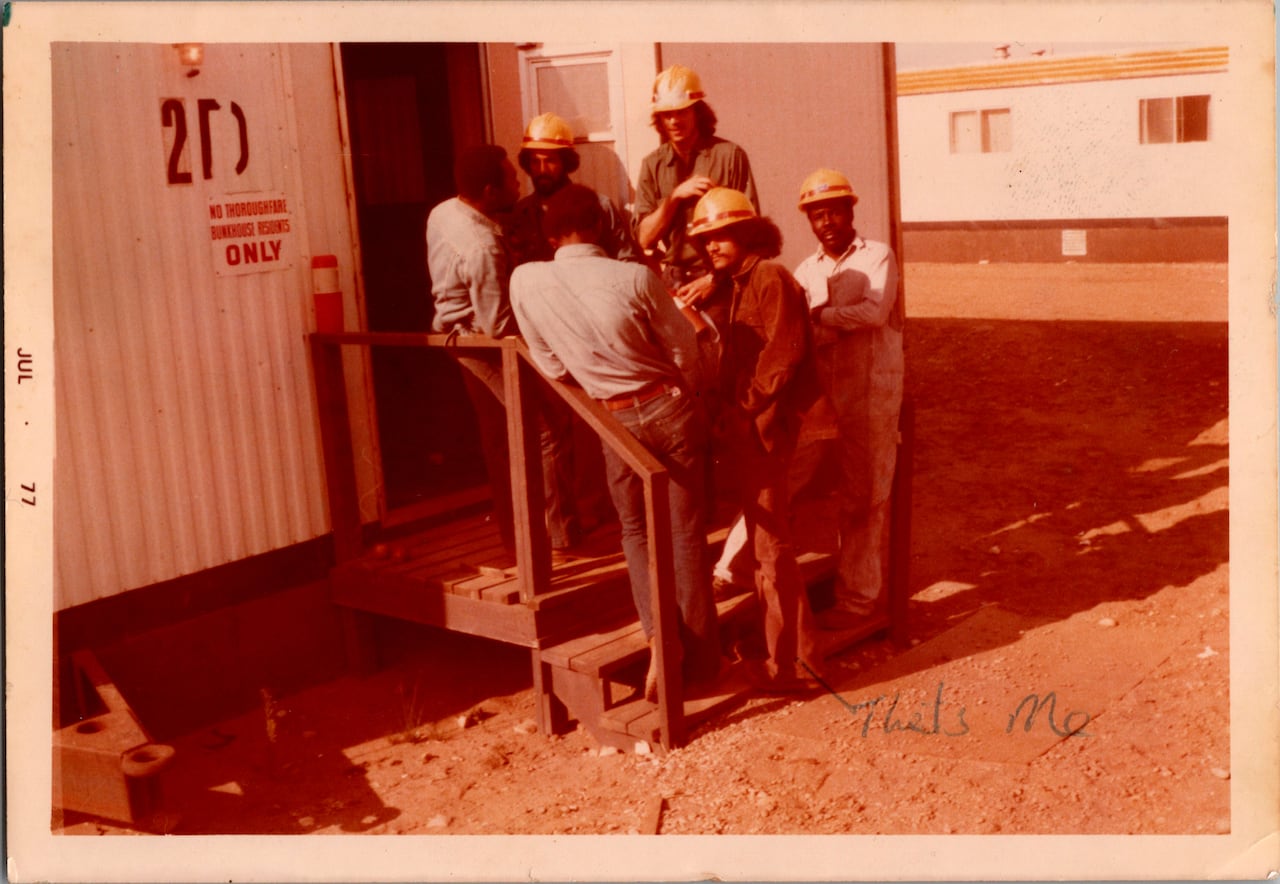 Hosein, centre, stands with a group of oil workers on site. (Submitted by Simon Hosein)
Coombs-Montrose said, despite the workers facing discrimination and isolation in their work environment, they successfully built communities, established homes and created families, many of whom continue to thrive in Alberta today.
“It was difficult, but we had to make the best of what we can do,” said Desmond Francis, one of the Caribbean workers recruited for the oil expansion in Alberta.
Recognizing people behind the industry
Kevin Farmer, learning co-ordinator at the Royal Alberta Museum, said the Feb. 7 tribute aimed to shift public focus to the impact of individuals on the oil and gas industry, rather than on industry itself.
“I think what’s really important, and what makes events like this so valuable, is that it allows us to highlight the stories of people who are involved in the history,” Farmer said.