
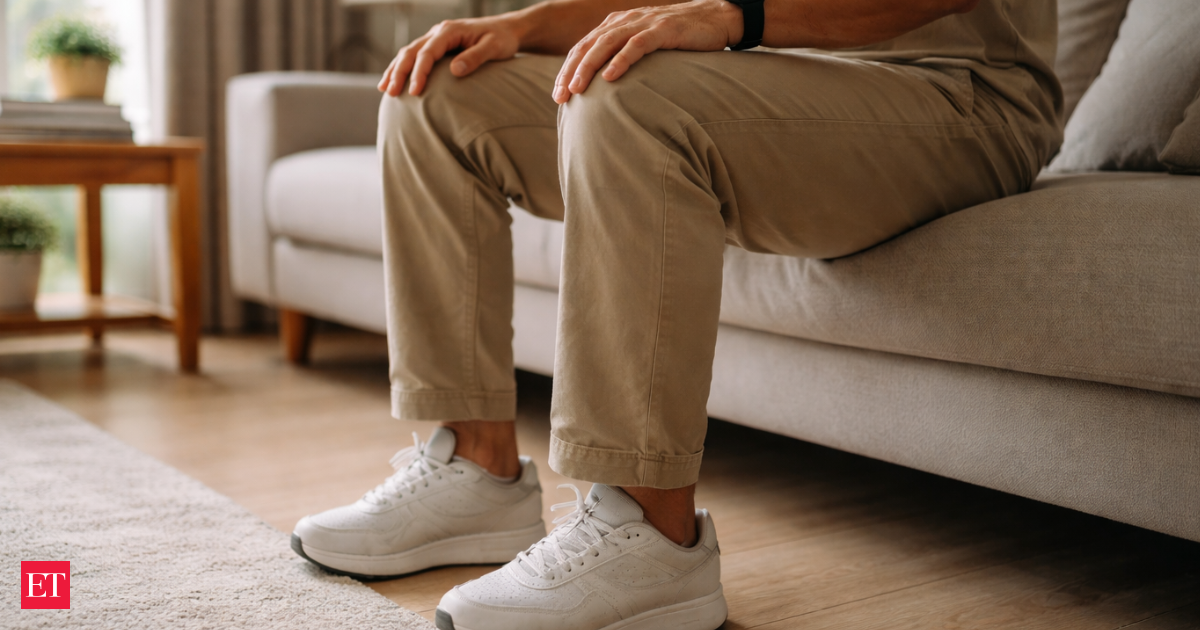
A simple seated movement, lifting your heels repeatedly while sitting, could significantly reduce post-meal sugar spikes, according to a new scientific review highlighted in a report by The Times of India (TOI).
With India witnessing a sharp rise in type 2 diabetes, particularly among younger adults with sedentary lifestyles, researchers say targeted lower-limb muscle activity may offer a practical, low-cost solution for everyday glucose control.
Heel Raises and Blood Sugar: What the New Research Says
The review, published in Diabetes & Metabolic Syndrome: Clinical Research & Reviews, focuses on activating the soleus muscle, located deep in the calf.
Unlike larger leg muscles that tire quickly, the soleus is designed for endurance and can remain active for long periods without fatigue. Researchers found that simply contracting this muscle while seated may help regulate blood sugar more effectively than prolonged sitting.
In laboratory tests:
 Live EventsPost-meal glucose spikes dropped by 39–52%Insulin response reduced by up to 60%Breaking sitting every 30 minutes with light leg activity lowered insulin spikes by 26%Improved overnight glucose levels were observed in people with type 2 diabetes
Why the Soleus Muscle Is Called the ‘Second Heart’
Speaking to TOI, Dr Raju Vaishya of Apollo Hospital explained the science behind the finding.
He described the soleus as a “second heart” because it helps pump blood back to the heart and acts as a metabolic regulator.“We often think of the heart as the only vital pump in the body, but the soleus muscle in the calf acts as a second heart. When activated regularly, it improves circulation and works like a metabolic sink, helping remove excess sugar from the bloodstream, even while we are sitting,” he told TOI.Seated Exercises Can Help Even Without Strenuous Workouts
According to Anoop Misra, corresponding author of the review and chairman at Fortis Healthcare, lower-limb strength is closely linked with glucose control and blood circulation.
He noted that small, consistent movements such as soleus push-ups or seated heel raises may be especially helpful for people who cannot perform intense workouts.
“Simple seated movements can significantly reduce post-meal sugar spikes. You don’t need a gym to improve metabolism. Sustained muscle activation, particularly of the soleus, can deliver powerful benefits for diabetes prevention and heart health,” he told TOI.
Diabetes Risk Rising in India’s Sedentary Population
Health experts warn that long hours of sitting, whether at desks, in cars or at home, slow metabolism and worsen insulin resistance.
India already has one of the world’s largest diabetes burdens, and increasingly younger adults are being diagnosed due to:
Desk jobsLimited physical activityPoor dietary habitsLong screen timeSimple interventions that fit into daily life, researchers say, could make a meaningful difference.How to Do the 3-Minute Heel Raise Exercise
The movement is easy and can be done anywhere, at work, home or while travelling.
Steps:
Sit comfortably with feet flat on the floorKeep toes plantedLift your heels slowly upwardLower them back downRepeat continuously for 2–3 minutes
Try this every 30–60 minutes during long sitting periods.General Tips to Manage Post-Meal Blood Sugar Naturally
While heel raises may help, experts stress they are not a substitute for regular exercise. Combine them with healthy habits for best results:
Walk for 10–15 minutes after mealsAvoid prolonged sittingEat high-fibre foods and reduce refined sugarsStay hydratedInclude strength training 3–4 times a weekMaintain a healthy body weightMonitor blood sugar regularly
A small movement may deliver big benefits. For elderly, overweight or desk-bound individuals, simply moving your heels for a few minutes could help stabilise blood sugar and improve circulation, a reminder that sometimes, the simplest habits are the most powerful.
Disclaimer: This article is for informational purposes only and not a substitute for professional medical advice. Always seek the advice of your doctor with any questions about a medical condition.