
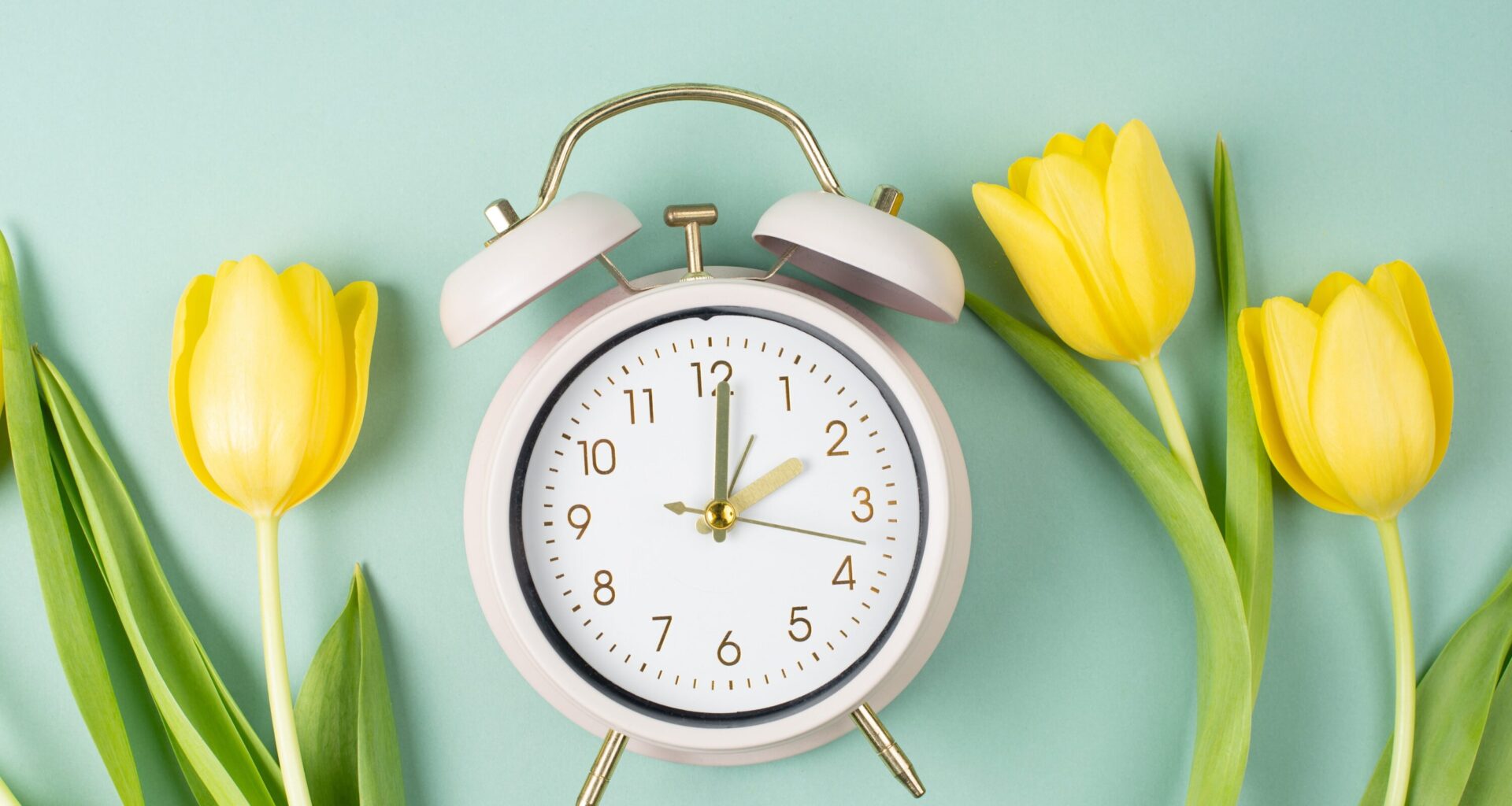
After a cold, hard winter, one of things Montreal most looks forward to is March Break—and “springing forward” one hour.
The practice of moving the clocks forward one hour means summer (and long, sun-soaked evenings) is on the way.
When is Daylight Saving Time in Canada?
Canadians (with a few exceptions) will set their clocks forward one hour from 02:00 (2 am) to 03:00 (3 am) local time on March 8, 2026.
Sunrise and sunset will be about 1 hour later on Mar 8, 2026 than the day before., with more light in the evenings and less light in the mornings.
When does Daylight Saving Time end in Canada?
Standard time, also known as winter time, will resume on Sunday, November 1, 2026.
Which Provinces and Territories in Canada don’t use DST?
Yukon, most of Saskatchewan, some locations in Québec east of 63° westerly longitude, Southampton Island, and some areas in British Columbia don’t use DST and stay on standard time all year.
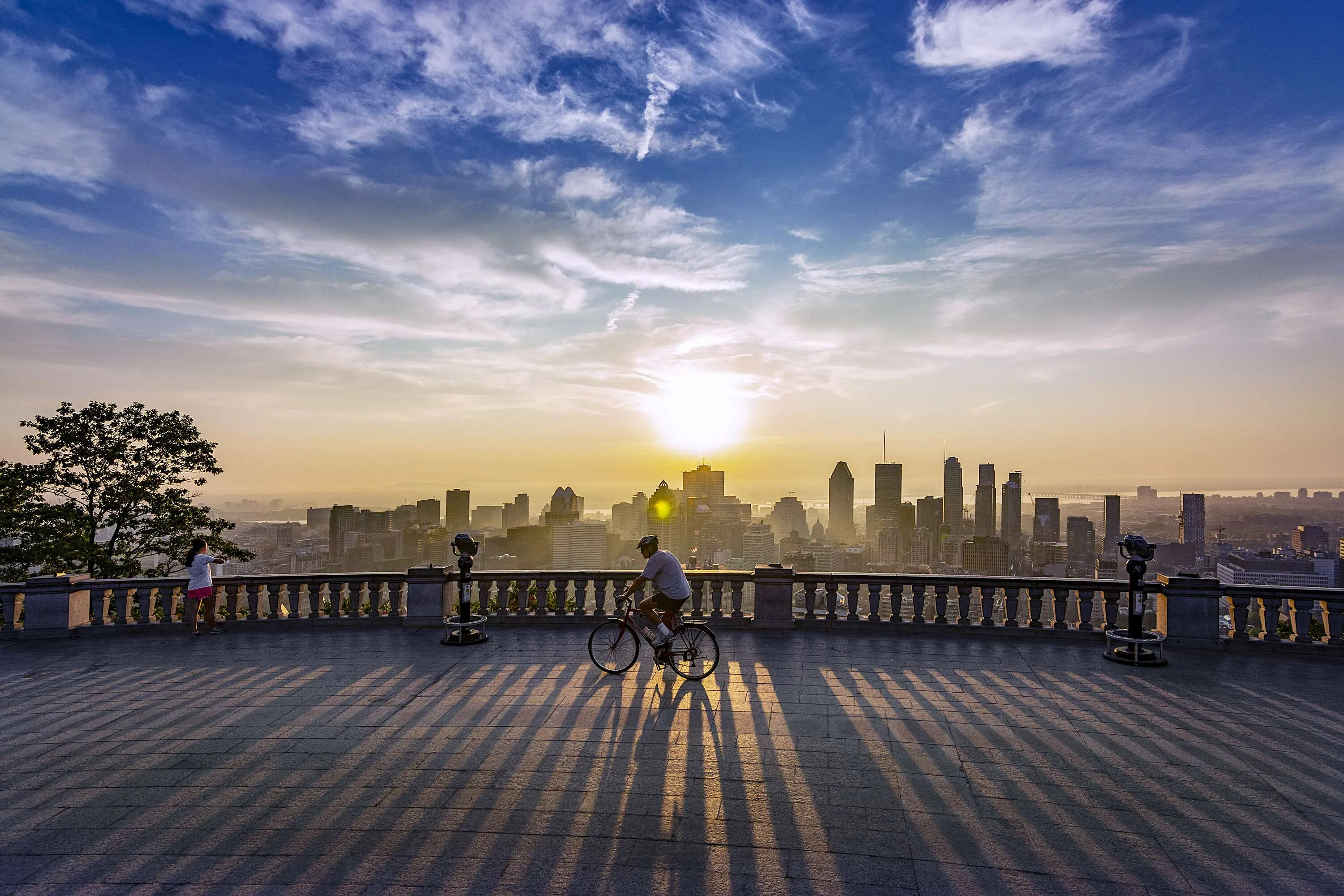
Photograph: Freddy Arciniegas
Between 1908 and 2026, Canada will have observed DST for 114 years (in at least one region). The last full year without any DST observance was 1913.
The decision to observe DST is governed provincially and municipally, which means participation varies by region.
While most of British Columbia follows DST, several communities—such as Dawson Creek and Fort Nelson—do not. Saskatchewan is largely the opposite: most of the province stays on standard time year-round, with a few exceptions like Creighton and Denare Beach.
In 2020, Yukon adopted permanent DST.
Since 2007, all Canadian regions that observe DST have aligned their start and end dates with those of the United States.
RECOMMENDED:
Complete guide to the best restaurants in Montreal
Best attractions in Montreal