
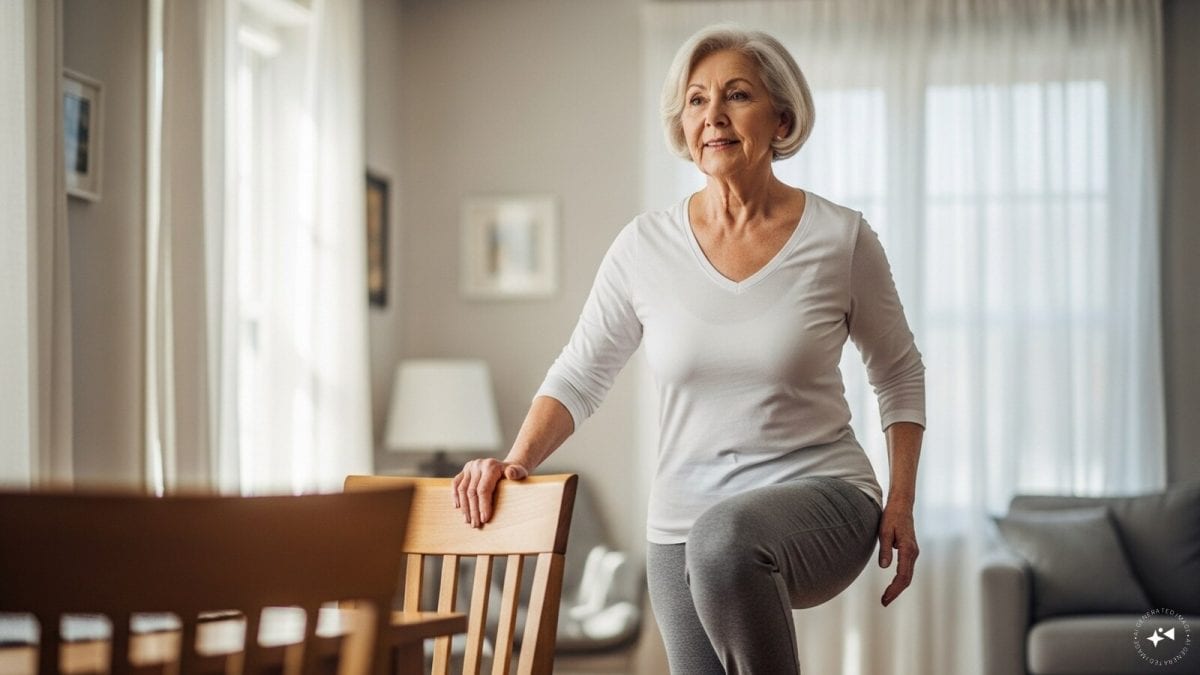
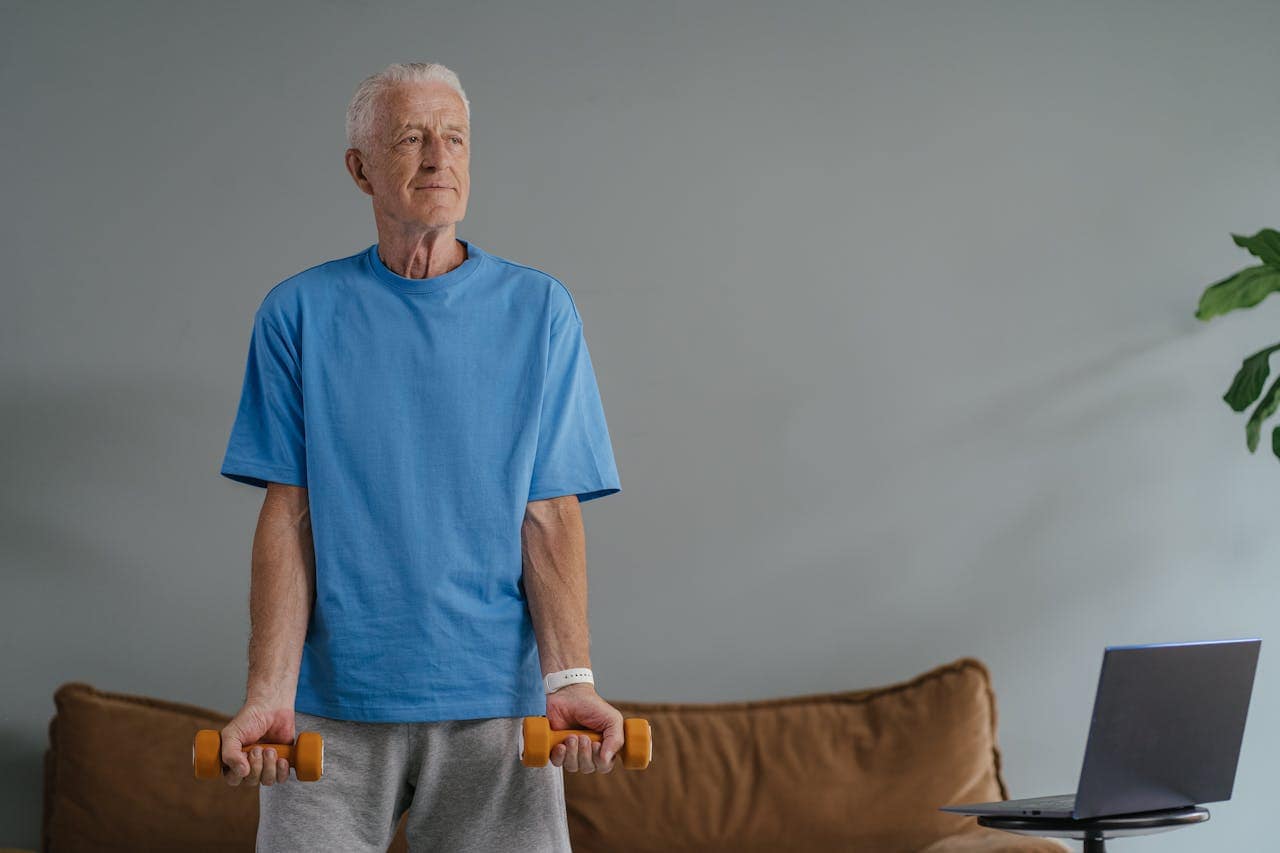
Staying active is one of the most important ways seniors can maintain independence, strength, and overall well-being. As we age, our bodies naturally lose muscle mass and flexibility, and balance may become more challenging. However, regular exercise can make a remarkable difference. With just a chair, a wall, or your own bodyweight, seniors can perform safe and effective exercises that improve mobility, reduce the risk of falls, and boost energy levels. (Image: Pexels)
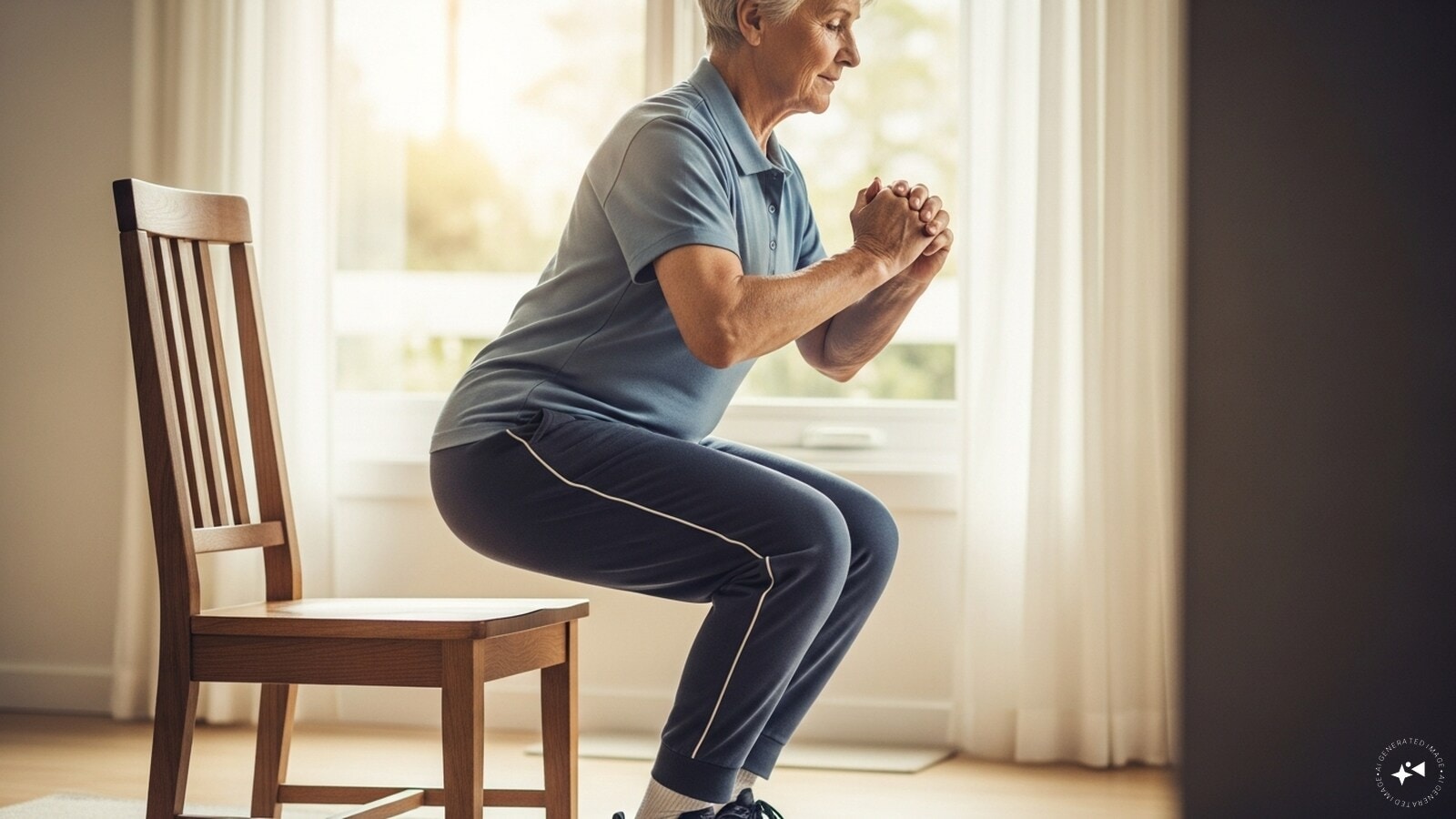
Chair Squats: One of the most practical exercises for seniors is the chair squat. This movement mimics the everyday action of sitting down and standing up, which is essential for maintaining independence. To perform it, simply stand in front of a sturdy chair, lower yourself slowly until you are just above the seat, and then rise back up. Repeating this motion strengthens the legs, hips, and core muscles, while also improving balance. Over time, chair squats can make daily activities like getting up from a sofa or bed much easier. (Image: AI-Generated)
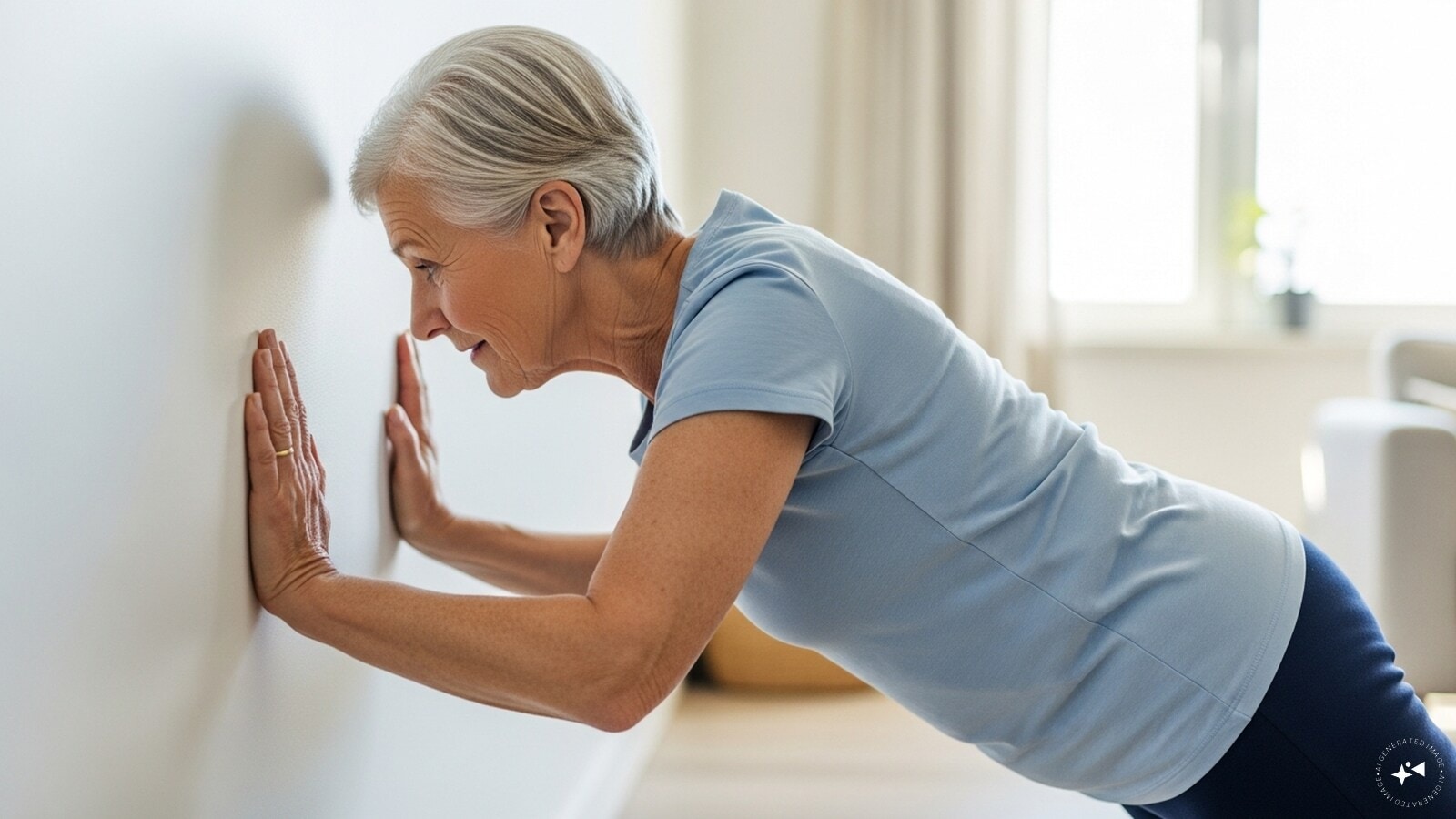
Wall Push-Ups: Push-ups might sound intimidating, but wall push-ups are a gentle variation perfect for seniors. Standing a few feet away from a wall, place your hands against it and slowly bend your elbows to bring your chest closer, then push back to the starting position. This exercise strengthens the arms, shoulders, and chest without putting too much strain on the joints. It also helps maintain upper body strength, which is crucial for tasks like lifting groceries or opening jars. (Image: AI-Generated)
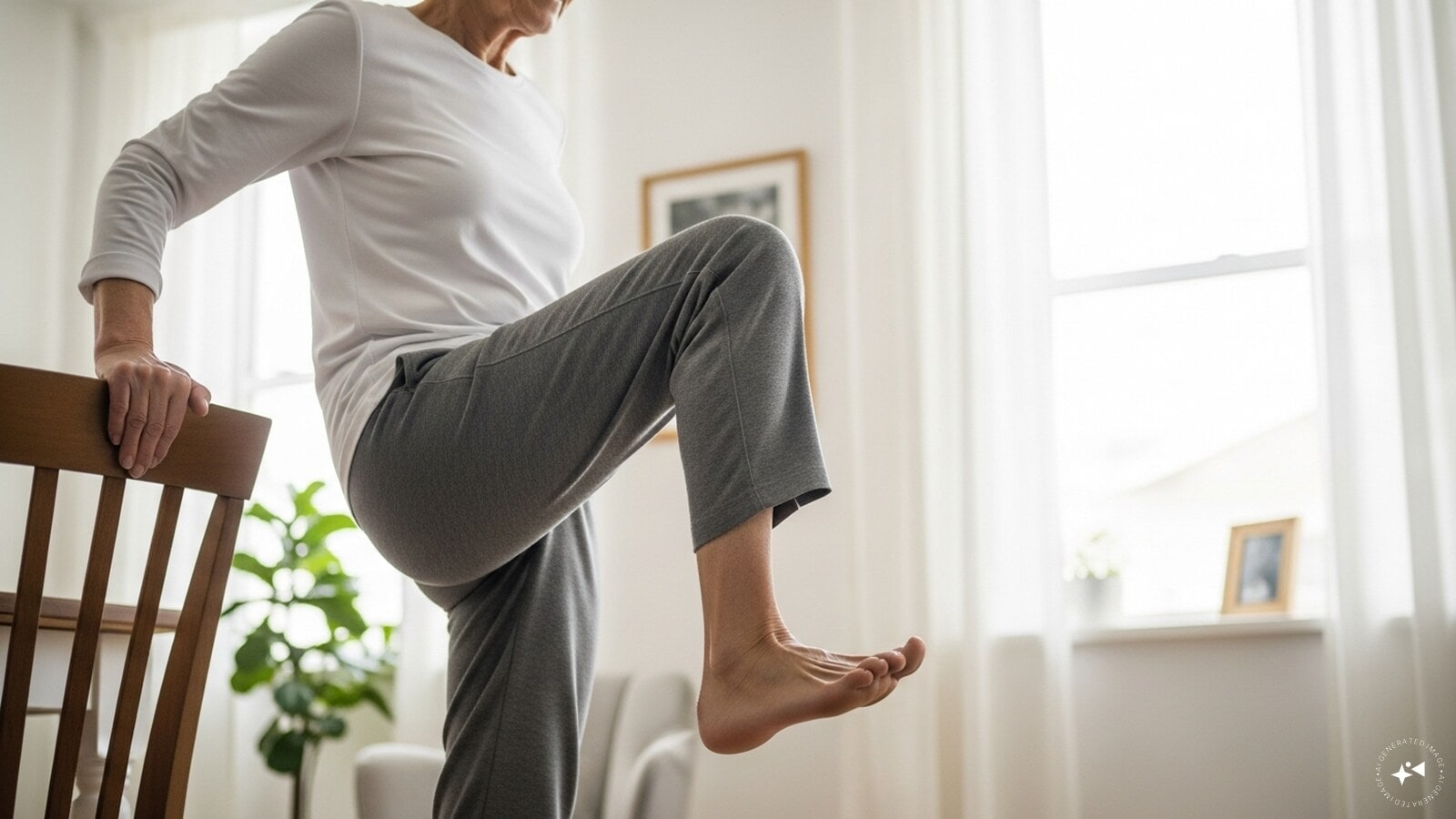
Heel Raises: Strong ankles and calves are vital for stability, and heel raises are a simple way to build that strength. Standing behind a chair for support, lift your heels off the ground so you’re standing on your toes, then lower them back down. This movement improves balance and reduces the risk of falls. It also enhances circulation in the legs, which is particularly beneficial for seniors who may spend long periods sitting. (Image: AI-Generated)
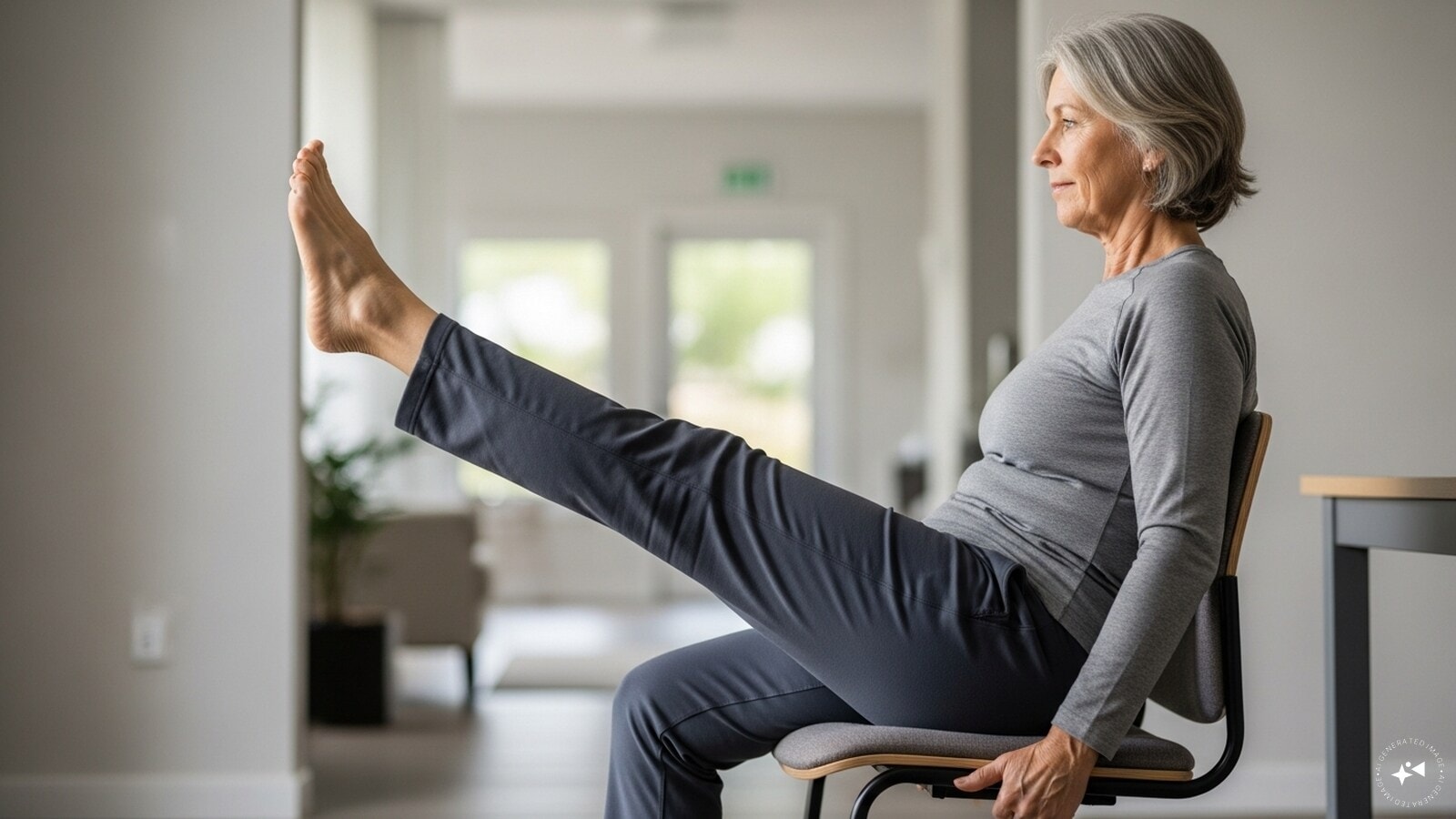
Seated Leg Lifts: For those who prefer exercising while seated, leg lifts are an excellent option. Sit upright in a sturdy chair and extend one leg straight out, hold for a few seconds, then lower it back down. Alternate between legs for several repetitions. This exercise strengthens the quadriceps and improves flexibility in the knees, making walking and climbing stairs easier. (Image: AI-Generated)
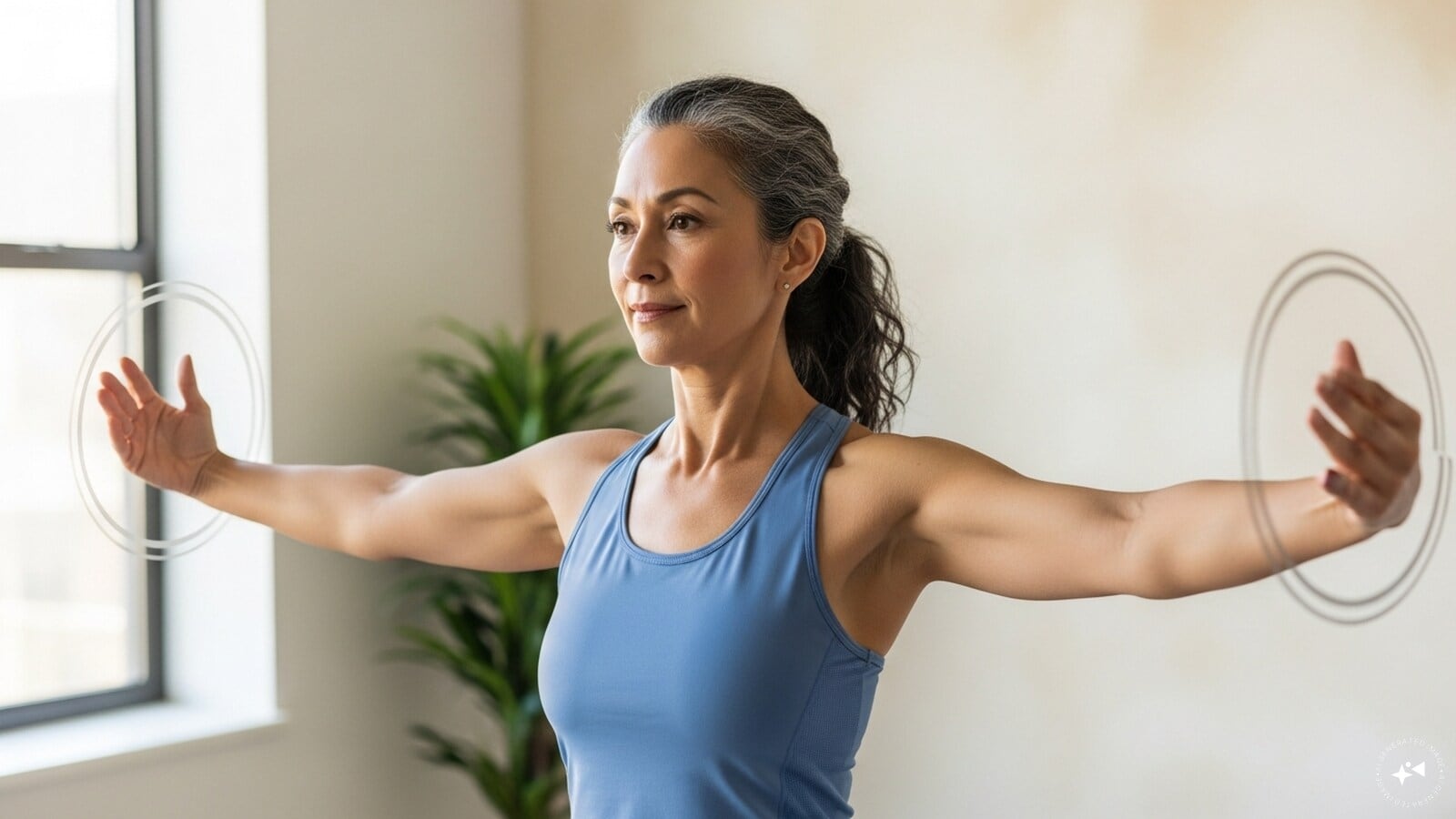
Arm Circles: Maintaining shoulder mobility is important for everyday activities like reaching overhead or dressing. Arm circles are a gentle way to keep the shoulders flexible. Simply extend your arms out to the sides and make small circular motions, gradually increasing the size of the circles. This exercise improves blood flow, reduces stiffness, and helps maintain range of motion in the shoulders. (Image: AI-Generated)
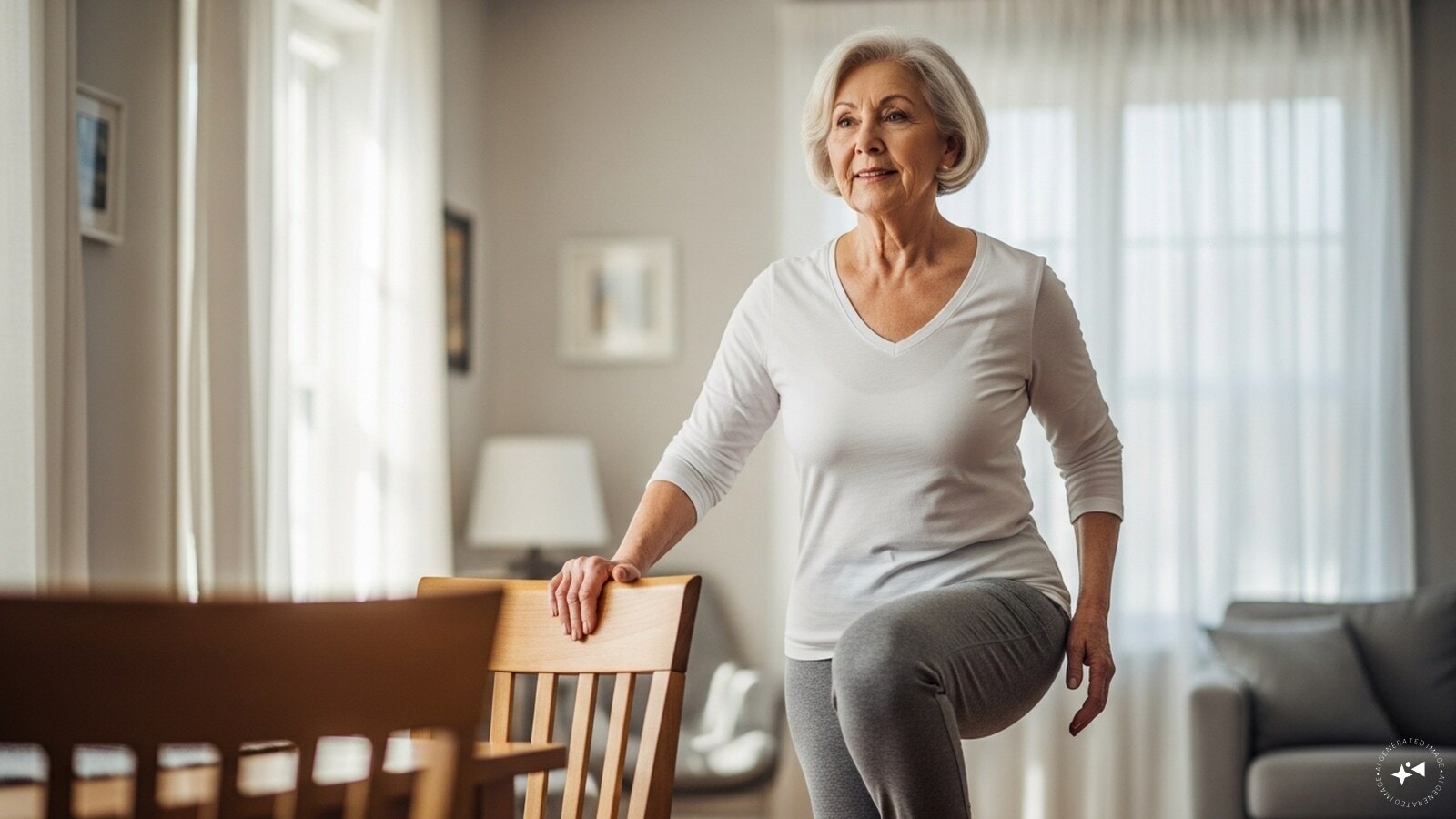
Marching in Place: Cardiovascular health is just as important as strength and flexibility. Marching in place is a safe way to get the heart rate up without leaving the house. Seniors can stand near a chair for support and lift their knees alternately as if marching. This exercise improves circulation, strengthens the legs, and adds a light cardio element to the routine. (Image: AI-Generated)
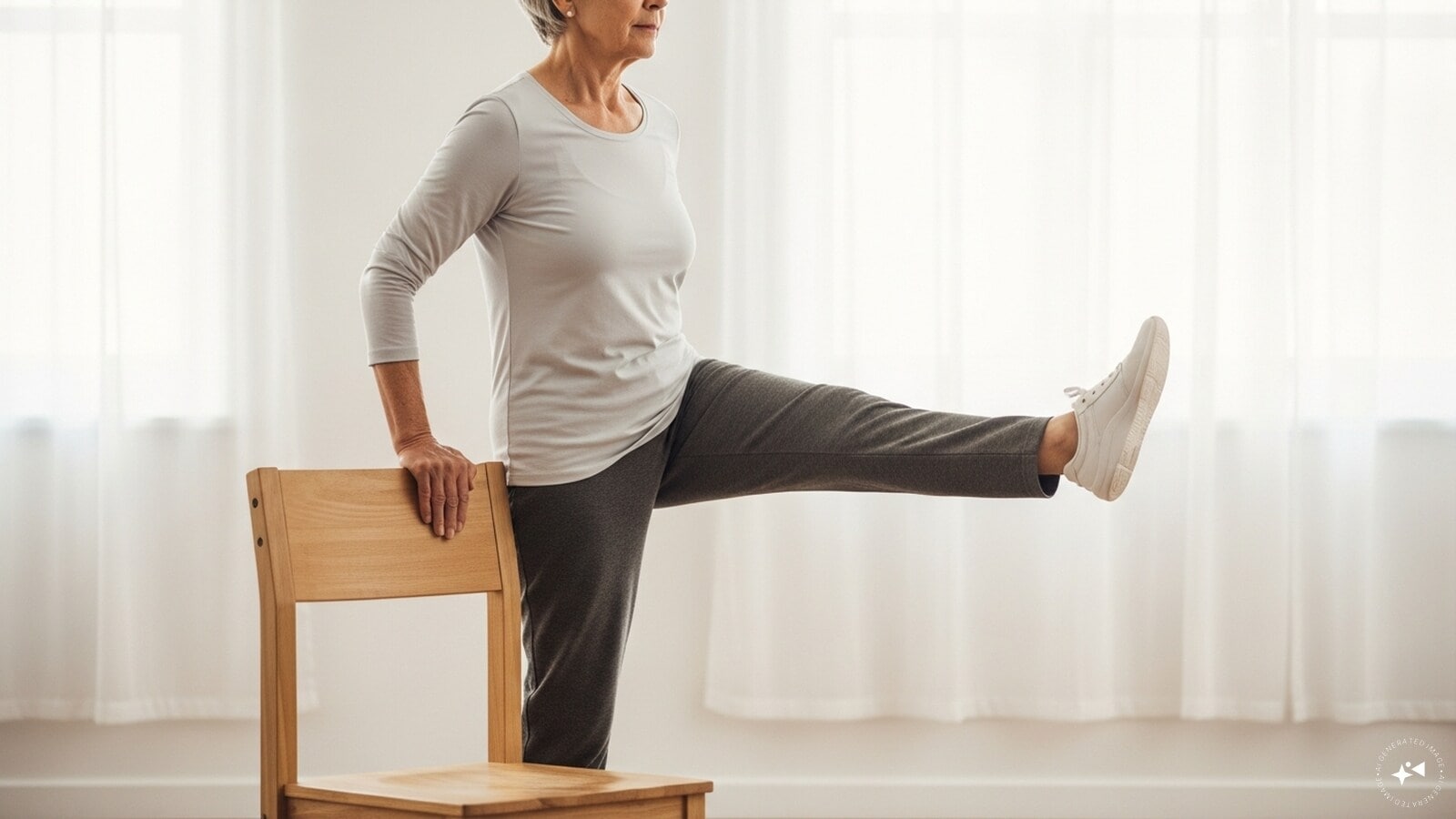
Side Leg Raises: Balance and hip strength are key to preventing falls, and side leg raises target both. Standing behind a chair, lift one leg out to the side while keeping your body upright, then lower it back down. Repeat on the other side. This exercise strengthens the hip muscles and improves stability, making walking and standing more secure. (Image: AI-Generated)
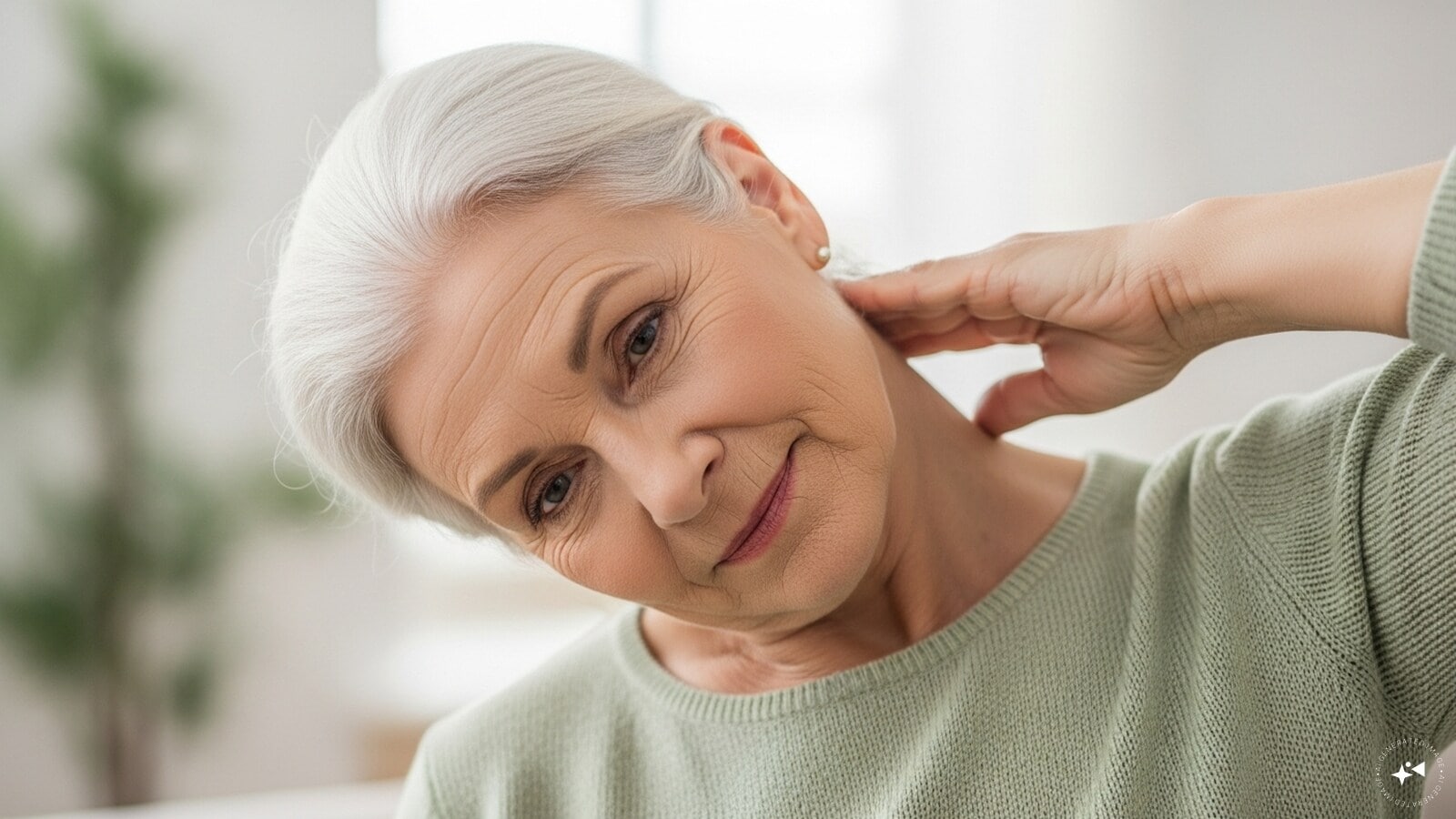
Neck and Shoulder Stretches: Flexibility exercises are just as important as strength training. Gentle neck and shoulder stretches can relieve tension and improve posture. Seniors can tilt their head slowly from side to side or roll their shoulders backward and forward. These movements reduce stiffness and help maintain mobility in the upper body. (Image: AI-Generated)