
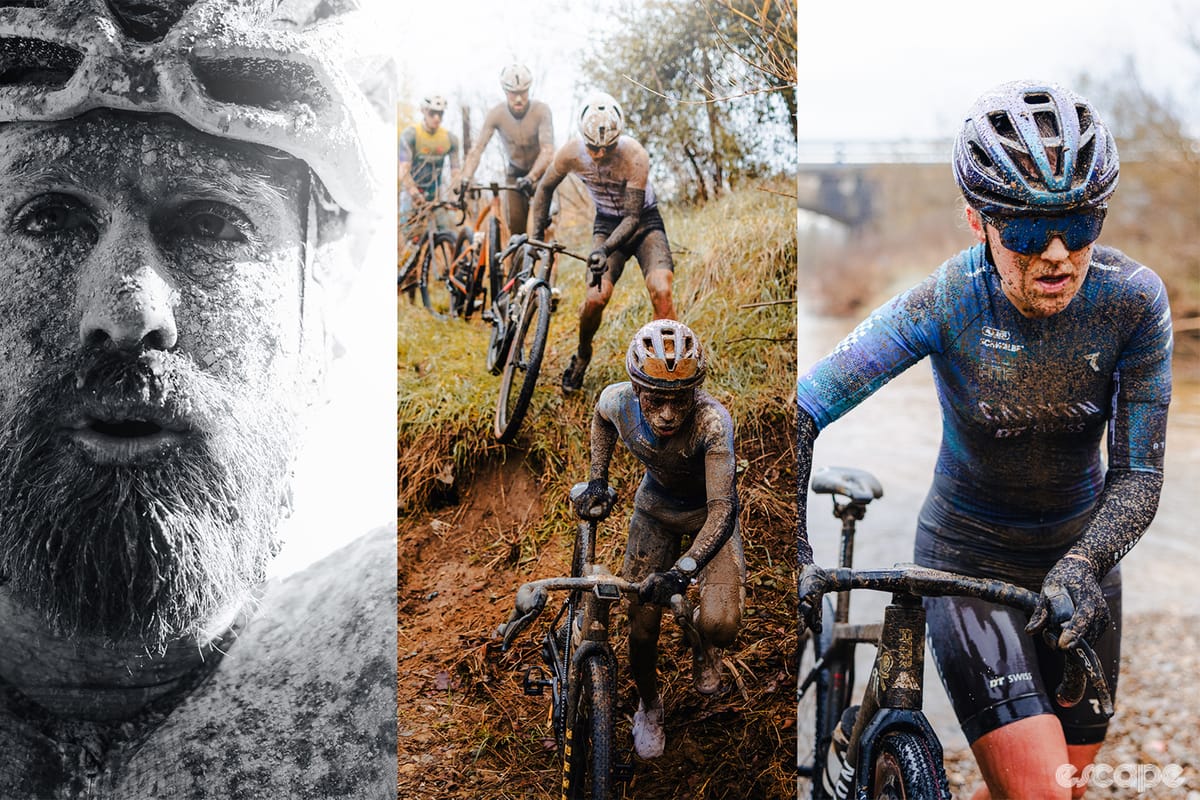
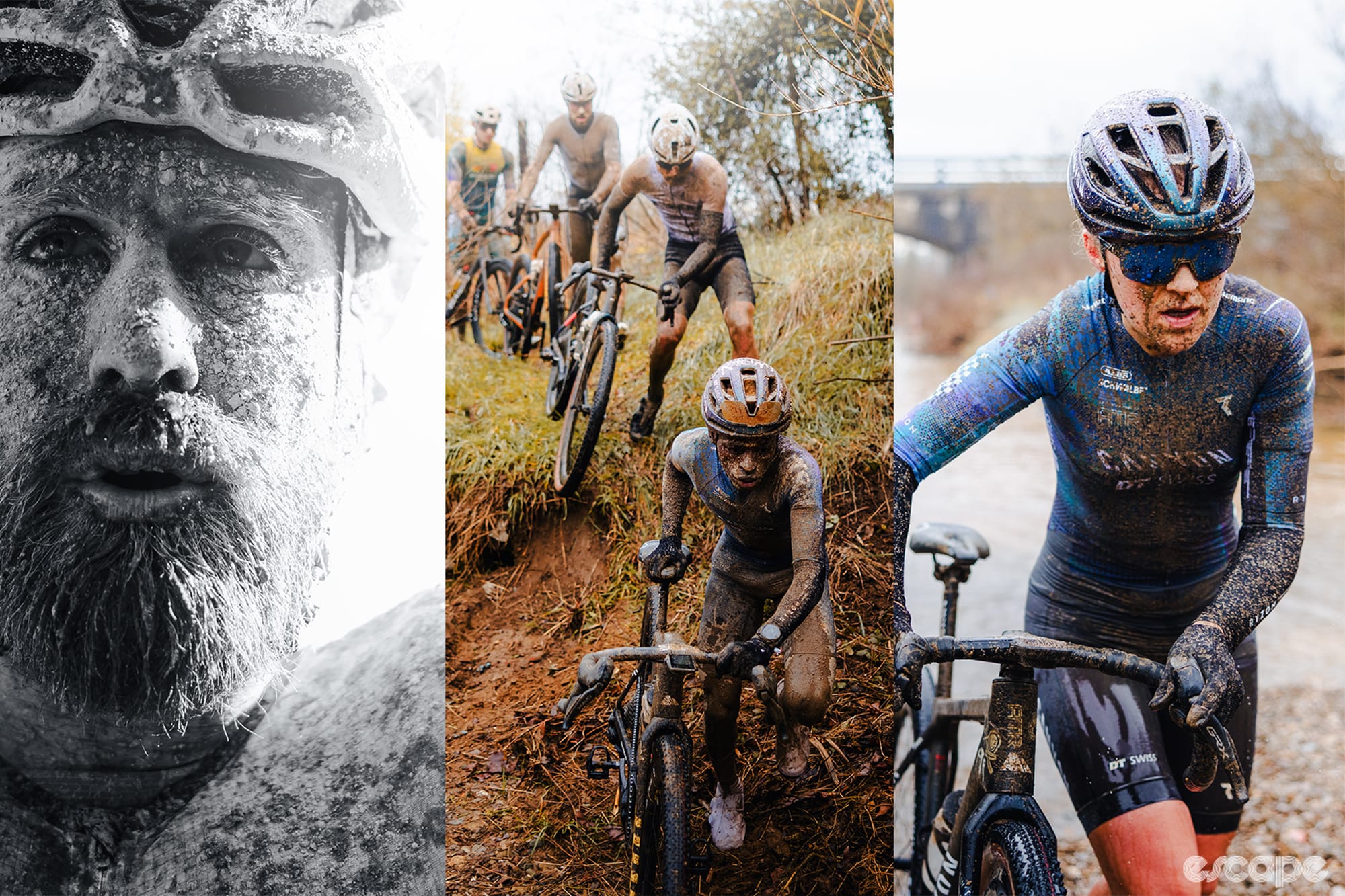
A heaping dose of inclement conditions at the photographer’s first foray into documenting gravel racing.

Harry Talbot
I could hear the rain outside. It made me happy, likely one of the only people in Girona who felt that way on the Friday afternoon before Santa Vall, a race that not even a year ago I would’ve known. I shoot the road racing calendar and I love those races. I’ve dismissed gravel racing far too often in the past, looking down on bike racers going through peanut butter mud in rural Kansas while I’m standing roadside in the Dolomites waiting for WorldTour riders to pass by at the Giro d’Italia. Why would I want to be photographing gravel, right?
If you’re like me, maybe you also didn’t know that Santa Vall is a two-stage race [the kick-off event of Gravel Earth Series] over a Saturday and Sunday, racing over the technical, steep, yet beautiful gravel surrounding Girona, Spain. Was I excited to shoot this race when I was asked a handful of weeks back? Honestly, no. Why? I suppose it felt small – for lack of a better word – no new WorldTour kits, not many fans, bike racers I didn’t know, and trails I wasn’t familiar with.
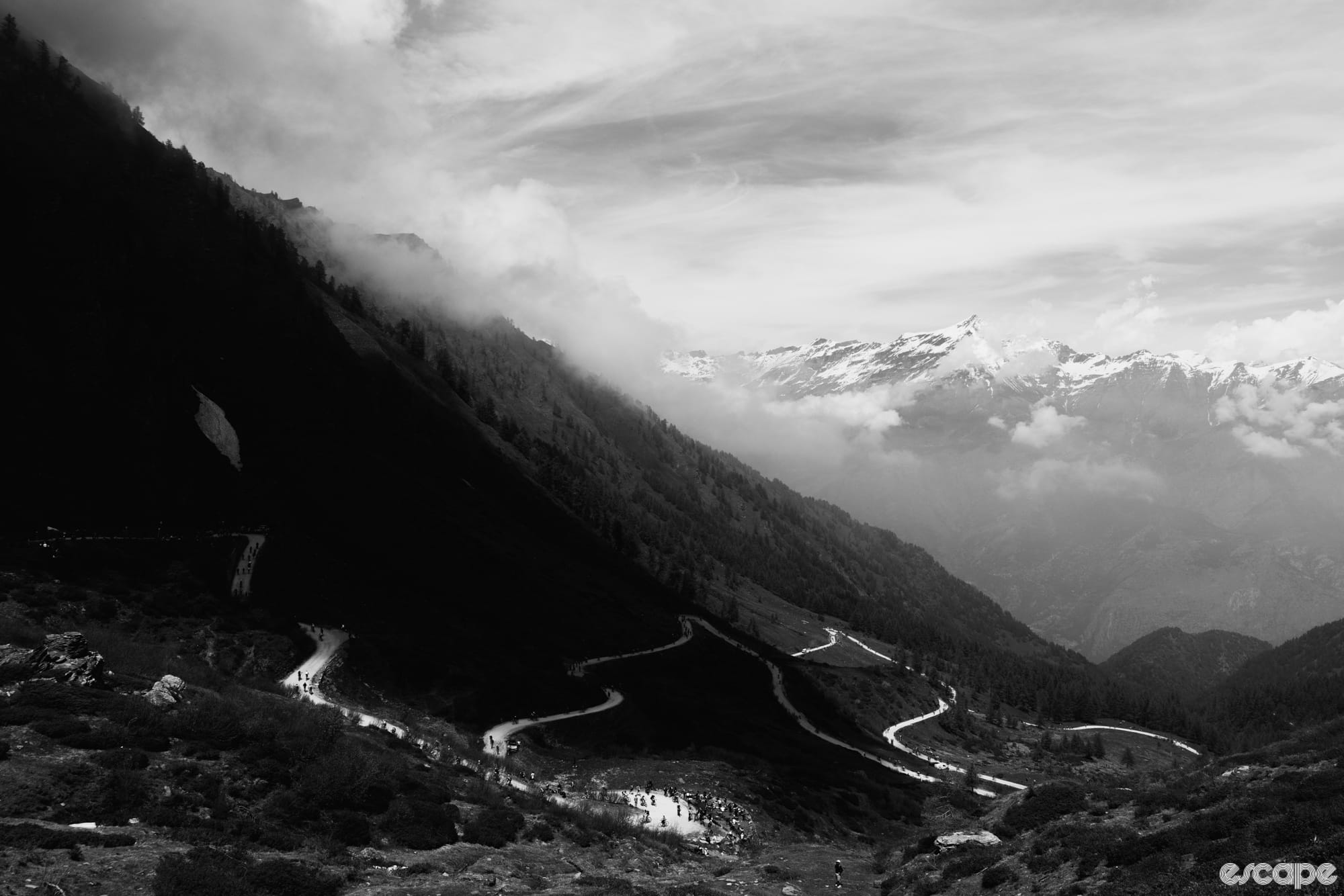
Behind the lens: Shooting the Finestre
One of the greatest mountains in cycling had a dramatic impact on one of the sport’s photographers.
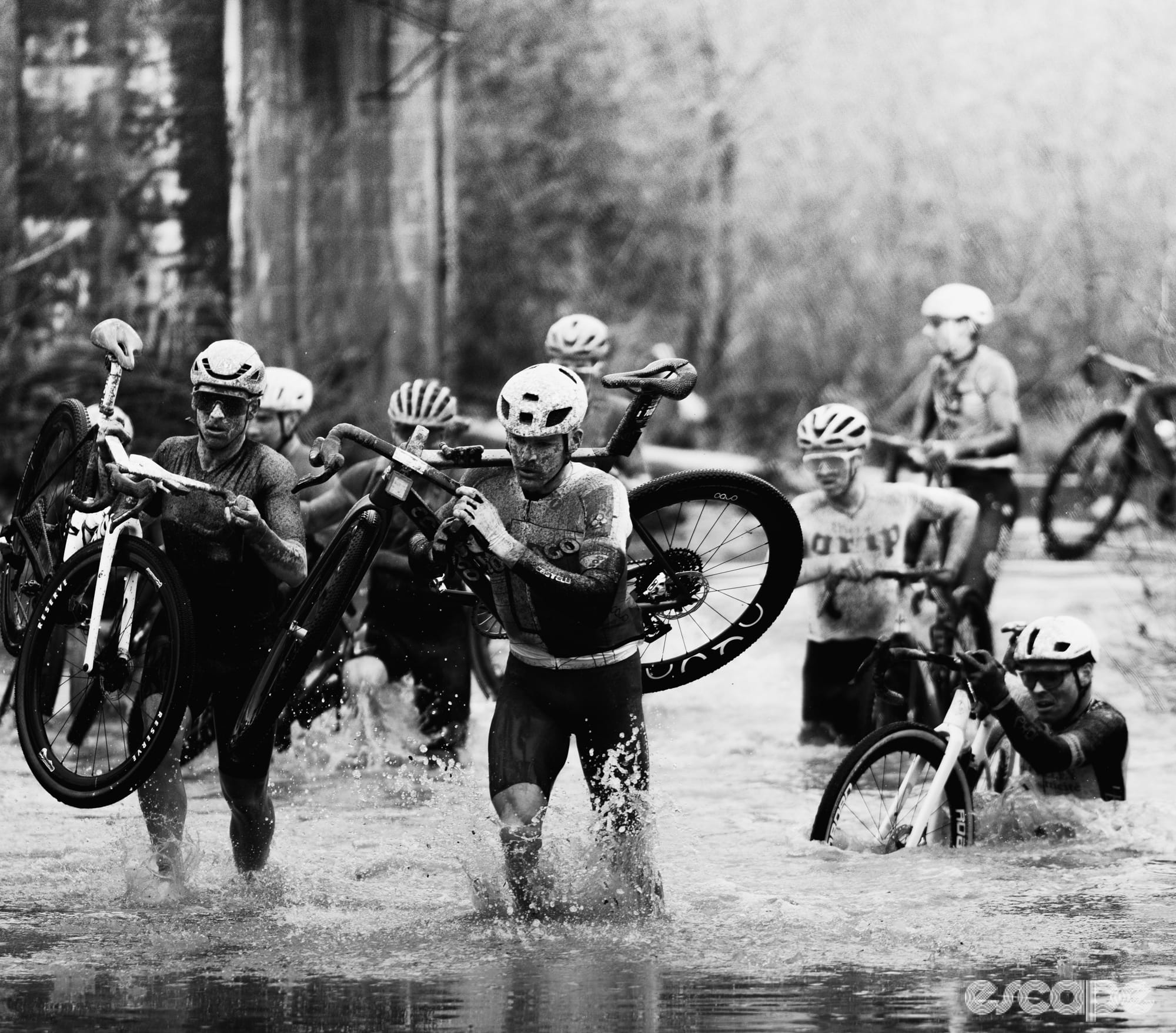
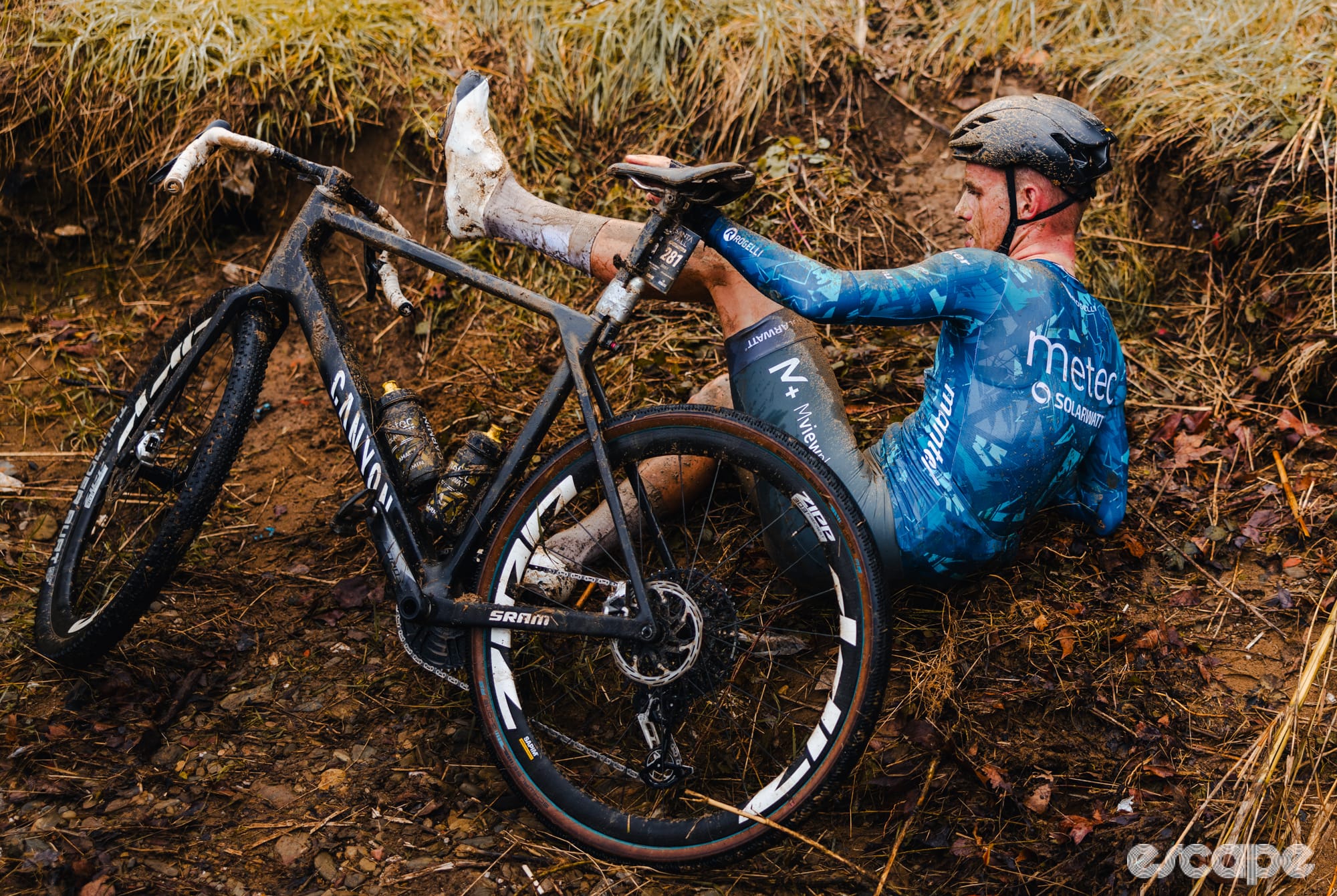
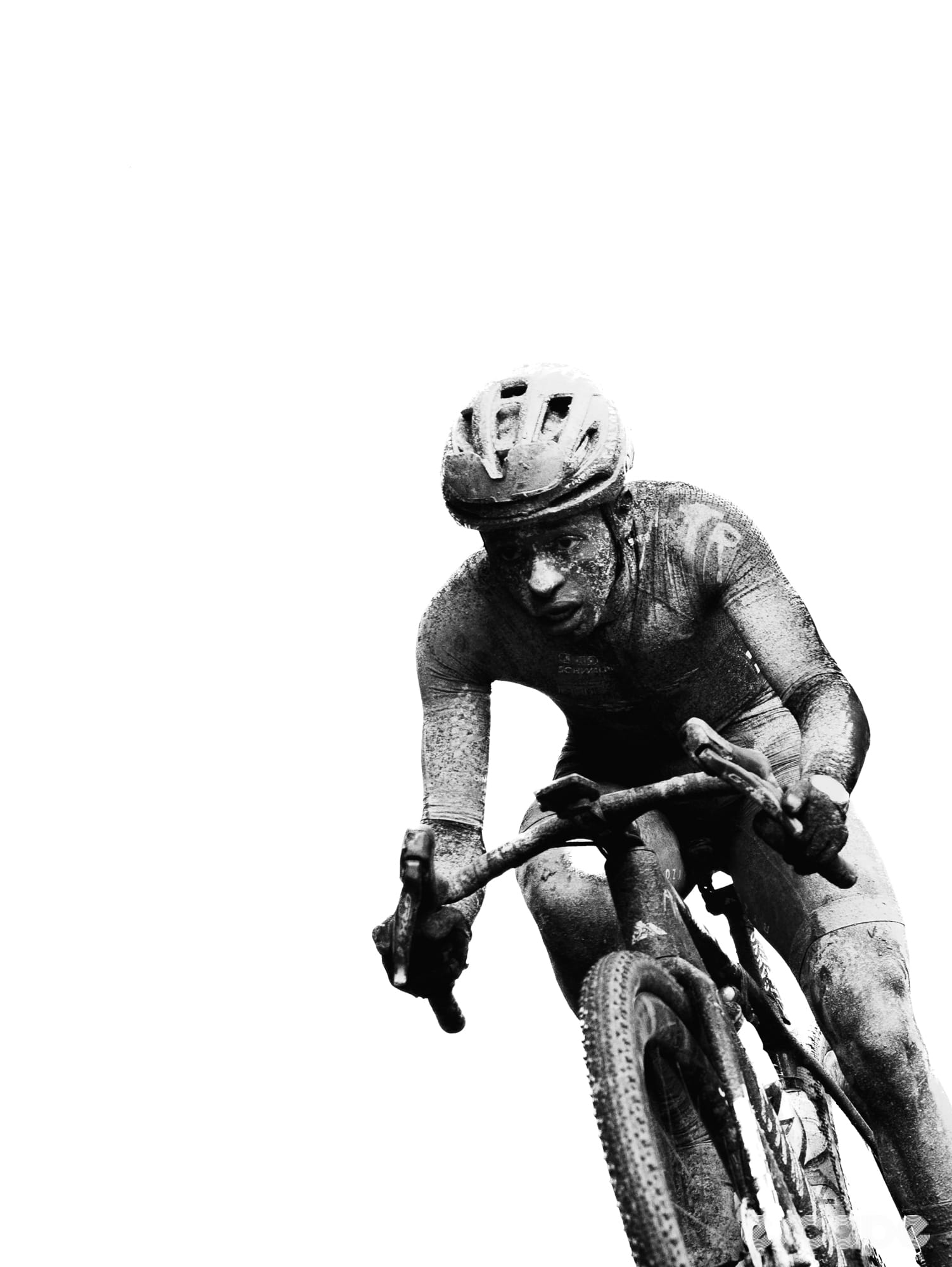
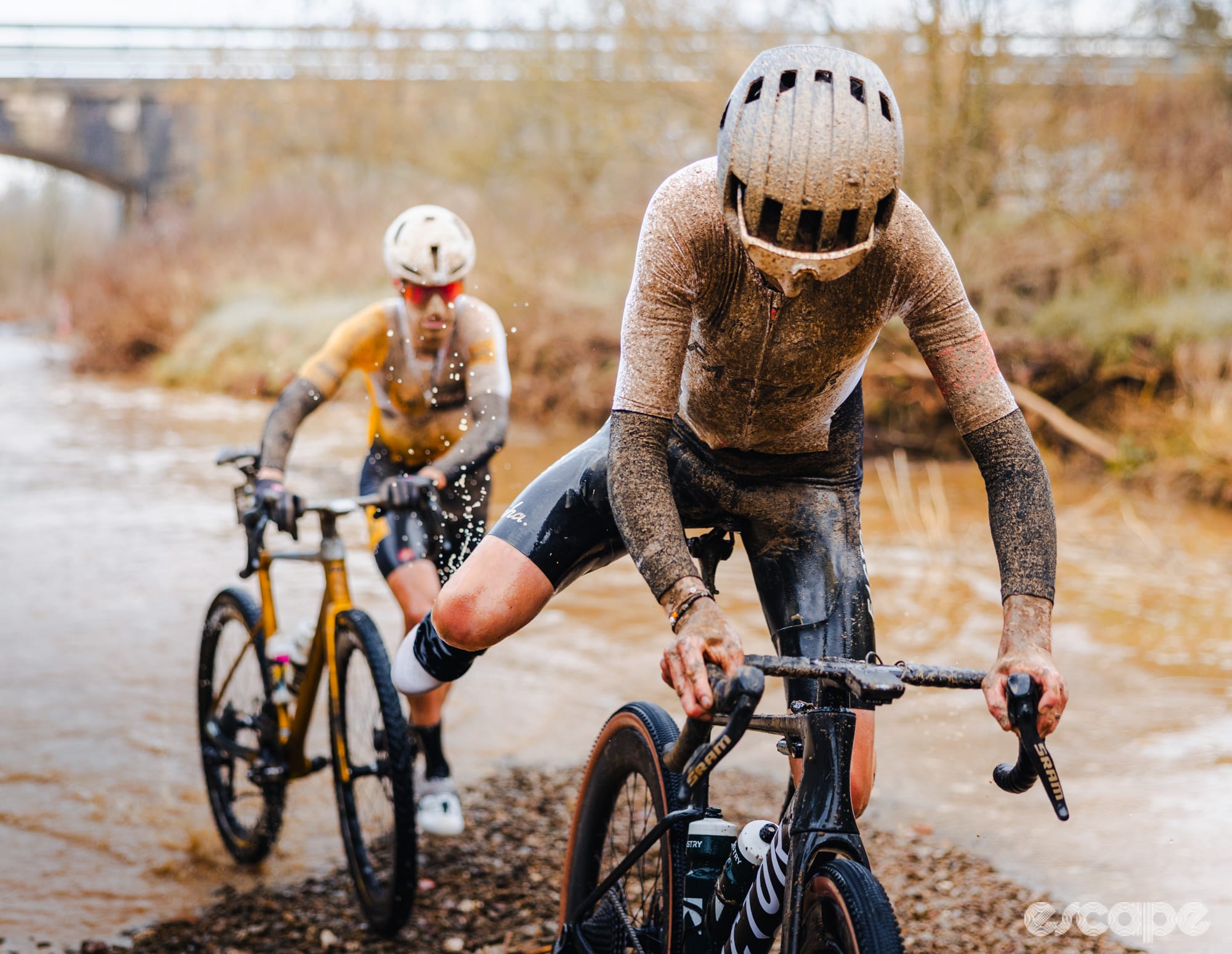
I hoped for a lot of dry dust, which always makes for nice photos, and that I’d take mud and rain. I got the latter, lots of it. It made me happy. I felt like I was photographing the 2021 Paris-Roubaix when Sonny Colbrelli won. That was one I didn’t shoot. I wish I had. But it was before my time. I guess you don’t always need big-name WorldTour riders to make a good photo; Instagram has warped my mind.
Anyway, I called this article Bike racing in hell – photographing in heaven. Let me tell you why.
This post is for paying subscribers only
Subscribe now
Already have an account? Sign in
Did we do a good job with this story?
👍Yep
👎Nope