
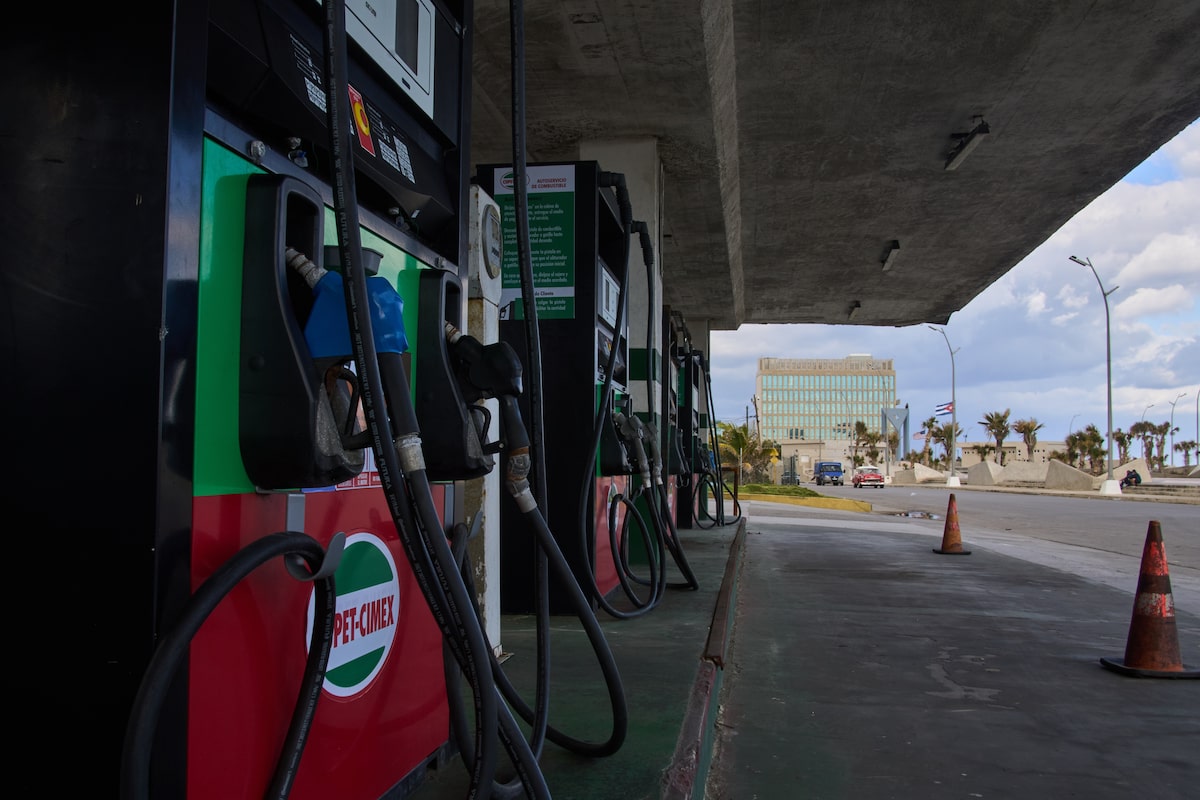
A gas station that has run out of fuel in Havana in early february.Ramon Espinosa/The Associated Press
Sherritt International Inc. S-T, the Canadian mining company with a long-standing presence in Cuba, has been forced to scale back operations at its Moa nickel mine there in response to the oil blockade imposed by the United States last month.
The Toronto-based miner said in a statement it expects to completely halt mining operations in the country and put its processing plant there on standby within the next week because of a lack of fuel.
The decision could in turn affect operations at the company’s refinery in Fort Saskatchewan, Alta., which relies on material imported from Cuba to produce finished nickel and cobalt.
The company said it has enough inventory to maintain production at the Fort Saskatchewan refinery until mid-April.
According to a 2022 sustainability scorecard published by the company, Sherritt employed 816 in Canada, though the report didn’t break that down by location and subsequent scorecards provided no country-level employment numbers.
Sherritt did not respond to a request for comment.
Ottawa faces calls to send oil and aid to Cuba amid fuel shortage
In Cuba, wellies shed light on the island’s hardships as Canada suspends flights
In January, the Trump administration imposed a ban on oil shipments to Cuba from Venezuela after the U.S. deposed the country’s President, Nicolás Maduro. Venezuela was Cuba’s largest supplier of oil.
U.S. President Donald Trump also threatened to impose tariffs on any country that sells oil to Cuba. In response, Mexico, which is Cuba’s second-largest source of fuel, suspended shipments to the Caribbean island.
The U.S. moves, aimed at toppling Cuba’s Communist government, have created an energy crisis in the country, causing rolling blackouts, forcing hospital closures and leaving trash to pile up in the streets.
Though Sherritt provided no details on the shutdown’s impact on annual production estimates, National Bank Financial analyst Shane Nagle wrote in a report that “continued fuel constraints in the country could ultimately lead to lost production for the year.”
He estimated that every week the mine is shut down will negatively impact Sherritt’s adjusted earnings before interest, taxes depreciation and amortization by $300,000, equivalent to roughly 3 per cent of the bank’s estimate of Sherritt’s EBITDA for 2026.
Sherritt said its power operations in Cuba, which it operates with Energas SA using the country’s own oil and gas reserves, are not being impacted.
Sherritt’s shares closed down roughly 16 per cent to 17 cents on the Toronto Stock Exchange on Tuesday after the announcement.
Even before the fuel blockade, Sherritt’s operations in Cuba had struggled with cost overruns and widespread power outages.
Mr. Nagle said in light of the shutdown, the company faces near-term liquidity needs, noting Sherritt ended fiscal 2025 with $236.4-million in long-term debt and working capital of negative $10-million.
In its statement, Sherritt said that while it looks for ways to prolong production at the Moa mine and the Fort Saskatchewan refinery, it is “managing expenditures to maintain financial flexibility and exploring potential sources of temporary funding support.”
Last week, in a fourth-quarter earnings call with investors, Sherritt’s interim chief executive officer, Peter Hancock, downplayed the fallout from “recent geopolitical developments,” telling investors Cuba has historically prioritized the supply of fuel to its mining operations, which Sherritt runs in a joint venture with a state-owned company.