
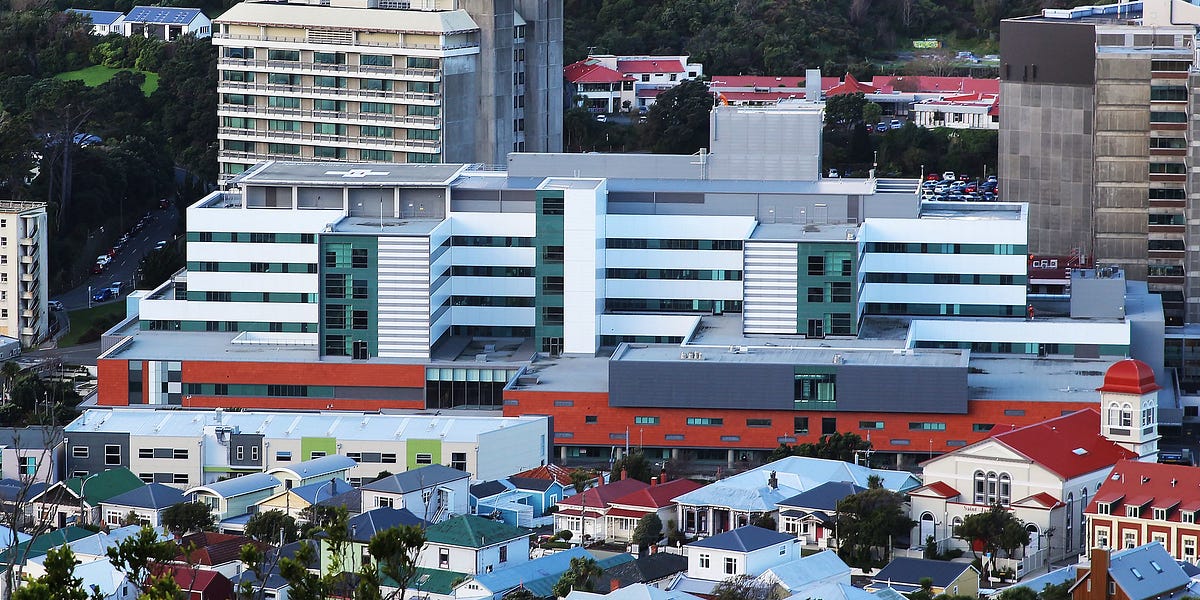
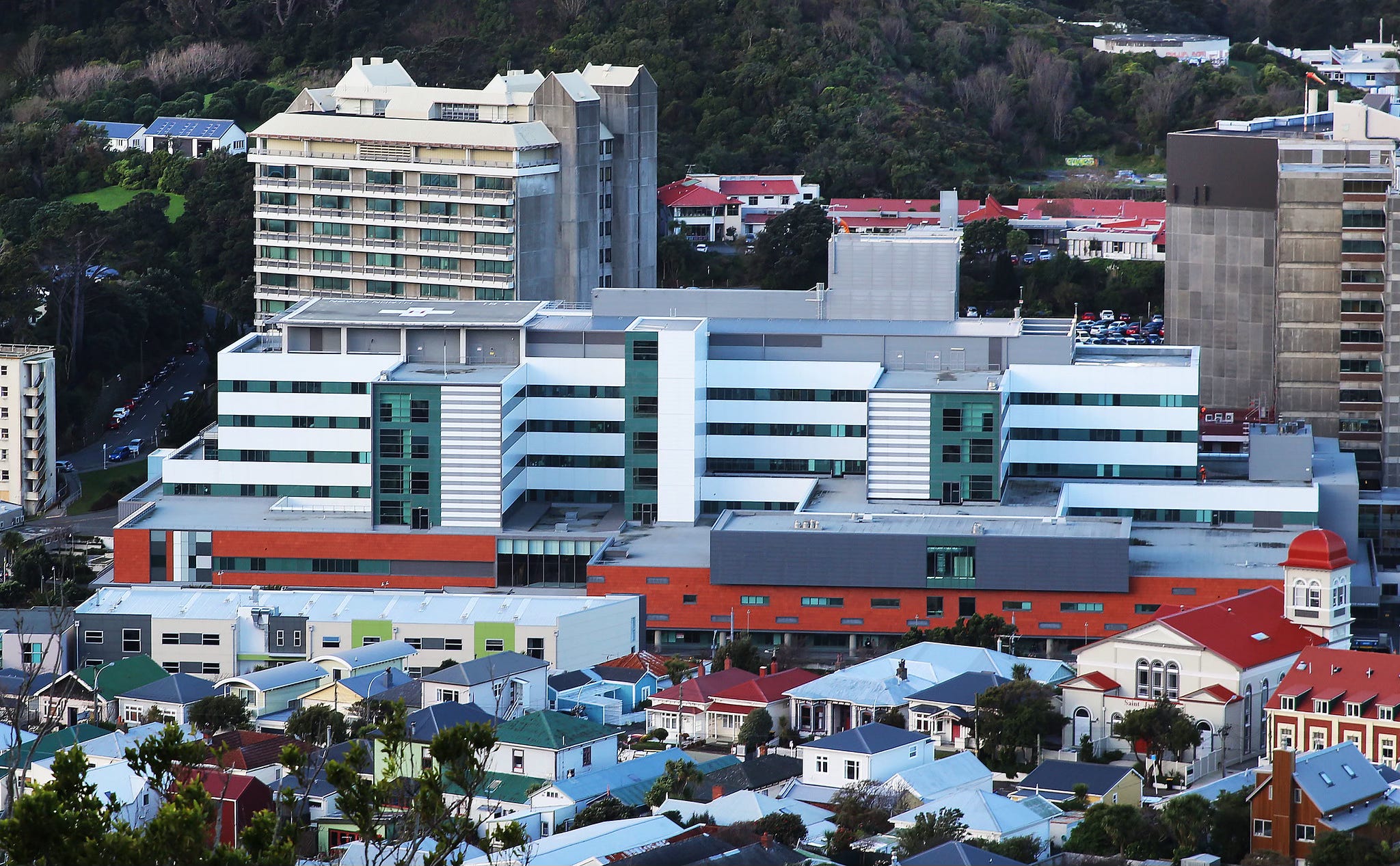
 Young and future New Zealanders are being told they can’t have the infrastructure investments in road, rail, hospital, school, university and water networks Kiwis took for granted between the 1930s and 1980s. The unspoken assumption is that’s not possible because older generations don’t want to pay taxes on the unearned and tax-free wealth they’re sitting on in residential land. Photo: Lynn Grieveson / The Kākā
Briefly in the news in Aotearoa’s political economy around housing, climate and poverty on Wednesday, February 18:
The Infrastructure Commission presented the final version of its 30-year Infrastructure plan yesterday, recommending politicians and voters steer clear of the massive new motorways in the current plan’s mostly-unfunded $275 billion project list, unless than can pay for themselves with tolls, which most don’t.
It instead recommended the Government and councils focus more on maintenance and suggested hospital upgrades were more desperately needed as the population ages.
The Government and the Opposition agreed (mostly) with the Commission’s calls for better long-term bipartisan planning, except for the bits the other side wanted, with Labour pointing to the Commission’s criticism of National’s RONS, motorways and National expressing frustration with Labour’s criticism.
In my view, the Commission’s plan was again dominated by Treasury’s mantra that New Zealand can’t afford the $275 billion without user pays, buying into the arbitrary 30/30 rule about the size of Government spending and debt relative to GDP that has dominated our disastrous approach to infrastructure for 30 years.
Effectively, the Plan is again telling young and future New Zealanders they can’t have the infrastructure investments in road, rail, hospital, school, university and water networks Kiwis took for granted between the 1930s and 1980s.
The unspoken assumption is that’s not possible because their parents or grandparents don’t want to pay taxes on the unearned and tax-free wealth they’re sitting on in residential land, which was made valuable by those networks, along with rapid and unplanned population growth.
In news from the economy, food prices rose the fastest in four years in January, emphasising Election 2026 is likely to be about inflation in the cost of living, a large part of which is due to climate change pushing up fruit, vegetable, coffee, chocolate, beef and bread prices, along with the unaddressed super-profits of the supermarkets duopoly.
In the news this morning, Banks Peninsular is cut off after five months of rain fell in 35 hours, as are parts of the Wairarapa. More extreme and frequent storms such as this are the predictable and unacknowledged results of climate change, which increases the need for infrastructure investment today’s politicians and older say they can’t afford.