
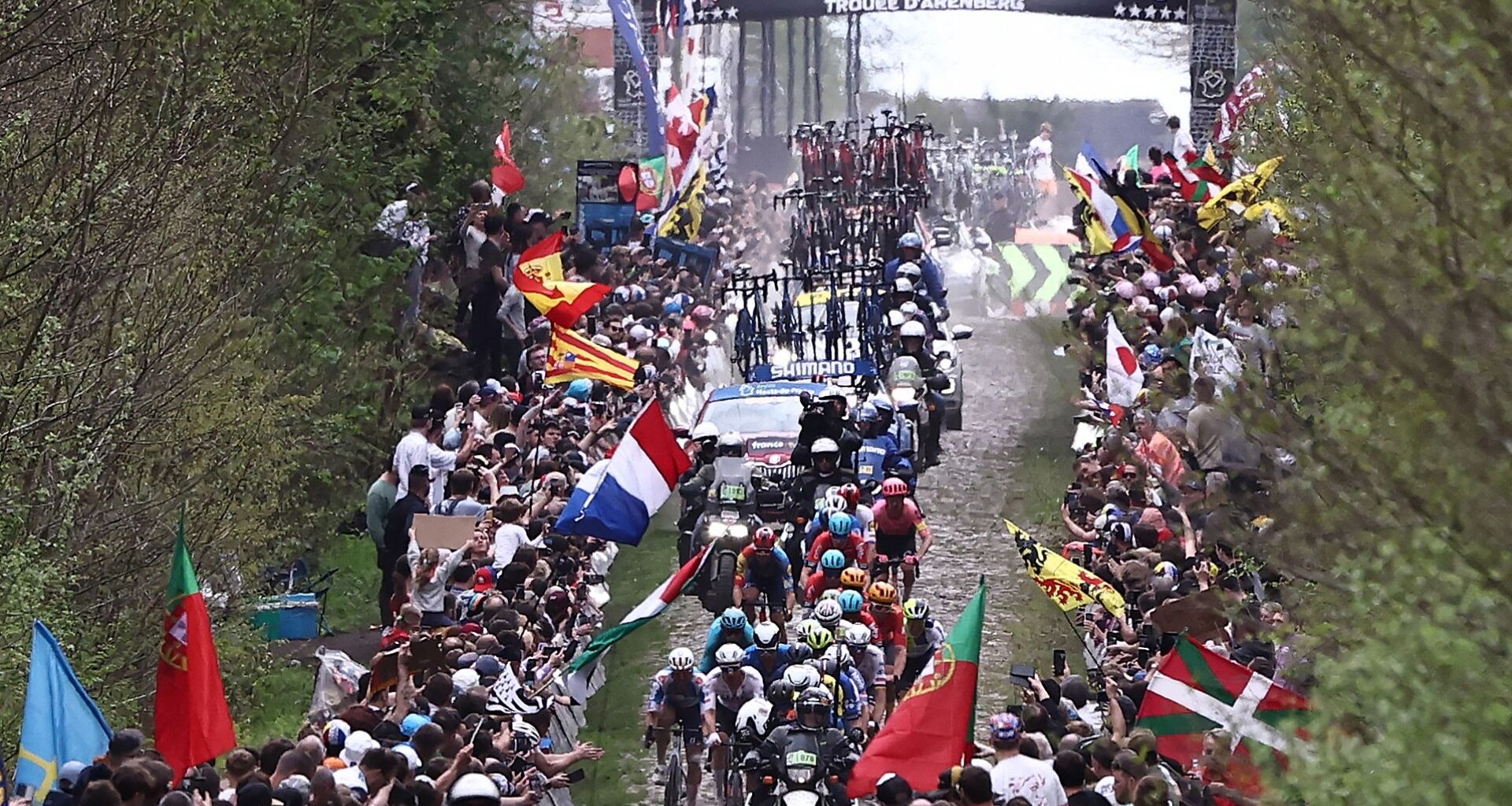
Cycling has a lot of races. From January to October, pro racing runs a scattered programme across the globe that’s packed with events. On almost every day in that window, there’s racing to digest if you want it.
The problem is that it’s so packed that it doesn’t always form a cohesive narrative. If the Premier League or the NFL represent the standard of a structured sports season, cycling is very much the opposite. Sure, the Tour de France feels like cycling’s Super Bowl, but everything else kind of moves to the beat of its own drum. Or does it?
You may like
Being a North American cycling fan can be extra tough. Between races unfolding in the early morning hours and hard-to-track-down livestreams, following the sport often means piecing the season together across multiple platforms. Cycling’s fractured broadcasting landscape doesn’t make things any easier. We hear you!
So, to help you orient the season and stay on top of what’s happening in pro cycling, we’ve identified eight races — four for the men and four for the women — that will explain so much of what the 2026 pro cycling season is all about and where U.S. viewers can find the livestream.
These events are split across Peacock and HBO Max. Of course, if you’d rather not stack subscription on top of subscription, one workaround is using a VPN, which can allow access to international streams that may otherwise be geo-restricted in the U.S. (provided you’re comfortable with foreign-language commentary and mindful of platform terms of service).
Strade Bianche Donne – March 7th, 2026
(Image credit: Getty Images)
Where to watch: HBO Max
How far out do I need to start watching? The race could ignite as early as the long San Martino section with just under 80km to go, but the action will likely kick off on the first time up the Colle Pinzuto with 50km left to race.
About the race: In 2024, the organisers of Strade Bianche made a crucial mistake: they made the men’s race too long.
In making the change, the race, which had been perfectly balanced to suit both lighter climbers and heavier rouleurs, was turned into a race that skews much more towards the climbers. And Tadej Pogačar has dominated the race since.
You may like
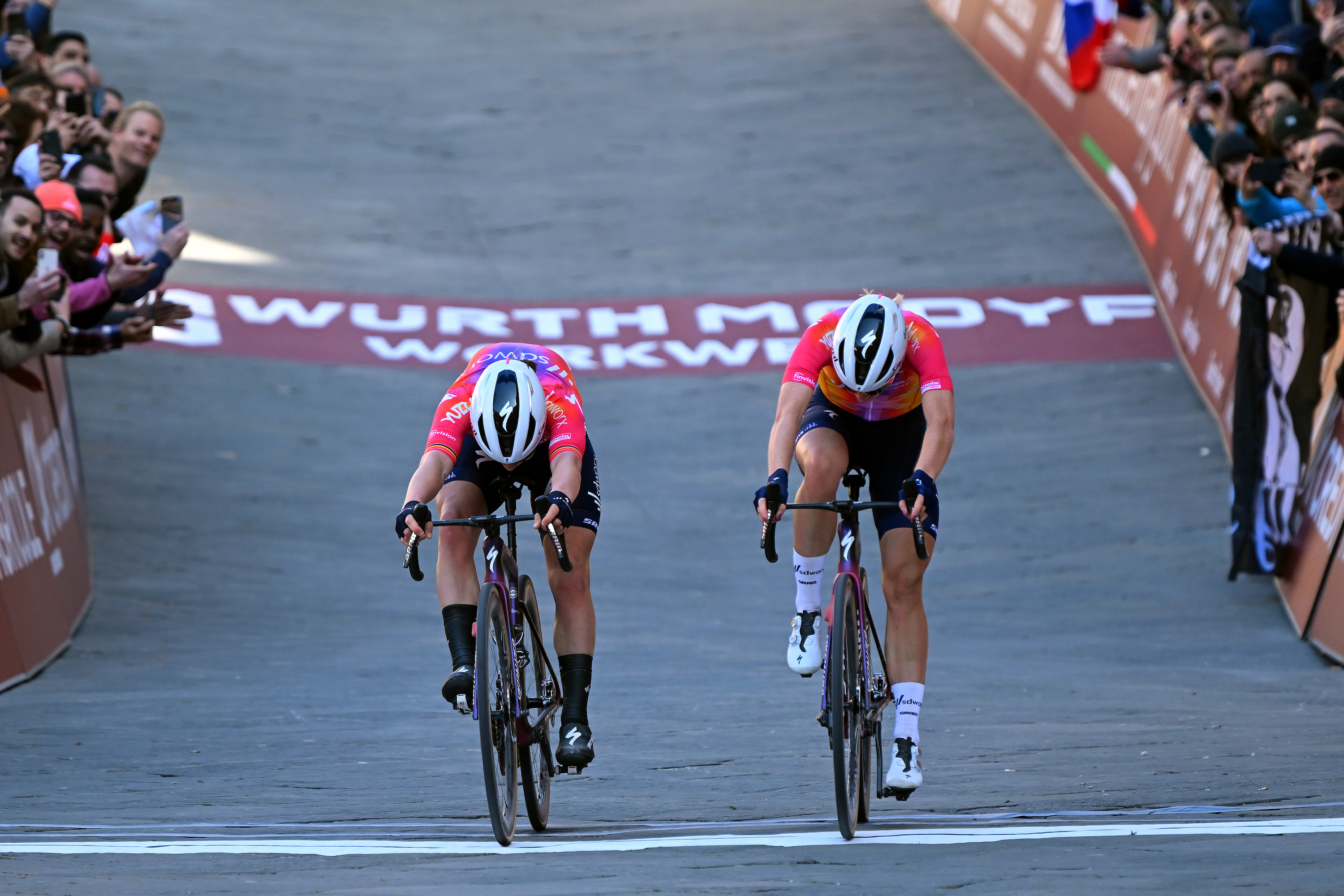
The women’s race, however, still has that tightly balanced profile, and it produces racing that is more in line with the thrill that made Strade Bianche the hipster monument. What’s more, on its own, the women’s race has one of the most iconic moments of recent Classics history when Demi Vollering and her then-teammate Lotte Kopecky sprinted for the win and fought in the press after the fact.
While the men’s race still seems likely to continue to pale in comparison to its high-water mark of 2021, the track record for the women’s Strade Bianche is going to be a crucial harbinger for the Spring Classics and summer stage races that will follow.
Milan San Remo – March 21, 2026
(Image credit: Getty Images)
Where to watch: HBO Max
How far out do I need to start watching? 30km to go for the run into the Cipressa is where we recommend beginning. It is all action from then on.
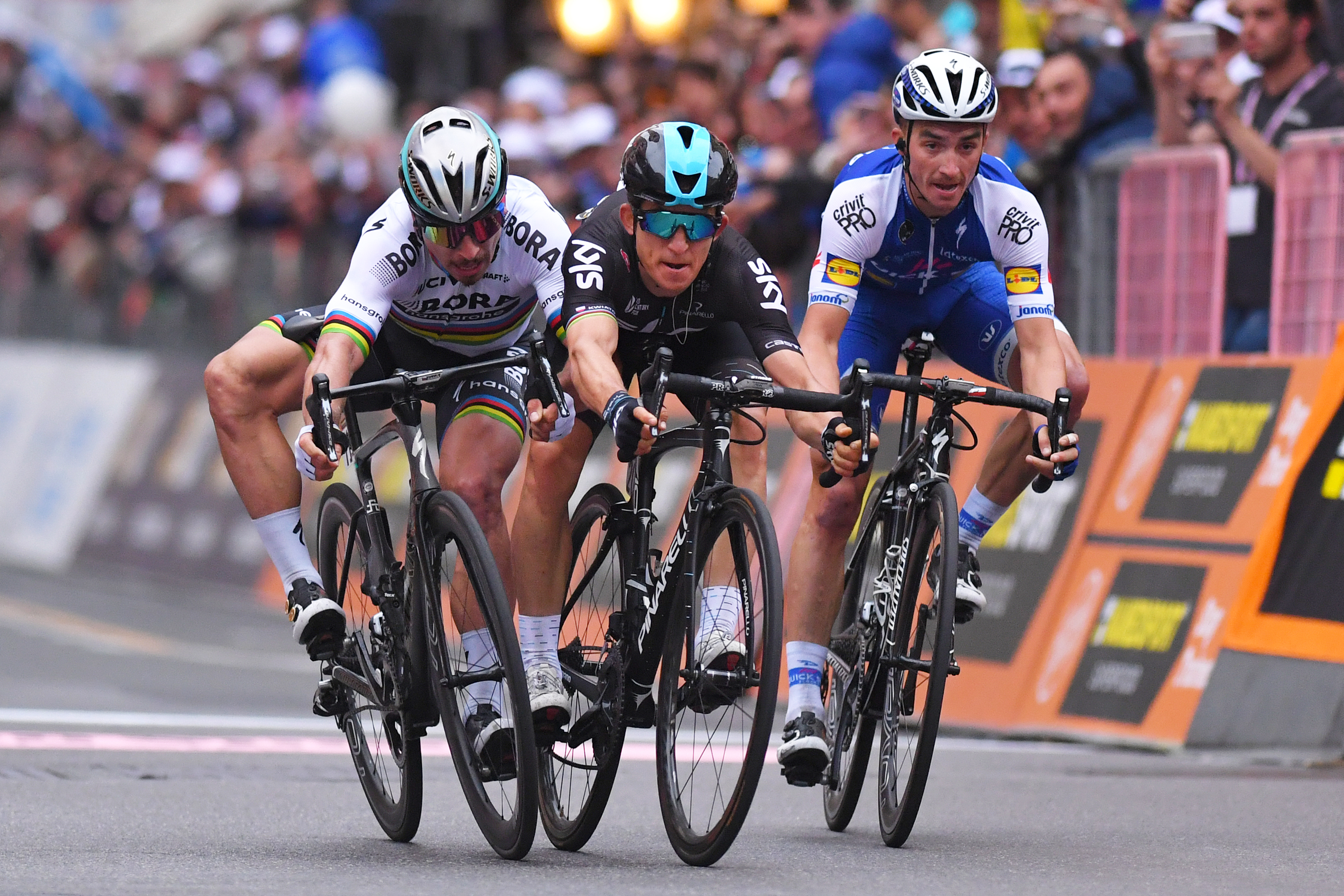
About the race: If there was ever a race to convince someone to become a cycling fan, it is the last 20 minutes of Milan San Remo. To quote Bill Hader on SNL, this club has everything.
Milan-San Remo is the essence of cycling distilled into one spectacular finish along the Mediterranean coast. The attrition of endurance, team tactics, the will-they-won’t-they of the climb and descent of the Poggio, it is all on display. There is no such thing as a letdown at Milan San Remo; even a sprint finish is gripping.
For fans of men’s cycling, one of the most alluring aspects of the race is its tendency to be an elusive title for the most dominant riders. Philippe Gilbert would have a full set of Monument wins if he had won this race. Peter Sagan was a rider who seemed tailor-made for the demands of the race, yet he never managed to win it. After multiple years of trying, Tadej Pogačar seems at risk of falling into the same trap, with the might of Matthieu van der Poel and his Alpecin-Premier Tech teammate Jasper Philipsen proving a tough obstacle to his mission to complete his domination of cycling.
With those storylines, you simply cannot miss the finale of this race.
Paris-Roubaix – April 12, 2026
(Image credit: Getty Images)
Where to watch: Peacock
How far out do I need to start watching? There are arguments to be made that Paris-Roubaix is the one race to watch start to finish, but a better bet is to start watching at sector 20 as the race begins to build to the first key sector: the Forest of Arenberg, sector 19.
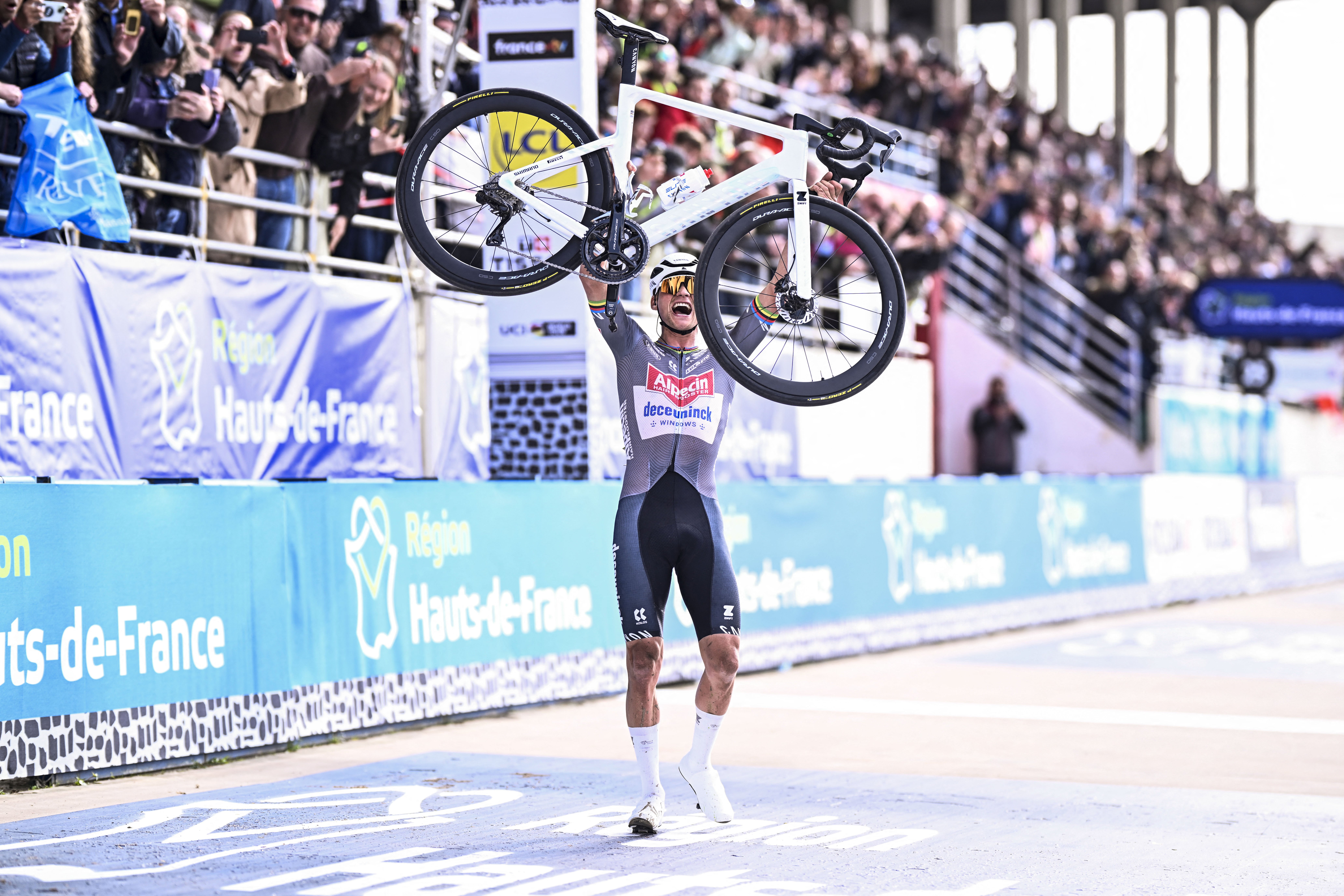
About the race: Do you know what makes great TV? Watching two of cycling’s all-time greats battle in a one-day race. Last year, Paris-Roubaix was part two of that showdown between Tadej Pogačar and Mathieu van der Poel and proved to be one of the most memorable showdowns in recent memory as Pogačar took the fight to the Dutch favourite over and over until a crash derailed his victory in his first Hell of the North.
If that is anything to go off of, 2026 should be just as intense, especially if you add Mads Pedersen into the mix, who has been knocking at the door of a monument win for the entirety of his career, and Wout van Aert, who should be healthy after a crash derailed his cyclocross season.
Aside from attracting the biggest names in the sport, Paris-Roubaix is unmatched in its iconography, atmosphere and unpredictability. Every year, Paris-Roubaix should be on your watch list.
Paris-Roubaix Femmes – April 12, 2026
(Image credit: Getty Images)
Where to watch: Peacock
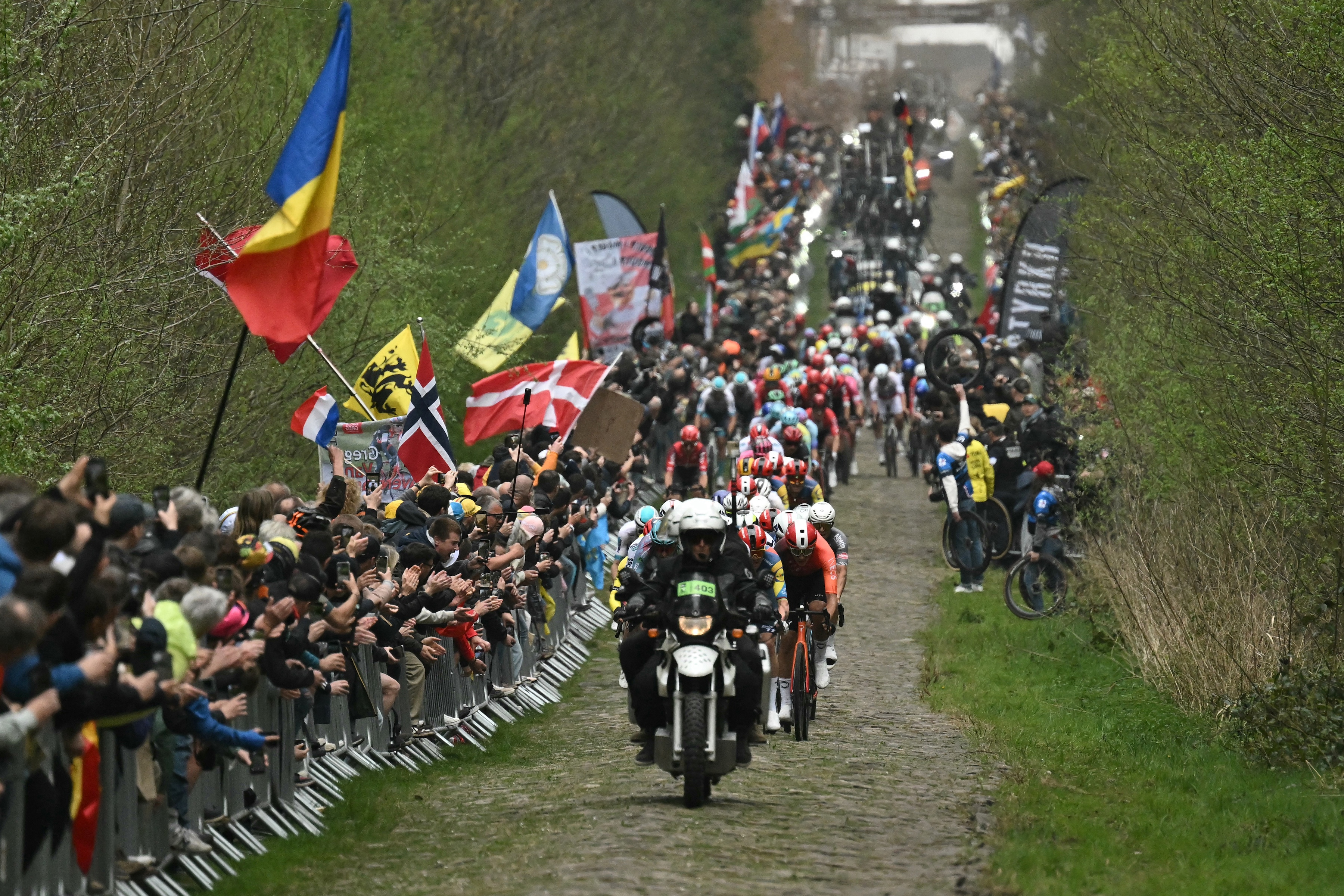
How far out do I need to start watching? Turn it on right after the men’s race is finished; the events don’t have their own days anymore. That should work out to be about the last 80km of racing, which includes the major sectors of the race.
About the race: If the Tour of Flanders was easier to watch for American audiences, Paris-Roubaix’s cobbled cousin across the northern border might get the nod as the must-watch women’s cobblestone classic. But with broadcast rights stranded on FloBikes—an expensive streaming service that costs more while offering less content than platforms like HBO Max or Peacock—it’s difficult to call it essential viewing when so few fans can actually watch it.
Nevertheless, Paris-Roubaix is a one-of-a-kind classic that has helped define the rise of the women’s peloton in the years since the COVID-19 pandemic. It feels so fundamental to the sport now that it’s difficult to imagine the calendar without it.
A handful of indelible moments already shape its identity: Lizzie Deignan’s epic solo victory in the rain-drenched inaugural edition, Alison Jackson’s shock triumph in 2023, and Pauline Ferrand-Prévot’s commanding win last year. With only five editions in the books, we can speculate about what the future holds, but part of the race’s allure is how much remains unwritten, leaving fans to discover in real time how its story will continue to evolve.
Liège-Bastogne-Liège Femmes – April 26, 2026
(Image credit: Getty Images)
Where to watch: Peacock
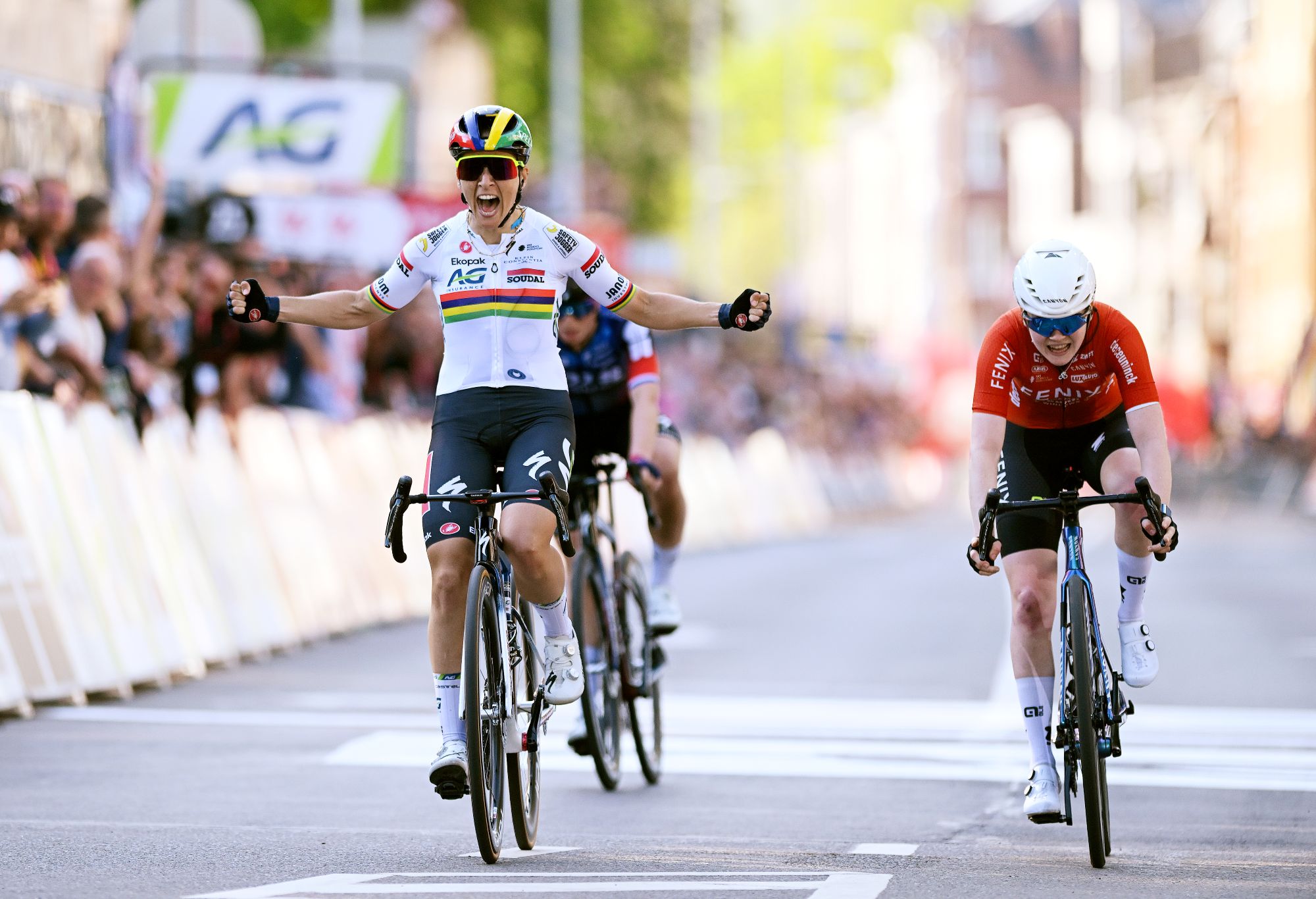
How far out do I need to start watching? 40km to go would be a good starting point as the race will approach the Côte de la Redoute, the start of the end game for the race.
About the race: The women’s WorldTour calendar has found a way to neatly package its season into a tale of two halves. In the spring, it’s all about one-day races, with everyone focusing on the big goals of Strade Bianche, the Tour of Flanders, Paris-Roubaix, and the Amstel Gold Race, to name a few. In the summer, the focus is a clear shift to stage races, with a journey through Spain followed by the Giro d’Italia Women and ultimately the Tour de France Femmes.
Liège-Bastogne-Liège is the precise moment the calendar flips, and has become one of the most exciting days on the calendar because it offers an exclamation point for the Classics riders, and points to a few names that could elevate their stature in the stage race season.
Last year, the race was the coming-out party for Kim Le Court Pienaar. The AG Insurance rider had been steadily improving throughout the past few seasons, but her commanding win at the final Spring Classic was the final log on the fire for the all-rounder to ignite in her summer. A stage win at the Tour of Britain followed before Le Court Pienaar blitzed the Tour de France Femmes, winning a stage and occupying the yellow jersey for the majority of the race.
Regardless of who wins, they should be watched closely for the big summer races.
Tour de France Stage 15 – July 19, 2026
(Image credit: Getty Images)
Where to watch: Peacock
How far out do I need to start watching? At 60km to go, the race will approach the Col de la Croisette (7.6 km, 8.8%) with a four-kilometre section at over 11%. Game on.
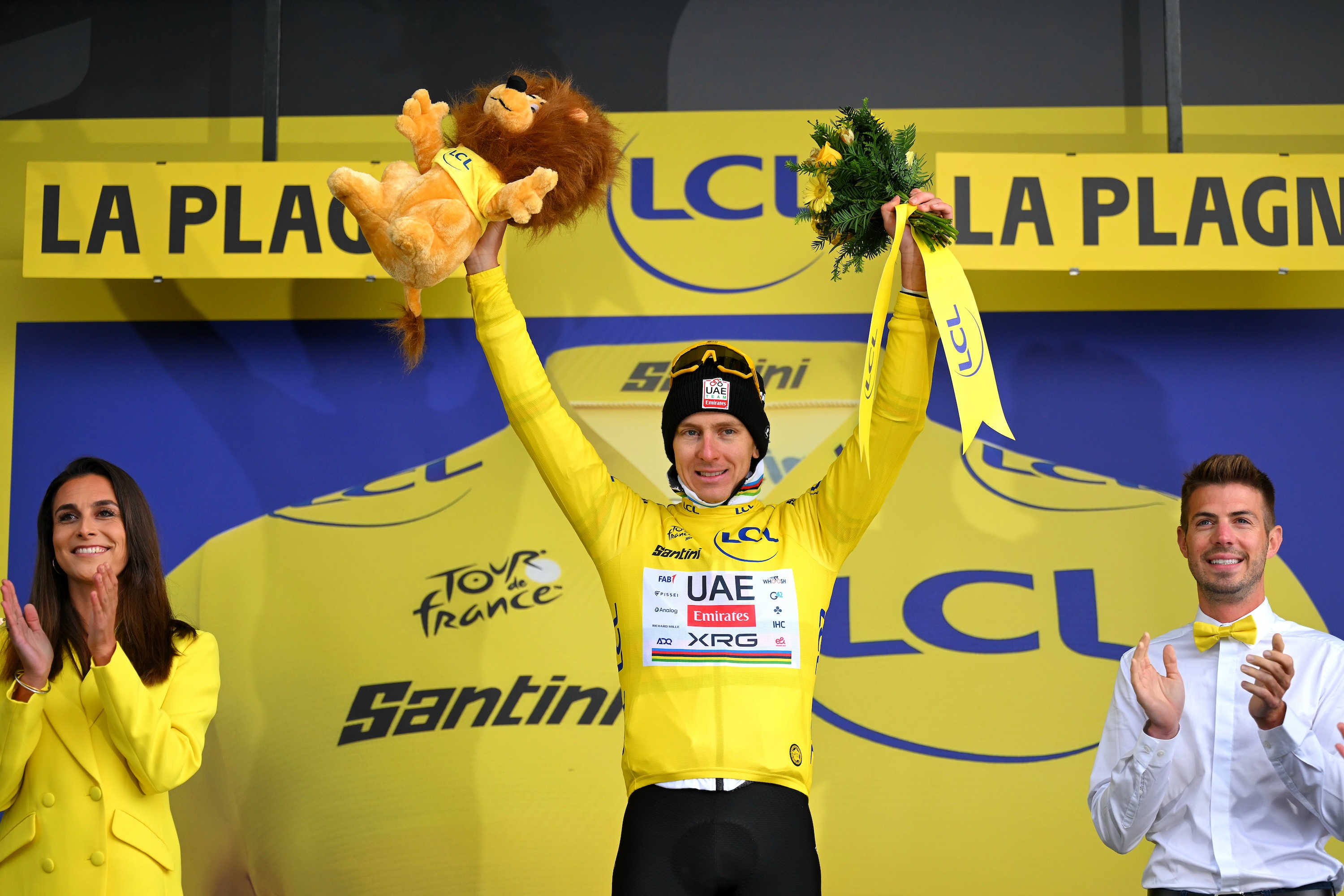
About the race: In the best-case scenario, the Tour de France isn’t settled until week three. Yet, looking back on the race, week two is when it is actually decided more often than not. Looking at this year’s route, stage 15 will have a big red circle on many riders’ calendars. Nothing will be settled before it, but the race for yellow could be fairly wrapped up after.
The stage’s design is attractive for a couple of reasons. The most obvious of which is the final climb, the fearsome Plateau de Solaison (11.6 km, 8.9%). While not the longest or tallest climb, the Solaison might be the hardest in the entire Tour, with consistently steep gradients defining the stage’s finale. What’s more, there is ample room in the earlier portion of the stage for satellite riders, teammates who go up the road early to support their leader when the going gets tough.
On paper, this is a great stage for Tadej Pogačar. However, if there was ever a stage that could suit the team strength of Visma-Lease a Bike and the pure climbing prowess of Jonas Vingegaard, it would be a stage with this kind of drawn-out profile and a tough, steep final climb to the finish.
Tour de France Femmes Avec Zwift Stage 9 – August 9, 2026
(Image credit: Getty Images)
Where to watch: Peacock
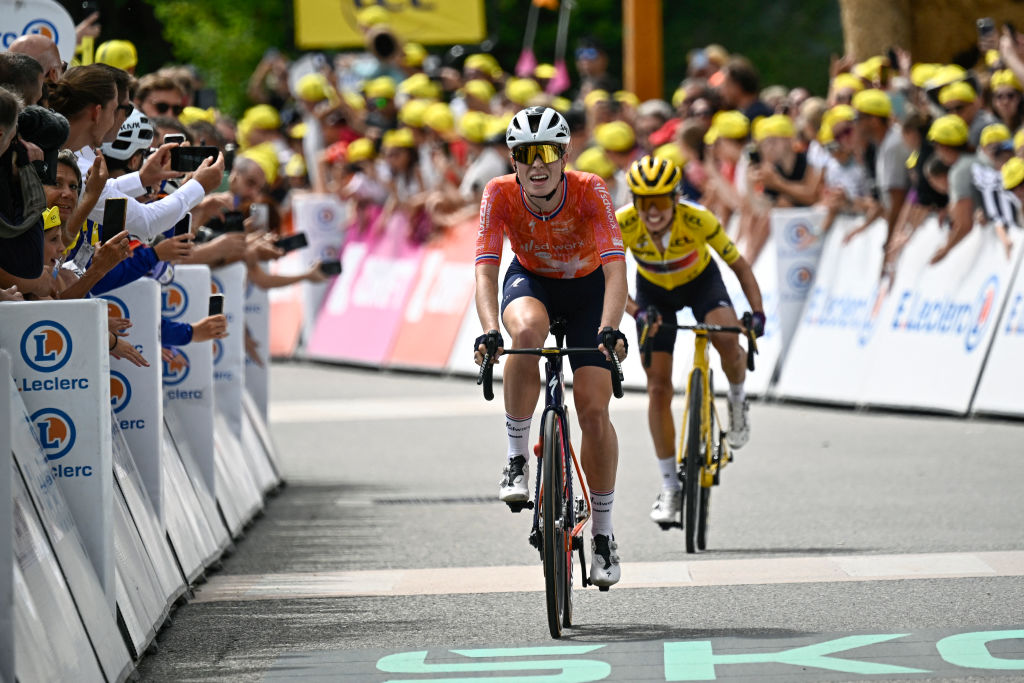
How far out do I need to start watching? The stage is only 100km, so it should likely wrap up in around three hours. If you can’t spare that time, firing up the live stream at 50km to go should cover most of the action.
About the race: The ASO, the organisation behind the Tour de France, was painfully slow in adopting women’s racing as one of its big investment points. That has now changed dramatically, and one of the key tools the organisers use is putting the two separate competition columns in conversation with one another.
For a while, ASO seemed to use the women’s racing as a trial for the men’s racing. A notable example of this was the gravel sectors used in the Tour de France Femmes before they were introduced to the men’s race the following year to great fanfare. This year, that is going the other direction. Most will see that reflected in the inclusion of Mont Ventoux, but real close watchers of cycling will see stage nine as the real nugget borrowed from the men’s calendar.
The finale of the Tour de France Femmes will be similar to the fearsome final stage of Paris-Nice, with a tough 99-km stage around the Côte d’Azur, including the Col d’Eze. The race will feature three conventional ascents of the seven-kilometre climb, followed by one steeper alternative, bringing the total to 15 kilometres before the overall finish. While Ventoux will be a massive obstacle that could make race-defining gaps, there is still massive potential for this stage to upset the apple cart at the last moment.
GP Montreal – September 13, 2026
(Image credit: Getty Images)
Where to watch: HBO Max
How far out do I need to start watching? The best bet here is the last three laps, which begin with about 40km to go. Before that point, it will be mostly about attrition. The last three laps is where the action will come from.
About the race: The Canadian one-day races are extremely underrated. With the race taking place during the Vuelta a España and in the true post-Tour de France dog days, it just doesn’t have the most excitement around it. This year, that won’t be the case.
Both GP Quebec and GP Montréal (officially called Grand Prix Cycliste de Montréal) deliver incredible racing year after year, with the two circuit races serving as dress rehearsals for the UCI World Championships that follow later in the month. And this year, the GP Montreal will be even more of a dress rehearsal since the championships will take place in Montreal on many of the same roads that make up the 12-kilometre lap.
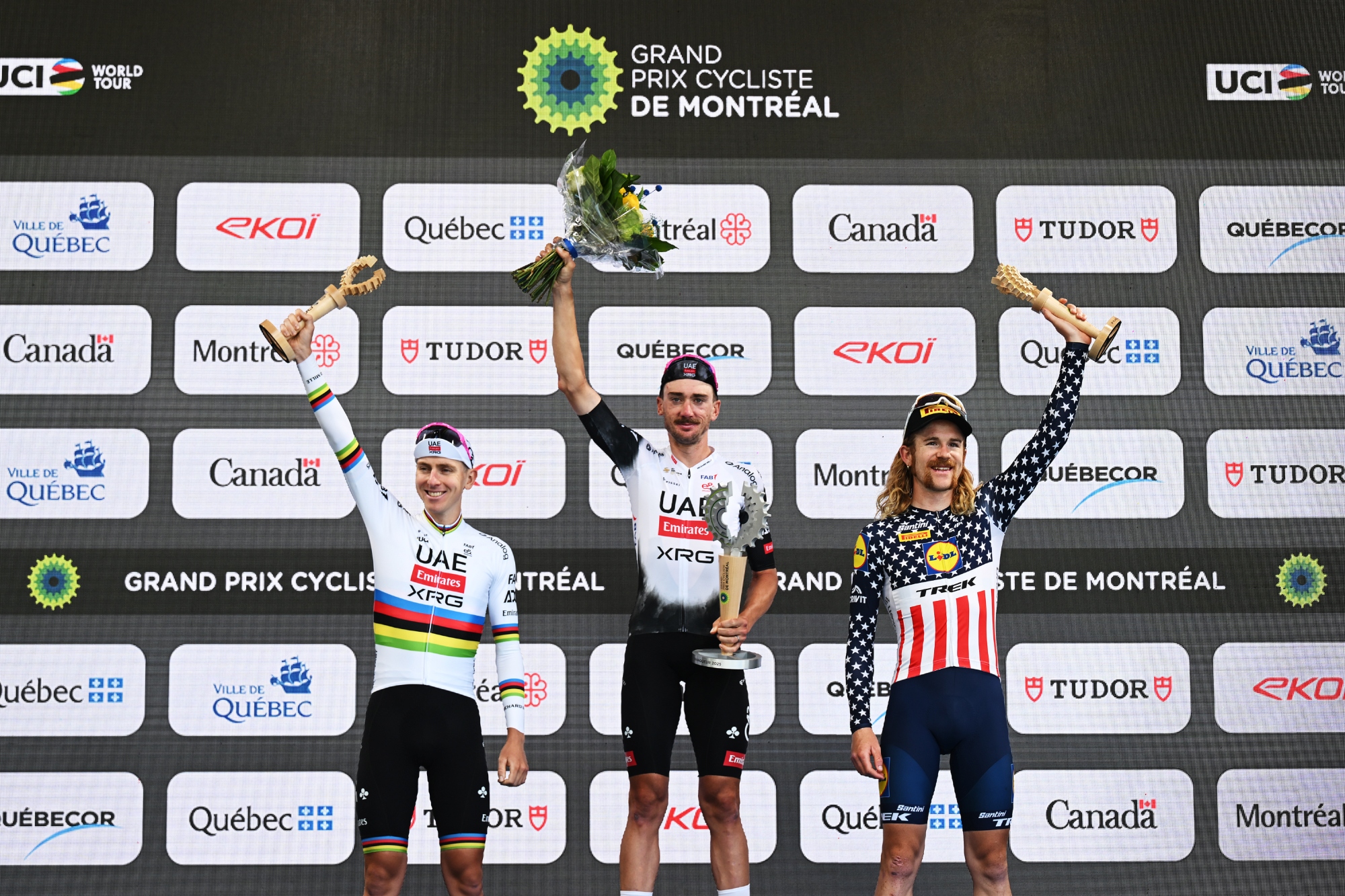
For the vast majority of the men’s peloton, the GP Montreal will be a key juncture to test their form on the very difficult circuit that revolves around the Parc du Mont-Royal and the Côte de Camillien-Houde (2.3 km, 6.2%). Last year, it was a UAE domination with Brandon McNulty winning after Tadej Pogačar deferred to his American teammate after they worked over the field. This year, Pogačar will likely be racing the Vuelta a España, so it might be a great opportunity for McNulty to try to refine his craft before trying his hand at racing his trade teammate later in September.
Once again, this race will be easy to watch on HBO Max. The same cannot be said for the UCI World Championships, which will be hosted on Flo Bikes.