
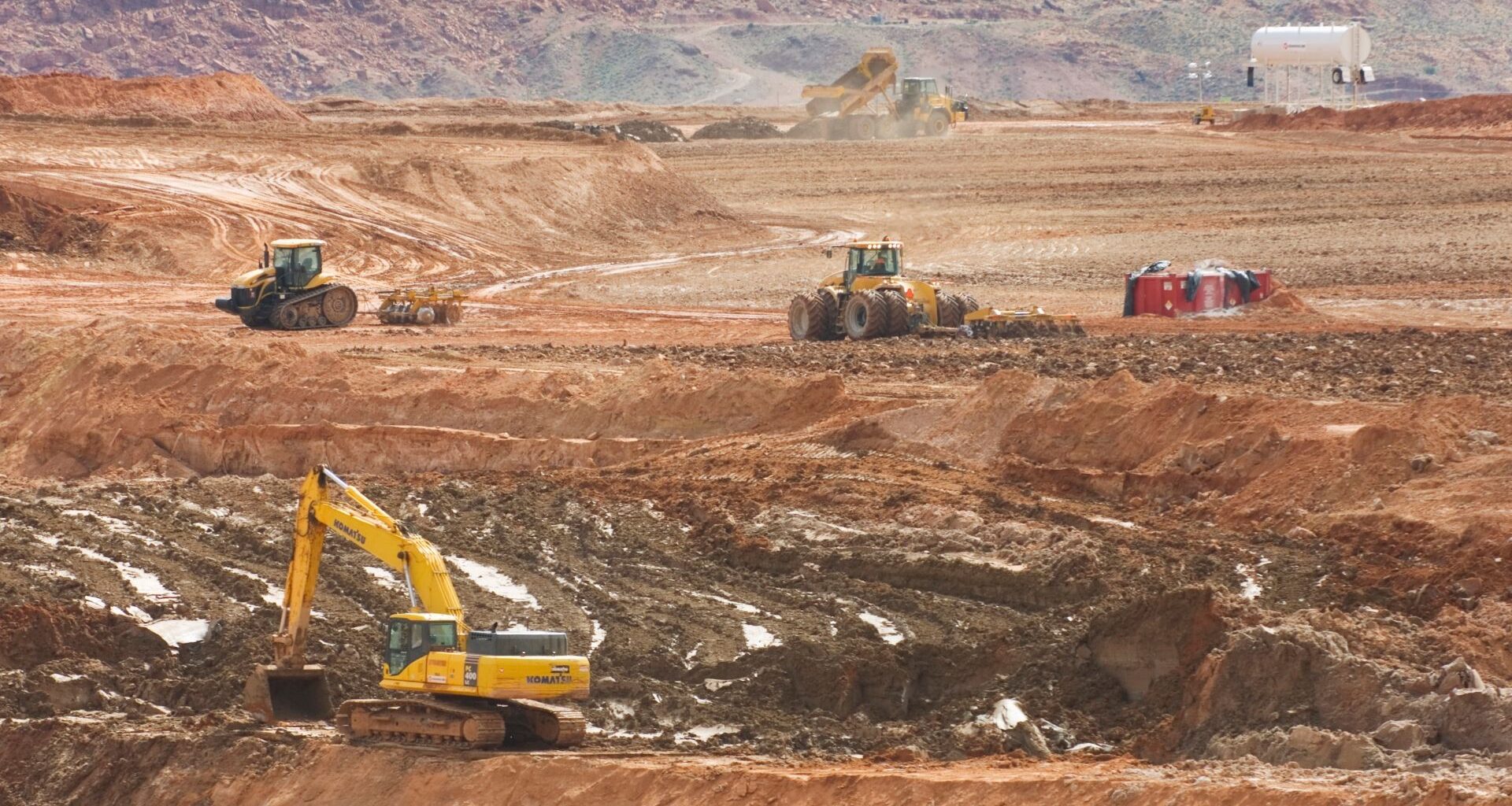
NexGen Energy, a Canadian uranium and nuclear fuel firm, said that it’s in talks with data center providers for a potential deal to help finance its Rook 1 uranium project in Saskatchewan, Canada. According to Reuters, this move will help ensure that data center providers will be able to secure a uranium source for the numerous nuclear power plants that are projected to be needed to deliver the power that future AI infrastructure will require.
Go deeper with TH Premium: AI and data centers
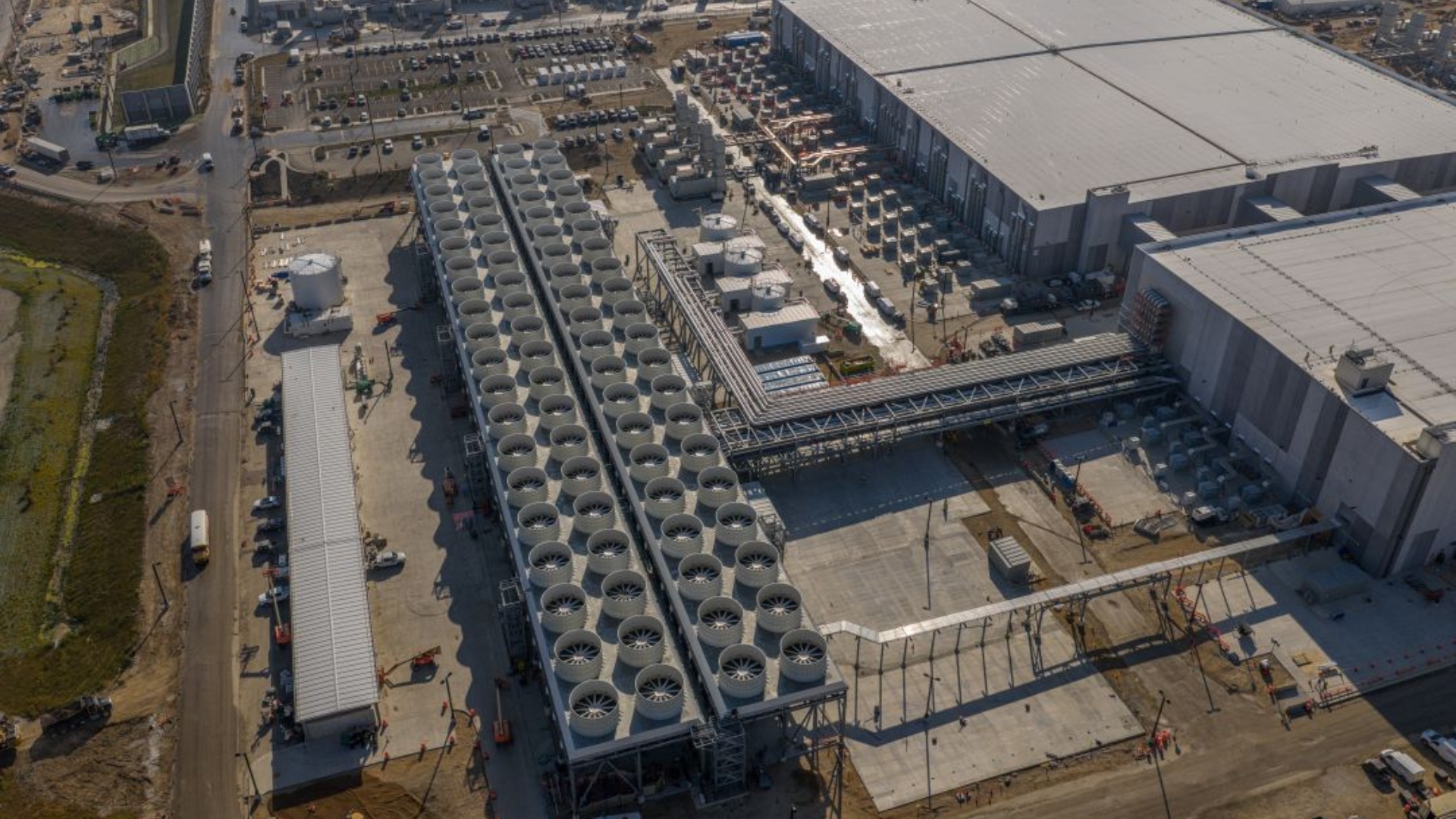
(Image credit: Microsoft)
Leigh Curyer, the company’s CEO, said that this is similar to what several automakers did a few years back, when they secured long-term contracts to ensure that they would have enough lithium supply to support the projected demand for EVs. “It’s coming. You’ve seen it with automakers,” the CEO said. “These tech companies, they’re under an obligation to ensure the hundreds of billions that they are investing in the data centers are going to be powered.
The Saskatchewan mine looks to be a promising find, with the location possibly supplying up to 20% of global demand by 2030. It has already secured a key permit this month, and it’s expected to get final approval from the authorities by the middle of this year.
You may like
These financing discussions are focused on earmarking supplies for clients without giving them any control over the company. Furthermore, Curyer said that the cost of the uranium will not be locked in today but is instead leveraged to market pricing.
It seems that NexGen is banking on the success of the numerous research and development projects for small modular reactors (SMRs). Many tech giants have been investing in them in a bid to secure the power they need as they build more and more power-hungry data centers.
OpenAI has called on the U.S. government to build 100 gigawatts of additional power-generating capacity annually, which is equal to about 100 nuclear reactors every year. This is crucial for AI development, especially as the United States is locked in a race with China for AI supremacy.
So, if and when SMR technology comes to fruition, NexGen expects that there will be a massive demand for uranium — so much so that it could lead to a shortage, similar to what we’re experiencing with memory and storage chips at the moment. By giving AI hyperscalers the chance to secure a uranium source right now, it would reduce the chance that they’ll be caught unaware and unable to secure the fuel needed to produce the gigawatts of power their future data centers need.

Follow Tom’s Hardware on Google News, or add us as a preferred source, to get our latest news, analysis, & reviews in your feeds.