
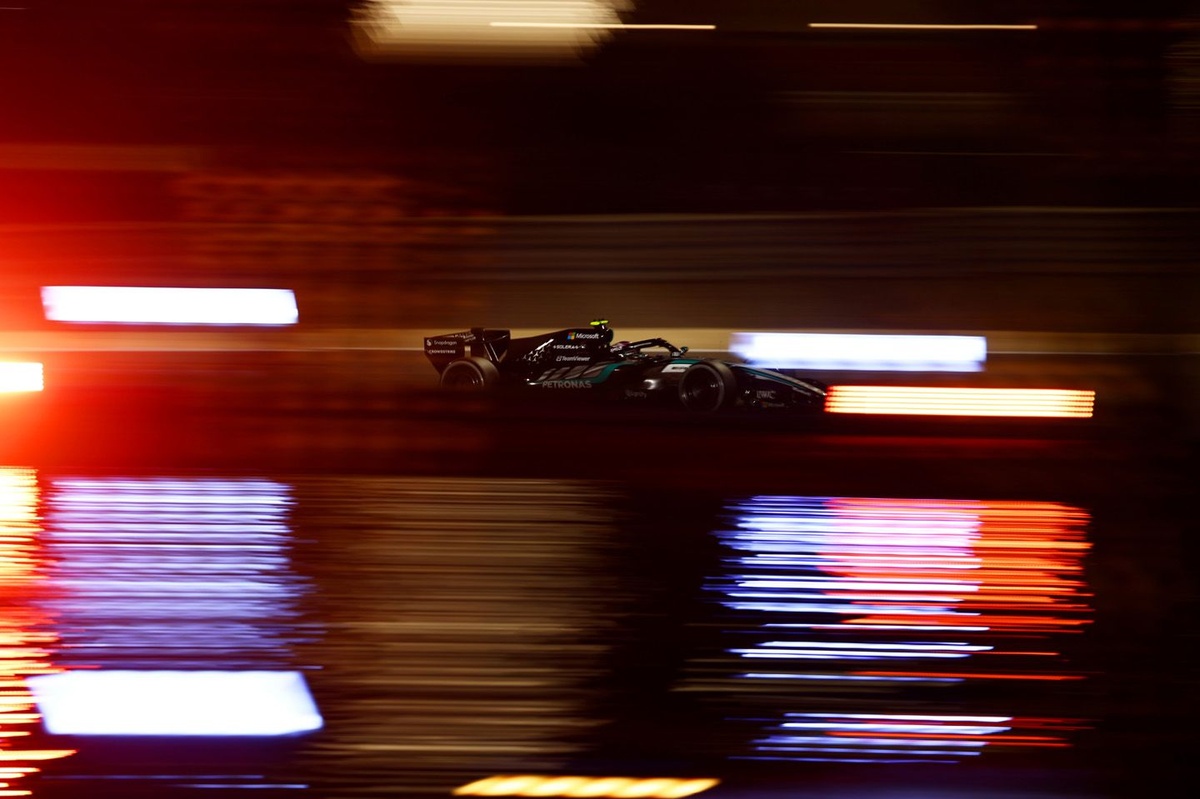
In Formula 1’s pre-cost cap era, a misinterpreted regulation meant writing a cheque. If the floor flexed too much, you built a new one. If the engine was down on power, you threw money and dyno time at it until it wasn’t. The solution was expensive, but it was simple.
That world is gone.
The cost cap does not simply limit what teams spend; it alters the economics of being wrong. Corrective action now carries opportunity cost as well as financial cost. Everything spent correcting a regulatory miscalculation is something not spent developing the car and that distinction matters when the regulations themselves still contain unresolved questions.
The compression ratio dispute remains unsettled. Ferrari, Honda and Audi suspect Mercedes and potentially Red Bull Powertrains may be interpreting the 16:1 thermal expansion limit differently at operating temperature – a question of architecture risk that homologation will soon freeze. Meanwhile, a vote on adding extra tests will also take place which could force changes if pushed through by a supermajority.
Active aerodynamics has already been fixed. Introduced to replace DRS, it required a regulatory adjustment after wet-weather safety concerns emerged and the cure was software, which cost little.
The FIA’s Automatic Development Unit Offset (ADUO) is the unknown. It has never operated within a fully matured cost cap. When it triggers, the team already losing performance must raid its budget to recover in order to close the gap.
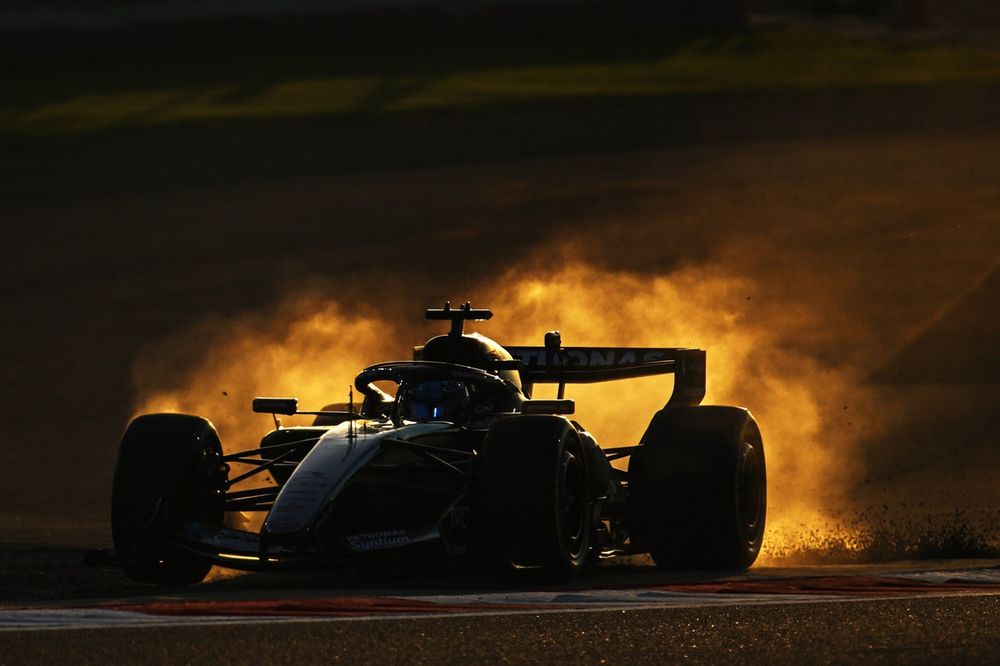
The compression ratio saga is set to have a major impact on teams’ cost caps
Photo by: Sam Bagnall / Sutton Images via Getty Images
What makes this season distinct is not merely technical novelty but timing. Multiple new manufacturers enter under a homologation framework that locks in architecture early. In previous cycles, competitive correction could occur through scale of spend. In 2026, architecture risk, regulatory interpretation and financial constraint converge at the same moment and the margin for recalibration is materially narrower.
The compression ratio issue illustrates the sharpest version of that risk. Red Bull’s decision to align with complaints over Mercedes’ interpretation is not purely sporting, as it can be used as a capital allocation decision. With development budget deployed attempting to match a perceived advantage, and may have yielded no or minimal return, the calculation shifted from replication to elimination. Under the cap, technical hole poking becomes a balance-sheet strategy.
That sequence would not have existed in the pre-cap era. Under financial constraint, every development programme is a trade-off. Meanwhile McLaren, Williams and Alpine – as Mercedes customers – carry either an advantage or a liability they did not engineer and cannot influence, yet which still counts against their capped spend.
The early 2022 ground-effect instability woes offered the closest precedent for mid-cycle technical disruption. Toto Wolff admitted that without the cap, Mercedes would have injected greater capital to accelerate recovery
Active aero presents a different financial profile: high reversibility and low correction cost. The FIA demonstrated this by introducing a partial aero mode to address wet-weather concerns at limited expense to teams. Software and sporting regulation changes are comparatively inexpensive, but engine architecture is not. Any mechanical correction after 1 March on the homologation deadline requires formal process and lead times measured in months.
FIA single-seater director Nikolas Tombazis has acknowledged the preference for resolving disputes before Melbourne because after the homologation date the governing body’s tools become more procedural than technical – slower to deploy and more disruptive to those already disadvantaged.
That leaves ADUO as the primary corrective instrument. Any additional expenditure unlocked through it comes directly from a team’s existing budget. A manufacturer triggering the mechanism is already losing performance – and therefore constructors’ championship prize money – that funds future development, as each championship position is widely estimated to be worth around $10million. The corrective tool competes directly with chassis development that might otherwise offset a power unit deficit. It does not simply close a gap. It prices it.
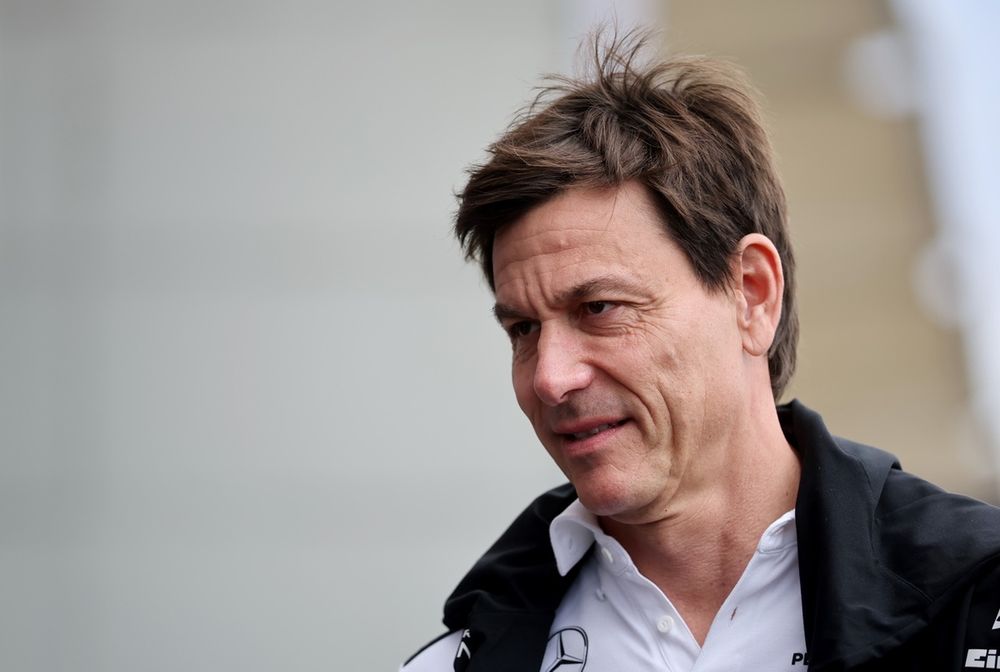
Wolff’s vehement defence of his team shows what is at stake over the compression ratio saga
Photo by: Hector Vivas / Getty Images
The early 2022 ground-effect instability woes offered the closest precedent for mid-cycle technical disruption. Toto Wolff admitted that without the cap, Mercedes would have injected greater capital to accelerate recovery. Under the $140m limit, that option was gone. The recovery consumed an entire season and the constructors’ title fight.
Read Also:
For 2026, the cap stands at $215m and the technical complexity is materially greater. The power units introduce new electrical architecture, revised sustainable fuels and tighter integration with chassis packaging. Homologation freezes much of that architecture early and ADUO only activates after several races which will leave a significant deficit, by which point both competitive and financial gaps may already have widened.
In 2026, the financial consequences of being wrong are no longer proportional to the scale of the mistake. A team on the favourable side of interpretation gains a performance advantage and a financial one: lower corrective spend, stronger results and greater prize money. A team on the wrong side faces the inverse: corrective expenditure that competes with performance, declining points, reduced revenue and a recovery mechanism that charges for the privilege.
The cost cap was designed to narrow competitive inequality. In 2026, it may instead determine which teams can absorb the cost of regulatory ambiguity. In F1’s new economy, a regulatory mistake carries compound interest – and only the financially solvent can afford to pay it back.
Read Also:
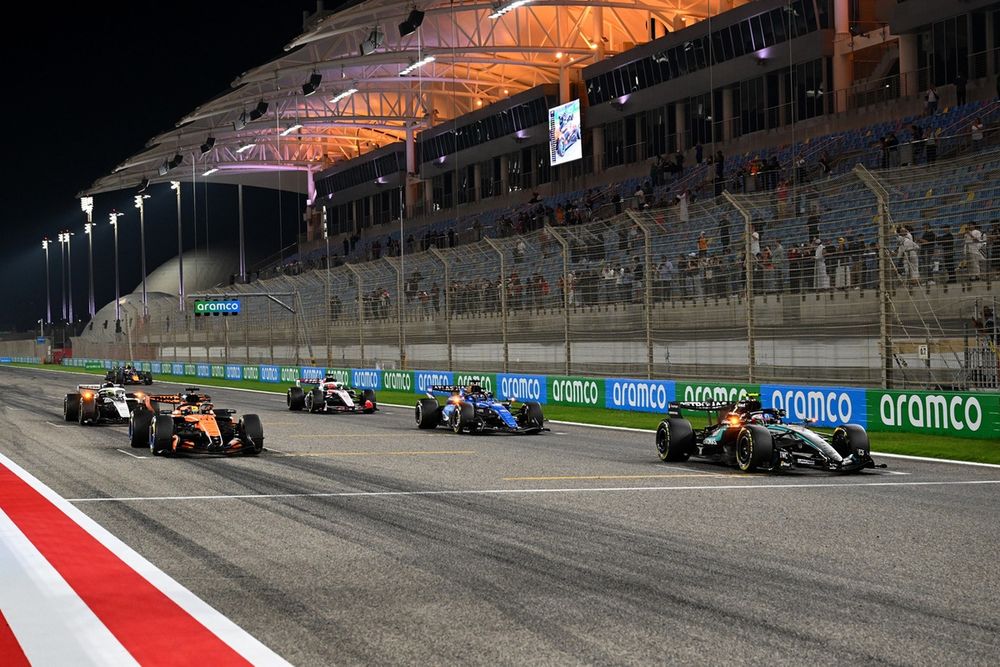
The F1 cost cap could leave teams caught on the back foot and unable to spend their way out of problems
Photo by: Mark Sutton / Formula 1 via Getty Images
We want to hear from you!
Let us know what you would like to see from us in the future.
– The Autosport.com Team