
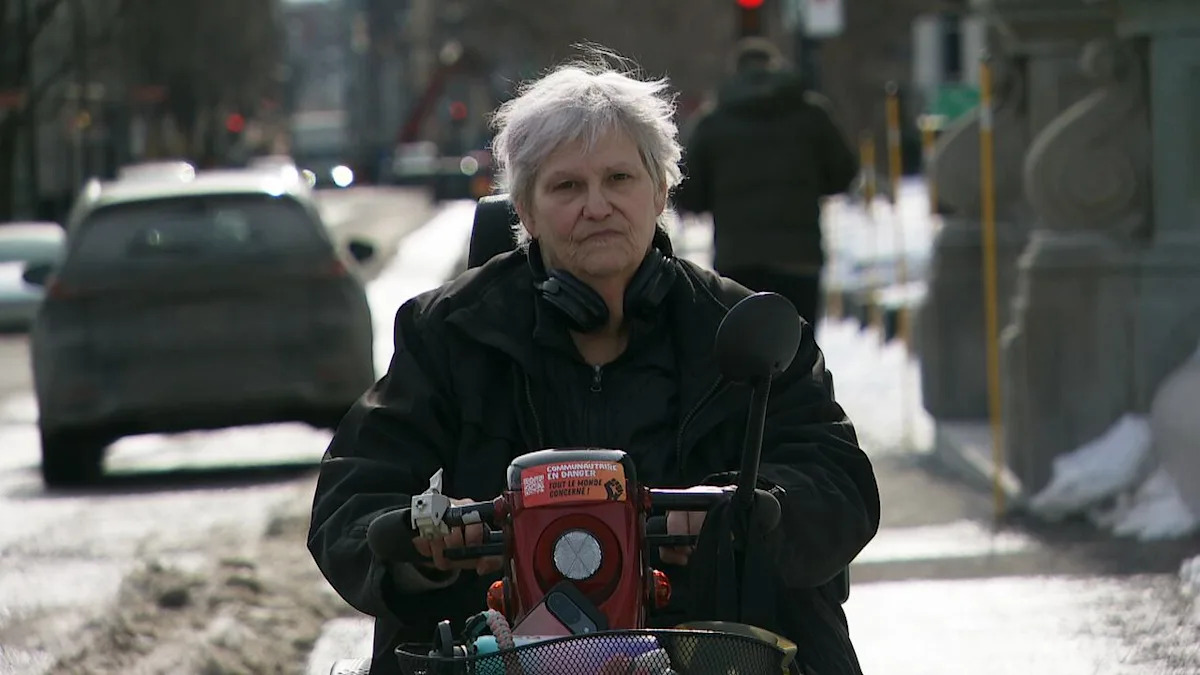
Christiane Forget uses her motorized scooter to get around Montreal, and winters aren’t easy.
Now, as the city looks to cut a program aimed at improving accessibility, she worries navigating the city will get even harder.
“It feels like you’re invisible to some people, and it’s really disheartening,” said Forget, who is an administrator at Ex aequo, a Montreal-based organization dedicated to promoting and defending the rights of people with physical disabilities.
Montreal’s universal mobility program dedicates money annually to make public places more accessible for those with reduced mobility. That includes places like libraries, pools and parks. For each of the past two years, Valérie Plante’s administration dedicated $3 million to the program.
But under new Mayor Soraya Martinez Ferrada, the 2026 budget is $354,000 — a 90 per cent cut — and zero is planned for 2027.
Forget said accessibility is a need, and it’s not just for those with mobility limitations. She said parents with strollers take advantage of accessible locations as well. If a curb cut is too high, for example, it can be a problem for everybody, she said.
She said it would be sad if municipal buildings are renovated, but not adjusted for accessibility.
“It’s important that we can circulate,” she said. “Safety is important.”
City council opts for budget cuts
When Forget asked a question about the decision during a recent city council meeting, the executive committee member responsible said the universal mobility program is being included in other city programs. But ultimately, the city is tightening its belt.
“As you know, we had to make some difficult choices to ensure we respect the financial capacity of Montrealers,” said Christine Black, who, along with her role on the executive committee, is mayor of the borough of Montréal-Nord.
Steven Laperrière heads the advocacy group Regroupement des activistes pour l’inclusion au Québec (RAPLIQ). He called the cuts dramatic.
“I’ve never seen slashes like that,” he said.
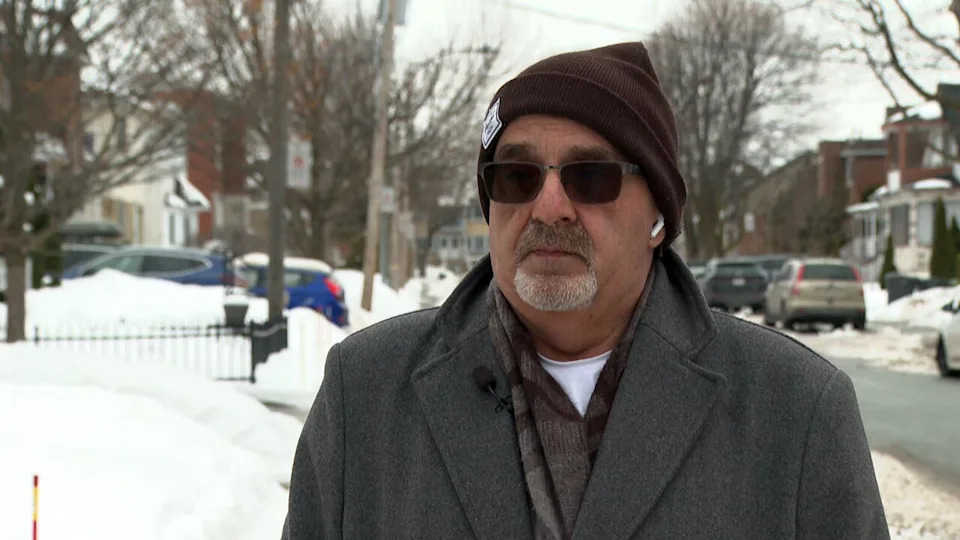
Steven Laperrière, director of Regroupement des activistes pour l’inclusion au Québec, said the city’s budgetary cuts to mobility programming are dramatic. (CBC)
He said a person with disabilities pays taxes just like everybody else and should be getting the same level of service. Laperrière said he hopes the money will be reinvested in 2028.
And if it is, he said he’d also like more transparency around how the money is being spent.
A spokesperson for the City of Montreal declined an interview, but said that officials would like to hear more from concerned groups.
Budgetary constraints affect public transit
Martinez Ferrada’s budget, unveiled in January, includes increases to counter homelessness, build more housing and improve citizen services at the borough level.
The budget includes cost-cutting measures that saved $79 million, the city said. But the overall budget rose by 5.4 per cent over last year, as the new administration sought to pay down the debt.
Montreal’s public transit network is also scaling back investments in accessibility.
As noted in April, the elevators inaugurated at the Atwater Metro station will be the last universal accessibility project taken on by Montreal’s public transit authority in the near future due to a lack of funding, the Société de transport de Montréal (STM) said at the time.
In 2024, a study by Quebec research institute, the Institut national de la recherche scientifique, suggested most bus stops, Metro and train stations in the Montreal region are hard to access for people with low income and for those with reduced mobility.