

Listen to this article
Estimated 4 minutes
The audio version of this article is generated by AI-based technology. Mispronunciations can occur. We are working with our partners to continually review and improve the results.
A Calgary-based outreach team that’s trained to respond to overdoses in the city’s inner-city Beltline neighbourhood, will see its hours slashed by Recovery Alberta so it will no longer operate overnight.
Recovery Alberta confirmed it will cut the Safeworks Connect team’s hours from its current 24/7 schedule to instead run from 7 a.m. to 11:15 p.m. daily, as of April 6.
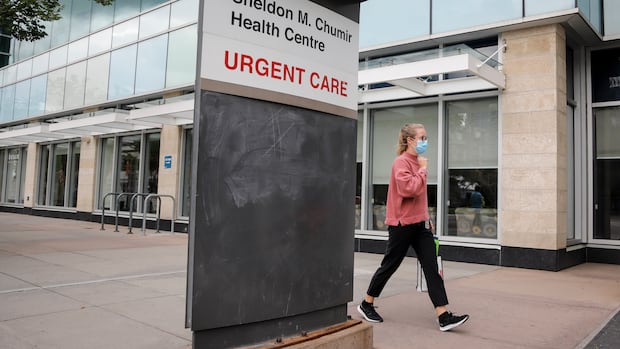
The team is active within a 500-metre radius of the Sheldon M. Chumir Health Centre, where the city’s lone supervised consumption site is also located.
Safeworks Connect is made up of outreach and peer support workers, who are trained to initiate overdose responses while waiting for emergency medical services. They also hand out harm reduction supplies, dispose of needle debris, respond to questions and concerns from nearby residents and businesses, and help people access medical services at the Chumir.
Recovery Alberta, which is one of four public health agencies the province set up to replace Alberta Health Services, said the team’s new hours reflect when they’re most often interacting with the health centre’s neighbours, and speaking with businesses and the community.
“Daytime and evening hours have been identified as the most effective times for outreach and partnership work,” said Recovery Alberta spokesperson Jessica Conlin via email.
“Recovery Alberta remains committed to maintaining a safe neighbourhood, ensuring respectful and timely communication with stakeholders, and responding to concerns within the scope of our services.”
More strain on Calgary’s emergency services
While other organizations do similar outreach work in Calgary, like Street Cats YYC and Alpha House, Safeworks Connect is one of the only groups regularly working 24/7 in the Beltline, said University of Calgary nursing associate professor Jennifer Jackson.
With the team’s new schedule, she worries there will be fewer people around at night to initiate an overdose response quickly or use a naloxone kit. She’s concerned response times will worsen, leading to increased emergency wait times and more pressure on an already over-burdened health-care system.
“We’re going to put more demand on the shoulders of people who are already working at a limit, and we’re going to decrease the quality of services that our folks downtown are going to be able to access,” said Jackson.
“Already, people are feeling really stretched and that there’s not enough resources to meet demand.”
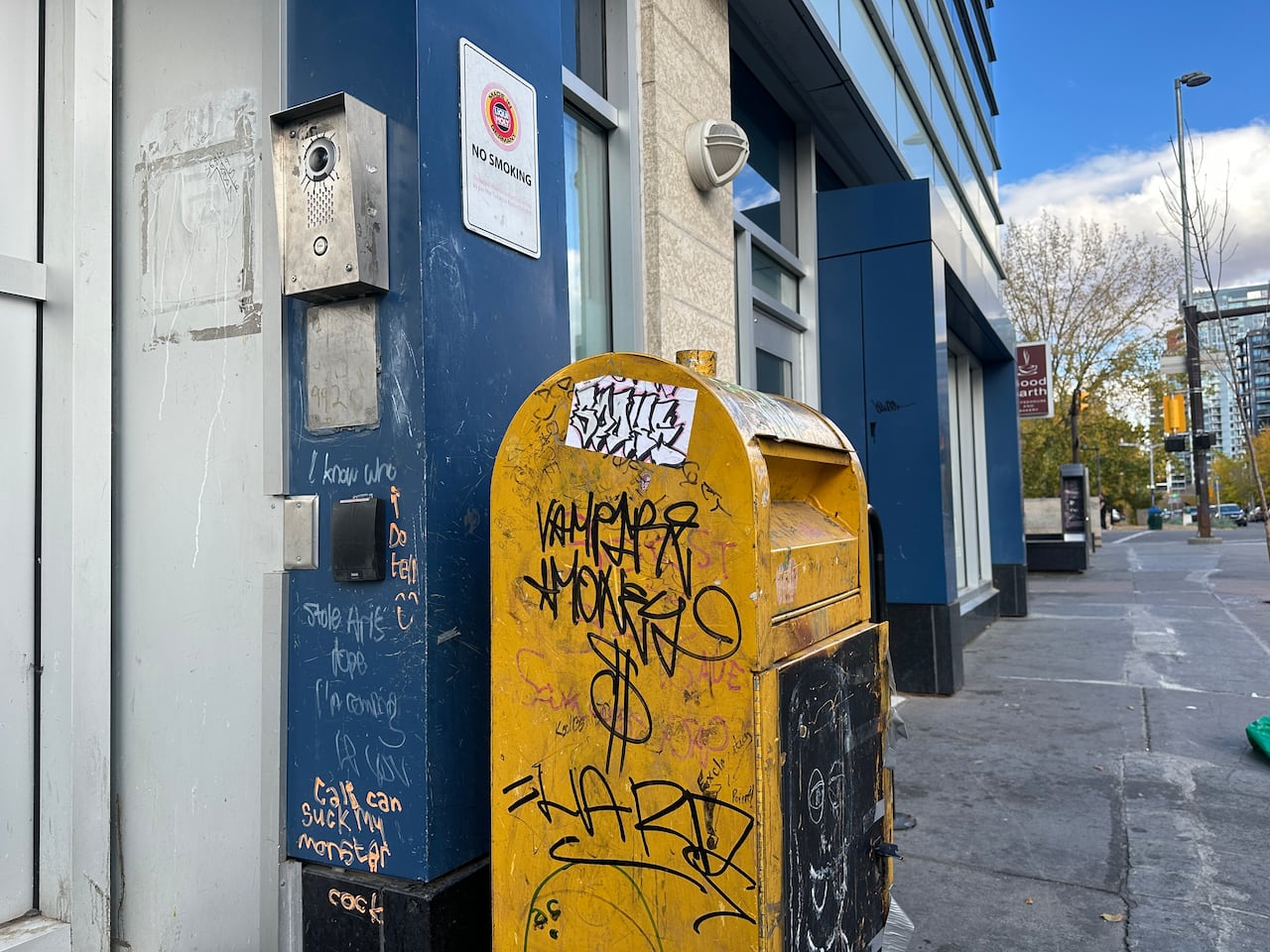 Safeworks Connect works to retrieve needle debris near the Sheldon M. Chumir Health Centre, several times per day. (Natalie Valleau/CBC)
In an emailed statement to CBC News, Street Cats called the reduction in hours to Safeworks Connect “devastating” for community members and “astoundingly out of touch.” They argued instead that more funding and staff are needed.
The team’s reduction in hours comes after the province’s Ministry of Mental Health and Addiction said in December it intends to close the Chumir’s supervised consumption site — the only one of its kind in Calgary — this year.
The cut to the team’s hours is especially concerning, Jackson said, because of a very toxic drug supply in Calgary. She said it’s becoming more common for people to inhale drugs rather than inject them, but there’s no capacity at Calgary’s supervised site for inhalation, leading to more public drug use.
Jackson said harm reduction services in Alberta are experiencing a death by a thousand cuts, but argued reducing access to a health service won’t reduce its demand.
“Rather than provide services for the kind of health care and the kind of problems you wish people had, we need to provide services for the kinds of problems we’re actually dealing with,” said Jackson.