
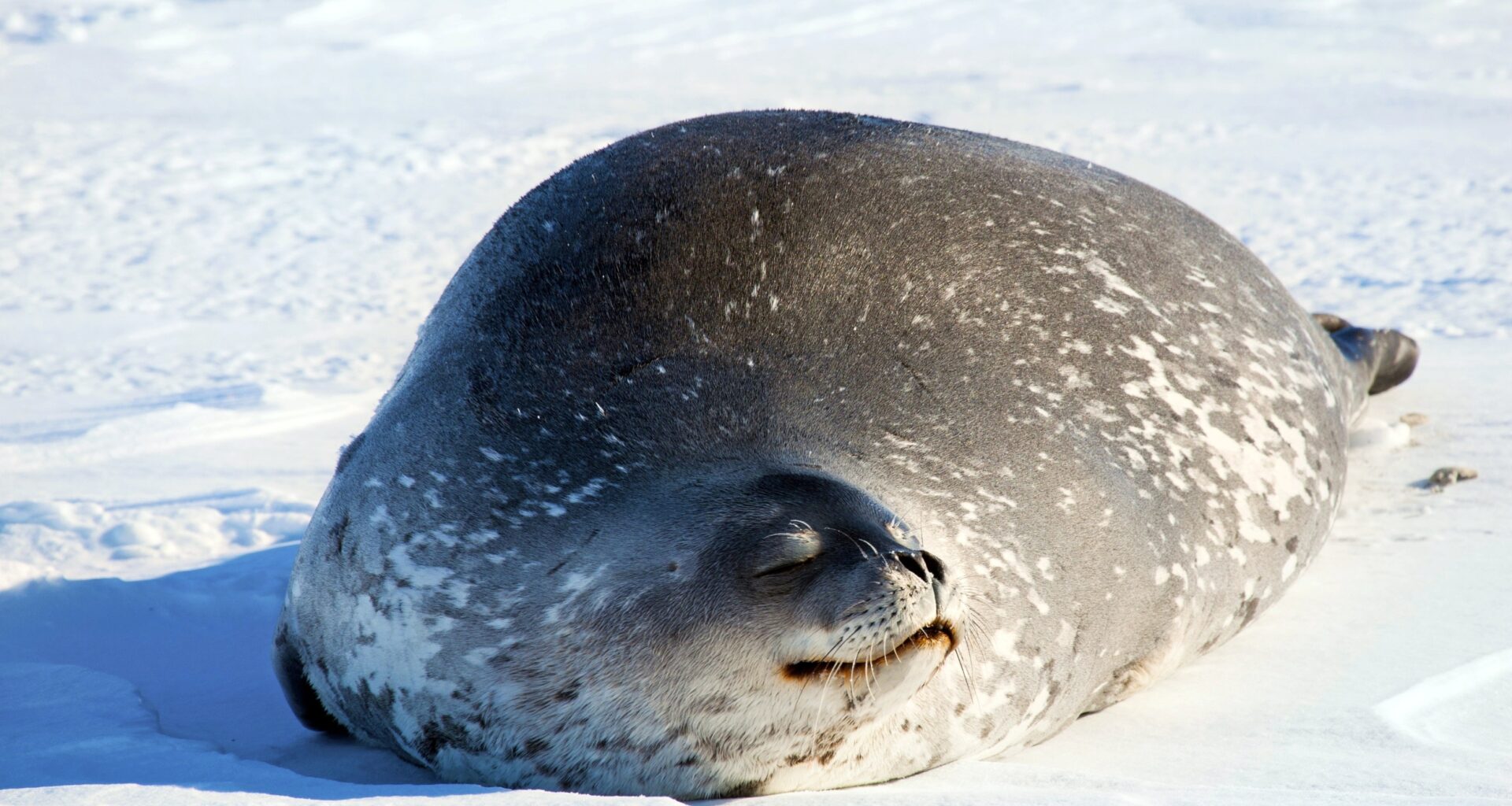
A single unusually warm year can significantly affect the health of Arctic animals. A new study shows that Arctic ringed seals are facing a double threat: climate-driven nutritional stress and a buildup of harmful contaminants in their bodies.
The research, led by Simon Fraser University, revealed that warmer conditions can disrupt their diet while making it harder for the seals to clear toxic chemicals.

At the same time, rising temperatures and melting sea ice are making it harder for these seals to find healthy food.
This double pressure could threaten not only the seals, but also the wider Arctic ecosystem and the people who depend on it.
Why ringed seals matter
Arctic ringed seals play an important role in the northern food web. These animals eat small sea creatures and fish.
Larger predators, such as polar bears, hunt ringed seals for food. Inuit communities also rely on ringed seals for food security and cultural traditions.
“Ringed seals are a crucial link between invertebrates, fish and apex predators, and they are a cornerstone of northern food systems,” said study senior author Tanya Brown.
“We’ve found that warmer conditions can change what they feed on, which changes their contaminant exposure, and that can affect their overall health and survival.”
When ringed seals face health problems, the effects can move through the entire Arctic food chain.
A closer look at seal health
The team examined 38 Arctic ringed seals from Saglek Bay and nearby fjords in Northern Labrador. The researchers collected blood, blubber, and liver samples between 2009 and 2011.
Saglek Bay is known as a hotspot for polychlorinated biphenyls, or PCBs. These toxic chemicals came from a Cold War era military radar station in the area.
Scientists also tested for mercury, DDTs, and chlordane. DDTs are synthetic insecticides. Chlordane was once used as a termite pesticide.
Many of these chemicals are now banned around the world, but they remain in the environment for decades.
Liver samples showed high levels of PCBs, mercury, DDTs, and chlordane in all three years. These chemicals can cause oxidative stress.
Oxidative stress damages cells and links to inflammation, weaker immunity, long term disease, and reproductive problems.
Signs of malnutrition in a warm year
The year 2010 stood out. During that year, sea surface temperatures were 5.5 degrees Celsius above normal. Arctic sea ice levels were also low.
Blood and blubber samples from 2010 showed clear signs of malnutrition. Seals had lower levels of omega 3 and omega 6 fatty acids, which are important for health. Saturated fat levels increased. Blubber layers became thinner.
Blubber is not just body fat. It stores energy and helps seals stay warm in icy water. A thinner blubber layer means less protection from the cold and less stored energy.
“We saw that just one year of unusually warm temperatures and reduced ice is enough to change what these seals are eating and how their bodies process nutrients,” said Anaïs Remili, postdoctoral fellow and lead author of the study.
Warmer water likely changed the types of fish and other prey available. This shift in diet reduced access to nutrient-rich food.
How contaminants build up
Many of the harmful chemicals found in the seals are persistent contaminants – substances that break down very slowly. Air and ocean currents can carry them over long distances, even to remote Arctic regions.
These chemicals are also lipophilic, which means fat-loving. Marine mammals store them in blubber.
When seals have thick and healthy blubber, much of the contamination stays locked away in fat tissue. Trouble begins when seals lose weight.
“Thinner, nutritionally stressed seals redistribute the contaminants they had stored in their blubber back into the bloodstream, which then circulates through their entire system,” said Remili.
“Even though our 2011 samples showed the seals generally rebounded from the malnutrition, we know that any future nutritional stress may compound the impacts of longer-term damage from oxidative stress.”
In simple terms, when seals burn fat during hard times, stored toxins move back into the blood. This process spreads harmful chemicals to vital organs.
Climate change could make things worse
Climate change is already reshaping the Arctic. Sea ice is disappearing faster than before. Ocean temperatures are rising and marine food webs are shifting.
As ice melts and waters warm, seals may need to travel farther or dive deeper for food. Changes in ocean currents could also bring more global pollutants into Arctic waters.
Communities along the Labrador coast have raised concerns for years about how warming and contamination affect both wildlife and human health. Ringed seals are central to Inuit food systems and culture.
“Healthy seal populations are essential for food security and cultural continuity,” Brown noted.
Protecting Arctic ecosystems will require decisive action on climate change and stricter control of persistent global pollutants. Ringed seals serve as sentinels of the North, reflecting the condition of the waters, ice and food webs they depend on.
When their health declines, it signals stress across the entire Arctic system – with consequences that ripple through wildlife, communities and the broader climate.
The study is published in the journal Environmental Research.
—–
Like what you read? Subscribe to our newsletter for engaging articles, exclusive content, and the latest updates.
Check us out on EarthSnap, a free app brought to you by Eric Ralls and Earth.com.
—–