
The day after you finish an ultra, you might feel like you’ve aged years overnight. According to new research from the University of Colorado Anschutz, that sensation might have a small biological basis.
In a study published in the journal Blood Red Cells & Iron, researchers found that extreme endurance races can temporarily stress red blood cells, the oxygen-carrying workhorses of the bloodstream, in ways that resemble accelerated aging. The changes don’t mean runners are suddenly “old,” but they do suggest that very long efforts leave a measurable mark at the cellular level. Don’t cancel your next long run yet, though—here’s what you need to know.
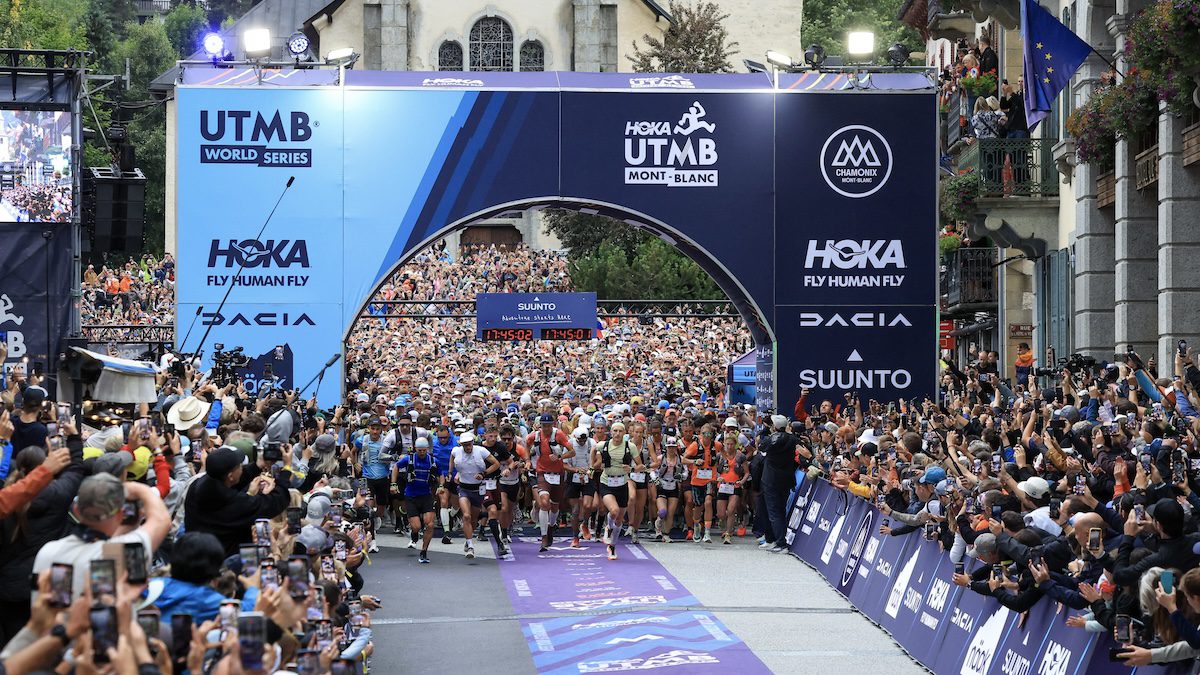
 Photo: Alexis Berg/UTMB World Series
What happens to your blood during an ultra
Researchers collected blood from 23 runners right before and right after two endurance races: a 40-kilometre mountain race and the 171-kilometre Ultra Trail du Mont Blanc. They then analyzed thousands of markers in the blood, looking closely at how red blood cells changed after long efforts.
Red blood cells are responsible for moving oxygen through the body, and they need to stay flexible enough to squeeze through tiny blood vessels. After both races, the researchers found the runners’ red blood cells were less flexible and showed signs of damage. The changes were present after 40 kilometres, but they were much stronger after the 171-kilometre race.
 Katie Schide Photo: UTMB
Mechanical and molecular strain
The researchers point to two likely causes. One is physical stress from blood moving through the body under sustained pressure during long races. The other is molecular stress linked to inflammation and oxidative stress, which can occur when the body’s antioxidants can’t fully keep up.
Together, those effects seemed to push red blood cells toward faster breakdown, a pattern that is similar to what happens as cells age. The longer the race, the more pronounced the damage appeared.
Should you care?
The study doesn’t prove that ultrarunning causes any long-term harm. The researchers note that the study was small and lacked racial diversity, and that blood samples were taken only immediately before and after the races, so it’s unclear how quickly runners’ red blood cells recovered or whether any effects lasted beyond race day. The real takeaway for most of us should be that endurance events take a real toll on our bodies, and focusing on recovery is vitally important.
The findings could have value beyond endurance sports. The team notes that the same kinds of changes seen in runners’ red blood cells also show up when donated blood breaks down during storage, which could eventually help researchers improve how blood is preserved for transfusions.