
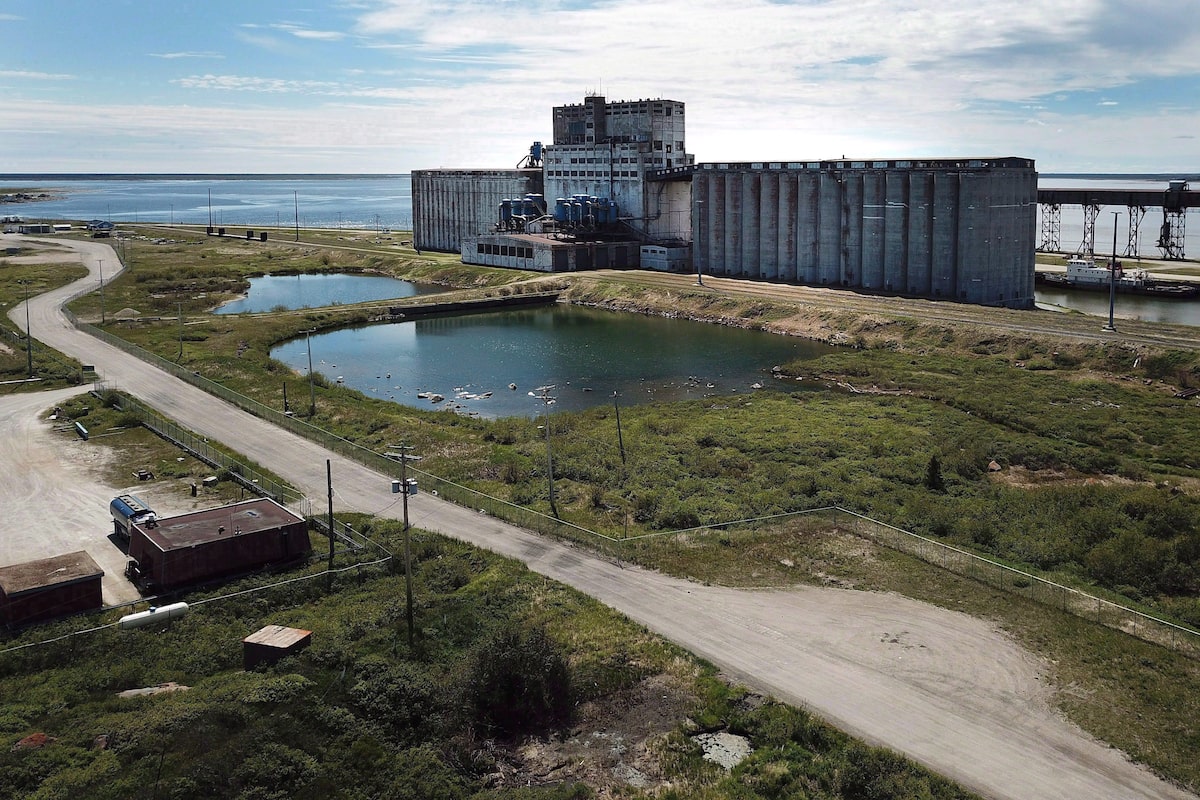
The operator of the Port of Churchill and shipping company Fednav Ltd. have launched a study into what would be needed to allow year-round navigation from the facility on northern Manitoba’s Hudson Bay coast.
Arctic Gateway Group (AGG) said on Friday that the companies will examine the operational considerations of using icebreakers to lengthen what is now a four-month shipping season because of Hudson Bay’s winter and spring ice coverage. The study is aimed at assisting AGG with long-term business planning as it considers a multibillion-dollar expansion of the port and railway that feeds it.
The examination of ice conditions, extended shipping seasons and required investments is slated to be completed this summer, AGG said in a statement. It stressed that any consideration of all-season shipping or icebreaking will require consultation with Indigenous partners, northern communities, governments and environmental stakeholders.
In depth: Trump’s Greenland threats give boost to Churchill port expansion
Churchill is touted as a candidate to be one of the projects Prime Minister Mark Carney’s government deems to be in the national interest and worthy of fast-track approvals. Its backers say the port could serve as a base of new global trade routes for commodities as Canada seeks to cut reliance on the United States amid the tariff war waged by President Donald Trump.
Manitoba Premier Wab Kinew and AGG chief executive officer Chris Avery have also stressed its potential strategic value as Canada shores up Arctic protection.
Montreal-based Fednav said it plans to use its decades of Arctic experience, among Arctic-certified captains and in-house ice specialists, to study such factors as historical ice conditions, navigation constraints and operational requirements.
This was the second study to be announced in as many days involving Churchill’s potential expansion. On Thursday, the federal government, its Major Projects Office, Manitoba government and AGG kicked off a “market-sounding” study to gather industry input into the project, known as Churchill Plus.
AGG, owned by 29 First Nations as well as local governments in Manitoba and Nunavut, is already working to modernize the port and railway and is in talks with commodity producers and would-be customers.
The study will complement that work, consulting with about 70 executives in mining, energy, potash, grain and northern resupply. The research will help shape how an expansion could influence future import and export strategies, said the federal government, which will lead the effort.