
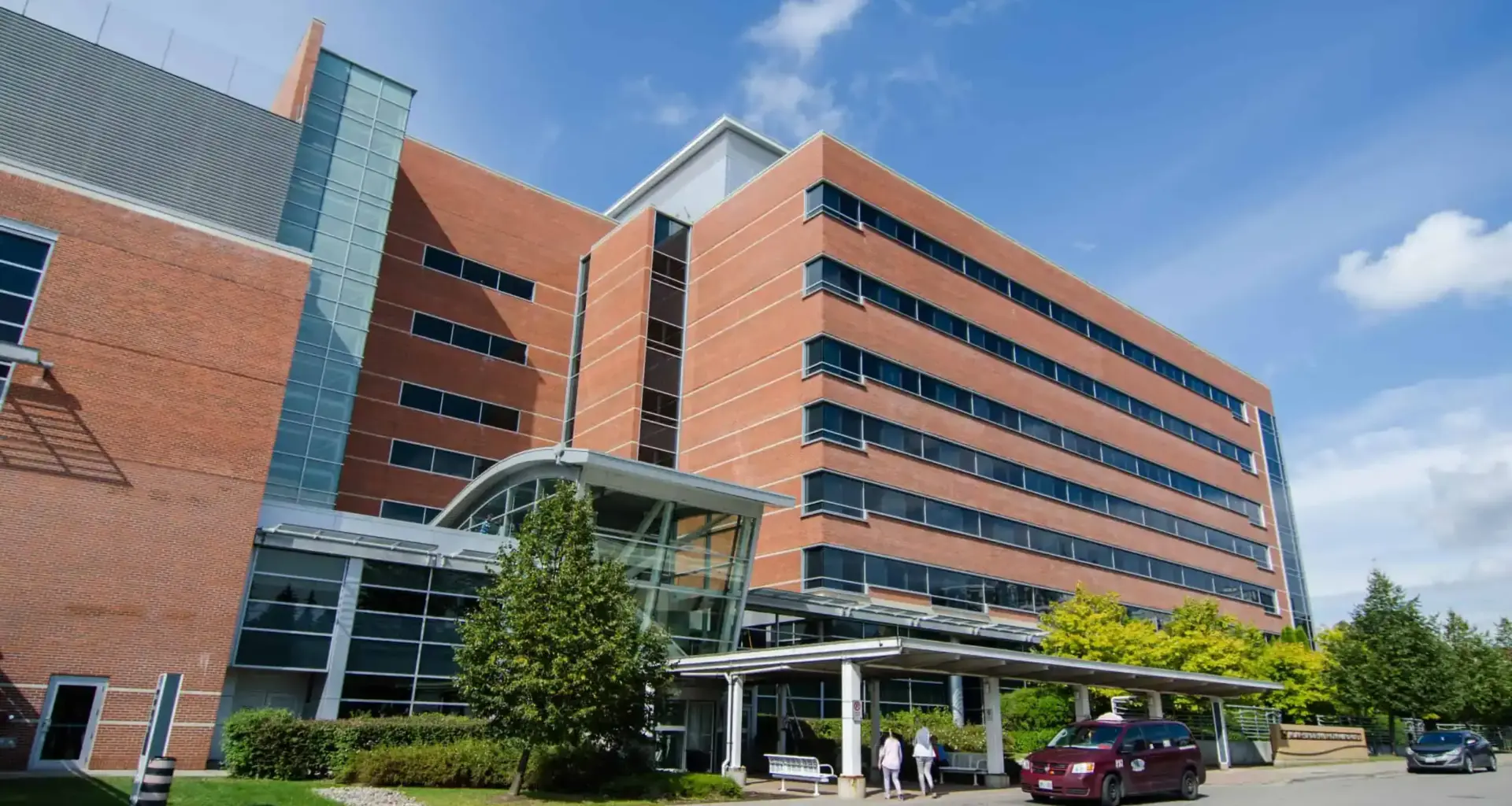
A coordinated transition-to-home program at Lakeridge Health designed for patients who no longer need acute hospital care and are ready to return home has been a hit for patients and their families and helped ease pressures across the hospital system, including shorter waits in emergency departments.
Hospital2Home is a re-imagined, collaborative approach to helping patients transition home from hospital. By bringing hospital teams, including the emergency department and in-patient units and community partners together, the program wraps services and supports around patients and their families, helping them transition home more comfortably and with greater confidence.
“For most people, home is where they want to be, and Lakeridge Health is committed to helping people remain strong in their communities,” said Lakeridge Health Healthy Aging Director Jaclyn McLeod. “The Hospital2Home program helps patients and their loved ones get back on track by providing the right care, in the right place, through an individualized care plan that reflects each person’s needs and goals. I’ve seen firsthand the positive, lasting difference this makes for patients and families who might otherwise experience caregiver burnout, a very real challenge for many people in Durham Region. This is what coordinated, compassionate care should look like.”
The program has been welcomed by Ron Dekker, whose 89-year-old mother Ann lived independently before she went into hospital,
“All she wanted was to return home, but she couldn’t do it safely without help. The support provided through the Hospital2Home program made her wish possible. The compassion and quality of care meant everything to our family and gave us true peace of mind. We’re incredibly grateful.”
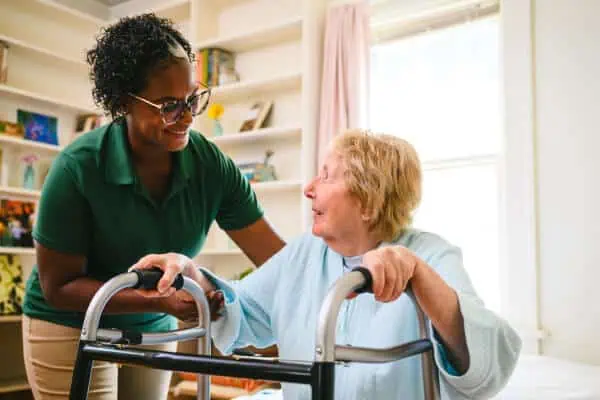


The impact on the local health-care system has been significant, noted McLeod. In less than a year, Lakeridge Health reduced the number of Alternate Level of Care (ALC) patients (individuals who no longer require hospital care but are unable to return home without some support) by more than 50 per cent. In summer 2024, ALC patients accounted for nearly 30 per cent of all in-patients across Lakeridge Health. One year later, that number dropped to less than 12 per cent.
The program has also had a ripple effect across the system. Fewer ALC patients mean improved flow through hospital units, reduced wait times in emergency departments, faster ambulance offloads, and a safer, less stressful environment for patients, families, and clinicians.
Dr. Joel Kennedy, the Medical Director at Lakeridge Health’s Department of Family and Community Medicine, said the success of Hospital2Home is rooted in collaboration, with hospitals working closely with local home care agencies and community partners to create bridging supports that help patients return home sooner.
Teams realigned roles, including dedicated social work support focused on transitions to the community, and remained nimble as needs changed, he noted.
“This work reflects a shared commitment to making sure people get good care while using our health system wisely,” he said. “By working together across hospitals, home care, and community partners, while making the most of existing resources, we’re finding even better ways to support people as they return home from hospital. It’s about providing the right care in the right place, improving the health of the people of Durham Region and ensuring that their local health-care system works well now, and into the future.”
INsauga’s Editorial Standards and Policies
Last 30 Days: 60,153 Votes
All Time: 1,231,183 Votes
3475 VOTES
Should bike lanes stay or be removed?
WIN A $100 GIFT CARD
Subscribe to INsauga’s daily email newsletter for a chance to win a $100 Amazon gift card.