
NEED TO KNOW
The state of Oregon has declared an outbreak of measles, as wastewater surveillance confirms the presence of the virus
There are five confirmed cases, and “these cases likely represent just a fraction of the true number of measles cases,” a health official said
The U.S. is seeing an ongoing spike in measles infections
The state of Oregon has declared a measles outbreak, as the five confirmed cases are likely “a fraction” of the overall infections.
“Measles is here in Oregon and spreading in the United States,” Howard Chiou, M.D., Ph.D., medical director for communicable diseases and immunizations at Oregon Health Authority’s Public Health Division, said in a Feb. 19 statement, “and vaccination remains the best way for people to protect themselves. We encourage everyone to talk with a healthcare provider to ensure they and their families are fully protected.”
 Stock image of the Oregon state sign.
Getty
The state has launched a wastewater surveillance tool, which, at press time, showed low levels of the virus in some counties. As Chiou said, “It’s really important to remember that these cases likely represent just a fraction of the true number of measles cases,” per OregonLive.
Four of the five people sickened with measles were unvaccinated, the OHA says, and the vaccination status of the fifth person is unknown.
This is the seventh measles outbreak in 2026, per the U.S. Centers for Disease Control. As of Feb. 19, there have been 982 confirmed cases of the wildly contagious virus in the U.S. This includes a massive outbreak in South Carolina, which largely sickened children and left at least 19 hospitalized.
Cases in the U.S. have spiked year over year. Last year, there were 2,281 confirmed cases of measles, with illnesses reported in 45 states. In 2024, there were 285 cases — a third of the cases the U.S. has seen just two months into this year.
Measles is extremely infectious. As Oregon health officials point out, the virus can linger in the air for up to two hours. Nine out of ten people exposed are likely to get sick if they aren’t protected from the virus.
The CDC says, “Two doses of the MMR vaccine are recommended by doctors as the best way to protect against measles, mumps and rubella.”
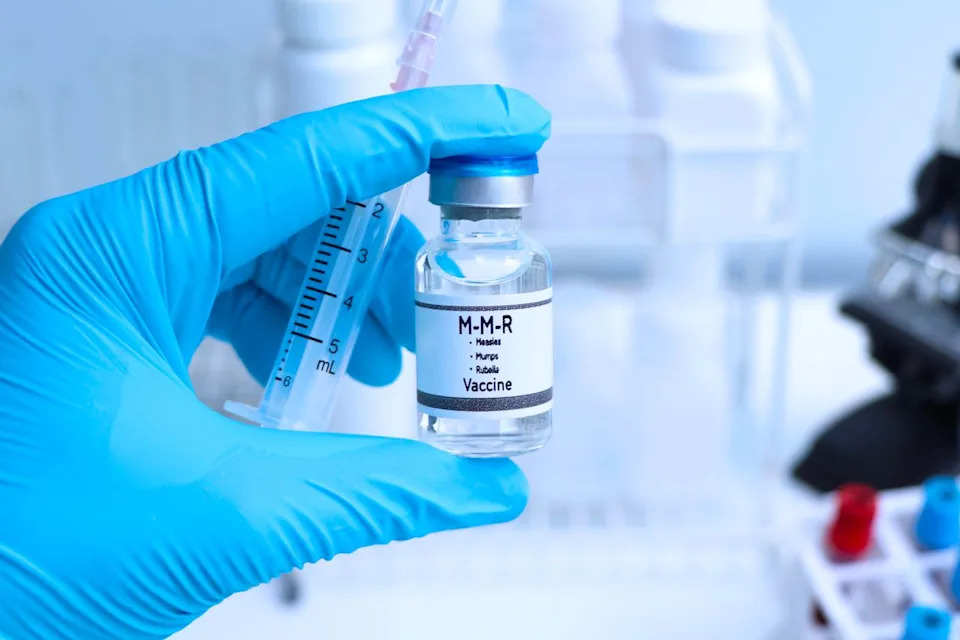 Stock image of the MMR vaccine.
Getty
Never miss a story — sign up for PEOPLE’s free daily newsletter to stay up-to-date on the best of what PEOPLE has to offer, from celebrity news to compelling human interest stories.
It’s a two-shot series: The first dose is administered between 12 and 15 months of age and the second shot comes between 4 and 6 years.
Some adults may not remember getting the shots — or if they were born before 1957, traditional guidelines considered them immune. Measles was so widespread before the vaccine’s introduction in 1963 that medical professionals assumed most people were exposed to it, resulting in some immunity.
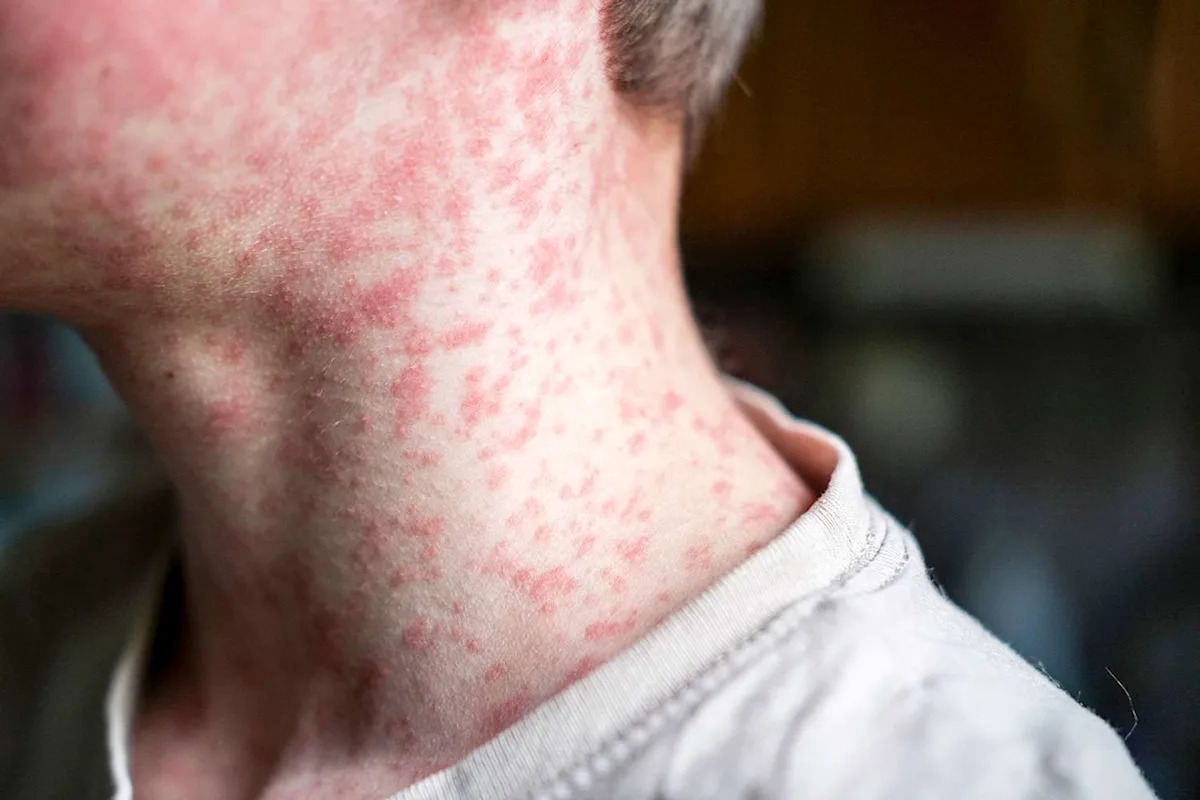
The virus isn’t “just a little rash,” the CDC says. Measles can also cause a high fever, cough, pneumonia, swelling of the brain (encephalitis) and death. The agency says one in five people with measles will be hospitalized, and one in 20 children will develop pneumonia, which it says is “the most common cause of death from measles in young children.”
Read the original article on People