
Home » America Travel News » Canada Joins US, Jamaica, Spain, Ecuador, Cuba and Others in January 2026 Tourism Slump as Visitor Demand Contracts Across the Americas and Europe: New Report You Need to Know
Published on
February 21, 2026
By: Rana Pratap
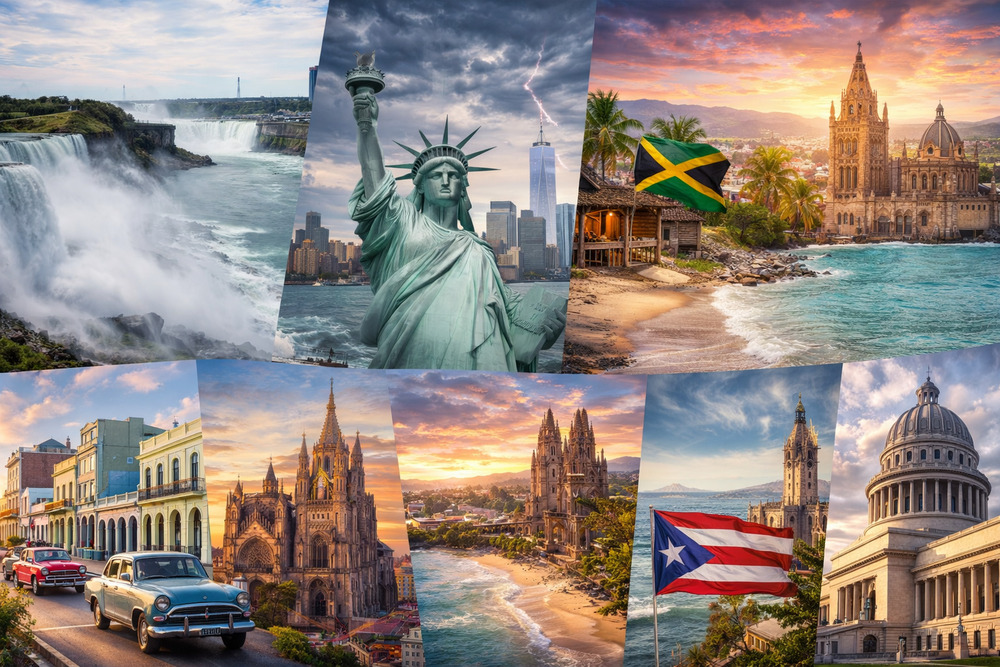
Image generated with Ai
As Canada joins the US, Jamaica, Spain, Ecuador, Cuba and other countries like Puerto Rico in a quantifiable tourist recession that is changing travel patterns throughout the Americas and Europe, a new January 2026 tourism research shows a coordinated slowdown taking place across key Western destinations. The analysis demonstrates that the decline in visitor demand in the Americas and Europe is not the result of a single shock, but rather of a confluence of factors such as tighter border controls, economic pressure on middle-class tourists, disruptions brought on by climate change, regulatory crackdowns, and growing security concerns. While the US continues to see steady incoming losses associated with tighter immigration rules and longer visa processing times, Canada suffers reduced cross-border mobility and winter interruption. Puerto Rico’s post-pandemic domestic surge cools as mainland U.S. travellers pull back, Ecuador faces urban security issues that discourage foreign arrivals, Spain recalibrates under strict short-term rental regulations, and Jamaica faces hurricane recovery and waning American demand.
Canada Feels the Cross-Border Chill as Travel Confidence Slips
Image generated with Ai
Canada entered 2026 under visible strain as political friction, tariffs and economic caution disrupted cross-border travel. January arrivals fell 8.4 percent to 4.2 million. Return trips from the U.S. by car and air dropped 24 percent year over year, with road crossings down 26.8 percent and air returns off 17.8 percent, according to Statistics Canada. In contrast, overseas air returns to Canada rose 11 percent, showing the slump centers on the U.S. corridor. Canada remains New Hampshire’s largest international market, where visits had already fallen by nearly one-third. President Donald Trump’s “51st state” remarks, immigration raids and tariffs further unsettled Canadian travelers, while severe winter storms pushed daily arrivals to 68,700, compounding the slowdown.
Airlines quickly adjusted strategy. Carriers redirected capacity toward Europe and Asia to compensate for weakening North American corridors. Border communities, retailers, and hotels that depend on cross-border circulation felt the pressure immediately. Although U.S.-resident trips into Canada declined only marginally, the overall picture showed travelers recalibrating budgets and priorities. January’s numbers underscored how diplomacy, climate volatility, and consumer confidence can converge in a single month to reshape Canada’s tourism trajectory.
US Welcome Wanes as Policy Shifts Cool Global Interest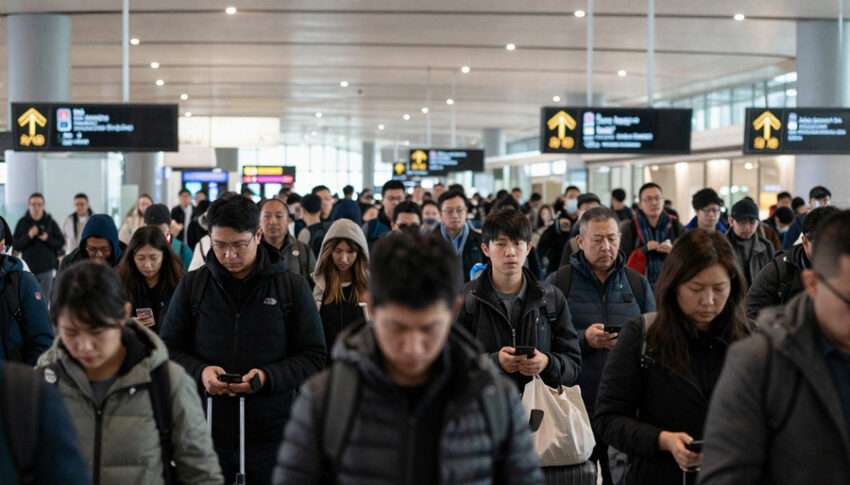
Image generated with Ai
The United States entered 2026 confronting its most sustained inbound tourism decline since the pandemic recovery began. January marked the eighth consecutive month of year-over-year contraction. Non-U.S. citizen air arrivals fell to 4.60 million, a 4.8 percent drop, while arrivals from the United Kingdom declined 5.6 percent. Canadian arrivals plunged 28 percent, amplifying the broader slowdown. The downturn followed sweeping immigration policy changes and heightened vetting procedures introduced at the start of the year, which reshaped international perceptions of accessibility and ease of travel.
Advertisement
Advertisement
The financial consequences quickly followed. The World Travel & Tourism Council estimated a $12.5 billion loss in foreign visitor spending during 2025, with January trends signaling continued pressure. Prolonged visa wait times, expanded inspections, and a growing perception of unpredictability influenced both leisure and business travelers. Professionals carrying sensitive data reconsidered U.S. routes, and discretionary tourists shifted toward destinations viewed as more stable or welcoming. The ripple effects extended beyond the mainland. Puerto Rico, heavily dependent on U.S. mainland traffic, recorded a 2.1 percent decline in overall air passenger volume in January, with domestic travel falling 2.6 percent even as international arrivals rose modestly. While total international enplanements in the United States slipped only slightly, the sustained decline in foreign visitors — combined with cooling domestic flows to territories like Puerto Rico — pointed to structural friction rather than a temporary fluctuation.
Jamaica Battles Storm Damage and Shifting Traveler Tastes
Image generated with Ai
Jamaica began the year balancing hurricane recovery with cooling demand from its largest market. January air passenger traffic declined 7.7 percent year over year, reflecting infrastructure damage from Hurricane Melissa and softer U.S. travel flows. Roughly 30 percent of the island’s tourism infrastructure sustained storm-related damage in late 2025, disrupting resort operations and capacity. Traffic along U.S.-Jamaica routes fell nearly 8 percent, a meaningful contraction for a destination where American travelers account for about 70 percent of arrivals.
Advertisement
Advertisement
At the same time, traveler preferences continued evolving. Industry observers reported growing fatigue with highly commercialized resort hubs, as visitors increasingly sought eco-focused and less crowded alternatives. Reduced cruise homeporting and scaled-back flight offerings tightened connectivity further. Jamaican officials intensified outreach to new markets, particularly the United Kingdom, while accelerating infrastructure rehabilitation. January’s data revealed both environmental vulnerability and the risk of heavy dependence on a single source market.
Spain Slows the Volume Game to Regain Control
Image generated with Ai
Spain recorded an 8.5 percent decline in short-term rental demand nights in January, reflecting deliberate regulatory intervention and moderating traveler flow. Authorities removed tens of thousands of non-compliant listings between late 2025 and early 2026, driving a 10.6 percent drop in available rentals in January alone. Occupancy declined just 1.8 percent, as reduced supply partially stabilized performance, but overall demand softened as the market recalibrated.
Advertisement
Advertisement
The January shift illustrated Spain’s broader pivot toward managing overtourism and prioritizing sustainability. By tightening enforcement in high-pressure cities, policymakers sought to restore housing balance and protect long-term destination quality. While the strategy reduced budget accommodation options, it strengthened positioning for regulated hotel sectors and higher-spending segments. The slowdown signaled structural recalibration rather than collapse, underscoring Spain’s effort to redefine success beyond sheer arrival volume.
Ecuador’s Security Concerns Cast a Shadow Over Urban Tourism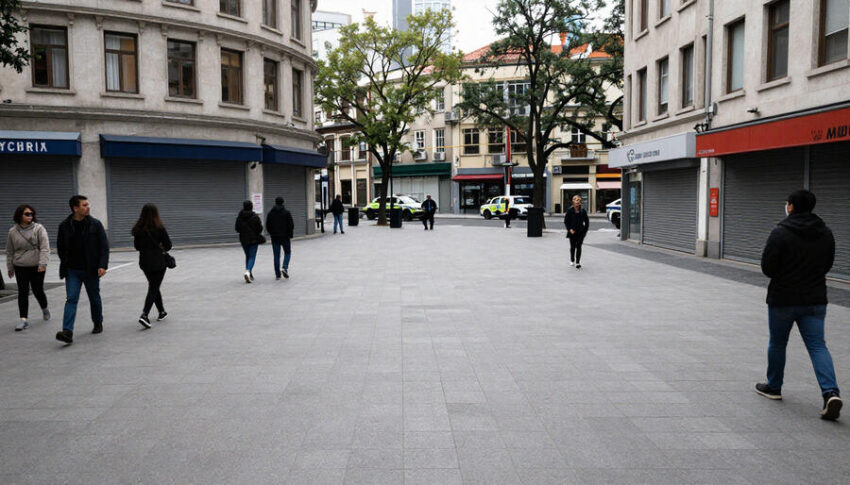
Image generated with Ai
Ecuador entered 2026 confronting declining visitor confidence in its mainland cities. Quito recorded a 9.81 percent drop in non-resident arrivals compared to the previous year, prompting hotels to lower daily rates to around $44 during the low season. Escalating criminal extortion practices targeting businesses intensified travel advisories and shaped global perception. Travelers weighed safety concerns heavily when planning itineraries, and many redirected trips accordingly.
The economic ripple effects extended beyond hospitality metrics. In Guayaquil, violence and instability had already contributed to substantial job losses, with ongoing consequences for tourism-linked sectors. Although the Galápagos Islands retained their reputation for safety and exclusivity, insecurity in urban hubs overshadowed Ecuador’s broader appeal. January’s performance demonstrated how swiftly safety perception can override cultural and natural attractions in determining travel demand.
Cuba’s Tourism Engine Stalls as Power Cuts and Policy Pressures Shake Confidence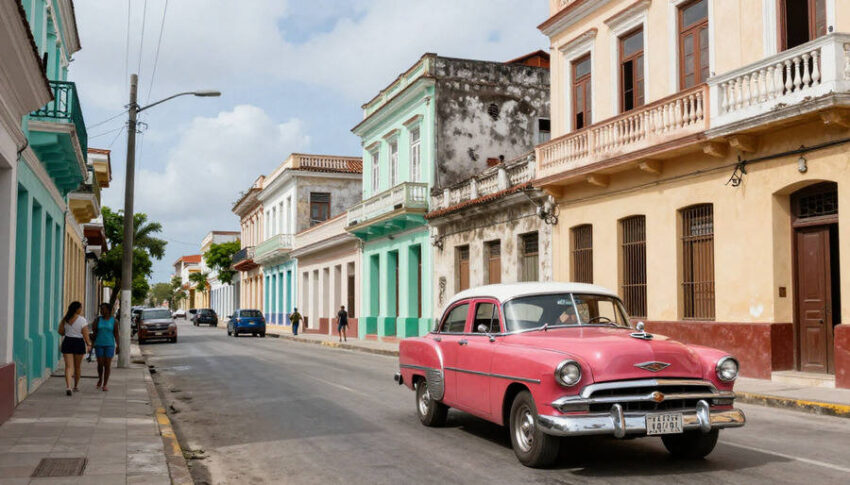
Image generated with Ai
Cuba stepped into January 2026 with its tourism sector under visible strain, and the numbers reflected the pressure. Visitor arrivals dropped by 29.7 percent in key reporting periods leading into the new year, marking one of the sharpest contractions in the Caribbean as per reports. The decline unfolded against a backdrop of rolling blackouts, fuel shortages, and supply disruptions that touched nearly every layer of the visitor experience. Hotels operated under energy constraints, restaurants trimmed menus, and transportation networks struggled with inconsistent fuel access. Travelers noticed the instability. In a region where competitors emphasized seamless service and upgraded infrastructure, Cuba found itself battling perceptions of uncertainty. At the same time, continued restrictions tied to U.S. policy further limited potential recovery from a historically important market.
The slowdown reached beyond airport terminals and into daily economic life. Hospitality workers faced reduced hours as occupancy levels slipped, and tourism-dependent businesses absorbed shrinking revenue streams. European travelers hesitated, weighing comfort and reliability against competitive alternatives elsewhere in the Caribbean and Mediterranean. Canadian visitors maintained some loyalty, but they could not compensate for broader pullbacks. Unlike destinations managing temporary demand cycles, Cuba confronted deeper structural vulnerabilities linked to infrastructure resilience and geopolitical positioning. January’s downturn signaled more than seasonal softness—it revealed how quickly global travelers recalibrate when basic services falter. Without sustained investment in utilities, supply stability, and international confidence-building, Cuba risks prolonging a tourism contraction that already shows signs of entrenchment.ng source markets and sustaining competitiveness beyond short-term demand waves.
Canada Joins US, Jamaica, Spain, Ecuador, Cuba and Others in January 2026 Tourism Slump as Visitor Demand Contracts Across the Americas and Europe, as Canada-U.S. return trips drop 24% while other air returns rise 11%, amid tariffs, Trump remarks and raids, reveals New Report You Need to Know.
In January 2026, Canada joined the United States, Jamaica, Spain, Ecuador, Cuba and other countries, in a tourism slump as visitor demand contracted throughout the Americas and Europe. These events were not isolated incidents, but rather part of a larger structural reset taking place throughout Western travel markets. According to the statistics, Canada’s 24% decline in return travel from the United States, coupled with political unrest and tariff conflicts, is a reflection of the slowdown in U.S. incoming travel caused by tighter border controls and protracted visa processing delays. Puerto Rico experiences a slowdown in mainland U.S. travel following its post-pandemic surge, Ecuador struggles with security concerns that undermine traveller confidence, Spain recalibrates under regulatory crackdowns on short-term rentals, and Jamaica continues to manage hurricane recovery and waning American demand.
Because travellers are reacting immediately to geopolitical tension, economic strain, climatic unpredictability, and safety perceptions, our new report, “Visitor Demand Contracts Across the Americas and Europe,” makes it evident. January 2026 marks a significant change in international travel patterns rather than a brief decline. The message is clear as Canada joins the US, Jamaica, Spain, Ecuador, Cuba and others, in the January 2026 tourist slump: policy, perception, and resilience now influence tourism’s future more than momentum alone.
