

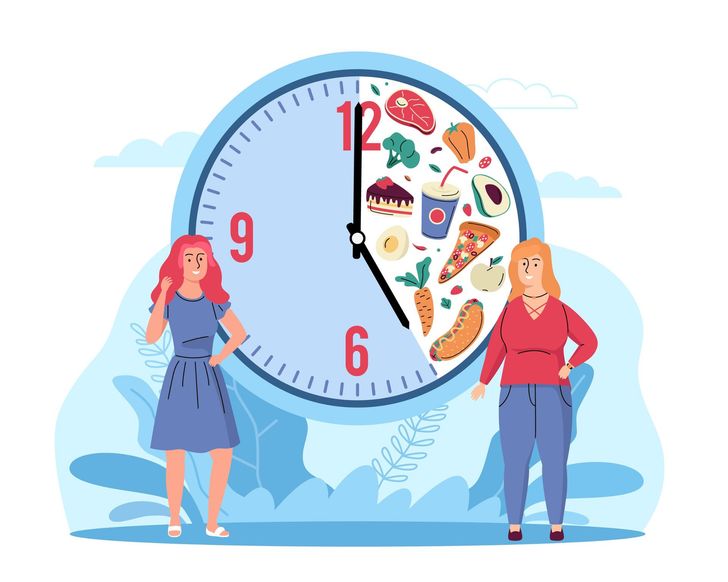
Intermittent fasting has surged in popularity as a simple way to lose weight, built on the idea that limiting when people eat can improve metabolisms without the need for strict calorie counting. But a major international review has found the approach may not lead to greater weight loss than more conventional dieting methods.
Researchers analyzed 22 randomized controlled trials involving 1,995 participants and found that intermittent fasting produced only marginal differences in weight loss compared with calorie restriction. The findings were published in the journal Cochrane Reviews.
The review, led by researchers from the Rutgers School of Public Health in the United States and the University of Düsseldorf Medical School in Germany, examined a range of fasting approaches, including time-restricted eating, alternate-day fasting and plans allowing five days of normal eating followed by two days of restriction.
Across studies lasting between six and twelve months, people following intermittent fasting lost on average 0.33 percent more weight than those using other dietary approaches — a difference researchers said is too small to be considered clinically meaningful. Cholesterol levels showed no substantial differences between groups.
When compared with people who did not follow any diet, intermittent fasting resulted in an average weight reduction of 3.42 percent. Levels of high-density lipoprotein, often referred to as “good cholesterol,” rose slightly among participants using fasting strategies, but other measures of metabolic health showed little change.
Researchers cautioned that most of the trials assessed outcomes lasting up to 12 months, making it difficult to draw conclusions about longer-term weight management or whether people regain weight over time.
Still, the findings suggest intermittent fasting is no magic solution for weight loss.
The researchers said that intermittent fasting does not appear to offer meaningful advantages over traditional diets for weight loss, adding that individuals should choose eating patterns that fit their routines and can be maintained over the long term.
This article from the Hankook Ilbo, the sister publication of The Korea Times, is translated by a generative AI system and edited by The Korea Times.