
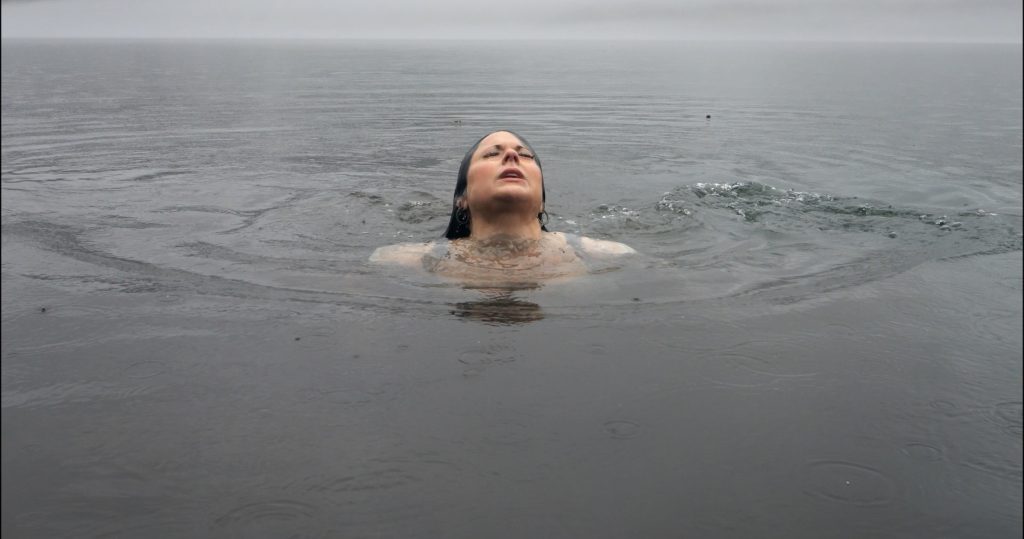
In Lytton, B.C., Meghan Fandrich holds a burned doorknob, the only piece left of her once-booming cafe that was a cultural hub for the community. Later, she walks through sage bushes with her daughter, reminiscing about her childhood near the Fraser River — and the smell of burning sage filling the air during the 2021 fire that devastated her village.
This is just one of the emotional scenes displaying Canadian climate disasters in the documentary EMERGENCE: Women in the Storm. It’s evocative for anyone who has ever smelled sage burn — or who feared for friends and family during the 2021 Lytton fire, which led to two deaths and saw 32,000 people evacuated.
Premiering at the annual Victoria, B.C. film festival in early February, EMERGENCE is the most recent documentary by filmmaking duo Nova Ami and Velcrow Ripper.
It’s is a snapshot of the lives of girls and women from across British Columbia and Yellowknife who are first responders, field experts, community leaders and have experienced a disaster caused by extreme weather. Despite being disproportionately impacted by climate change because of their gender, age or location, all are making a big impact in their communities.
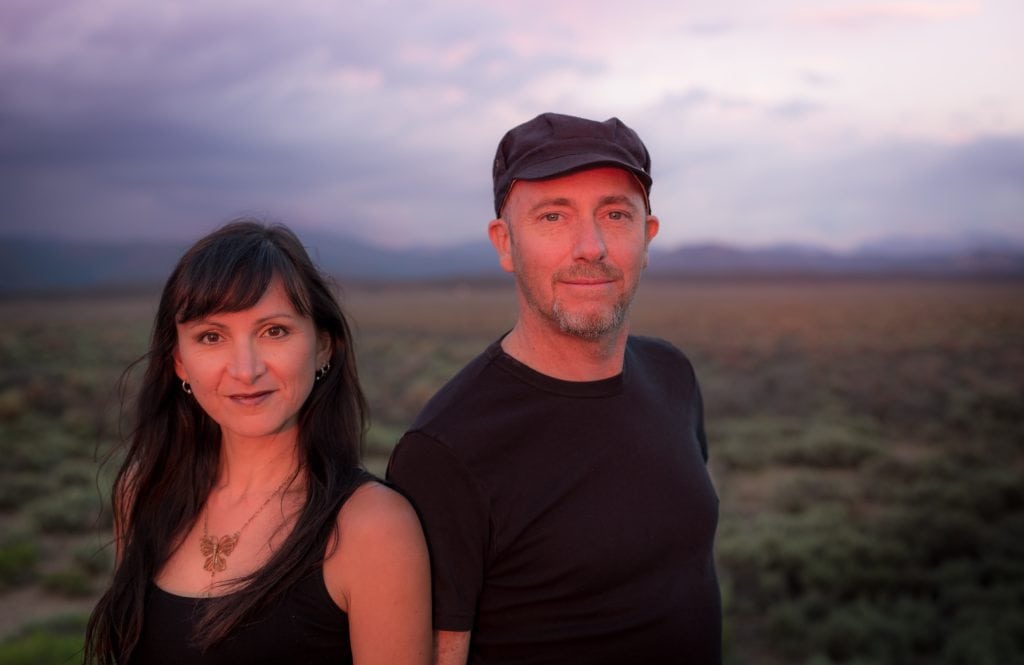 In their new documentary, filmmakers Nova Ami and Velcrow Ripper highlight the work of women and girls, who are disproportionately impacted by the climate crisis but underrepresented in coverage of it. Photo: Grant Baldwin / Nicola Pender PR
Over a cup of coffee and with a bit of nerves before the premiere, Ami and Ripper explained to The Narwhal that the documentary’s name is a play on the word “emergency,” and represents women emerging from a disaster, delivering messages of hope.
The filmmakers’ goal was to bring the voices of girls and women to the forefront of the climate change conversation, since they are often are underrepresented in news and media coverage.
In September 2025, the United Nations updated a gender equality in media report, which found that “women make up half of the global population, yet just a quarter of those who are seen or heard in the news. This statistic has barely changed in the last 15 years, with a mere nine-point change in 30 years.”
After years of filming, Ami said confidently that women are first responders in the home — caring for the most vulnerable in emergencies and disasters. Her observation is supported by another United Nations report, from 2022, which found “the adverse effects of drought, floods, hurricanes, extreme rainfall events and sea level rise are often felt more keenly by women than men as a result of systemic gender discrimination and societal expectations related to gender roles.”
“We were looking for something new and fresh to add to the conversation,” Ami said. The two have created independent films together for more than a decade — their other climate change documentaries include 2018’s multiple award-winning Metamorphosis and 2024’s Incandescence, about wildfire season in the Okanagan.
When Ami told Ripper that creating climate change films was burning her out, Ripper suggested a different framing.
“Velcrow said ‘What if we focused on women,’ and I thought ‘Okay, now I can see myself getting into this.’ It’s a new way to explore this topic for us,” Ami said.
The duo came up with the idea in 2020 while travelling the world searching for stories about disaster recovery. But, as Ripper said, “by the time 2021 rolled around, it was clear that the climate emergency was coming to us.”
B.C. experienced disaster after disaster in 2021: a life-taking heat dome and extreme wildfire season in the summer, followed by atmospheric rivers and flooding that fall. Ami and Ripper decided to cover disasters closer to home, finding stories by word of mouth.
They filmed across the province and up into the Northwest Territories, talking to a wide range of people, from emergency physician Courtney Howard to high school student Kar-Hei Ng, who attended an all-girls firefighting camp, anticipating her future dealing with the climate crisis.
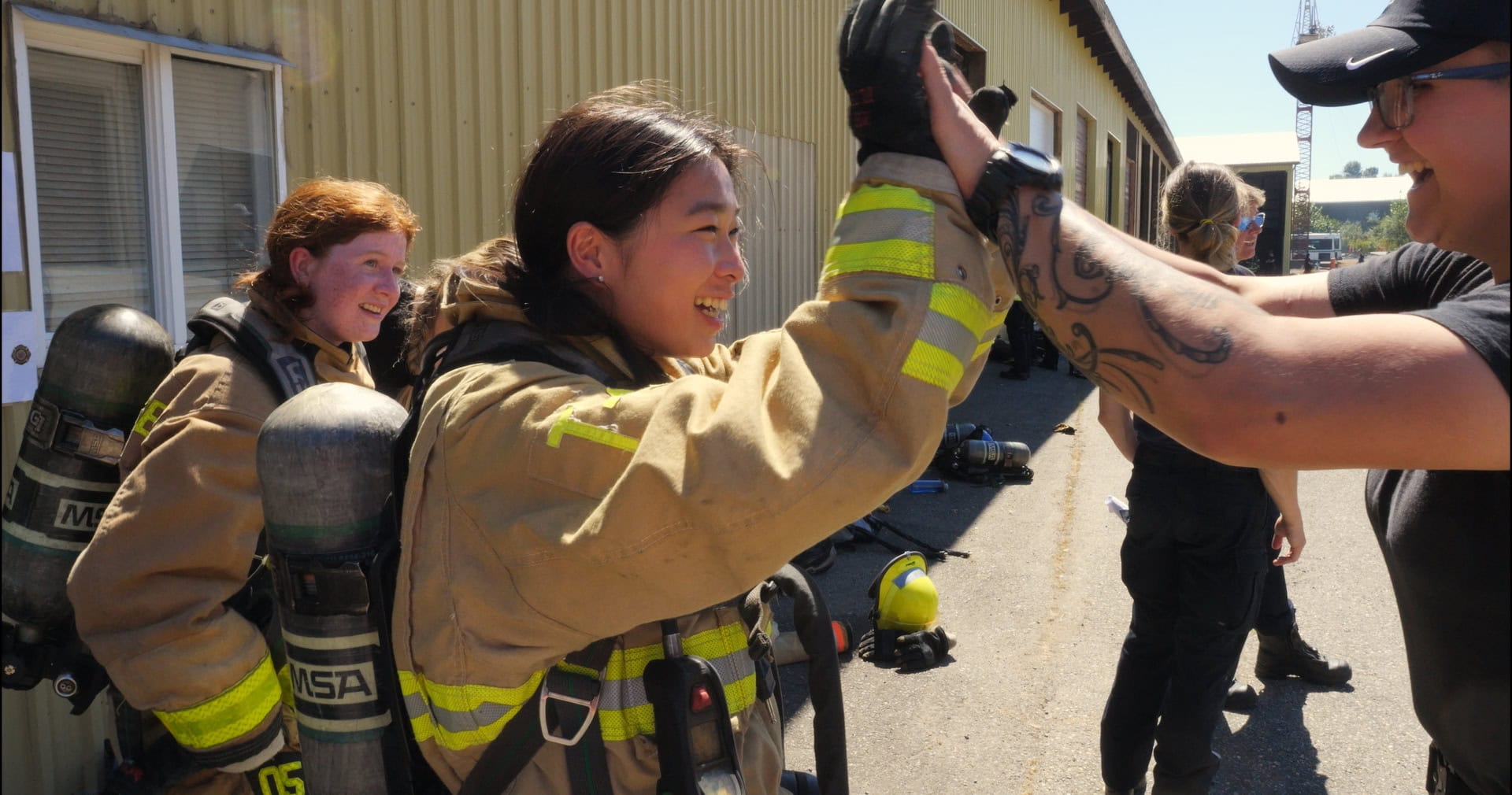 Kar-Hei Ng at Camp Ignite in Vancouver, B.C. The immersive all-girls summer camp offers high school students lessons with local fire departments. Photo: Nova Ami and Velcrow Ripper
Ami and Ripper hope to spark inspiration in viewers to prepare themselves for climate change, not just in B.C. or Canada, but worldwide.
“I’ve learned to really appreciate moments of beauty and wonder, to really see and feel them, because everything you take for granted can just disappear. These climate events are going to be affecting more and more of us. I think we will survive it because we feel connection, community, love and support,” Fandrich expresses near the end of the film.
EMERGENCE: Women in the Storm screens Feb. 21 in Hope, B.C., Feb. 25 in Vancouver, and Feb. 28 on Salt Spring Island. It will also be aired April 7 on the Knowledge Network.