
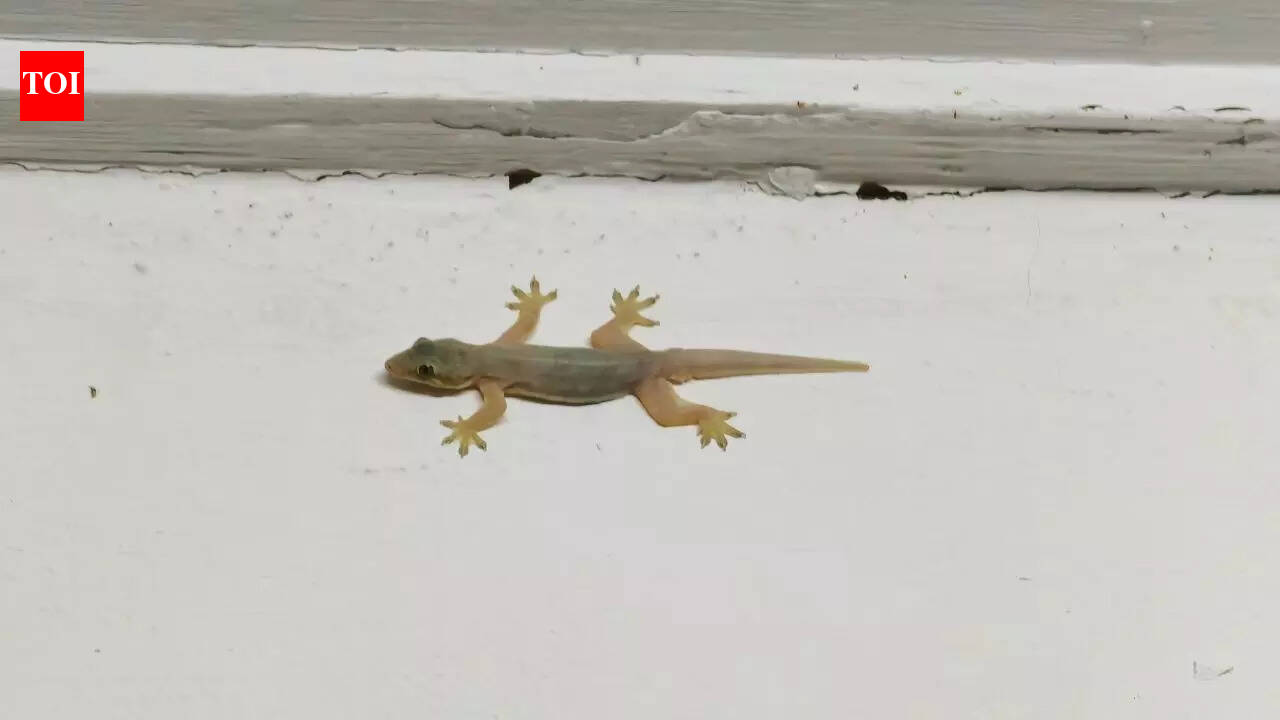
 Lizards in home (Image source: Canva) As February comes to an end and the first signs of summer begin to show, many households start noticing a familiar change inside their homes. Lizards that were hard to find in the winter start to show up on walls, ceilings, and near lights. A lot of people wonder why lizards start to come inside just as the weather starts to change and summer approaches. This timing seems too perfect to ignore.This pattern can be seen in more than one city or area. In the warmer parts of India, late February and early March are often when the weather changes from cool winter weather to warmer daytime weather. With this shift, lizards become more active, more visible, and more likely to move around living spaces. While weather change plays a role, the reasons behind their presence go much deeper than temperature alone.Lizards enter homes because houses provide what they need most during seasonal transitions: stable shelter, suitable temperatures, and easy access to food. As summer slowly arrives, these factors combine to make indoor spaces especially attractive to them. Knowing why this happens helps us understand why we see more lizards around this time of year and why it’s a normal, natural response instead of something strange or sudden.
Lizards naturally live close to human homes
Most lizards commonly seen inside homes, especially across India, are house geckos. These lizards are not accidental visitors. Over time, they have adapted very well to living close to humans.According to a study published in Journal of Urban Ecology, lizards living in urban areas show behavioural differences compared with their counterparts in natural habitats, suggesting that built environments like houses and buildings shape how these reptiles use space and interact with humans.The walls, ceilings, cracks, and corners inside houses look a lot like the places lizards hide in the wild, like tree bark, rock crevices, and small caves. Lizards can easily hide, move up and down, and get away from danger in these structures.According to studies on urban reptile behaviour published in journals such as Urban Ecosystems and Journal of Herpetology, residential buildings offer lizards several advantages:Safe hiding places away from predatorsMore stable temperatures compared to outdoorsEasy access to insects for foodLess disturbance than open natural areasBecause of these factors, homes are not unusual or random locations for lizards. In many cases, houses become part of the lizard’s regular living and hunting area, especially in cities and towns where natural habitats have reduced.
Homes offer a stable and comfortable environment
One of the main reasons lizards come into homes is that they are stable. Lizards are ectothermic, which means they can’t control their own body temperature. They need to stay in a comfortable temperature range to stay alive.Homes offer:Ceilings that don’t get wetTemperatures inside that change slowlyShielding from rain, wind, and direct sunlightIndoor spaces are often more comfortable than outdoor spaces, even when the weather isn’t too bad. This is especially true in cities.
Insects inside homes attract lizards
Food is one of the strongest reasons lizards stay indoors. Lizards mainly eat:MosquitoesFliesMothsAntsSmall insectsHomes naturally attract insects because of:Artificial lightsFood smellsGarbage areasMoisture in kitchens and bathrooms
Lights play a major role in lizard presence
Tube lights, LED bulbs, and decorative lights attract insects, especially at night. Lizards learn quickly that lights mean food.This is why you see lizards a lot:Close to tube lightsOn walls near light bulbsAround windows or balconiesLizards are more likely to be active in homes with bright night lights.
Cracks, gaps, and corners provide ideal shelter to lizards
Lizards like places where they can easily hide and get away from predators. There are many places like this in homes:Cracks in the wallThe edges of the ceilingBehind the cabinetsTiles for the bathroomPlaces to store thingsThese areas look a lot like places where lizards can hide in the wild.
Moisture and water sources matter
Lizards need small amounts of water to survive. They often get moisture from:Humid airCondensationWet surfacesBathrooms and kitchensHomes with:Leaking tapsDamp wallsOpen drainsPoor ventilationare more attractive to both insects and lizards.
Weather changes influence, but do not control, lizard movement
Weather changes often increase lizard sightings, but they are not the main reason lizards come into homes.Before rain or during seasonal shifts:Humidity risesInsects move indoorsOutdoor shelters become unstableLizards respond by spending more time in safe indoor areas. As per Britannica, animal behaviour experts explain that animals respond to environmental cues, not weather prediction. This makes lizard activity more noticeable during weather changes, even though they may already be living nearby.
Seasonal changes increase lizards’ visibility
Lizards are more visible during:Pre-monsoon monthsEarly summerSeasonal transitionsDuring these periods, they move more frequently in search of food and suitable shelter.
Common myths about lizards in homes
A lot of people think that having lizards in the house is bad luck or that something bad is about to happen. These claims are not backed up by science.Lizards come into homes because of the following reasons:FoodA place to stayStable temperatureProtection
How to reduce lizards in homes
Understanding why they happen can help make them less common. Here are some steps that deal with root causes:Cutting down on bugsFilling in cracks and gapsKeeping moisture in checkTaking care of night lightingKeeping the kitchen and bathroom dryThese methods work because they get rid of what lizards are drawn to in the first place.