


Listen to this article
Estimated 3 minutes
The audio version of this article is generated by AI-based technology. Mispronunciations can occur. We are working with our partners to continually review and improve the results.
Ottawa city staff are proposing a new way to help people experiencing homelessness and addiction while also addressing community safety concerns.
The proposed system, jointly governed by the city’s community and social services department and the Ottawa Police Service’s community outreach initiatives, would consolidate what are currently multiple outreach teams and centralize them under a single service provider.
The city report containing the new model said that between 2021 and 2025, a total of 725 encampments were identified in the downtown area. In 2024, there were at least 940 overdose-related emergency room visits and nearly 170 deaths.
Somerset Coun. Ariel Troster said the current outreach model is fragmented.
“Right now there are dozens of agencies that do outreach,” she said, adding that in a single day, “the same person might be helped by five different agencies.”
The new co-ordinating agency would oversee a centralized dispatch and track data, allowing front-line outreach workers to stay in the field.
Need for supportive housing
Troster said the agency would help address “day-to-day conflict on the street,” and help outreach workers locate people in need of housing.
She said the city still faces a significant housing gap, especially when it comes to people with more complex needs.
“We won’t have a full solution to unsheltered homelessness and to the mental health and addiction crisis on our streets until we can scale up supportive housing,” she said.
“The answer to unsheltered homelessness and to the people who will not go to shelter, is not more shelters,” Troster said. “It’s permanent housing.”
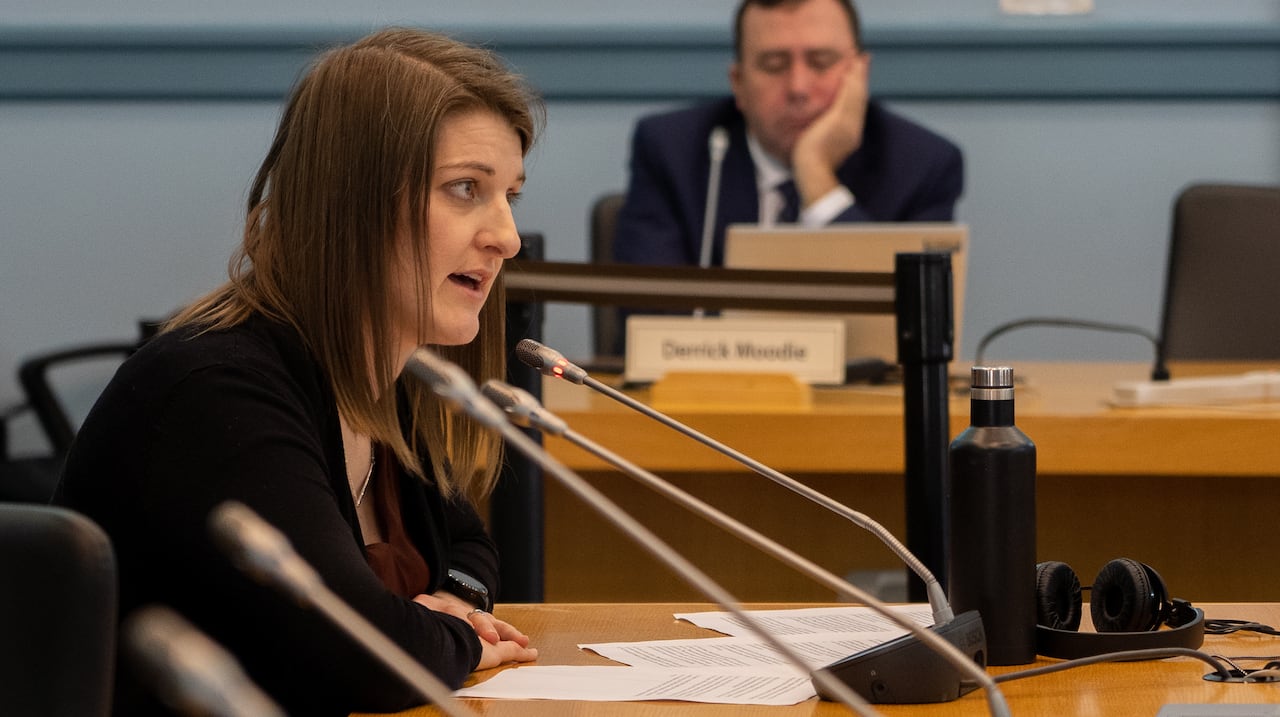 Katie Burkholder Harris, executive director of the Alliance to End Homelessness Ottawa, welcomed the new model but worries its effectiveness could be limited by a lack of affordable and supportive housing. (Francis Ferland/CBC)Clearing encampments ‘absurd’
Katie Burkholder Harris, executive director of the Alliance to End Homelessness in Ottawa, said improved co-ordination is great, but it’s unlikely to dramatically change outcomes without an adequate supply of affordable supportive housing.
“If we don’t have actual units that are affordable, then that’s the block,” she said.
Burkholder Harris also pushed back on the notion that individuals must be “housing-ready” before agencies can place them. She argued the real barrier is access.
“People are housing-ready if they are human beings,” she said.
She warned the approach of clearing out encampments without housing solutions can further destabilize people and renew trauma.
“Evicting people from encampments is … absurd,” Burkholder Harris said. “It’s just moving people along.”
Both she and Troster agree that the co-ordinated model could reduce duplication — but neither sees it as a stand-alone solution.
“I have a lot of hope that it’ll help improve community security,” Troster said.”“But those people who are currently living unsheltered, they are not going to get better until they have safe and secure housing and the supports that they need.”
The new outreach model is set to be discussed at Tuesday’s meeting of Ottawa’s community services committee.