
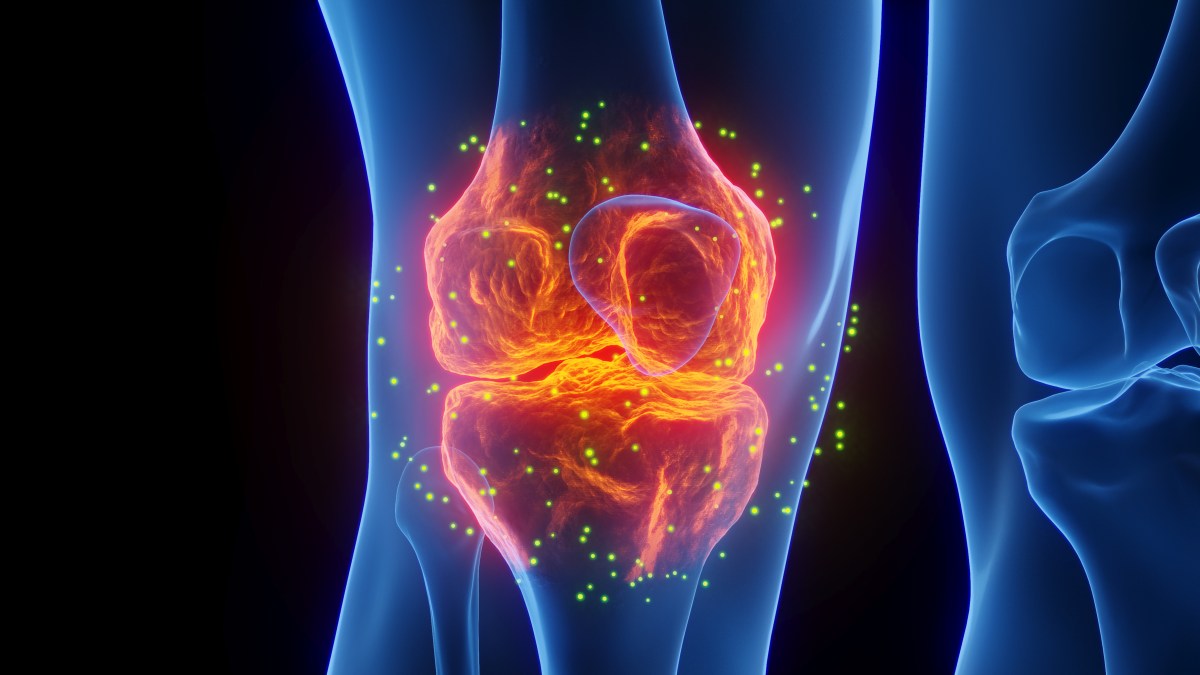
One of the body’s most complex joints, the knee is made up of bone, cartilage, ligaments, tendons and muscle — so if yours start to hurt, it could be for all sorts of reasons. Persistent pain or stiffness may point to arthritis or joint damage and should be assessed by a doctor. But here’s what to try if your knees start protesting during or after exercise.
Rest and recover
First, stop any activity that aggravates the pain. Matt Harrison from the Chartered Society of Physiotherapy suggests the Rice approach — Rest, Ice, Compression, Elevation. But don’t stop everything for more than three days, he says: “Gentle mobility supports recovery and prevents stiffness.” Anti-inflammatories such as ibuprofen also help reduce pain and swelling.
• The best trainers for flat feet, dodgy knees and aching achilles
Keep moving, the right way
Swap high-impact exercise for something gentler — cycling, swimming or a cross-trainer workout. If your pain is mostly at the front of your knee, try shallow squats or bridges (lying down, feet flat, hips raised from the floor). “These help stabilise the pelvis and avoid lateral movement of the kneecap,” says Sam Oussedik, a consultant orthopaedic surgeon at the private Lister Hospital in London. Exercises to strengthen muscles around the knee also help recovery and prevent future injury. Jonny Kibble, head of exercise and physical activity at Vitality health insurance, suggests wall sits, calf raises or step-ups.
Call the physio
If your knee pain worsens or lasts for more than two weeks, see a physio, Harrison says. They can tailor a recovery plan and help you avoid long-term issues. Most people can see a physio at their GP practice without a prior consultation. If the knee is very swollen or can’t bear weight, or if you have signs of infection such as a fever or heat around the knee, seek urgent medical advice.
• How to strengthen your knees: seven ways to keep them moving
Stretch it out
To prevent knee pain and stiffness focus on stretches for your hips, calves and thighs. “These help maintain flexibility, especially if you sit for long periods,” Kibble says. It’s also important to get up and move around every 45 minutes. “This helps maintain muscle mass and keeps joints lubricated.”
Kit list
Compression sleeves or soft knee supports can provide stability during movement, Harrison says, but you don’t want to become too reliant on them: “Active muscle conditioning is the most effective long-term solution for healthy knees.” Simple strengthening exercises such as squats and bridges are more effective with stretchy resistance bands around your legs above the knees. Well-fitting trainers with cushioning are essential for reducing pressure on your knees — but do make sure your shoes don’t elevate your heel too much, Kibble says. “This can put extra pressure on the knee.” Foam rollers and massage balls can ease tight thigh and calf muscles, which also place strain on the knee.