

Listen to this article
Estimated 5 minutes
The audio version of this article is generated by AI-based technology. Mispronunciations can occur. We are working with our partners to continually review and improve the results.
The 2026 Winter Olympics are nearing the finish line in Italy.
The Games have led some Canmore residents to wonder what they would have been like had they been held closer to home.
Canmore and Kananaskis would have played a key role in a Calgary bid to host the 2026 Olympics. But Calgary voters eventually rejected pursuing a bid in a 2018 plebiscite.
“I’m disappointed the Games didn’t come here. I can’t say I’m depressed, but I’m really disappointed to watch all the athletes in Italy. I’d rather they’d be here,” said Ken Davies, a leading figure in Canmore supporting the bid.
Davies and Norbert Meier helped lead a local campaign in Canmore to build support for bringing the 2026 Olympics and Paralympics to Calgary. Both volunteered at the 1988 Olympic Games, and helped bring multiple international events to the Canmore Nordic Centre throughout the last four decades.
If Calgary had successfully bid on this year’s Olympics, the Canmore Nordic Centre and the Nakiska Ski Resort in Kananaskis were being considered to host multiple events, and receive funding for necessary facility upgrades.
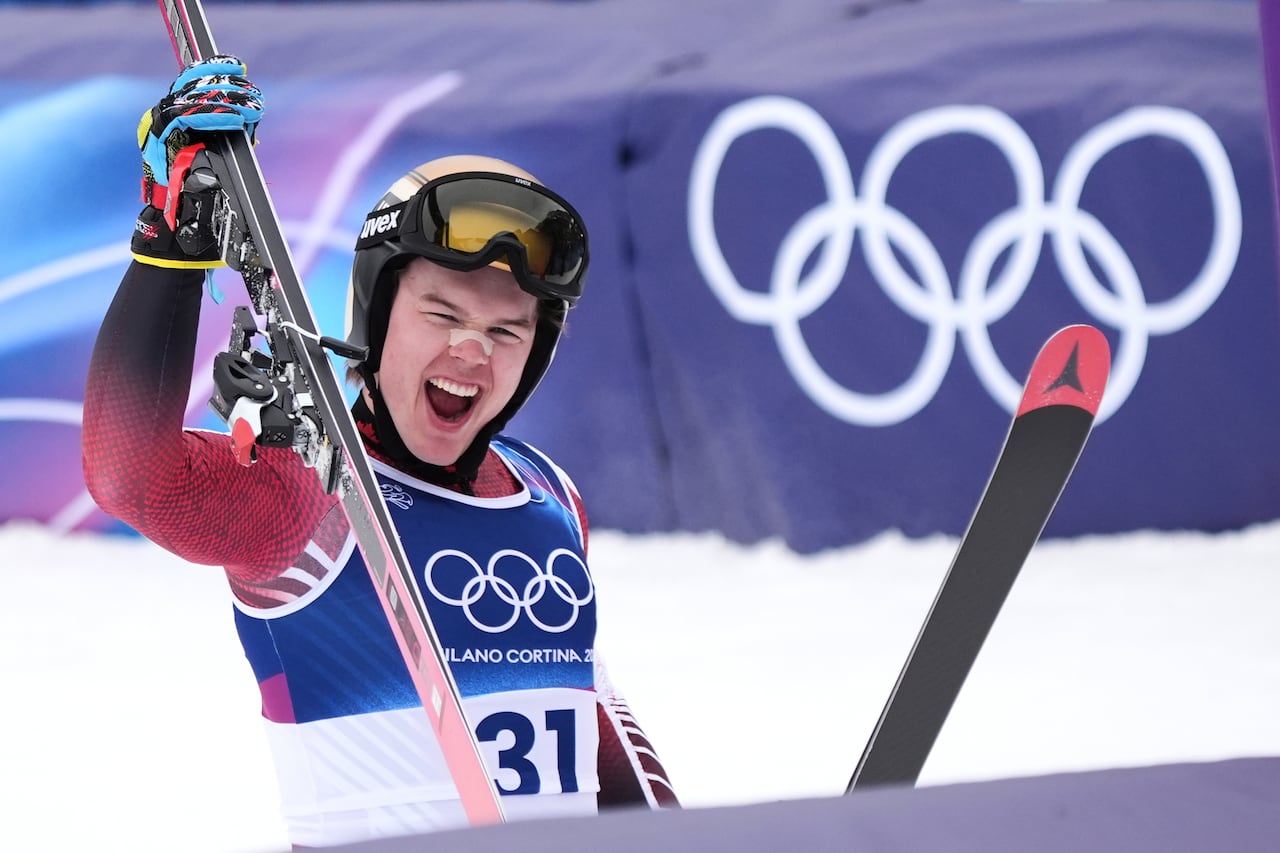 Canmore’s Jeff Read reacts at the finish area during the alpine ski men’s downhill training at the 2026 Winter Olympics on Feb. 4, 2026. Canmore looked to host several events if Calgary had bid on the 2026 Games. (AP Photo/Pier Marco Tacca) (AP)Affordable housing from athletes’ village
A 1,200-bed athletes’ village in Canmore was included in the plan for Calgary’s bid.
From that village, 242 units would be given to Canmore Community Housing for affordable housing, and 24 would have been looked at for future use by athletes and coaches. The new units would have more than doubled the amount the affordable housing agency had created in the previous two decades.
“We were going to get a ton of housing coming out of the Olympics,” said former Canmore mayor John Borrowman. “It would’ve been a massive impact for our community.
“Essentially, we would’ve been handed the keys to 200-plus units of good affordable housing for our residents.”
The athletes’ village was estimated to cost $116 million, with Canmore chipping in $10 million.
Since then, the municipality has moved forward with plans to build affordable housing in the same area. The first units are anticipated to be finished in 2027.
Meier said an athletes’ village could have been a “catalyst” to help Canmore’s housing.
“We weren’t building white elephants. We weren’t building toys. We weren’t building nice-to-haves. We were going after a legacy that meant something significant to the community and was a good match to what the community needed,” Meier said.
WATCH | Canmore’s Olympic legacy: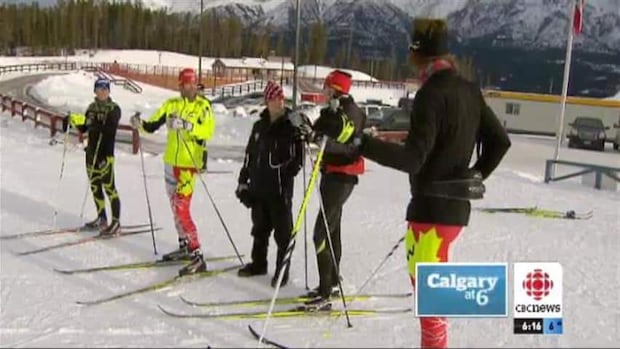 The 1988 Winter Olympics had a major impact on a once sleepy mountain town.Financial help necessary for bid
Canmore’s elected officials voted 6-1 to support the mountain town’s part in Calgary’s Olympic bid, but with a caveat. The community would have to receive the long sought-after ability to charge a tax on hotel rooms.
Known as resort municipality status, it would’ve allowed Canmore to levy hotel rooms two per cent, and use the money collected for services needed to host the Games.
Borrowman, who was in his second of three mayoral terms during the chase for the Olympics, said the tax was “critical” in helping Canmore’s needs.
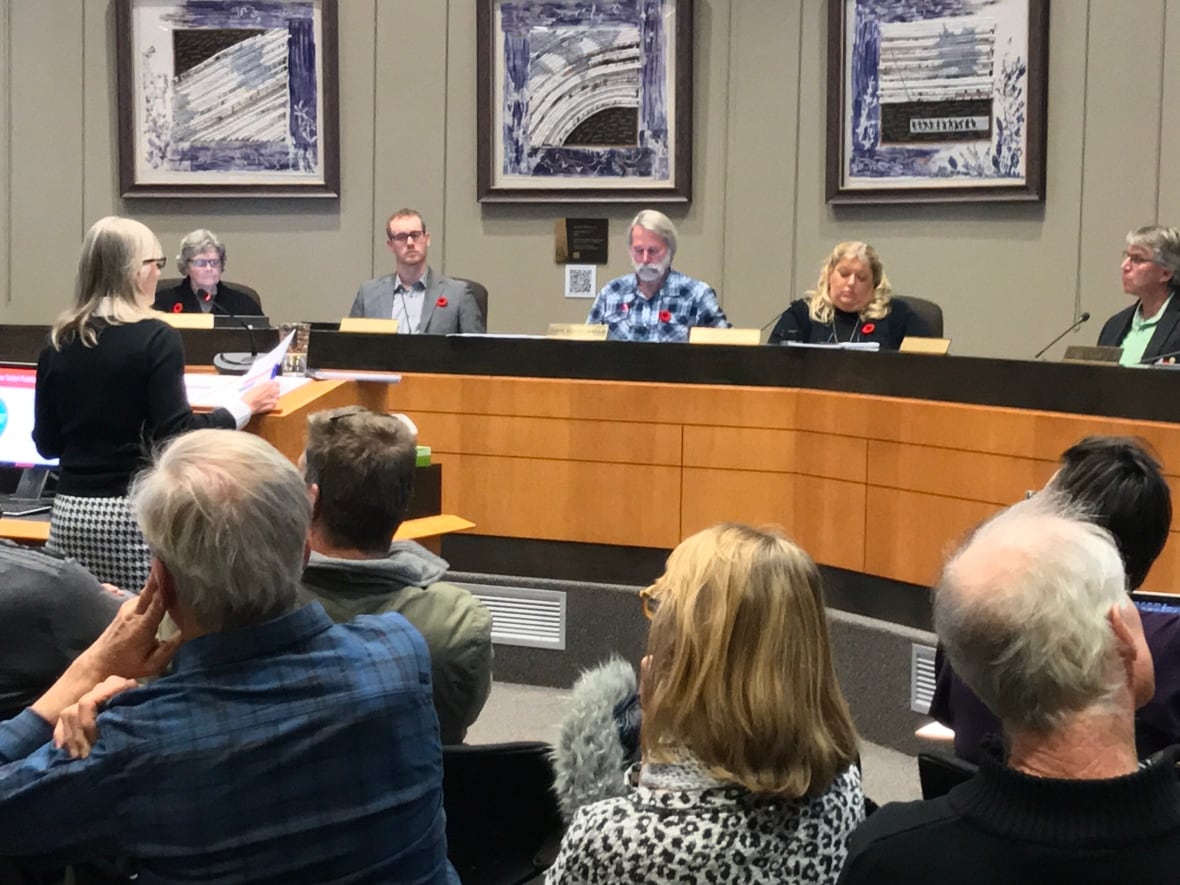 Former Canmore chief administrative officer Lisa de Soto presents to council during a 2018 debate on whether to support Calgary’s Olympic bid. (Anis Heydari/CBC)Not so fast, Olympics
While many residents supported Canmore having a role in the Games, for others, it was a full stop.
At a October 2018 public hearing, 36 people supported the bid and 50 opposed Canmore’s involvement. Another 12 took a neutral stance.
Borrowman said there were calls for Canmore to hold its own plebiscite and “valid concerns” about whether the Games would hurt or support Canmore, as well as questions around the Games potentially going over budget, and about where the money to afford the project would come from.
At the time, the International Olympic Committee was mired in scandals ranging from athletes using performance-enhancing drugs, bribery allegations over bids on the Games, and cost overruns for hosts. All of which, Meier said, ultimately “tainted the Olympic bid” to the public.
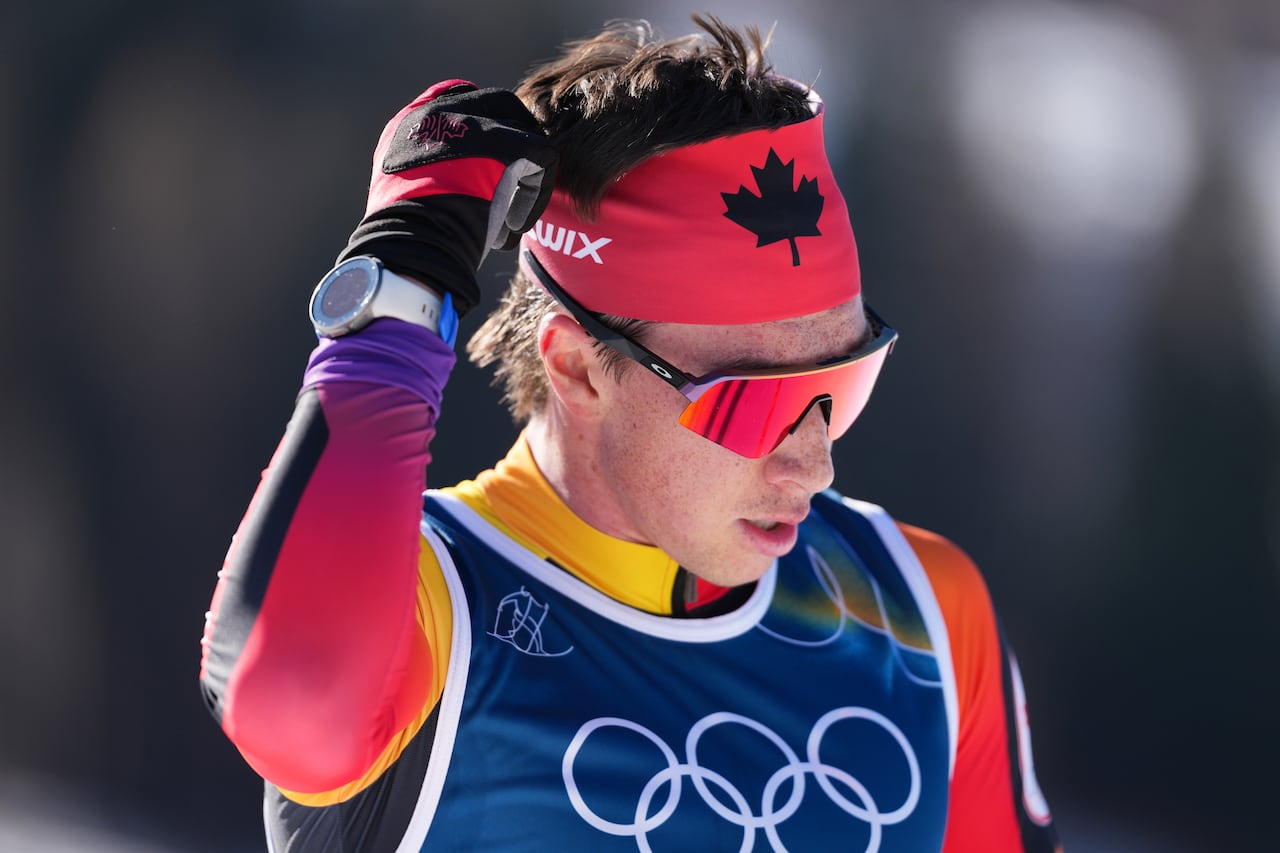 Xavier McKeever of Canmore reacts after completing the first leg of the men’s cross-country skiing 4×7.5km relay at the 2026 Winter Olympics. Canmore has become a hub for Olympic and Paralympic athletes, and would’ve been part of Calgary’s bid to host this year’s Olympics. (AP)
Meier said thoughts of “what if” surrounding this year’s Olympics returned to him in the lead-up to the Milano-Cortina Games. But now he’s looking ahead at the possibility of pursuing another bid in the future.
“That train left the station. What I’m interested in is, ‘what are we going to do about it?’ … We know we’re a small part of the project like that,” he said.
Davies said he hopes Calgary bids again on a future Olympics and Paralympics, and that Canmore can play a role in the Games again.
“Calgary has to get its mojo back. Calgary really got its mojo out of the ’88 Olympics. … It was like we believed in ourselves. We believed we can do anything. We believed we’re a world-class city,” he said.