
Unions and lawyers worry Canada may be deprioritizing reconciliation and slowing Indigenous communities’ access to justice, as looming public service cuts appear to heavily target the Indigenous rights and relations portfolio at the Department of Justice.
“Now is not the time to cut any support for this really important area of Indigenous consultation, Indigenous negotiation and rights,” said lawyer Cynthia Westaway, a visiting professor at the University of Ottawa who teaches Indigenous law.
Despite Prime Minister Mark Carney’s repeated pledge to keep up momentum on reconciliation, critics say the Liberals are “recklessly” slashing Indigenous programs and services — and now, possible deep cuts to legal staff who work on these matters — during a time when the government is plowing ahead on massive nation-building projects.
“So we need to make sure that people that are living on those lands … [are] being properly included and consulted,” Westaway said. “Without the capacity of the justice lawyers and the staff to support that, we may not be hearing from the right people. In fact, I’m sure we’re not.”
About 73 employees at the Indigenous rights and relations unit are so far affected by the workforce adjustments, according to CBC’s tally from several unions.
The Treasury Board’s latest numbers show the Justice Department plans to cut 197 employees and 37 executives. So far, it’s sent out 328 letters to at-risk staff — more than one-fifth sent to staff working within the Indigenous portfolio, according to the unions’ numbers.
The Indigenous rights and relations unit at the Justice Department serves as the federal government’s legal adviser for Indigenous rights and reconciliation matters, and provides specialized lawyers and support staff such as researchers and analysts to work on negotiations, litigation and policy.
Strategically it may create a risk for Canada, but at the same time it could be an opportunity for First Nations.- Regional Ontario Chief Abram Benedict
The team also helps ensure Canada fulfils its obligations under the United Nations Declarations of the Rights of Indigenous Peoples Act (UNDRIP), and primarily supports Crown-Indigenous Relations and Northern Affairs Canada and Indigenous Services Canada.
Westaway, who has previously served as senior counsel at the Justice Department, explained these lawyers are the ones who sit at negotiation tables with Indigenous communities.
“We’ve worked really hard to build those tables,” she said. “We can’t be missing resources on the federal side.”
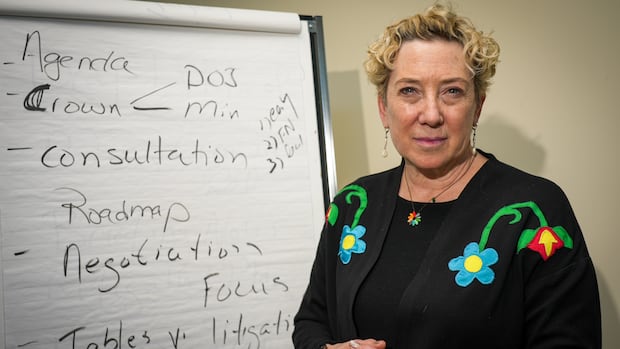
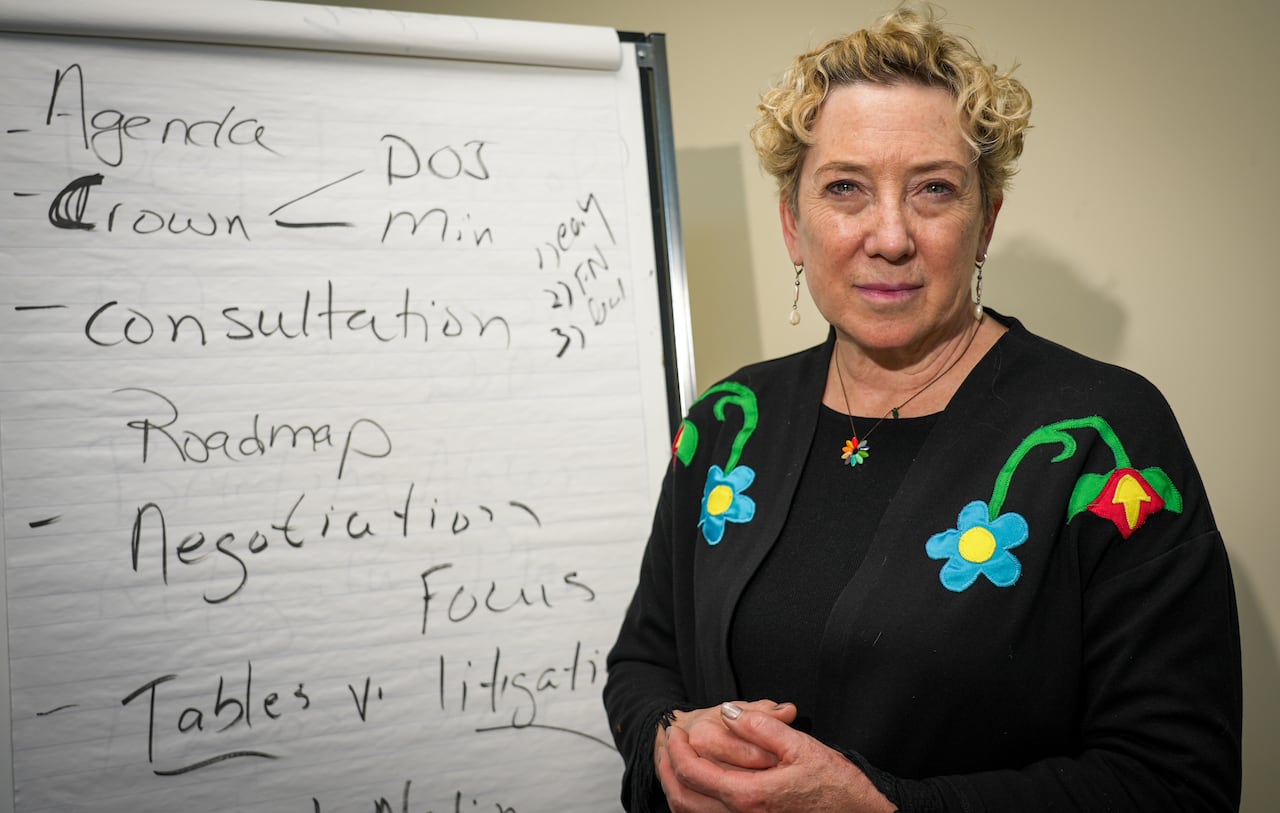 Cynthia Westaway, who teaches Indigenous law and negotiations at the University of Ottawa, says the Justice Department can’t do more with less staff in its Indigenous relations unit. She has previously worked at the department as senior counsel. (Mathieu Deroy/CBC)Department won’t give specific numbers
The department won’t say how many people are affected within the Indigenous rights and relations portfolio.
“Due to privacy considerations, we are only able to provide department-wide figures,” it wrote.
But the Association of Justice Counsel (AJC) says of its 209 members at the Justice Department who got a letter, 58 lawyers — more than one-quarter — work within the Indigenous relations portfolio.
The Union of Safety and Justice Employees (USJE) says 12 members are affected by the workforce adjustments in this unit. Its members are legal assistants who provide “crucial litigation support” like making sure legal documents are filed on time and liaising with stakeholders.
The Canadian Association of Professional Employees (CAPE) says of its 40 Justice members who got a letter, three are from the Indigenous unit and work on policy, research and data.
The unions say as of Friday, job cuts haven’t yet been confirmed within this unit.
Risk and opportunity for First Nations
Regional Chief Abram Benedict with Chiefs of Ontario says he’s concerned about the immediate impacts should legal staff at the Justice Department face significant workforce adjustments, like slowing down already sluggish legal proceedings.
“We’re quite concerned that’s going to have an adverse effect on the many files that are super important to our nations,” Benedict said.
But the situation is “two-fold,” he said. Benedict acknowledged that while some legal teams help support implement UNDRIP, Justice Department lawyers can also lead litigation against First Nations.
He wonders if changes at the department could lead to shifts in negotiations and “fresh perspectives at the table.”
“Strategically, it may create a risk for Canada, but at the same time it could be an opportunity for First Nations,” Benedict said.
He noted First Nations have “done lots with less resources,” and hopes the federal government can keep up its commitments amid job cuts.
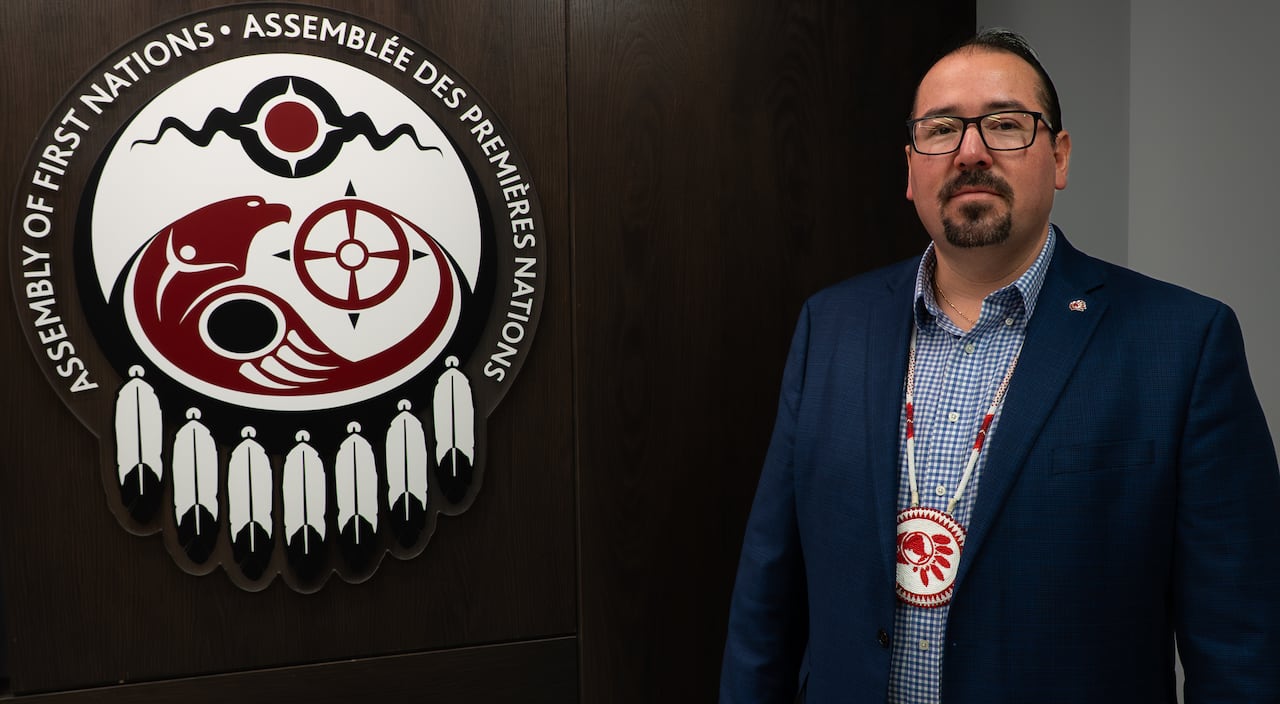 Regional Chief Abram Benedict of the Chiefs of Ontario says he’s ‘quite concerned’ about the immediate impact of federal service cuts, potentially leading to slower progress on current claims and legal proceedings. (Tristan Strasbourg/Radio-Canada)
Westaway worries teams can’t do more with less.
“We already don’t have enough focus and enough staff to move the Indigenous issues forward quickly enough,” she said.
She says ultimately, Canada may feel the impact if cuts lead to weaker Indigenous consultation and inclusion amid big infrastructure decisions, slowing progress on projects.
“It’s going to hamper all of us. We need to include the right knowledge and the right people early,” Westaway said. “Or we’re going to get into a mess.”
Unions concerned, Justice Department responds
In an email, CAPE president Nathan Prier said these kinds of cuts “ultimately show the Carney government has chosen to sacrifice reconciliation efforts as it recklessly slashes thousands of public sector jobs and critical programs and services.”
“The impact within this portfolio raises legitimate questions about whether fair claims resolution and timely justice for Indigenous communities are being deprioritized,” wrote AJC president Gregory Harlow in a statement, adding that reducing legal capacity in this area “risks undermining access to justice [and] delaying claims.”
In a statement, USJE said cuts in this portfolio will “potentially compromise the integrity of court proceedings” on Indigenous legal matters.
In an email, a Justice Department spokesperson explained those who got a letter are at risk of losing their jobs, but it won’t “result in immediate layoffs, nor will all the positions be eliminated.”